COVID-19 Pink Eye: Why 1 In 10 Patients Get Conjunctivitis
Discover how COVID-19 impacts your eyes, from common pink eye symptoms to prevention strategies for lasting vision protection.
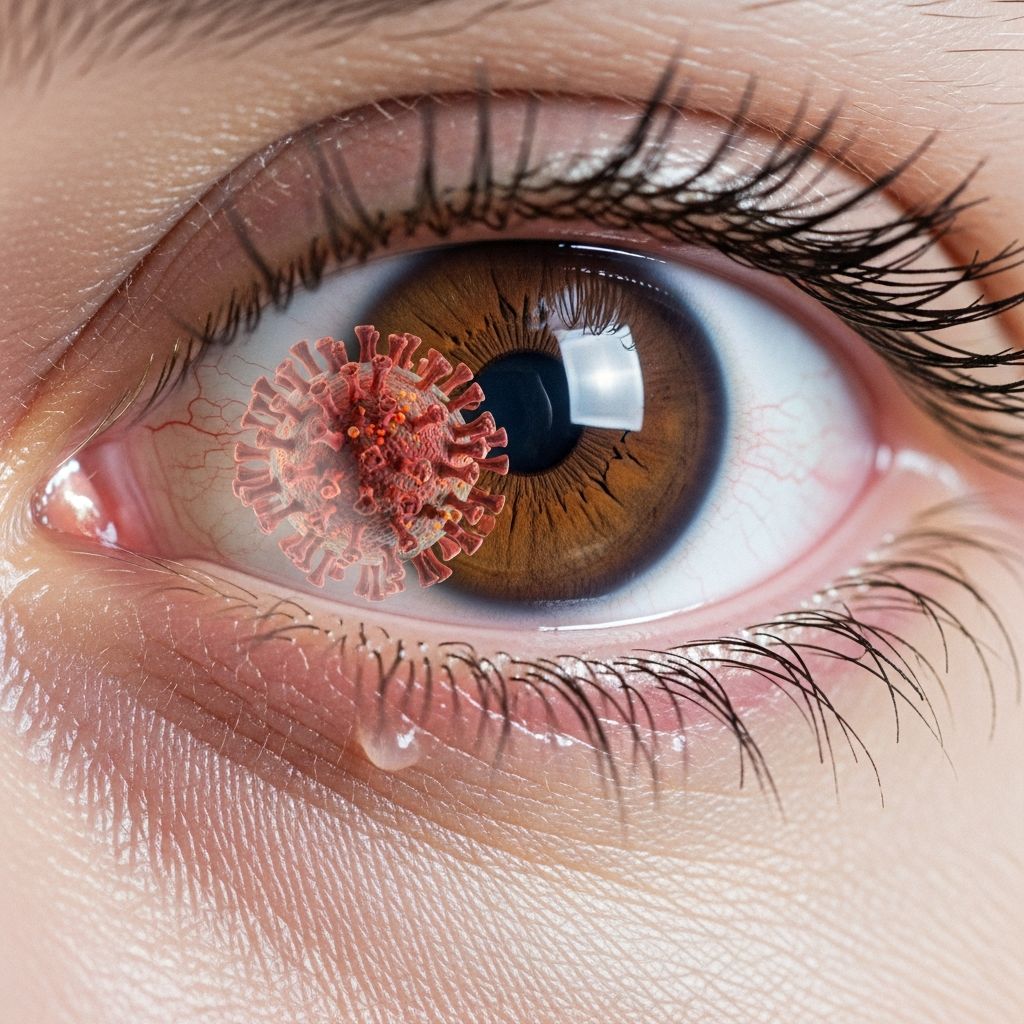
The SARS-CoV-2 virus responsible for COVID-19 doesn’t just target the respiratory system; it can also infiltrate the eyes, leading to conditions like conjunctivitis, commonly known as pink eye. Approximately 1 in 10 individuals infected with COVID-19 experience some form of ocular involvement, with pink eye being the most prevalent manifestation. This article delves into the mechanisms, signs, management options, and protective strategies to help you navigate these eye-related challenges.
Understanding the Link Between COVID-19 and Ocular Issues
COVID-19’s ability to affect the eyes stems from the virus’s capacity to bind to receptors in ocular tissues, similar to those in the respiratory tract. Conjunctivitis arises when the virus inflames the conjunctiva, the thin membrane covering the white part of the eye and inner eyelids. Research indicates that certain variants, such as the Arcturus strain, are more prone to triggering this response. Unlike bacterial pink eye, viral forms linked to COVID-19 are typically self-resolving but can mimic other infections, necessitating careful differentiation.
Systemic inflammation from COVID-19 can exacerbate pre-existing eye conditions or spark new ones. For instance, the hypercoagulable state induced by the virus raises risks for retinal vascular occlusions, where blood flow to the retina is blocked, potentially causing sudden vision impairment. These interactions highlight why monitoring eye health is crucial during and after infection.
Recognizing Key Symptoms of COVID-Related Pink Eye
Eye symptoms from COVID-19 can appear early, sometimes even before respiratory signs, serving as an initial alert. Common indicators include:
- Redness: Bloodshot appearance due to dilated vessels in the conjunctiva.
- Itching or irritation: A gritty, foreign body sensation or burning.
- Watery discharge: Excessive tearing or mucoid secretions.
- Crusting: Eyelids sticking together upon waking.
- Swelling: Puffy eyelids or chemosis (conjunctival edema).
In milder cases, these resolve without intervention, but severity varies. Severe presentations may involve photophobia (light sensitivity), intense pain, or pseudomembranes on the conjunctiva. Vision changes like blurriness often stem from discharge or underlying inflammation rather than direct retinal damage initially.
Beyond Pink Eye: Other Eye Complications from COVID-19
While conjunctivitis dominates, COVID-19 can provoke a spectrum of issues. Dry eye syndrome worsens as the virus disrupts tear production, leading to discomfort and surface damage. Uveitis, inflammation of the eye’s middle layer, brings pain, redness, and potential vision loss if untreated.
Retinal involvement is particularly concerning. Central retinal vein occlusion (CRVO) symptoms, such as blurred vision, may emerge days to weeks post-fever, linked to clotting triggered by endothelial damage and inflammation. A systematic review of 42 studies confirmed conjunctivitis as primary but noted rarer issues like ocular pain and chemosis, with most resolving fully.
| Condition | Common Symptoms | Frequency with COVID-19 |
|---|---|---|
| Conjunctivitis | Redness, discharge, itching | Most common (1 in 10 cases) |
| Dry Eye | Burning, foreign body sensation | Frequent, often exacerbated |
| Uveitis | Pain, light sensitivity | Less common, vision-threatening |
| Retinal Occlusion | Sudden blur, vision loss | Rare, post-acute |
Effective Management Strategies for COVID Eye Symptoms
Most COVID-linked conjunctivitis is viral and self-limits within 1-3 weeks, requiring supportive care over antivirals or antibiotics, which are ineffective against the virus. Key home remedies include:
Related Stories



- Cool compresses: Apply a clean, cold cloth for 10-15 minutes to reduce swelling and soothe irritation.
- Artificial tears: Lubricating drops to combat dryness and flush irritants.
- Warm compresses: For dry eye, to unclog meibomian glands.
- Hygiene practices: Avoid contacts, rub eyes minimally, and clean crust with saline.
Monitor for red flags warranting professional care: severe pain, vision decline post-discharge clearance, light hypersensitivity, or immunocompromise. In such scenarios, clinicians may prescribe topical steroids or antibiotics for secondary infections. Systemic COVID management—rest, hydration, analgesics—complements eye care.
Prevention: Shielding Your Eyes from COVID-19
Preventing ocular transmission mirrors general COVID protocols but emphasizes eye protection. The virus spreads via respiratory droplets or direct contact, potentially entering through the conjunctiva. Essential steps:
- Wear masks consistently to block droplet exposure.
- Use goggles or face shields in high-risk settings.
- Practice rigorous hand hygiene before touching eyes.
- Maintain distance and ventilation indoors.
- Vaccination reduces severe disease, indirectly protecting eyes.
For contact lens users, switch to glasses during outbreaks. Post-exposure, isolate and self-quarantine to curb spread.
Long-Term Eye Health After COVID-19
Even after recovery, some experience persistent issues like dry eye or convergence problems, termed “long COVID eyes”. Regular optometric check-ups are advised, especially if symptoms linger beyond two weeks. Early intervention prevents chronic damage, such as corneal scarring or permanent vision deficits from untreated uveitis or retinal events.
Nutritional support—omega-3s, hydration—and screen breaks aid recovery. Those with comorbidities like diabetes face heightened risks, underscoring personalized monitoring.
Frequently Asked Questions (FAQs)
Is pink eye always a sign of COVID-19?
No, pink eye has multiple causes including bacteria, allergies, or other viruses. However, during COVID-19 infection, it can be a symptom, particularly with respiratory signs.
How long does COVID pink eye last?
Typically 1-3 weeks, resolving spontaneously. Persistent symptoms beyond this require evaluation.
Can I wear contact lenses with COVID eye symptoms?
No, discontinue until symptoms fully resolve to avoid worsening or secondary infection.
Does COVID-19 cause permanent eye damage?
Rarely, but complications like retinal occlusion can if untreated. Most cases fully recover.
Should I see a doctor for COVID-related eye redness?
Yes, if accompanied by pain, vision changes, or light sensitivity.
In summary, while COVID-19 eye effects like pink eye are common yet manageable, vigilance ensures optimal outcomes. Stay informed, protect proactively, and consult professionals promptly for peace of mind and clear vision.
References
- Pink Eye and COVID-19: Symptoms, Stain and Treatments — ada.com. 2023. https://ada.com/covid/pink-eye-symptom-of-covid-19/
- COVID and the Eye: Medical Research Findings 5 Years On — Pulmonology Advisor. 2025. https://www.pulmonologyadvisor.com/features/covid-and-the-eye-what-weve-learned-5-years-since-the-start-of-the-pandemiccovid-and-the-eye-short-and-long-term-interactions/
- COVID Eye: Symptoms, Treatments, and Prevention — GoodRx. 2024. https://www.goodrx.com/conditions/covid-19/covid-19-eye-care
- Ocular manifestations of COVID-19: A systematic review — PMC (NCBI). 2024-02-01. https://pmc.ncbi.nlm.nih.gov/articles/PMC10874879/
- COVID Conjunctivitis — EyeWiki (AAO). 2024. https://eyewiki.org/COVID_Conjunctivitis
Similar Articles








Read full bio of Sneha Tete