COVID-19 Testing For People With Arthritis: 2025 Guide
Essential answers on COVID-19 testing for people with arthritis, covering eligibility, accuracy, timing, and safety precautions.
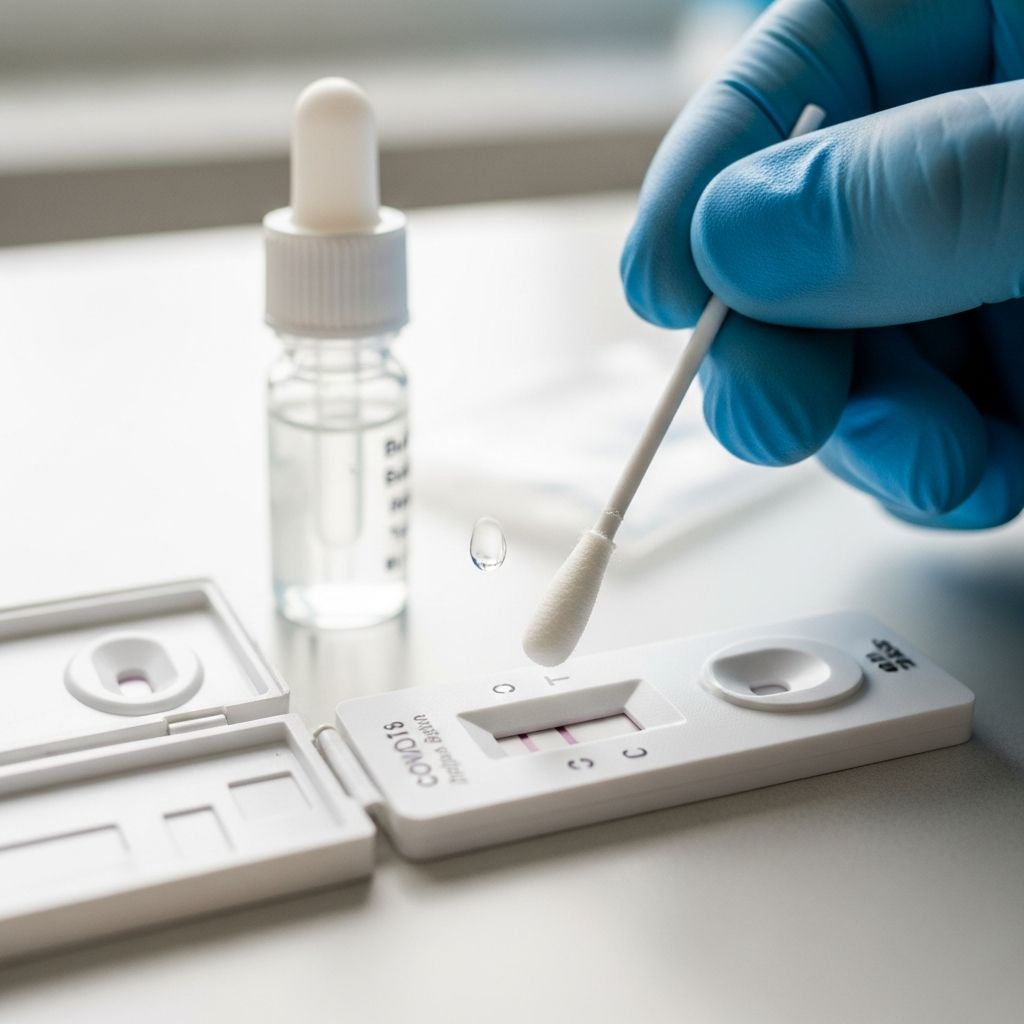
Get the facts about COVID-19 testing and how it relates to people with arthritis.
News, scientific understanding and guidelines about COVID-19 are continually evolving. This information is current as of January 2025, synthesized from Arthritis Foundation resources and CDC updates.
For people living with arthritis, navigating COVID-19 testing requires understanding both general public health guidelines and specific considerations for rheumatic diseases. Testing remains a cornerstone of managing the virus, especially for those on immunosuppressive therapies who may face higher risks of severe outcomes. This FAQ covers eligibility, test types, accuracy, timing, and interactions with arthritis care, helping you make informed decisions in consultation with your rheumatologist.
Who Qualifies for COVID-19 Testing?
Not everyone with arthritis automatically qualifies for testing. Eligibility typically hinges on symptoms, exposure risk, and local availability rather than arthritis diagnosis alone.
- Symptom-based testing: The most common qualifiers are fever, cough, shortness of breath, fatigue, muscle aches, loss of taste or smell, sore throat, headache, or new confusion. If you experience these, contact your doctor immediately.
- High-risk groups: People with autoimmune diseases do not universally qualify; testing prioritizes those with symptoms or confirmed exposure. Arthritis patients with comorbidities like obesity, diabetes, or high disease activity may be prioritized.
- Asymptomatic testing: Routine testing solely based on age or arthritis is not recommended unless exposure occurred. For instance, elderly osteoarthritis patients without symptoms have no particular need for testing.
Testing capacity has improved, with insurance covering up to eight at-home tests per month per person. Check your state’s health department for drive-thru or pharmacy options.
What Types of COVID-19 Tests Are Available?
Two primary test categories exist: diagnostic tests for active infection and antibody tests for past exposure.
| Test Type | Description | Best Use | Accuracy Notes |
|---|---|---|---|
| PCR (Nucleic Acid Amplification) | Nasal swab lab test detecting viral RNA. | Active infection diagnosis; gold standard. | Highly accurate (95-99%); results in 1-3 days. |
| Antigen (Rapid) | Home or point-of-care swab; detects proteins. | Quick screening; confirm with PCR if positive. | 80-90% sensitive; faster but less accurate for low viral loads. |
| Antibody (Serology) | Blood test for past infection immunity. | Population studies; not for active diagnosis. | Not FDA-approved for immunity proof; unreliable duration. |
At-home antigen tests are convenient for arthritis patients minimizing clinic visits, but false negatives are common early or late in infection.
Should I Get Tested if Exposed but Asymptomatic?
The CDC recommends testing 5 days after exposure, regardless of symptoms, for close contacts.
- Timing is key: Test on day 5 post-exposure; if negative and no symptoms by day 10, quarantine can end.
- Arthritis considerations: Immunomodulators may mask symptoms, so err toward testing if exposed. High-risk patients (e.g., on biologics) should isolate and test promptly.
- Repeat testing: If initial test is negative but symptoms develop, retest. Serial testing improves detection.
Tools like Georgia Tech’s COVID-19 Event Risk Tool can assess exposure risk before deciding.
How Accurate Are At-Home COVID-19 Tests for Arthritis Patients?
At-home tests perform similarly in arthritis patients but require careful interpretation.
- Strengths: Convenient, no travel needed—ideal for mobility-limited OA patients.
- False negatives: Up to 30% in early infection; retest if high suspicion.
- Medication impact: No direct interference from arthritis drugs, but consult your doctor if on high-dose steroids.
Private insurance covers these tests, easing access for chronic illness management.
Does Arthritis Medication Affect Test Results?
Common arthritis drugs do not invalidate tests, but some adjustments may be needed around testing.
- DMARDs and biologics: No impact on PCR/antigen accuracy; continue unless symptomatic.
- Corticosteroids: High doses may suppress symptoms, not test results—do not stop abruptly.
- ACR guidelines: Pause certain meds only if confirmed positive; resume post-recovery under guidance.
Related Stories



Always inform testers of your medications for contextual interpretation.
What if My Test is Positive?
A positive result means active infection; isolate immediately and notify your rheumatologist.
- Quarantine: 5 days minimum if symptoms improve, then mask until day 10.
- Arthritis management: May need to hold immunosuppressants; treatments like Paxlovid considered case-by-case.
- Treatment options: Antivirals (e.g., Paxlovid, remdesivir) for high-risk patients; shared decision-making essential.
Monitor for severe symptoms like persistent fever or breathing issues, especially with inflammatory arthritis.
Can I Buy Antibody Tests Online?
Avoid unapproved antibody tests; they don’t confirm immunity or guide behavior.
- MYTH busted: Antibody tests do not prove you’re immune or safe to skip precautions.
- Risks: Many are inaccurate; immunity wanes, reinfection possible.
- Alternatives: Rely on vaccination status and diagnostic tests.
Save money and follow CDC masking/distancing until validated tests are standard.
Testing and Arthritis Flares Post-COVID
Post-infection flares are reported in up to 40% of arthritis patients, linked to inflammation.
- Symptoms: Increased pain, fatigue, breathlessness.
- Prevention: Control arthritis pre-infection; boosters reduce severity.
Studies show rheumatic patients face higher long COVID risk, emphasizing proactive testing.
Frequently Asked Questions
Q: Do all autoimmune arthritis patients qualify for testing?
A: No, testing is symptom- or exposure-driven, not automatic for autoimmune conditions. Prioritize based on CDC criteria.
Q: Should I test asymptomatically due to age and arthritis?
A: No particular reason solely for age; test if exposed or symptomatic.
Q: When to test after exposure?
A: Day 5 post-exposure, per CDC; retest if symptoms appear.
Q: Are at-home tests reliable for me?
A: Yes, but confirm negatives with PCR if high risk.
Q: Impact of biologics on tests?
A: None on accuracy; may need pause if positive.
Q: Insurance covers how many tests?
A: Up to 8 at-home tests/month per person.
Q: Positive test—next steps for arthritis?
A: Isolate, contact rheumatologist for med adjustments, monitor closely.
Coronavirus Updates: Sign up for email updates on coronavirus and arthritis from trusted sources.
References
- COVID-19 Myths for People With Arthritis — Arthritis Foundation. 2023. https://www.arthritis.org/health-wellness/about-arthritis/related-conditions/other-diseases/coronavirus-myths
- FAQ: Managing Osteoarthritis During COVID-19 Outbreak — Arthritis Foundation. 2023. https://www.arthritis.org/health-wellness/about-arthritis/related-conditions/other-diseases/managing-osteoarthritis-during-covid-19-outbreak
- COVID-19 FAQs: Symptoms and Exposure — Arthritis Foundation / CDC. 2022-07-29. https://www.arthritis.org/health-wellness/about-arthritis/related-conditions/other-diseases/covid-19-faqs-symptoms-and-exposure
- COVID-19 FAQs: Infection Risk and Prevention — Arthritis Foundation. 2023-01-03. https://www.arthritis.org/health-wellness/about-arthritis/related-conditions/other-diseases/covid-19-faqs-infection-risk-and-prevention
- COVID-19 FAQs: Medications and Treatments — Arthritis Foundation. 2023-01-04. https://www.arthritis.org/health-wellness/about-arthritis/related-conditions/other-diseases/covid-19-faqs-testing
- COVID-19 FAQs: Recovery and Outcomes — Arthritis Foundation. 2022-07-29. https://www.arthritis.org/health-wellness/about-arthritis/related-conditions/other-diseases/covid-19-faqs-recovery-and-outcomes
- Seeking Clues to Long COVID — Arthritis Foundation / CDC. 2023. https://www.arthritis.org/health-wellness/about-arthritis/related-conditions/other-diseases/seeking-clues-to-long-covid
Similar Articles








Read full bio of Sneha Tete