COVID-19 In Pregnancy: 4 Preventive Steps For Safety
Understand the risks of COVID-19 during pregnancy, protective measures, and essential care steps for mothers and babies.

Pregnant individuals face unique challenges with COVID-19 due to physiological changes that can amplify infection severity. While most cases remain mild, moderate to severe infections elevate risks of complications like preterm delivery and hypertensive disorders.
Why Pregnancy Heightens COVID-19 Vulnerability
During pregnancy, the body undergoes significant adaptations, including shifts in the immune system to protect the fetus. These changes can weaken defenses against respiratory viruses like SARS-CoV-2, the virus causing COVID-19. The diaphragm elevates, reducing lung capacity and potentially worsening breathing difficulties. Heart and lung functions also adjust to support increased blood volume, making severe respiratory illness more likely.
Studies indicate pregnant people are more prone to hospitalization, ICU admission, and mechanical ventilation compared to non-pregnant counterparts with similar infections. Factors such as obesity, diabetes, high blood pressure, or lung conditions further compound these risks, alongside age-related increases.
- Immune modulation prioritizes fetal protection, leaving maternal systems more exposed.
- Respiratory changes, especially in the third trimester, heighten shortness of breath risks.
- Social determinants, including inequities faced by Black and Hispanic communities, contribute to higher illness rates.
Maternal Health Complications Linked to COVID-19
Moderate to severe COVID-19 during pregnancy correlates with elevated chances of serious outcomes. An NIH-funded analysis of over 13,000 pregnancies found infected individuals with symptomatic disease had a 26.1% rate of primary adverse outcomes, versus 9.2% in uninfected groups. These included maternal death, hypertensive disorders, postpartum hemorrhage, and other infections.
| Complication | Risk in Moderate/Severe COVID-19 | Comparison to Uninfected |
|---|---|---|
| Cesarean Delivery | 45.4% | 32.4% |
| Preterm Birth | 26.9% | 14.1% |
| Fetal/Newborn Death | 3.5% | 1.8% |
| Serious Morbidity | 26.1% | 9.2% |
Mild or asymptomatic cases show no significant uptick in these issues, emphasizing infection severity as a key driver. Preeclampsia, eclampsia, and blood clots also rise, particularly in later trimesters when lung compression peaks.
Impacts on the Fetus and Newborn
Preterm birth stands out as a primary concern, with data confirming higher incidence among infected mothers. Stillbirth risks may increase, though evidence varies. Vertical transmission—virus passing from mother to fetus—occurs rarely, but recent 2024 research reveals small viral proteins can cross the placenta, potentially triggering fetal inflammation even without direct infection.
Newborns of COVID-positive mothers face elevated NICU needs. However, fetal or newborn mortality remains low overall. Breastfeeding transmits protective antibodies if the mother is vaccinated, offering infants passive immunity.
- Increased NICU admissions for respiratory support.
- Rare but possible congenital infection.
- Benefits from maternal vaccination via breast milk.
Recognizing and Managing Symptoms
Symptoms mirror those in non-pregnant adults: fever, cough, fatigue, and loss of taste or smell. Pregnant individuals may experience exacerbated shortness of breath. Severe signs demanding immediate care include persistent high fever, chest pain, confusion, bluish lips, or reduced fetal movement.
Management focuses on supportive care: rest, hydration, fever reduction with acetaminophen, and oxygen if needed. Antivirals like Paxlovid may be considered based on gestational age and severity. Hospitalization risks for pregnant patients are 3.5 times higher for respiratory support.
Vaccination: The Primary Defense
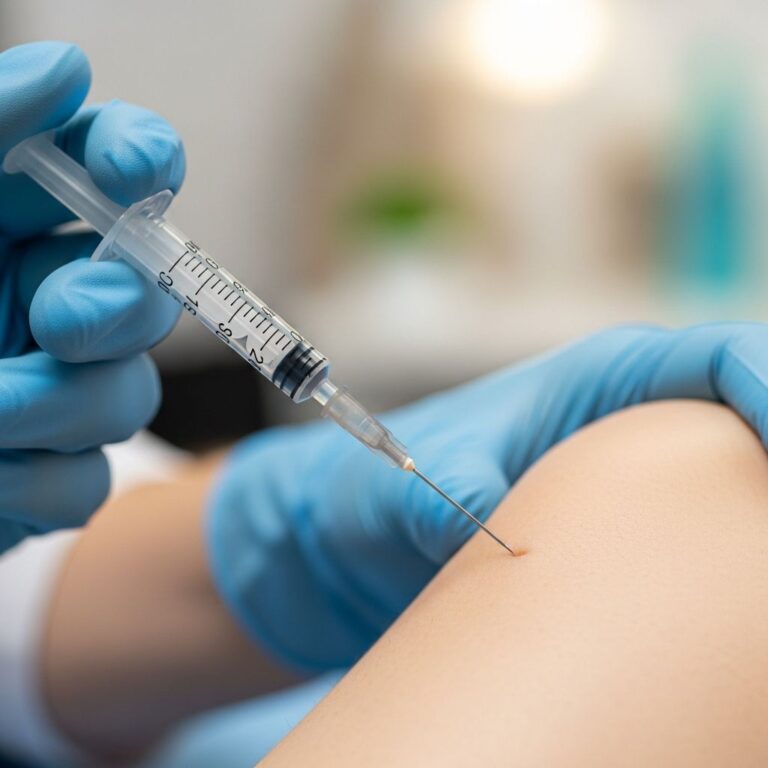
Vaccination remains the cornerstone of prevention. All COVID-19 vaccines are recommended for pregnant individuals, proving safe and effective in averting severe disease, hospitalization, and death. No links exist to infertility or pregnancy loss; conception can proceed immediately post-vaccination.
Related Stories



Benefits extend to babies through transplacental antibodies and breast milk. Pre-Omicron data from 2020 showed stark risk reductions, with ongoing studies affirming boosters’ role amid variants.
Preventive Strategies for Expecting Mothers
Beyond vaccination, core precautions include hand hygiene, masking in crowds, distancing from the ill, and ventilation. Routine prenatal visits continue, with telehealth options for mild cases. Testing upon symptom onset or exposure is crucial, alongside isolating to protect household members.
- Get vaccinated and stay up to date with boosters.
- Avoid close contact with symptomatic people.
- Monitor for symptoms daily and seek prompt testing.
- Maintain underlying condition management like diabetes control.
Navigating Prenatal and Delivery Care
COVID-19 should not disrupt standard care. Discuss infection status with providers for tailored plans. During labor, masking and isolation protocols may apply if positive. Skin-to-skin contact and breastfeeding are encouraged post-delivery, with hygiene measures.
Postpartum monitoring addresses hemorrhage and clotting risks. Mental health support combats isolation and anxiety from pandemic disruptions.
Breastfeeding and Postpartum Considerations
COVID-19 does not contraindicate breastfeeding. Pump or feed with masks if concerned, but direct contact benefits outweigh risks given rare transmission. Vaccinated mothers pass antibodies, enhancing infant protection.
Postpartum recovery may prolong with complications; watch for persistent symptoms or mental health shifts.
Special Risks for High-Risk Groups
Individuals with comorbidities or from underserved communities warrant extra vigilance. Age over 30, obesity, or chronic illnesses amplify severe outcomes. Equitable vaccine access remains vital to mitigate disparities.
Frequently Asked Questions (FAQs)
Is COVID-19 vaccination safe during pregnancy?
Yes, extensively studied and recommended by health authorities to prevent severe maternal and fetal outcomes.
Can I breastfeed if I have COVID-19?
Absolutely, with precautions like masking; benefits include antibody transfer.
Does mild COVID-19 affect my baby?
Typically not; risks tie to moderate/severe cases.
Should I delay pregnancy if unvaccinated?
No, vaccinate anytime, including preconception.
What if I test positive near delivery?
Inform your team; standard protocols ensure safe delivery and newborn separation if needed.
Long-Term Outlook and Research Updates
Ongoing research tracks variant impacts and long COVID in pregnancy. Early vaccination eras showed clear benefits, with mRNA vaccines passing protective factors efficiently. Stay informed via trusted sources for evolving guidance.
References
- NIH-funded study suggests COVID-19 increases risk of pregnancy complications — National Institutes of Health. 2022-02-07. https://www.nih.gov/news-events/news-releases/nih-funded-study-suggests-covid-19-increases-risk-pregnancy-complications
- COVID-19, Pregnancy, Childbirth, and Breastfeeding — American College of Obstetricians and Gynecologists. Accessed 2026. https://www.acog.org/womens-health/faqs/coronavirus-covid-19-pregnancy-and-breastfeeding
- COVID-19 While Pregnant: Risks & Treatment Options — Cleveland Clinic. Accessed 2026. https://my.clevelandclinic.org/health/diseases/covid-while-pregnant
- Pregnancy & COVID-19 — New York State Department of Health. Accessed 2026. https://coronavirus.health.ny.gov/pregnancy-covid-19
- Pregnant Women Hospitalized for COVID Have Complication Risks — Respiratory Therapy. Accessed 2026. https://respiratory-therapy.com/disorders-diseases/infectious-diseases/coronavirus/pregnant-women-hospitalized-covid-19-newborns-complications/
Similar Articles








Read full bio of Sneha Tete