COVID-19 Vaccination for Children: Safety, Efficacy, and Key Information
Comprehensive guide to pediatric COVID-19 vaccines: evidence-based information on effectiveness and safety across all age groups.

The introduction of COVID-19 vaccines for children represents a significant milestone in pediatric public health. Since authorization for use in younger age groups, extensive research has documented the safety profile and protective benefits of these vaccines across different developmental stages. This comprehensive guide addresses key questions parents and caregivers have about vaccinating children against COVID-19.
Overview of Pediatric COVID-19 Vaccination
COVID-19 vaccines have been approved for children as young as 6 months of age in the United States and other countries worldwide. The vaccine development process followed rigorous clinical trials, and ongoing surveillance systems continue to monitor safety outcomes in real-world settings. Understanding how these vaccines work and their availability across age groups helps families make informed healthcare decisions.
The authorization timeline for different age groups occurred sequentially, with adolescents gaining access first, followed by younger children as clinical evidence accumulated. This staged approach allowed researchers to gather substantial safety and efficacy data at each developmental stage before expanding recommendations.
Age-Specific Vaccine Effectiveness and Recommendations
Adolescents (Ages 12 to 17 Years)
Adolescents benefit from robust protective immunity following COVID-19 vaccination. Clinical data demonstrates exceptionally high effectiveness rates in this age group. Early clinical trials established vaccine efficacy at approximately 94% in preventing hospitalization and 98% in preventing the need for intensive care or mechanical life support. These figures highlight the substantial protection vaccination provides against severe disease outcomes in teenagers.
Recent effectiveness studies from 2024–2025 showed that vaccinated adolescents aged 12 to 17 years experienced 61% protection against COVID-19–associated emergency department or urgent care visits compared to unvaccinated peers. This protection emerged within the first week following vaccination and remained consistent over the initial monitoring period.
Children (Ages 5 to 11 Years)
This age group represents a significant portion of the pediatric population eligible for COVID-19 vaccination. Following authorization in late 2021, comprehensive studies have documented both the protective benefits and safety profile in school-aged children. Original clinical trials demonstrated vaccine efficacy ranging from 85% to 95% in preventing symptomatic SARS-CoV-2 infection.
Contemporary effectiveness data from 2024–2025 vaccination campaigns showed 51% effectiveness against emergency department or urgent care visits for COVID-19 in children aged 5 to 11 years. Additionally, vaccination was associated with 68% effectiveness in preventing hospitalization during the omicron variant surge and demonstrated 94% effectiveness in preventing multisystem inflammatory syndrome in children (MIS-C), a rare but serious post-infection complication.
Young Children (Ages 6 Months to 4 Years)
The youngest eligible children gained access to COVID-19 vaccination in mid-2022 following completion of safety and efficacy trials. This age group required careful evaluation given the developmental considerations in infants and toddlers. Vaccine effectiveness against hospitalization in this population was measured at 40% during 2022–2023, with current data showing 76% protection against emergency department or urgent care visits.
While vaccination uptake in this youngest group has been more limited compared to older children, the authorization provides families with the option to protect their very young children during a period when they may be vulnerable to severe outcomes from COVID-19.
Related Stories



Safety Profile and Adverse Events
Local Reactions at the Injection Site
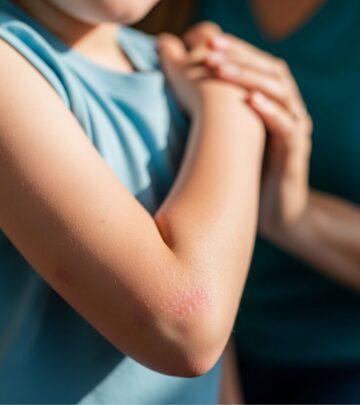
Localized reactions at the injection site represent the most common experience following COVID-19 vaccination in children. A comprehensive analysis of 55,959 children found that 86.3% experienced at least one local adverse event after the first dose, and 86.3% experienced local reactions following the second dose. These reactions typically include mild symptoms such as:
- Injection site pain or tenderness
- Redness around the injection area
- Swelling or mild inflammation
Local reactions are expected physiological responses to vaccination and generally resolve within a few days without medical intervention. Applying ice packs or over-the-counter pain relievers recommended by healthcare providers can help manage discomfort.
Systemic Side Effects
Beyond injection site reactions, some vaccinated children experience systemic symptoms—those affecting the whole body rather than just the injection site. Common systemic side effects include fatigue, low-grade fever, headache, muscle aches, and chills. These symptoms typically appear within the first 24 to 48 hours after vaccination and resolve spontaneously within several days.
The experience of some side effects following vaccination actually reflects the immune system’s response to the vaccine—a sign that protective immunity is developing. The vast majority of children can manage these temporary symptoms at home with rest, fluids, and over-the-counter fever reducers as appropriate.
Rare Serious Adverse Events
While clinical vigilance remains important, serious adverse events following COVID-19 vaccination in children are rare. A systematic review and meta-analysis of 17 studies involving over 10.9 million vaccinated children found that although vaccination was associated with higher incidences of any adverse events compared to placebo, the overall frequency of severe adverse events, including myocarditis (inflammation of the heart muscle), was extremely low.
Myocarditis, when it does occur in vaccinated children, is typically mild and self-limited, with most cases resolving completely with rest and conservative management. The risk of severe myocarditis following vaccination remains substantially lower than the risk of myocarditis following actual COVID-19 infection.
Comparative Safety: Vaccination Versus Natural Infection
An important context for evaluating vaccine safety involves comparing potential risks from vaccination with documented risks from natural COVID-19 infection. While COVID-19 typically causes milder illness in children compared to adults, severe cases and fatal outcomes have been documented in the pediatric population. Vaccination-associated adverse events must be weighed against these infection-related risks.
Children who contract COVID-19 can develop serious complications including severe respiratory disease requiring hospitalization and the previously mentioned multisystem inflammatory syndrome. The risk of hospitalization and life-threatening illness from COVID-19 substantially exceeds the risk of serious vaccine-related complications, making vaccination a protective health measure.
Key Benefits of COVID-19 Vaccination in Children
Protection Against Acute Infection
The primary benefit of vaccination is reducing the risk of acquiring SARS-CoV-2 infection. Meta-analyses demonstrate that vaccinated children have significantly lower rates of infection compared to unvaccinated peers. This protection helps minimize the disruption to schooling, social development, and family life that can result from illness and quarantine requirements.
Prevention of Severe Disease
Beyond preventing infection itself, vaccination substantially reduces the risk of severe COVID-19 requiring hospitalization. Data consistently shows that vaccinated children who do contract COVID-19 experience milder illness courses with lower rates of hospitalization, intensive care admission, and need for mechanical ventilation. This protective effect against severe disease represents perhaps the most important clinical benefit of vaccination.
Reduction of Post-Infection Complications
Multisystem inflammatory syndrome in children (MIS-C) represents a rare but potentially fatal post-infection complication that can occur weeks after acute COVID-19 illness. Vaccination has been associated with dramatic reductions in MIS-C development, with some studies documenting 94% effectiveness in preventing this complication. Prevention of MIS-C, which can cause myocarditis, shock, and multi-organ dysfunction, represents a significant protective benefit.
Understanding Vaccine Effectiveness Over Time
Research has documented that the protective effect of COVID-19 vaccines diminishes over time, a phenomenon known as waning immunity. This finding has informed recommendations regarding booster doses and updated vaccine formulations designed to provide sustained protection against circulating variants.
The 2024–2025 vaccine formulations represent updated versions designed to provide optimal protection against current variants in circulation. Effectiveness measurements from recent campaigns show protective benefits that persist over several months following vaccination, with some decline in effectiveness observable over longer follow-up periods.
Variant-Specific Considerations
COVID-19 has evolved into multiple variants with differing properties. Studies examining vaccine effectiveness against specific variants have found that while protection against the original strain and delta variant was robust, effectiveness against the omicron variant was somewhat reduced, though still clinically significant. The vaccine formulations in use during 2024–2025 were selected to provide optimal protection against variants predominant during that period.
This evolving landscape explains why health authorities may recommend periodic updates to vaccination recommendations and booster doses—the goal being to maintain optimal population protection as the virus continues to evolve.
Health Authority Recommendations
Major health organizations, including the CDC, WHO, and pediatric medical societies, recommend COVID-19 vaccination for all eligible children. These recommendations are based on comprehensive reviews of safety and efficacy data demonstrating that benefits substantially exceed risks. Healthcare providers can discuss individual circumstances and address specific questions families may have about vaccination.
Addressing Common Questions
Are COVID-19 vaccines safe for children?
Yes. Extensive clinical trials and ongoing safety monitoring systems continue to demonstrate that COVID-19 vaccines are safe for children across all authorized age groups. While mild side effects are common and expected, serious adverse events are rare.
How effective are these vaccines?
Effectiveness varies by age group and current circulating variants but ranges from approximately 40% to 94% depending on the outcome being measured and the age group in question. Even lower effectiveness percentages represent meaningful clinical protection against the most serious outcomes.
Can vaccinated children still get COVID-19?
Yes, vaccinated children can still contract COVID-19, particularly if exposed to high viral loads. However, vaccinated children who do contract COVID-19 typically experience milder illness with lower hospitalization rates.
What should parents do if their child experiences side effects?
Most side effects resolve spontaneously within several days. Over-the-counter pain relievers and fever reducers can help manage symptoms. Parents should contact their healthcare provider if symptoms are severe or do not resolve, or if they have specific concerns.
References
- Assessment of Efficacy and Safety of mRNA COVID-19 Vaccines in Children Aged 5 to 11 Years: A Systematic Review and Meta-Analysis — National Center for Biotechnology Information (NCBI). 2023. https://pmc.ncbi.nlm.nih.gov/articles/PMC9871947/
- Effectiveness of 2024–2025 COVID-19 Vaccines in Children — Centers for Disease Control and Prevention (CDC). 2025. https://www.cdc.gov/mmwr/volumes/74/wr/mm7440a1.htm
- Former CDC Director: Here’s the Evidence for Kids’ COVID Vaccines — STAT News. 2025. https://www.statnews.com/2025/09/19/covid-19-vaccines-children-evidence-safety-protection-severe-disease/
- What You Need to Know: COVID-19 Vaccines — New York Department of Health. 2024. https://coronavirus.health.ny.gov/what-you-need-know
- Recommendations for COVID-19 Vaccines in Infants, Children, and Adolescents — American Academy of Pediatrics. 2024. https://publications.aap.org/pediatrics/article/156/5/e2025073924/203222/Recommendations-for-COVID-19-Vaccines-in-Infants
- Vaccine Safety: Examine the Evidence — American Academy of Pediatrics (HealthyChildren.org). 2024. https://www.healthychildren.org/English/safety-prevention/immunizations/Pages/vaccine-studies-examine-the-evidence.aspx
Similar Articles








Read full bio of Sneha Tete