COVID-19 Viral-Vector Vaccine (Vaxzevria, Janssen)
Comprehensive guide to Vaxzevria (AstraZeneca) and Janssen viral-vector vaccines: uses, dosing, efficacy, and side effects for COVID-19 protection.
About COVID-19 Viral-vector Vaccine
The COVID-19 viral-vector vaccines, including Vaxzevria (previously known as the AstraZeneca COVID-19 vaccine) and the Janssen vaccine, represent a key advancement in combating the SARS-CoV-2 virus that causes COVID-19. These vaccines belong to the class of recombinant viral vector vaccines, designed to stimulate a robust immune response without causing the disease itself. Vaxzevria was developed by Oxford University in collaboration with AstraZeneca, utilizing a modified chimpanzee adenovirus (ChAdOx1) as the vector. The Janssen vaccine, produced by Johnson & Johnson, employs a similar adenovirus type 26 (Ad26) vector.
These vaccines are indicated for active immunization to prevent COVID-19 in individuals aged 18 years and older. They are particularly valuable in global vaccination efforts due to their stability at standard refrigeration temperatures (2-8°C) and ease of administration. The World Health Organization (WHO) and regulatory bodies like the European Medicines Agency (EMA) and FDA have authorized their use based on extensive clinical trial data demonstrating efficacy against symptomatic disease, hospitalization, and severe outcomes.
| Type of Medicine | Used For | Also Called | Available As |
|---|---|---|---|
| COVID-19 recombinant vector vaccine | Protection against SARS-CoV-2 infection | Vaxzevria® (AstraZeneca); Janssen vaccine | Multi-dose vials for intramuscular injection |
How COVID-19 Viral-vector Vaccines Work
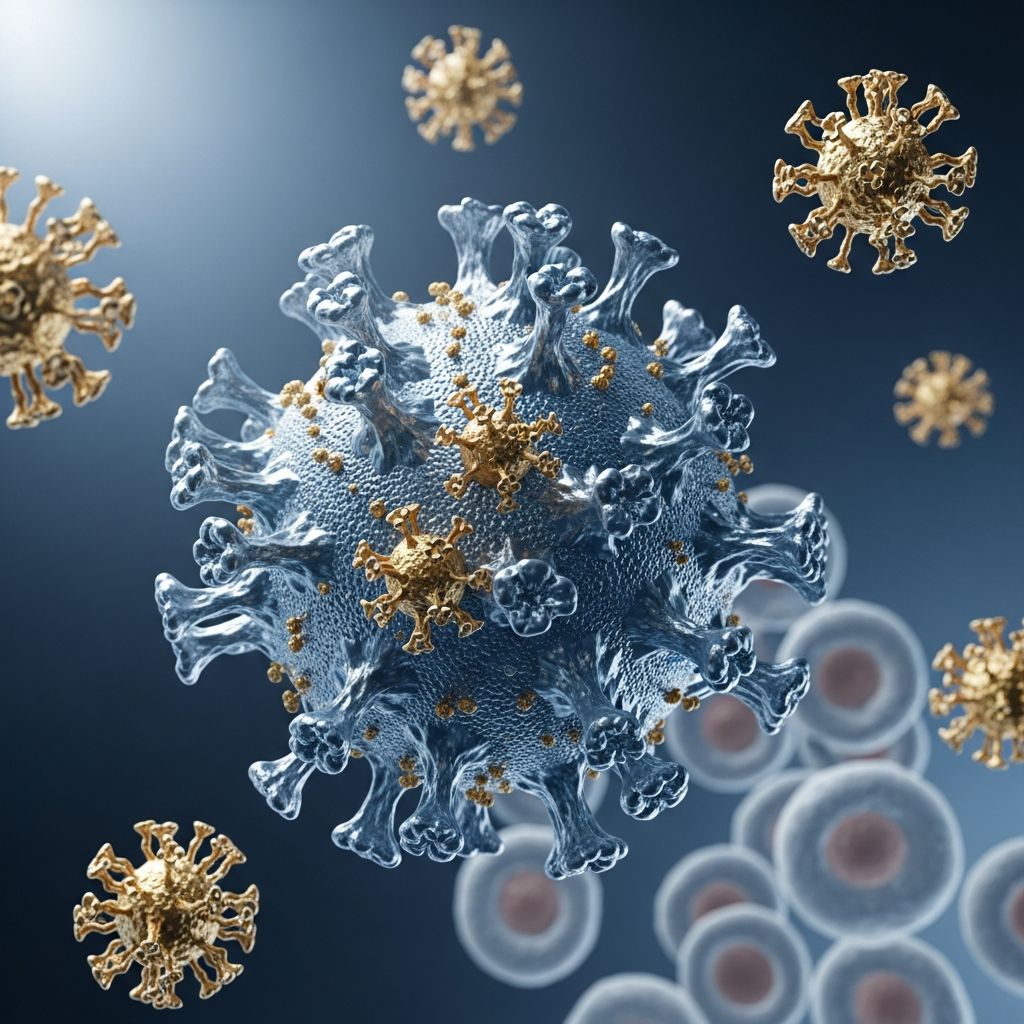
The SARS-CoV-2 coronavirus features a distinctive spike protein on its surface, which it uses to attach to and enter human cells. Viral-vector vaccines like Vaxzevria and Janssen employ a harmless, replication-deficient animal virus—derived from chimpanzees for Vaxzevria (ChAdOx1) and human adenovirus 26 for Janssen—as a delivery vehicle. This vector carries the genetic code (DNA) for the SARS-CoV-2 spike protein.
Upon injection into the muscle (typically the deltoid of the upper arm), the vector enters human cells. The cells read the DNA and produce the spike protein, displaying it on their surface. This triggers the immune system to recognize the protein as foreign, producing neutralizing antibodies and activating T-cells. These antibodies bind to the spike protein on any invading SARS-CoV-2 virus, preventing cell entry, while T-cells provide longer-term cellular immunity.
Importantly, the vaccine contains no live coronavirus, ensuring it cannot cause COVID-19. The modified vector cannot replicate, minimizing risks. Clinical studies confirm that vaccinated individuals generate strong antibody responses against the receptor-binding domain (RBD) of the spike protein, crucial for neutralization.
About the Protection Provided
Clinical trials have established the efficacy of these vaccines. For Vaxzevria, efficacy against symptomatic COVID-19 is approximately 60-80% starting 14 days after the second dose, with optimal results (up to 81.3%) when doses are spaced 9-12 weeks apart. A longer interval between doses enhances protection compared to shorter gaps of 4-6 weeks.
The Janssen vaccine, administered as a single dose, shows 60-80% efficacy against symptomatic disease 14 days post-vaccination, rising to over 90% in preventing hospitalization in adults over 65, and particularly effective (over 90%) in those over 75. Real-world data from Scotland indicate 81% effectiveness against the Alpha variant and 61% against Delta after two doses of Vaxzevria.
Related Stories



Both vaccines excel at preventing severe outcomes: Vaxzevria reduces hospitalization by up to 94% after the first dose and remains effective against variants like Delta, though less so against Omicron for symptomatic disease (around 60% initially with boosters). Boosters with mRNA vaccines (e.g., Pfizer) enhance protection against Omicron to 35-45% after 10 weeks.
- Symptomatic COVID-19 prevention: 60-80% (Vaxzevria post-dose 2; Janssen post-dose 1)
- Hospitalization prevention: >90% in older adults
- Variant efficacy: High against Alpha/Delta; moderate against Omicron with boosters
- Onset of protection: Maximum at 14 days post-final dose
Vaccination Schedule
The dosing regimen differs between the two vaccines. Vaxzevria requires two doses of 0.5 mL each, administered intramuscularly 4-12 weeks apart. The WHO recommends 8-12 weeks for peak efficacy. The second dose boosts and prolongs immunity; ensure the same vaccine brand is used for both doses.
Janssen is a single-dose vaccine (0.5 mL), providing convenience, especially in resource-limited settings. Full protection develops at least 14 days after administration. Individuals should confirm with their vaccinator if prior doses match for boosters.
Special considerations include informing vaccinators of bleeding disorders, as the injection is intramuscular. Post-vaccination, adhere to public health guidelines: hand hygiene, distancing, and masking, as vaccines do not prevent transmission entirely.
Side-effects of COVID-19 Viral-vector Vaccine
Most side effects are mild and resolve within days, reflecting immune activation. Common reactions include:
- Pain, tenderness, or swelling at the injection site
- Fatigue, headache, muscle pain, chills, fever, nausea
- Joint pain (more common after second dose)
These typically peak 1-2 days post-vaccination and are more pronounced after the second Vaxzevria dose. Paracetamol may alleviate symptoms. Rare but serious effects include:
- Anaphylaxis: Extremely rare (~1-5 per million doses); facilities must have emergency measures.
- Thrombosis with Thrombocytopenia Syndrome (TTS): Very rare (e.g., cerebral venous sinus thrombosis); symptoms like severe headache, blurred vision, chest pain, leg swelling, persistent abdominal pain, or unusual bruising within 2 weeks. More noted with AstraZeneca.
- Guillain-Barré Syndrome (GBS): Rare with Janssen, presenting as weakness or paralysis.
Report suspected side effects via local systems (e.g., Yellow Card in UK). Benefits outweigh risks for most, especially high-risk groups.
Before Having COVID-19 Viral-vector Vaccine
Discuss allergies, pregnancy, breastfeeding, immunosuppression, or bleeding risks with your vaccinator. These vaccines are not recommended under 18 or live-virus contraindicated conditions. Pregnancy/breastfeeding: benefits likely outweigh risks; consult healthcare providers.
Taking Other Medicines with COVID-19 Viral-vector Vaccine
No significant interactions; inform about anticoagulants or immunosuppressants. Continue medications as usual.
Frequently Asked Questions (FAQs)
Q: How many doses are needed for Vaxzevria?
A: Two doses, 4-12 weeks apart, for optimal immunity.
Q: Is the Janssen vaccine single-dose?
A: Yes, one dose provides 60-80% efficacy after 14 days.
Q: Can these vaccines cause COVID-19?
A: No, they contain no live virus.
Q: Are boosters needed?
A: Preliminary data suggest boosters may extend protection, especially against variants; follow official guidance.
Q: What if I have side effects like severe headache?
A: Seek immediate medical help for signs of rare clots (e.g., persistent headache, bruising).
Further Reading and Support
For latest updates, consult official sources like EMA, WHO, or national health agencies. Vaccination remains crucial despite variants, reducing severe COVID-19 risks significantly.
References
- COVID-19 Viral-vector Vaccine – Vaxzevria (AstraZeneca) – Patient.info — Patient.info. 2023-01-15. https://patient.info/medicine/covid-19-viral-vector-vaccine-vaxzevria-astrazeneca-janssen
- The current status of COVID-19 vaccines. A scoping review — PMC (National Library of Medicine). 2022-08-25. https://pmc.ncbi.nlm.nih.gov/articles/PMC9389839/
- Oxford–AstraZeneca COVID-19 vaccine — Wikipedia (informed by primary trials). 2023-12-01. https://en.wikipedia.org/wiki/Oxford–AstraZeneca_COVID-19_vaccine
- Vaxzevria (previously COVID-19 Vaccine AstraZeneca) — European Medicines Agency (EMA). 2024-01-10. https://www.ema.europa.eu/en/medicines/human/EPAR/vaxzevria
- The Oxford/AstraZeneca COVID-19 vaccine: What you need to know — World Health Organization (WHO). 2021-02-16. https://www.who.int/news-room/feature-stories/detail/the-oxford-astrazeneca-covid-19-vaccine-what-you-need-to-know
- Different types of COVID-19 vaccines: How they work — Mayo Clinic. 2023-11-20. https://www.mayoclinic.org/diseases-conditions/coronavirus/in-depth/different-types-of-covid-19-vaccines/art-20506465
Similar Articles








Read full bio of Sneha Tete