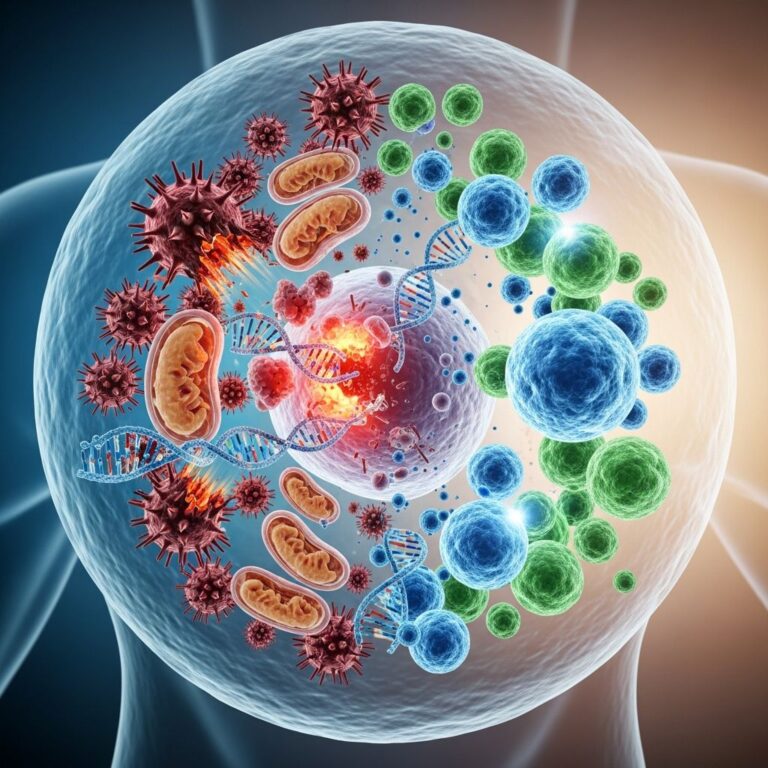
Cowpox: 5 Key Facts About Symptoms, Treatment, And Prevention
Viral skin infection from cowpox virus, now mainly from cats and rodents, causing pustular lesions that self-resolve.
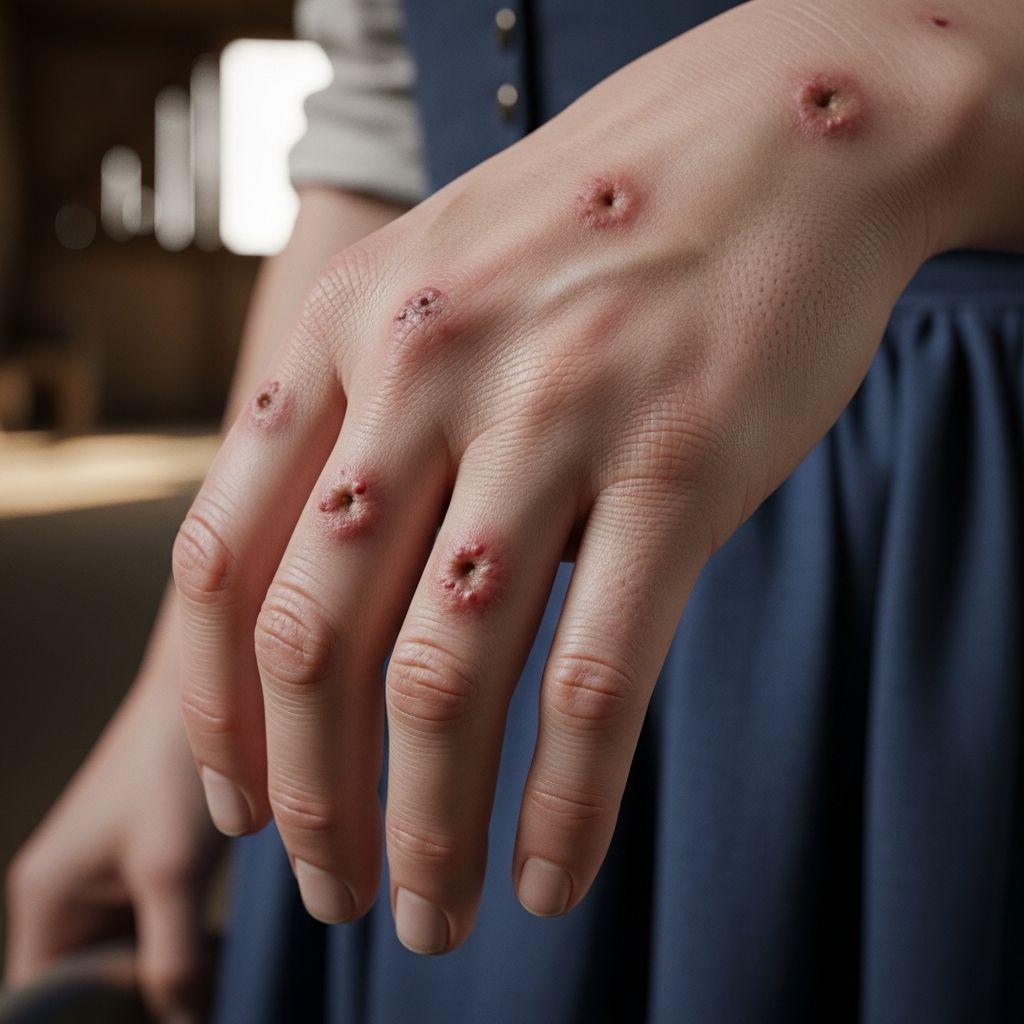
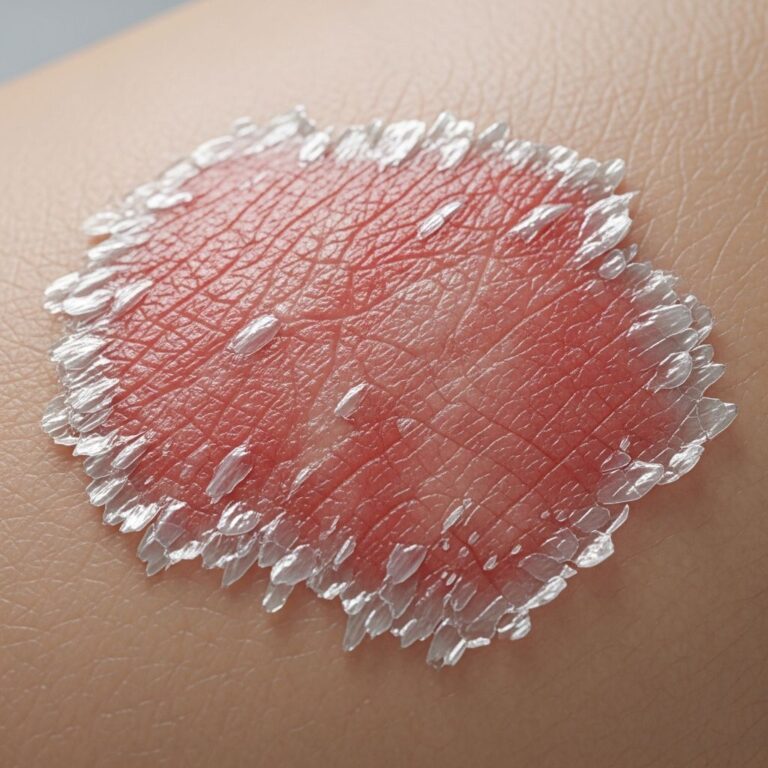
Cowpox is a viral skin infection caused by the cowpox virus, a member of the Orthopoxvirus genus in the Poxviridae family. This virus, related to the variola virus that caused smallpox, produces localized pustular lesions typically on the hands and face after animal contact. Unlike the eradicated smallpox, cowpox is mild and self-limiting in healthy individuals.
What is cowpox?
Cowpox virus (CPXV) infects a broad range of hosts, including cows, cats, rodents, horses, zoo animals, and humans. Historically named for udder infections in dairy cows transmitted to milkers, modern cases arise primarily from domestic cats and wild rodents in Europe, particularly Great Britain, Russia, and parts of continental Europe. The virus features a large double-stranded DNA genome and produces distinctive cytoplasmic inclusion bodies: A-type (acidophilic, homogeneous) and B-type (irregular).
The virus’s broad host range stems from its genetic diversity, with Eurasian distribution and rodent reservoirs suspected. Human infections remain rare but increasing, with about 40% of recent cases in a 2008–2011 outbreak. CPXV differs from vaccinia (used in smallpox vaccines) antigenically but shares cross-reactivity.
Who gets cowpox?
Individuals handling infected animals are at risk, including:
- Dairy farmers or milkers contacting cow udders/teats.
- Pet owners, especially cat handlers, as felines are common reservoirs today.
- Zoo workers or those near exotic animals, where lethal outbreaks occur.
- People with pets in endemic areas (Europe).
Immunocompromised patients, those with atopic dermatitis, or underlying skin conditions face higher risks of dissemination. Children, elderly, and pregnant individuals may experience worse outcomes, though fatalities are rare outside immunosuppression.
What causes cowpox?
Cowpox results from cowpox virus inoculation via skin abrasions during animal contact. Virus enters through cuts on hands from milking infected cows, handling cats/rodents with lesions, or fomites. Unlike airborne smallpox, cowpox is zoonotic, not person-to-person typically.
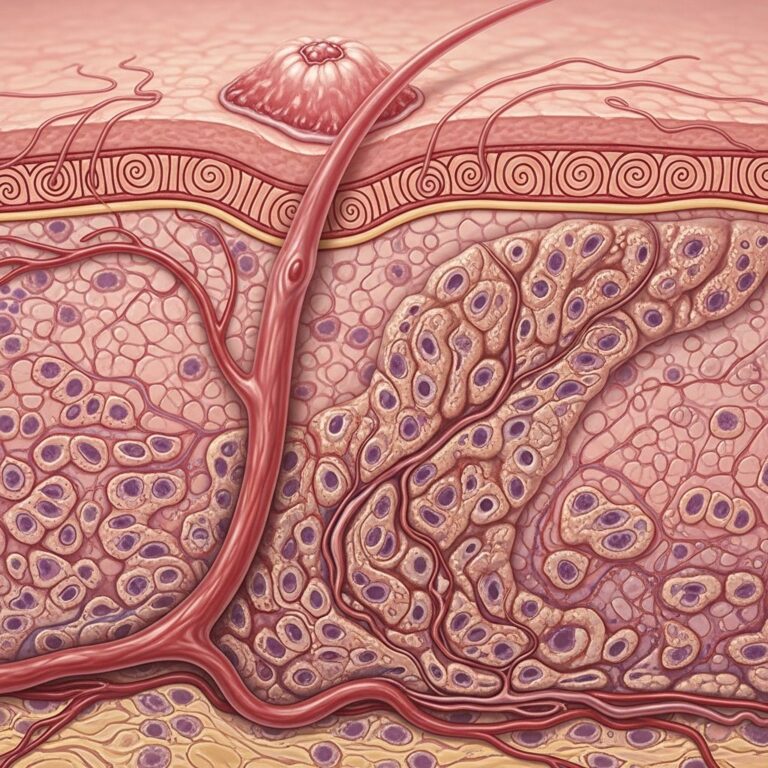
Pathologically, it causes ballooning degeneration of keratinocytes, eosinophilic cytoplasmic inclusions (Downie bodies or A-type), and mesodermal involvement with greater epithelial thickening than smallpox. Infected cells show proteinaceous matrices around viral particles.
What are the clinical features of cowpox?
Incubation lasts 7–12 days (typically 9–10). Prodrome includes flu-like symptoms: fever, myalgia, fatigue, vomiting, sore throat.
Skin lesions evolve over 12 weeks:
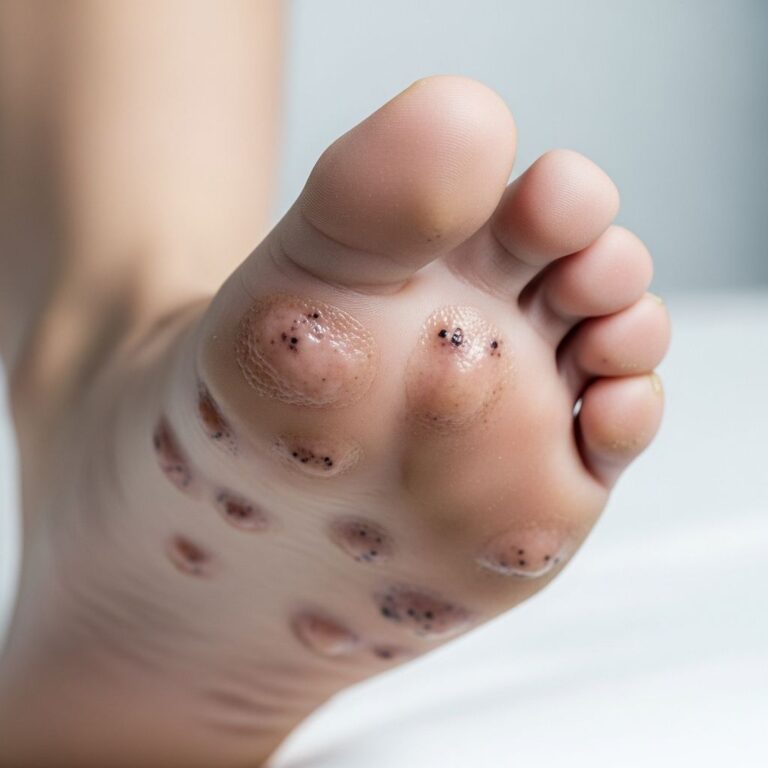
- Day 1–7: Macules/papules on hands (thumbs, fingers, interdigital), face, eyelids.
- Week 1–2: Vesicles → pustules, edematous, painful.
- Week 2–3: Hemorrhagic pustules, purple-black, forming eschar.
- Week 3–12: Black scab separates, healing with scars.
Lesions are solitary or few, unlike widespread smallpox. Lymphadenopathy (painful local nodes), conjunctivitis, periorbital edema, corneal issues possible. In cats/animals: multifocal crusts on face, paws.
In immunosuppressed: secondary lesions, dissemination, rare fatality.
Images of cowpox infection
(Note: Images typically show erythematous macules progressing to umbilicated pustules with surrounding erythema on fingers/hands, evolving to necrotic eschars. Surrounding edema exceeds orf; hemorrhagic pocks on egg CAM distinguish CPXV.)
Related Stories



Diagnosis of cowpox
Clinical suspicion from history (animal contact, lesion morphology) in endemic areas. Differentials: orf (less edema, parapox), milker’s nodules (parapox), anthrax (faster eschar), herpes, impetigo, MRSA.
| Feature | Cowpox | Orf | Anthrax |
|---|---|---|---|
| Onset of eschar | 3 weeks | ~4 weeks | 6 days |
| Edema | Marked | Mild | Mild-moderate |
| Transmission | Cows/cats/rodents | Sheep/goats | Bacillus anthracis |
| Flu symptoms | Present | Rare | Present |
Confirm via PCR, electron microscopy (brick-shaped virions), culture on CAM (hemorrhagic pocks), histopathology (A-type inclusions), serology (cross-reacts vaccinia/smallpox).
What is the treatment for cowpox?
Self-limiting; supportive care: rest, analgesia, wound care to prevent superinfection/spread. No specific antiviral routinely; vaccinia immunoglobulin or tecovirimat for severe/immunocompromised cases.
Bandage lesions, hand hygiene. Methisazone historically for high-risk. Scarring common; heals 6–12 weeks.
What is the outcome for cowpox?
Excellent in healthy: full recovery, possible scars. Complications: bacterial superinfection, ocular involvement, dissemination in at-risk groups (eczema, HIV, chemotherapy). Rare deaths in immunocompromised humans/animals.
Historical significance: Jenner’s 1796 use conferred smallpox immunity, birthing vaccination.
How can cowpox be prevented?
- Avoid contact with suspect animals; isolate infected pets/cows.
- Gloves for milking/handling; handwashing.
- Vaccinia vaccine may protect (cross-immunity), not routine.
- Surveillance in zoos, rodent control.
Frequently asked questions (FAQs) about cowpox
Q: Is cowpox contagious between humans?
A: Rare; primarily zoonotic. Autoinoculation or fomites possible, but no sustained chains.
Q: How long does cowpox last?
A: Lesions resolve in 6–12 weeks; systemic symptoms 1–3 weeks.
Q: Can cowpox be mistaken for monkeypox?
A: Yes; both orthopoxviruses. Monkeypox more systemic, lymphadenopathy prominent; PCR differentiates.
Q: Is cowpox deadly?
A: No in healthy; severe in immunocompromised.
Q: Where is cowpox found?
A: Europe (UK, Russia); emerging elsewhere via travel.
References
- Cowpox virus — Stanford University Virus Resource. Accessed 2026. https://virus.stanford.edu/pox/2000/cowpox_virus.html
- Viruses – Cowpox — Perri Dermatology. 2010-11-19. https://perridermatology.com/dr-perris-blog/viruses-cowpox/
- Cowpox – ATSU — A.T. Still University. Accessed 2026. https://www.atsu.edu/faculty/chamberlain/website/lectures/tritzid/cowpox.htm
- Cowpox – DermNet — DermNet NZ. Accessed 2026. https://dermnetnz.org/topics/cowpox
- Poxvirus infections in dermatology — Wiley Online Library (DOI:10.1111/ddg.15257). 2023. https://onlinelibrary.wiley.com/doi/10.1111/ddg.15257
- Cowpox Viruses: A Zoo Full of Viral Diversity — PMC (PMC9953750). 2023. https://pmc.ncbi.nlm.nih.gov/articles/PMC9953750/
Similar Articles








Read full bio of medha deb