Cow’s Milk Allergy: Symptoms, Diagnosis, And Treatment
Understand symptoms, diagnosis, and management of cow's milk allergy for better health outcomes in children and adults.
Cow’s milk allergy triggers an immune response to proteins in milk, affecting primarily infants and young children but persisting into adulthood for some. This condition differs from lactose intolerance, involving the immune system rather than digestion.
Understanding the Immune Response Behind Milk Allergy
The allergy stems from the body’s misidentification of milk proteins like casein and whey as threats. In IgE-mediated cases, immunoglobulin E antibodies bind to these proteins, prompting mast cells to release histamine, leading to rapid symptoms. Non-IgE reactions develop slower, often involving gut or skin issues over hours or days.
Factors increasing risk include family history of allergies and early exposure in high-risk infants. While most children outgrow it by school age, adults may experience persistent gut-focused symptoms like bloating or diarrhea.
Recognizing Immediate Symptoms
Immediate reactions occur within minutes to two hours of exposure. Common signs include:
- Hives or itchy red welts on the skin
- Tingling or itching around the mouth
- Vomiting or nausea
- Wheezing, cough, or shortness of breath
- Swelling of lips, tongue, or face
In severe instances, anaphylaxis emerges with throat tightness, difficulty breathing, dizziness, or collapse, demanding urgent intervention.
Identifying Delayed Reactions
Delayed symptoms mimic other conditions, complicating diagnosis. These appear hours to days later and include:
- Persistent diarrhea or bloody stools in infants
- Abdominal pain or colic
- Eczema or worsening skin rashes
- Reflux or poor weight gain in babies
Infants may show grayish skin or repeated vomiting 2-4 hours post-ingestion, signaling food protein-induced enterocolitis syndrome (FPIES).
Diagnosis Process Step-by-Step
Diagnosis relies on clinical history, elimination diets, and tests. Healthcare providers start with a detailed symptom and exposure history.
- Elimination Diet: Remove milk and dairy for 2-4 weeks; symptom improvement suggests allergy.
- Reintroduction Challenge: Supervised oral food challenge confirms reaction recurrence.
- Skin Prick Test: Drops allergen on skin, prick, and observe wheal formation for IgE response.
- Blood Tests: Measure specific IgE levels to milk proteins.
If symptoms persist post-elimination, other causes are explored. Anaphylaxis history prioritizes emergency protocols over testing.
Core Management: Strict Avoidance Strategies
Avoidance remains the cornerstone. Scan labels for hidden milk proteins like casein, whey, ghee, or lactalbumin in processed foods, baked goods, and medications.
| Common Hidden Sources | Safe Alternatives |
|---|---|
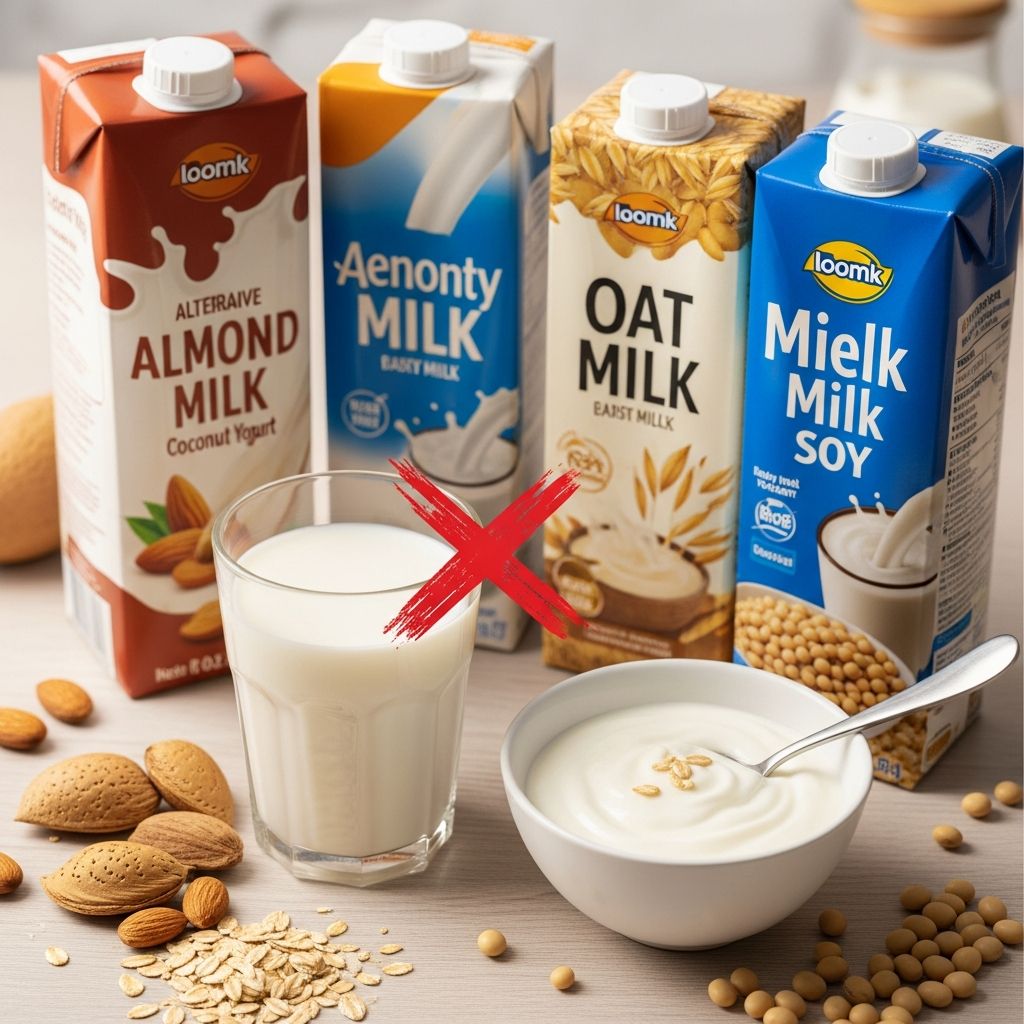
| Chocolate, bread, margarine | Plant-based milks (soy, almond, oat – check for cross-allergy) |
| Processed meats, soups | Fortified non-dairy beverages with calcium/vitamin D |
| Cosmetics with milk derivatives | Hypoallergenic formulas for infants (e.g., extensively hydrolyzed) |
Goat’s milk often cross-reacts due to similar proteins; sheep’s milk may too. Consult dietitians for balanced nutrition, supplementing calcium, vitamin D, and riboflavin as needed.
Emergency Response and Medications
Accidental exposure requires readiness. Antihistamines ease mild hives or itching; epinephrine auto-injectors (EpiPen) reverse anaphylaxis by relaxing airways and stabilizing blood pressure.
- Train on injector use: thigh injection, call emergency services post-use.
- Carry two doses always.
- For multi-system reactions (skin + breathing), prioritize epinephrine over antihistamines.
Related Stories



Healthcare providers prescribe based on reaction history.
Nutritional Planning for Milk-Free Living
Milk provides key nutrients; replacements ensure growth. Infants thrive on hydrolyzed formulas breaking down proteins to reduce allergenicity. Older children/adults use fortified plant milks, leafy greens, nuts, and fortified cereals.
Monitor for deficiencies via blood tests. Dietitians tailor plans, emphasizing variety to prevent malnutrition.
Outlook and Natural Resolution
Approximately 80% of children outgrow cow’s milk allergy by age 5-10, confirmed via challenges. Persistent cases in adults often involve non-IgE gut symptoms treatable by avoidance.
Regular allergist follow-ups assess tolerance, balancing risks of unnecessary restriction.
Emerging Treatments: Beyond Avoidance
Oral immunotherapy (OIT) builds tolerance via gradual milk protein doses under supervision, starting small and increasing. Suitable for select patients, it reduces reaction severity.
Baked milk therapy introduces tolerated forms first. Research advances, but availability varies; discuss with specialists.
Special Considerations for Infants and Breastfeeding
Breastfed babies may react to maternal dairy intake; moms eliminate milk if symptoms appear. Formula-fed infants switch to hypoallergenic options promptly.
Watch for FPIES in non-IgE cases, with delayed vomiting and lethargy.
Frequently Asked Questions (FAQs)
Is cow’s milk allergy the same as lactose intolerance?
No. Allergy is immune-mediated; intolerance is digestive enzyme deficiency causing gas/bloating without hives or anaphylaxis.
Can adults suddenly develop milk allergy?
Rare, but possible. Adults more often have non-IgE symptoms like IBS-like issues.
What if my child has mild eczema – is it always milk allergy?
Not always; elimination trial clarifies, as eczema has multiple triggers.
Are plant milks safe substitutes?
Often, but soy may cross-react in some; oat/almond usually fine. Verify nutrition labels.
How do I prepare for school or travel?
Inform caregivers, provide action plans, carry epinephrine, and pre-read menus/labels.
Preventing Reactions in Daily Life
Educate family on reading ingredients: avoid “non-fat milk,” “curds,” or “milk solids.” Restaurant dining? Ask about preparation cross-contamination.
For skin products, check for casein hydrolysate. Advocate at schools for allergy-safe policies.
References
- Milk Allergy | Causes, Symptoms & Treatment — ACAAI. 2023. https://acaai.org/allergies/allergic-conditions/food/milk-dairy/
- Cow’s milk allergy — Better Health Channel. 2023. https://www.betterhealth.vic.gov.au/health/conditionsandtreatments/cows-milk-allergy
- Milk Allergy: Causes, Symptoms, Diagnosis & Treatment — Cleveland Clinic. 2023-10-25. https://my.clevelandclinic.org/health/diseases/11315-milk-allergy
- Cow’s milk protein allergy (CMPA) — Children’s Hospital of Philadelphia. 2024. https://www.chop.edu/conditions-diseases/cows-milk-protein-allergy
- Cow Milk Allergy — NCBI StatPearls. 2023-08-07. https://www.ncbi.nlm.nih.gov/books/NBK542243/
- Cow’s Milk Allergy in Children: Symptoms and Diagnosis — Samitivej Hospitals. 2023. https://www.samitivejhospitals.com/article/detail/cows-milk-allergy-in-children-symptoms-and-diagnosis
Similar Articles








Read full bio of Sneha Tete