CPAP Therapy: Essential Guide To Setup, Use, And Care
Discover how CPAP machines transform sleep for those with apnea, from setup to long-term success.
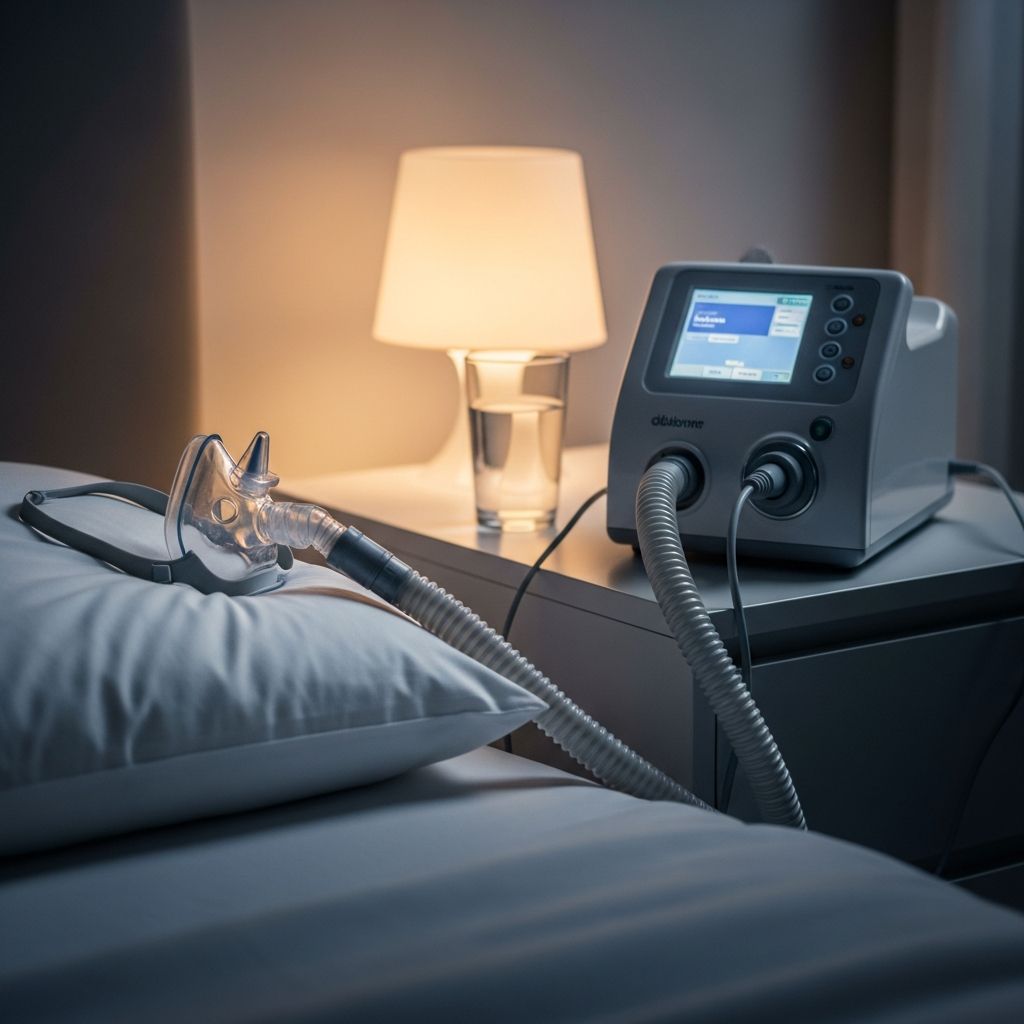
Continuous Positive Airway Pressure (CPAP) therapy represents a cornerstone treatment for obstructive sleep apnea (OSA) and related breathing disorders, delivering steady air pressure to maintain open airways during sleep.
Understanding Airway Obstruction in Sleep
Sleep apnea occurs when throat muscles relax excessively, causing the airway to narrow or collapse, leading to repeated breathing pauses. These episodes disrupt sleep, reduce oxygen levels, and increase health risks like hypertension and heart disease. CPAP counters this by providing constant positive pressure, acting as a pneumatic splint to prevent tissue collapse.
In OSA, the most common form, physical blockage from soft tissues predominates, unlike central sleep apnea where brain signals falter. Diagnosis typically involves polysomnography, confirming apneas lasting 10 seconds or more.
How CPAP Machines Function
A CPAP device comprises a bedside motor generating pressurized air, a flexible hose, and an interface like a mask or nasal pillows. The machine maintains fixed positive end-expiratory pressure (PEEP) throughout inhalation and exhalation, measured in centimeters of water (cm H2O).
Unlike ventilators, CPAP supports spontaneous breathing without augmenting inspiratory efforts. It stabilizes alveoli, boosts functional residual capacity, and optimizes ventilation-perfusion matching for better oxygenation. When breathing pauses, the continuous airflow gently reopens the airway without full awakenings.
Types of CPAP Devices Available
CPAP systems vary to suit individual needs:
- Fixed-Pressure CPAP: Delivers uniform pressure all night, ideal for stable OSA cases.
- Auto-Adjusting PAP (APAP): Dynamically modulates pressure based on real-time breathing, reducing it during normal phases.
- Bi-Level PAP (BiPAP): Offers higher inspiratory and lower expiratory pressures, suited for complex apnea or respiratory weakness.
Advanced models include humidifiers to prevent airway dryness and data trackers monitoring compliance and efficacy.
Interfaces: Masks and Nasal Options
Selecting the right interface is crucial for comfort and effectiveness. Options include:
| Type | Description | Best For |
|---|---|---|
| Nasal Mask | Covers the nose, sealing around the bridge and cheeks. | Mouth breathers who tape mouth or prefer less facial coverage. |
| Full-Face Mask | Encompasses nose and mouth. | Mouth breathers or nasal congestion sufferers. |
| Nasal Pillows | Soft inserts fit into nostrils. | Active sleepers or claustrophobia concerns. |
Proper fit minimizes leaks and pressure sores; custom sizing or trial fittings aid selection.
Getting Started with CPAP Therapy
Prescription follows sleep study confirmation of apnea. Providers demonstrate setup: plug in machine, attach hose to mask, adjust pressure per prescription (typically 4-20 cm H2O).
- Position machine bedside, below head level.
- Fill humidifier with distilled water if equipped.
- Put on mask, use headgear straps for snug but non-tight fit.
- Start machine, lie down, and breathe normally.
Ramp features gradually increase pressure from low to therapeutic levels, easing adaptation.
Daily Maintenance for Optimal Performance
Regular cleaning prevents bacterial growth and ensures functionality:
- Daily: Wash mask, headgear, and pillows with mild soap; air dry.
- Weekly: Clean hose and humidifier chamber; replace water.
- Monthly: Inspect filters, replace as needed.
Related Stories



Avoid harsh chemicals; follow manufacturer guidelines. Data cards or apps track usage, aiding provider adjustments.
Health Benefits of Consistent CPAP Use
Adherent therapy yields profound improvements:
- Eliminates apneas, snoring, and choking episodes.
- Enhances sleep architecture for restorative rest.
- Reduces daytime fatigue, improves cognition and mood.
- Lowers cardiovascular risks, blood pressure, and diabetes incidence.
- Boosts overall quality of life.
In acute settings, CPAP aids pulmonary edema and weaning from ventilators.
Navigating Common Side Effects
Initial discomfort affects 30-50% of users, but most adapt within weeks. Challenges include:
- Dryness: Use heated humidification.
- Mask Leaks/Discomfort: Refit or switch types.
- Claustrophobia: Practice daytime use; desensitization.
- Bloating/Air Swallowing: Lower pressure or anti-swallow techniques.
Consult providers for tweaks; bilevel options help severe cases.
Troubleshooting Your CPAP Setup
Persistent issues require systematic checks:
| Problem | Solution |
|---|---|
| Air leaks | Reposition mask; tighten/loosen straps; replace cushions. |
| High noise | Use quieter model; place on rubber mat. |
| Machine errors | Check filters/hoses; reset or service. |
| Poor sleep | Review data with clinician; adjust settings. |
Travel adaptations include battery packs and universal voltage.[10]
Lifestyle Integration and Long-Term Success
Combine CPAP with weight management, alcohol avoidance, and positional therapy for synergy. Support groups and apps foster adherence; aim for 4+ hours nightly.
Regular follow-ups (1-3 months initially) optimize therapy via compliance reports.
Alternatives When CPAP Isn’t Ideal
For intolerance, consider oral appliances, surgery, or hypoglossal nerve stimulation. BiPAP or adaptive servo-ventilation suit specific apneas.
Frequently Asked Questions
Is CPAP safe for long-term use?
Yes, decades of data confirm safety and efficacy with proper maintenance.
Can children use CPAP?
Pediatric versions treat congenital or acquired apneas under specialist guidance.
How soon do benefits appear?
Many notice improvements in days; full effects in weeks.
Does insurance cover CPAP?
Often yes, post-sleep study; check provider policies.
Can I travel with CPAP?
Absolutely; FAA-approved, use TSA notifications for screening.[10]
References
- Continuous Positive Airway Pressure (CPAP) — Yale Medicine. 2023. https://www.yalemedicine.org/clinical-keywords/continuous-positive-airway-pressure
- Continuous Positive Airway Pressure – StatPearls — NCBI Bookshelf. 2023-10-30. https://www.ncbi.nlm.nih.gov/books/NBK482178/
- Continuous positive airway pressure (CPAP) — My Health Alberta. 2023. https://myhealth.alberta.ca/Health/pages/conditions.aspx?hwid=ug2274
- What is CPAP (Continuous Positive Airway Pressure) — ResMed. 2023. https://www.resmed.com/en-us/sleep-health/blog/what-is-cpap/
- CPAP: Continuous Positive Airway Pressure — Sleep Foundation. 2023. https://www.sleepfoundation.org/cpap
- Continuous Positive Airway Pressure (CPAP) — Sleep Education. 2023. https://sleepeducation.org/patients/cpap/
Similar Articles








Read full bio of medha deb