CPTSD Symptoms: Signs, Diagnosis, And Treatment Guide
Understand the signs, causes, and treatments for Complex PTSD from prolonged trauma exposure.
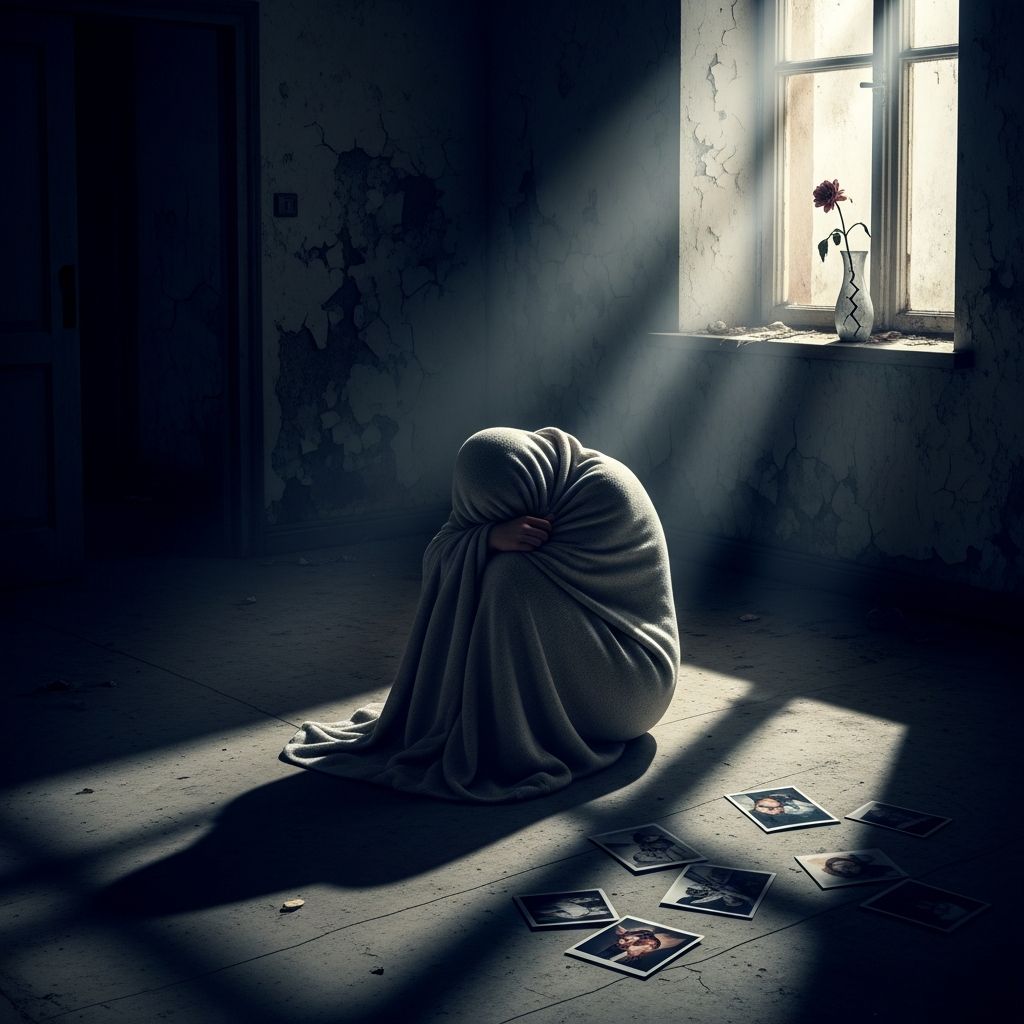
Complex post-traumatic stress disorder (**CPTSD**) develops from prolonged or repeated trauma, such as childhood abuse or domestic violence, differing from standard PTSD tied to single events. It encompasses core PTSD symptoms like flashbacks and avoidance, plus unique disturbances in emotion regulation, self-perception, and relationships.
What Is Complex PTSD?
CPTSD, recognized in the
ICD-11
since 2022, affects individuals exposed to chronic interpersonal trauma over months or years, often starting in childhood. Unlike PTSD from isolated incidents like accidents, CPTSD involves sustained stress leading to deeper psychological impacts, including altered brain structures observed in neuroimaging studies.Experts estimate CPTSD prevalence at 1% to 8% globally, though underdiagnosis occurs due to its recency. It shares PTSD’s re-experiencing, avoidance, and hyperarousal but adds three hallmark clusters: affective dysregulation, negative self-concept, and relational dysfunction.
Symptoms of Complex PTSD
CPTSD symptoms mirror PTSD’s four clusters—intrusive memories, avoidance, negative cognitions/mood, and arousal changes—but extend to profound self and relational issues. Symptoms must persist over a month, impair daily functioning, and stem from qualifying trauma.
Core PTSD Symptoms in CPTSD
- Re-experiencing: Flashbacks, nightmares, or intense distress from trauma reminders, reliving events as if current.
- Avoidance: Steering clear of thoughts, feelings, people, or places linked to trauma.
- Sense of threat/hyperarousal: Hypervigilance, exaggerated startle response, irritability, concentration issues, sleep disturbances.
Additional CPTSD-Specific Symptoms
Beyond PTSD, CPTSD features:
- Emotional dysregulation: Persistent sadness, explosive anger, shame, guilt; trouble modulating feelings, leading to self-harm or substance use.
- Negative self-concept: Feelings of worthlessness, failure, guilt, shame; viewing oneself as damaged, ugly, or unlovable; low self-esteem and self-hatred.
- Relationship disturbances: Difficulty trusting others, feeling detached or disconnected; challenges forming/maintaining bonds, isolation, or dysfunctional interactions.
Other signs include somatic complaints, dissociation, chronic emptiness, and paranoia-like vigilance without delusions.
CPTSD vs. PTSD: Key Differences
PTSD typically follows brief trauma (e.g., assault, disaster), while CPTSD stems from extended abuse. The table below contrasts them:
| Aspect | PTSD | CPTSD |
|---|---|---|
| Trauma Type | Single/short-term event | Prolonged/repeated, often interpersonal |
| Core Symptoms | Re-experiencing, avoidance, hyperarousal, negative mood | All PTSD symptoms + emotion dysregulation, negative self-concept, relational issues |
| Brain Impact | Changes in fear circuits | More severe alterations in emotion/self-regulation areas |
| Diagnosis | DSM-5 | ICD-11 (not in DSM-5) |
Causes and Risk Factors
CPTSD arises from ‘complex trauma’: ongoing threats like child maltreatment, human trafficking, prisoner abuse, or intimate partner violence. Early-life adversity heightens risk due to developmental impacts on attachment and emotion processing.
Risk factors include:
- Childhood neglect or emotional abuse
- Prolonged captivity or domestic violence
- Lack of support post-trauma
- Pre-existing mental health conditions
Genetic vulnerability and neurobiological changes, like heightened amygdala activity, contribute.
Effects on Daily Life
CPTSD profoundly disrupts work, relationships, and health. Hypervigilance causes exhaustion; emotional volatility strains bonds; negative self-view fuels isolation and depression. Physical symptoms like gastrointestinal issues or chronic pain often accompany.
Untreated, it raises risks for substance abuse, suicidality, and comorbidities like borderline personality disorder (BPD), though distinct—BPD emphasizes instability, CPTSD trauma-specificity.
Diagnosis of CPTSD
No lab test exists; diagnosis relies on clinical interviews assessing trauma history and symptoms per ICD-11 criteria. Providers evaluate:
Related Stories



- Exposure to prolonged trauma
- All PTSD symptom clusters
- At least one additional cluster (emotions, self, relationships)
- Symptom duration and impairment
Challenges: Many clinicians default to PTSD; self-report tools aid but aren’t definitive.
Treatment for Complex PTSD
Treatment mirrors PTSD but addresses CPTSD’s complexities via phase-based approaches: safety/stabilization, trauma processing, reconnection.
Psychotherapy
- Trauma-Focused CBT (TF-CBT): Restructures thoughts, builds coping.
- Eye Movement Desensitization and Reprocessing (EMDR): Processes memories via bilateral stimulation.
- Exposure Therapy: Gradual confrontation of triggers to reduce fear.
- Dialectical Behavior Therapy (DBT): Ideal for emotion regulation, common in CPTSD/BPD overlap.
Medications
No CPTSD-specific drugs; antidepressants (SSRIs like sertraline) target anxiety/depression; prazosin aids nightmares; anxiolytics used cautiously.
Self-Care and Support
- Mindfulness, yoga, exercise for regulation
- Support groups, peer networks
- Journaling, grounding techniques
Recovery is possible with consistent treatment; many regain functioning.
Coping Strategies
Daily tools include:
- Grounding: 5-4-3-2-1 sensory exercise during distress
- Boundaries: Limit toxic relationships
- Routine: Sleep hygiene, nutrition
- Professional help: Therapy adherence
Build self-compassion to counter negative self-concept.
Frequently Asked Questions (FAQs)
What is the difference between PTSD and CPTSD?
PTSD follows single events; CPTSD from chronic trauma, adding emotion/self/relationship issues.
Can CPTSD develop from emotional abuse?
Yes, prolonged emotional neglect or abuse qualifies as complex trauma.
Is CPTSD curable?
Not ‘cured’ but highly treatable; symptoms remit with therapy.
How is CPTSD diagnosed?
Via ICD-11 criteria assessing trauma and symptom clusters by a clinician.
What are common CPTSD triggers?
Reminders of abuse: arguments, abandonment cues, intimacy.
References
- CPTSD (Complex PTSD): What It Is, Symptoms & Treatment — Cleveland Clinic. 2023. https://my.clevelandclinic.org/health/diseases/24881-cptsd-complex-ptsd
- Post-traumatic stress disorder (PTSD) – Symptoms and causes — Mayo Clinic. 2023. https://www.mayoclinic.org/diseases-conditions/post-traumatic-stress-disorder/symptoms-causes/syc-20355967
- Complex PTSD: Clinical Syndrome or Psychiatric Disorder Features? — PMC (NCBI). 2018-03-15. https://pmc.ncbi.nlm.nih.gov/articles/PMC5862650/
- Complex Post Traumatic Stress Disorder (C-PTSD) — The School of Life (YouTube transcript). 2020-09-02. https://www.youtube.com/watch?v=qOibW5LXt3w
- Complex PTSD — NHS UK. 2023. https://www.nhs.uk/mental-health/conditions/post-traumatic-stress-disorder-ptsd/complex/
- Complex PTSD — PTSD: National Center for PTSD (VA.gov). 2023. https://www.ptsd.va.gov/understand/what/complex_ptsd.asp
Similar Articles








Read full bio of Sneha Tete