Cracked Heels: Expert-Reviewed Causes, Treatments & Prevention
Learn about the causes, symptoms, prevention, and effective treatments for cracked heels or heel fissures.
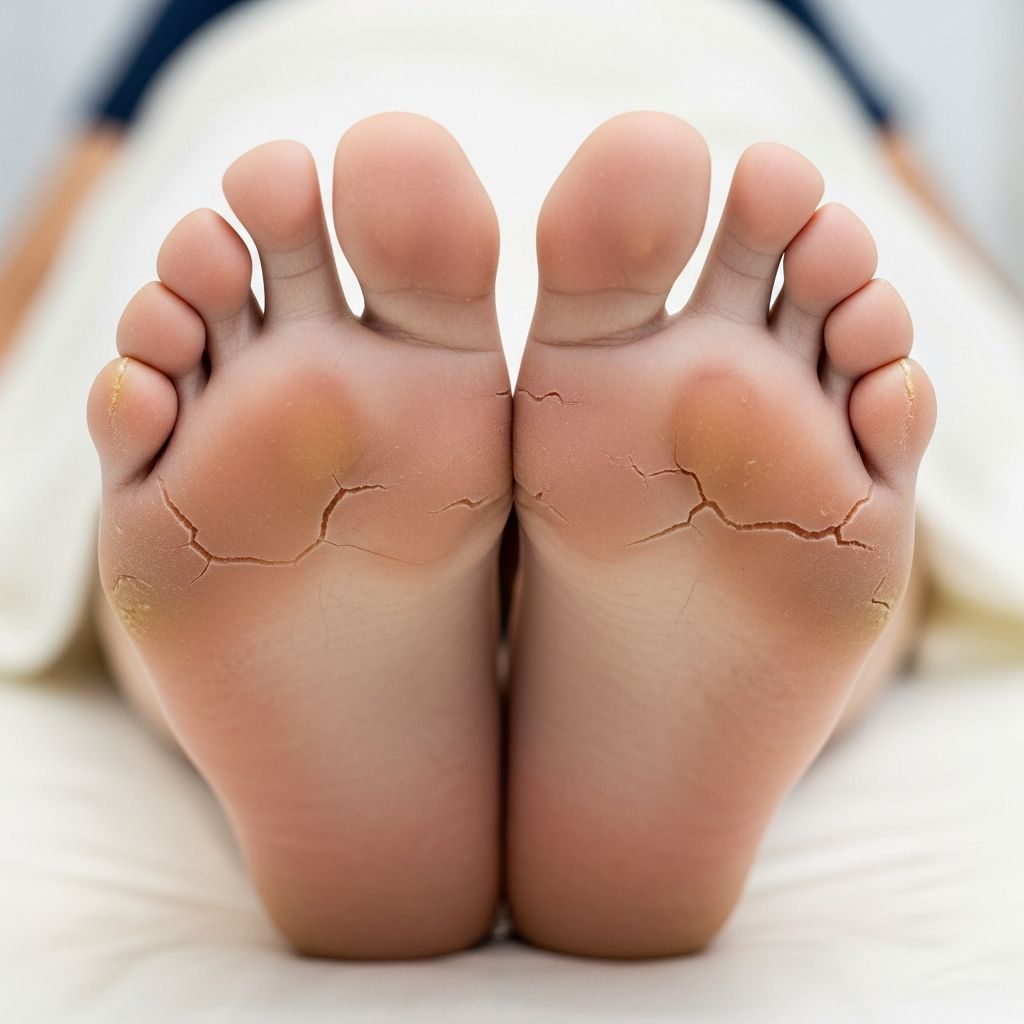
Cracked heels, medically termed heel fissures, are a frequent dermatological issue characterised by dry, thickened skin around the heel that splits open. These fissures can vary from superficial cracks causing cosmetic concern to deep, painful lesions prone to bleeding and infection. Predominantly affecting adults, particularly women and older individuals, cracked heels arise from a mix of environmental, lifestyle, and medical factors exerting mechanical stress on already compromised skin.
What causes cracked heels?
The skin on the heels is thicker to absorb walking impact, but when dry or callused, it loses elasticity and cracks under pressure from the heel fat pad expansion. Key contributing factors include:
- Dry skin (xerosis): Low humidity, cold weather, or excessive washing strips natural oils, making skin brittle.
- Prolonged standing or walking: Especially on hard floors, common in occupations like teaching or retail.
- Open-backed shoes or barefoot walking: Lack of support allows heel skin to rub and dry out.
- Obesity: Extra body weight increases heel pressure.
- Medical conditions: Diabetes impairs skin hydration and healing; psoriasis, eczema, or fungal infections cause scaling; thyroid disorders or Sjögren syndrome affect moisture.
- Nutritional deficiencies: Lack of vitamins A, C, E, zinc, or omega-3 fatty acids hinders skin repair.
- Poor hygiene or habits: Hot showers, infrequent moisturizing, or sweaty feet exacerbate dryness.
Clinical features of heel fissures
Cracked heels progress in stages. Initially, heels feel tight during prolonged standing. Dry, itchy skin develops, turning yellow-brown and hard. Calluses form around the heel rim, cracking under pressure. Superficial fissures cause discomfort; deeper ones bleed, flake, or flake white/yellow skin.
Symptoms include:
- Pain or tenderness when walking or bearing weight.
- Itching, flaking, or peeling skin.
- Visible cracks, sometimes 1-2 cm deep.
- Infection signs: redness, swelling, pus, or warmth.
Complications of cracked heels
Untreated fissures can deepen, bleed, and invite bacterial infection like cellulitis. For diabetics or those with neuropathy, reduced sensation delays detection, risking ulcers or osteomyelitis. Fungal superinfections may occur, worsening scaling.
Diagnosis
Diagnosis is clinical, based on history and examination of heel skin. Dermoscopy may reveal hyperkeratosis or infection. Biopsy is rare but used for atypical cases suspecting malignancy or inflammatory disease. Blood tests screen for diabetes, thyroid issues, or deficiencies if systemic causes suspected.
What is the treatment for cracked heels?
Treatment addresses dryness, removes excess skin, and reduces pressure. Combine home care with professional intervention for best results.
Home remedies
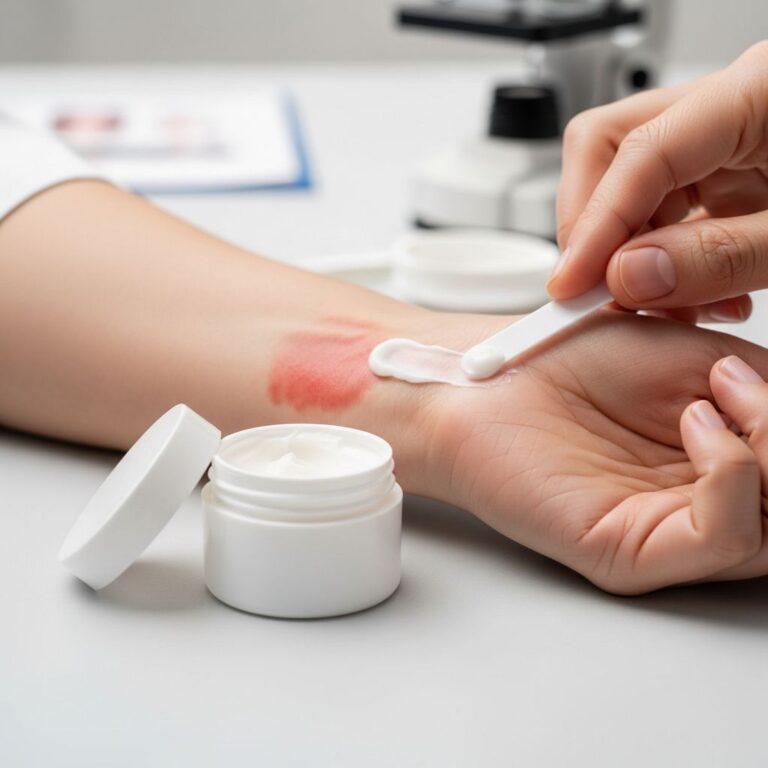
- Moisturize frequently: Apply thick emollients (urea 10-25%, lactic acid, or petroleum jelly) twice daily, especially post-bath. Urea exfoliates and hydrates[10].
- Foot soaks: 10-20 minutes in lukewarm water with Epsom salt, followed by gentle pumice filing (avoid over-scrubbing)[10].
- Occlusion: Cover with plastic wrap or socks overnight to enhance absorption[10].
- Wear socks: Cotton or breathable pairs; avoid open heels.
Professional treatments
| Treatment | Description | Benefits |
|---|---|---|
| Debridement | Scalpel removal of calluses | Immediate relief, smoother skin |
| Topical keratolytics | Prescription urea (40%) or salicylic acid | Deep hydration, debridement |
| Heel strapping/bandaging | Felt padding or tape to offload pressure | Promotes healing |
| Antibiotics/antifungals | For infected cases | Prevents complications |
| Orthotics | Custom insoles | Redistributes pressure |
Related Stories



Severe or non-responsive cases may require referral to a podiatrist or dermatologist.
How can cracked heels be prevented?
- Daily moisturizing routine, focusing on heels.
- Closed, supportive footwear; avoid sandals/flip-flops.
- Balanced diet rich in vitamins, hydration (2-3L water daily).
- Limit standing time; use anti-fatigue mats.
- Manage underlying conditions like diabetes.
- Regular foot checks, especially for at-risk groups.
Related topics
- Dry skin
- Calluses and corns
- Diabetic foot complications
- Psoriasis
- Fungal foot infections
Frequently asked questions
Are cracked heels a sign of diabetes?
They can be, as diabetes causes neuropathy and poor healing, but dry skin is more common. Consult a doctor for screening.
Can I use a razor on cracked heels?
No, risk of injury and infection. Use pumice or seek professional debridement.
How long do cracked heels take to heal?
1-2 weeks with consistent care; deeper fissures may need 4-6 weeks.
Is there a cream that permanently cures cracked heels?
No cure, but maintenance with urea-based balms prevents recurrence[10].
When should I see a podiatrist?
If pain persists, bleeding occurs, or infection signs appear.
References
- Cracked Heels – Causes, Symptoms & Treatments — Elite Foot Care. 2024. https://elitefootcare.com.au/cracked-heels/
- Cracked Heels 101: Causes, Symptoms and Treatment — Scholl UK. 2024. https://www.scholl.co.uk/blogs/all-about-feet/learn-about-the-causes-and-how-to-prevent-cracked-heels
- Cracked Heels: Causes, Symptoms & Treatment — The Foot Hub. 2024. https://thefoothub.com.au/cracked-heels/
- Understanding Cracked Heels: Causes, Prevention, and Treatment — FootCare Clinic. 2024-08-30. https://www.footcareclinic.ie/2024/08/30/understanding-cracked-heels-causes-prevention-and-treatment/
- Cracked Heels: Causes, Treatment, and Prevention — DD Podiatry. 2024-11-23. https://www.ddpodiatry.com/blog-posts/cracked-heels-causes-treatment-and-prevention
- Cracked Heels: Causes, Symptoms & Treatment — The Feet People. 2024. https://www.thefeetpeople.com.au/symptoms-we-treat/cracked-heels/
- Cracked Heels | Causes, Care & Treatment in Singapore — Physio and Sole. 2024. https://physioandsole.com.sg/podiatry-conditions/cracked-heels/
Similar Articles








Read full bio of Sneha Tete