Cracked Heels: Causes, Remedies, And A Step-By-Step Care Plan
Discover effective strategies to heal, prevent, and manage cracked heels for smoother, pain-free feet.
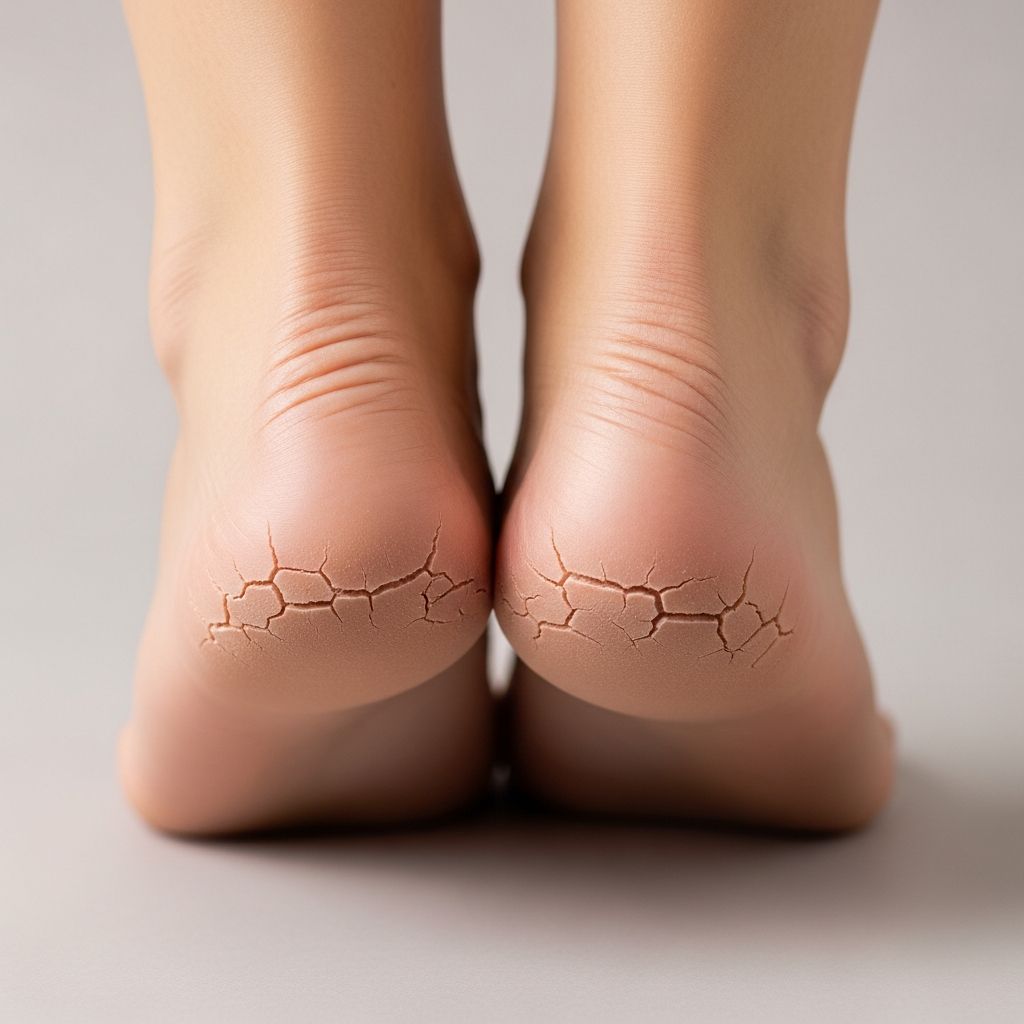
Cracked heels, medically termed heel fissures, develop when the skin on the heels dries out and splits due to pressure from walking or standing. This common issue affects many people, starting as minor dryness but potentially leading to pain and complications if ignored.
Recognizing the Early Signs of Heel Fissures
The condition often begins subtly. Initial symptoms include tightness around the heels during prolonged standing, followed by intense dryness, itching, and tenderness. Skin may harden, turn yellow or brown, and flake off. As cracks form, they deepen, causing discomfort with each step and sometimes bleeding.
- Dry, thickened skin around the heel edges, often yellowish.
- Itching or flaking as moisture depletes.
- Pain on weight-bearing, escalating with deeper fissures.
- Bleeding or infection signs like redness, swelling, or pus in severe cases.
These signs signal the need for intervention to avoid progression.
Primary Causes Behind Cracked Heels
Dry skin is the leading factor, making heels brittle and prone to splitting under pressure. The heel skin, naturally thicker, loses elasticity when dehydrated, exacerbated by daily foot stress.
Environmental and Lifestyle Contributors
- Low humidity or cold weather: Reduces skin moisture, common in winter.
- Prolonged standing on hard floors, especially for overweight individuals increasing heel pressure.
- Open-back shoes or barefoot walking: Exposes heels to drying elements.
- Frequent water exposure: Washes away natural oils, ironically worsening dryness.
Health-Related Risk Factors
Certain conditions heighten vulnerability. Diabetes impairs circulation and nerve function, slowing healing and raising infection risk. Obesity adds mechanical stress, while issues like psoriasis, eczema, thyroid imbalances, or fungal infections dry out skin further.
| Risk Factor | Impact on Heels |
|---|---|
| Diabetes | Reduced blood flow delays healing; higher ulcer risk. |
| Obesity | Increased pressure thickens skin, leading to cracks. |
| Fungal Infections | Dries skin, promoting fissures. |
| Poor Circulation | Hinders moisture retention and repair. |
Age-related decline in oil production also contributes, particularly in athletes or those with active lifestyles.
Effective Home Treatments for Healing Cracked Heels
Most cases respond well to consistent home care focusing on hydration and exfoliation. Start with daily routines to restore skin integrity.
Step-by-Step Daily Routine
- Soak feet: 10-15 minutes in warm, soapy water to soften skin.
- Gently exfoliate: Use a pumice stone on wet heels to remove dead skin; avoid over-scrubbing.
- Moisturize deeply: Apply thick creams with urea, petrolatum, or emollients like Eucerin twice daily, especially at night. Wear cotton socks overnight for occlusion.
Urea-based balms penetrate thickened skin effectively. For quick relief, over-the-counter ointments provide hydration.
Additional Home Remedies
- Honey or oatmeal soaks for natural antibacterial effects.
- Avoid hot showers; opt for lukewarm to preserve oils.
- Lemon juice or vinegar rinses to mildly exfoliate, followed by moisturizer.
Consistency yields results in 1-2 weeks.
Related Stories



Professional Interventions for Stubborn Cases
When home efforts fall short, podiatrists offer targeted solutions. They debride calluses with scalpel, apply therapeutic dressings, and assess biomechanics.
- Debridement: Removes hard skin professionally.
- Prescription creams: Stronger urea (20-40%) or steroids for inflammation.
- Custom orthotics: For flat feet or pressure issues.
- Treatment for underlying issues: Antifungals or diabetes management.
Seek help for deep, bleeding cracks or infections to prevent complications.
Prevention Strategies for Long-Term Heel Health
Proactive measures keep heels smooth. Daily moisturizing is key, alongside supportive habits.
- Choose closed-back shoes with cushioning.
- Maintain healthy weight to reduce pressure.
- Stay hydrated; drink water and use humidifiers in dry climates.
- Regular foot checks, especially for diabetics.
- Avoid barefoot walking on rough surfaces.
Podiatrist visits every 6-8 weeks for maintenance debridement benefit high-risk individuals.
When to Consult a Healthcare Professional
Not all cracks need experts, but watch for red flags.
- Persistent pain despite home care.
- Signs of infection: redness, pus, fever.
- Bleeding or deep fissures exposing tissue.
- Diabetes or circulatory conditions present.
Early professional input averts serious issues like cellulitis or ulcers.
Frequently Asked Questions (FAQs)
Can cracked heels heal on their own?
Superficial ones may improve with moisture, but deeper fissures often require treatment to heal fully.
Is it safe to use pumice stones daily?
Gently, yes, after soaking; overuse irritates skin.
Do cracked heels indicate diabetes?
Not always, but diabetics face higher risks and slower healing.
How long until I see improvement?
1-2 weeks with diligent care; professional help speeds severe cases.
Are there dietary tips for heel health?
Omega-3s, zinc, and hydration support skin; consult for deficiencies.
Daily Foot Care Routine Table
| Time | Action | Tips |
|---|---|---|
| Morning | Moisturize | Light cream; wear socks if possible. |
| Evening | Soak + Exfoliate + Heavy Moisturize | 10 min soak, pumice, urea cream, overnight socks. |
| Weekly | Podiatrist check (if needed) | For high-risk feet. |
Adopting this routine minimizes recurrence.
References
- Causes and Treatment of Cracked Heels — LP Foot and Ankle. Accessed 2026. https://www.lpfootandankle.com/blogs/item/537-causes-and-treatment-of-cracked-heels
- Understanding Cracked Heels: Causes, Prevention, and Treatment — Footcare Clinic. 2024-08-30. https://www.footcareclinic.ie/2024/08/30/understanding-cracked-heels-causes-prevention-and-treatment/
- Cracked Heels 101: Causes, Symptoms and Treatment — Scholl. Accessed 2026. https://www.scholl.co.uk/blogs/all-about-feet/learn-about-the-causes-and-how-to-prevent-cracked-heels
- Cracked Heels: Causes, Symptoms, Treatment and Prevention — Foot Centre Group. Accessed 2026. https://www.footcentregroup.com.au/blog-cracked-heels/
- Cracked Heels: Causes, Treatment, and Prevention — DD Podiatry. 2024-11-23. https://www.ddpodiatry.com/blog-posts/cracked-heels-causes-treatment-and-prevention
- Cracked Heels: Causes, Symptoms & Treatment — The Feet People. Accessed 2026. https://www.thefeetpeople.com.au/symptoms-we-treat/cracked-heels/
Similar Articles








Read full bio of Sneha Tete