Cranberry: Health Benefits and Research Evidence
Discover the science-backed health benefits of cranberries for urinary tract and overall wellness.
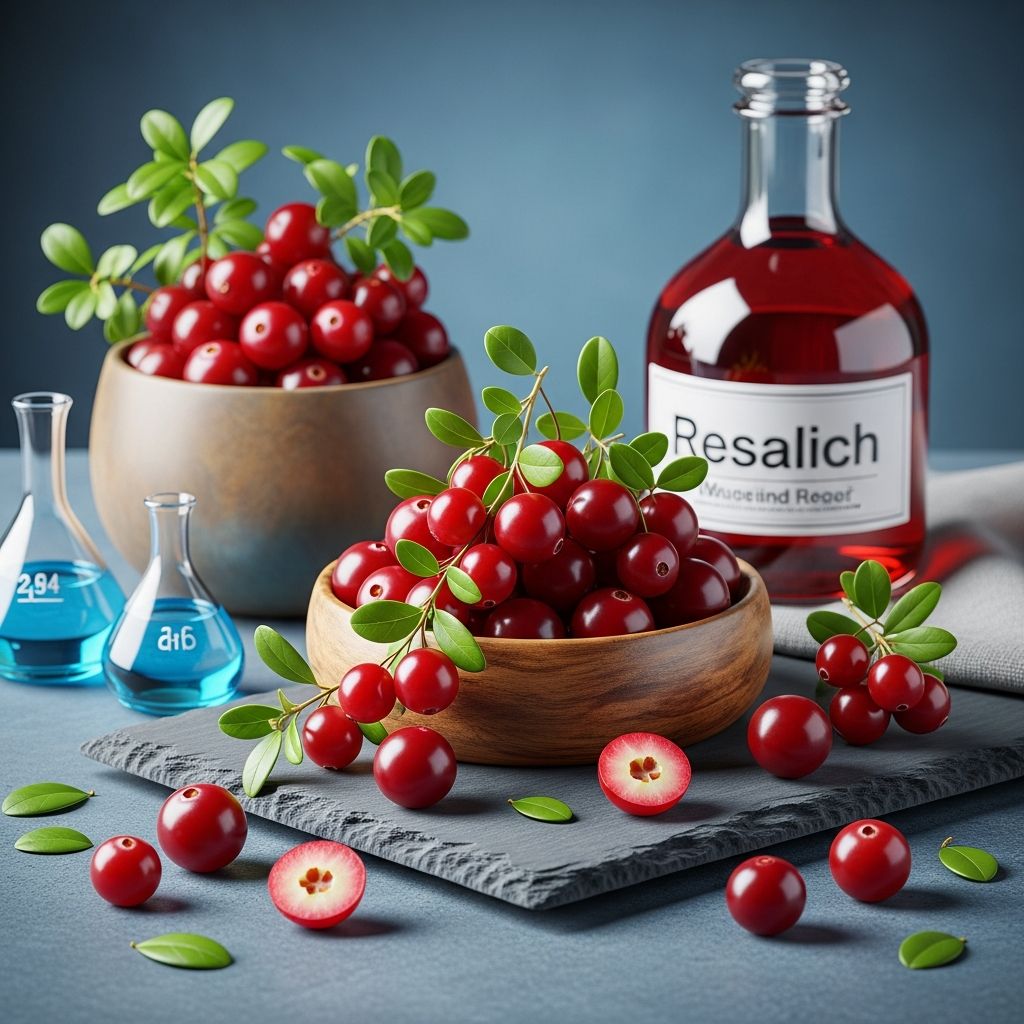
Cranberries are a nutrient-dense superfruit that have gained significant attention in scientific research for their diverse health-promoting properties. Native to North America, these small red berries contain powerful bioactive compounds that make them uniquely beneficial for various aspects of human health. This comprehensive guide explores what research reveals about cranberry’s therapeutic potential and how this traditional remedy is being validated by modern science.
What Makes Cranberries Special
Cranberries stand out among fruits due to their exceptional composition of bioactive compounds. The primary active ingredient responsible for many of cranberry’s health benefits is a specialized type of polyphenol called proanthocyanidin (PAC). What distinguishes cranberries from other berries is their high content of A-type PACs, which have unique structural properties that give them superior antimicrobial and anti-inflammatory capabilities.
Beyond PACs, cranberries contain a rich array of other beneficial compounds including anthocyanins, flavonoids, and isoprenoids. These compounds work synergistically to provide antioxidant protection, reduce inflammation, and support various physiological systems. The combination of these bioactive constituents makes cranberries one of nature’s most potent functional foods.
Urinary Tract Health and Infection Prevention
How Cranberries Work Against UTIs
One of the most extensively researched benefits of cranberries is their role in preventing urinary tract infections (UTIs). The mechanism is elegant and well-documented: cranberry PACs prevent pathogenic bacteria from adhering to the walls of the urinary tract. Bacterial adhesion is the critical first step in the infection process, and by blocking this step, cranberries can effectively prevent infections from developing.
The A-type PACs in cranberries interfere with the colonization process by pathogenic bacteria, particularly extraintestinal pathogenic Escherichia coli (AIEC), which is a common cause of recurrent UTIs. This antimicrobial action occurs primarily in the urinary tract itself, and interestingly, it doesn’t require the PACs to be absorbed into the bloodstream.
Clinical Research Findings
Recent systematic reviews and meta-analyses have provided compelling evidence for cranberry’s effectiveness. According to a 2023 Cochrane review, cranberry products may decrease the overall risk of symptomatic, recurrent UTIs in women by 25 percent, and in some cases, by more than 30 percent. A 2012 systematic review and meta-analysis of 13 randomized controlled trials similarly suggested that cranberry may help reduce the risk of UTIs in certain groups.
However, it’s important to note that while cranberry shows promise for prevention, it is not recommended as a treatment for existing UTIs. Additionally, the effectiveness can vary among individuals, and more research is needed to establish optimal dosing and to identify which populations benefit most from cranberry supplementation.
Gut Health and Microbiota Support
Strengthening the Gut Barrier
Emerging research reveals that cranberry polyphenols play a significant role in supporting gut health and maintaining the integrity of the intestinal barrier. A healthy gut microbiome supports the structural integrity of the gut barrier, which acts as a protective wall preventing harmful substances from leaking into the body. When this barrier is compromised, it can lead to increased intestinal permeability and chronic inflammation.
Related Stories



Cranberry polyphenols help support both the gut barrier and the mucosal lining of the urinary tract through multiple mechanisms. Studies have shown that cranberry components attenuate gut barrier dysfunction caused by dietary stress, such as high-fat, high-sugar diets. This protective effect is mediated through reductions in plasma lipopolysaccharides (LPS), inflammatory markers, and oxidative stress mediators.
Promoting Beneficial Bacteria
The 2005-2010 National Health and Nutrition Examination Survey (NHANES) found that cranberries are among the foods associated with higher diversity of gut microbiota (DI-GM), which has been linked to lower rates of constipation. A diverse and balanced gut microbiome is associated with numerous health benefits, including improved immune function, better metabolic health, and reduced inflammation.
Beyond promoting beneficial bacteria, cranberry polyphenols work through complex interactions with the gut microbiota. The bioactive catabolites produced when cranberry compounds are metabolized by gut bacteria contribute to anti-inflammatory mechanisms throughout the body. This represents a sophisticated example of how plant compounds can work in harmony with the human microbiome to support overall health.
Cardiovascular and Cardiometabolic Health
A growing body of evidence from randomized clinical trials demonstrates that cranberry consumption can positively affect cardiovascular health markers. Research has shown favorable effects on multiple parameters including serum lipid profiles, blood pressure, endothelial function, and glucose regulation.
The cardiovascular benefits of cranberries appear to be mediated through their anti-inflammatory and antioxidant properties. By reducing chronic inflammation and oxidative stress—both major risk factors for cardiovascular disease—cranberries help protect the heart and blood vessels. Additionally, cranberry polyphenols may support healthy cholesterol levels and improve the function of the endothelial cells that line blood vessels.
For individuals with diabetes, unsweetened cranberry juice offers particular benefit, as it is lower in sugar and calories while maintaining the therapeutic compounds. This makes it an excellent choice for those managing blood sugar levels while seeking to support heart health.
Antimicrobial Properties and Infection Prevention
Broad-Spectrum Antimicrobial Activity
Beyond urinary tract infections, cranberry’s antimicrobial properties extend to multiple areas of the body where pathogenic bacteria can establish infection. The PACs in cranberries help prevent harmful bacteria from adhering to surfaces in the stomach, oral cavity, small intestine, and colon. This broad-spectrum protection makes cranberries valuable for supporting multiple systems simultaneously.
The degree of polymerization (DP) of PACs and the ratio of A-type to B-type linkages determine the effectiveness of antimicrobial activity. Research comparing different cranberry fractions has demonstrated that those with higher molecular weight and more complex structures show greater effectiveness at inhibiting the growth of pathogenic organisms including various Candida species.
Reducing Antibiotic Resistance
An increasingly important benefit of cranberry consumption is its potential role in combating antibiotic resistance, a major public health crisis. By preventing bacterial infections through natural antimicrobial mechanisms, cranberry intake can reduce the need for antibiotic treatments, thereby slowing the pace of antibiotic resistance development. This preventive approach represents an important strategy in managing the global antibiotic resistance problem.
Additional Health Applications
Emerging Research Areas
Beyond the well-established benefits, research continues to reveal new potential applications for cranberries. The latest scientific literature highlights emerging evidence for cranberry’s potential benefits in several areas:
- Exercise performance and muscle function enhancement
- Anti-aging and cellular health support
- Rheumatoid arthritis symptom management
- Endocrine system health
- Liver disease management
- Enhanced digestive support
- Potential anticancer properties for reproductive, bladder, esophageal, lung, and oral cancers
- Immunity enhancement and virus management
- Oral health improvement
These emerging applications represent exciting frontiers in cranberry research, though most require further investigation through larger-scale clinical trials to establish definitive efficacy and optimal dosing.
Understanding Cranberry Products and Supplementation
Types of Cranberry Products
Cranberry benefits can be obtained through various product forms, each with different concentrations of active compounds. Fresh cranberries, cranberry juice, dried cranberries, and cranberry supplements all offer health benefits, but they vary in their bioactive content and practical applications.
Freeze-dried whole cranberry powder represents one of the most concentrated and standardized forms, containing the full spectrum of cranberry’s bioactive compounds. This form is particularly valuable for research purposes and therapeutic applications where consistent dosing is important. When selecting cranberry products, choosing those that are fully characterized and standardized for PAC content ensures optimal efficacy.
Important Considerations
While cranberries are generally safe for most people, some important considerations exist for certain populations and medications. Research has confirmed that cranberry does not interact with warfarin or certain antibiotics, making it a relatively safe option for many individuals. However, individuals taking specific medications should consult with their healthcare provider before beginning cranberry supplementation.
Additionally, individuals concerned about sugar intake should choose unsweetened cranberry products, as commercially sweetened versions can contain significant amounts of added sugar that may counteract some health benefits.
Stomach and Oral Health
Recent research has expanded our understanding of cranberry’s benefits in the gastrointestinal tract. The PACs in cranberries help prevent the adhesion of H. pylori bacteria in the stomach, supporting gastric health and reducing inflammation. Similarly, in the oral cavity, cranberry compounds prevent pathogenic bacteria from establishing biofilms on tooth surfaces, supporting oral health and reducing the risk of dental infections.
Important Limitations and Recommendations
While the research supporting cranberry’s health benefits is substantial, it’s important to acknowledge current limitations. The effectiveness of cranberry for UTI prevention shows variable results across different studies, and more research is needed to fully understand dose-response relationships and identify which populations benefit most.
Cranberry should not be used as a replacement for conventional treatment of existing infections or medical conditions. Rather, it is best used as a preventive measure and as part of a comprehensive approach to health that includes proper nutrition, hydration, and medical care when needed.
Frequently Asked Questions
Q: Can cranberry prevent all types of urinary tract infections?
A: While cranberry shows promise in preventing certain types of recurrent UTIs, particularly in women, it is not effective against all UTI types and should not be relied upon as the sole prevention method. It works best as part of a comprehensive approach to urinary tract health.
Q: Is cranberry juice or cranberry supplements more effective?
A: Both forms contain therapeutic compounds, but freeze-dried cranberry powder offers more concentrated PAC content and consistent dosing compared to juice. The choice depends on individual preference and specific health goals.
Q: Can cranberry be used to treat an existing urinary tract infection?
A: No, cranberry is not recommended as a treatment for existing UTIs. It is primarily effective for prevention in susceptible individuals. Existing infections require appropriate medical treatment, typically with antibiotics prescribed by a healthcare provider.
Q: Are there any side effects or contraindications with cranberry?
A: Cranberry is generally safe for most people and does not interact with warfarin or certain antibiotics. However, individuals taking specific medications should consult with healthcare providers. People prone to kidney stones should consult their doctor before using cranberry supplements regularly.
Q: How long does it take to see benefits from cranberry supplementation?
A: For prevention purposes, research suggests consistent use over weeks to months is most effective. Unlike acute treatments, cranberry’s preventive benefits are realized through regular consumption as part of a lifestyle approach to health.
References
- New Research Strengthens Evidence of Cranberry Health Benefits — Cranberry Institute. 2024. https://www.cranberryinstitute.org/cranberry-news/press-release/new-research-strengthens-evidence-of-cranberry-health-benefits
- Impact of Cranberries on Gut Microbiota and Cardiometabolic Health — National Center for Biotechnology Information (NCBI), PubMed Central. 2016. https://pmc.ncbi.nlm.nih.gov/articles/PMC4942875/
- Spotlight on Herbs and Other Botanicals: What the Science Says — National Center for Complementary and Integrative Health (NCCIH), National Institutes of Health. 2023. https://www.nccih.nih.gov/health/providers/digest/spotlight-on-herbs-and-other-botanicals-science
- Nemzer BV, Al-Taher F, Yashin A, Revelsky I, Yashin Y. Cranberry: Chemical Composition, Antioxidant Activity and Impact on Human Health: Overview — Molecules. 2022 Feb 23;27(5):1503. https://doi.org/10.3390/molecules27051503
- Use of Natural Products by Children: What the Science Says — National Center for Complementary and Integrative Health (NCCIH), National Institutes of Health. 2012. https://www.nccih.nih.gov/health/providers/digest/use-of-natural-products-by-children-science
- Cranberry Power: Surprising Health Benefits of This Tiny Superfood — MegaWe Care Health. 2024. https://www.megawecare.com/good-health-by-yourself/nutrition/cranberry-health-benefits
Similar Articles








Read full bio of Sneha Tete