Cranberry Health Benefits: 7 Science-Backed Reasons To Eat Them
Discover the science-backed health benefits of cranberries, from UTI prevention to heart health and gut support.
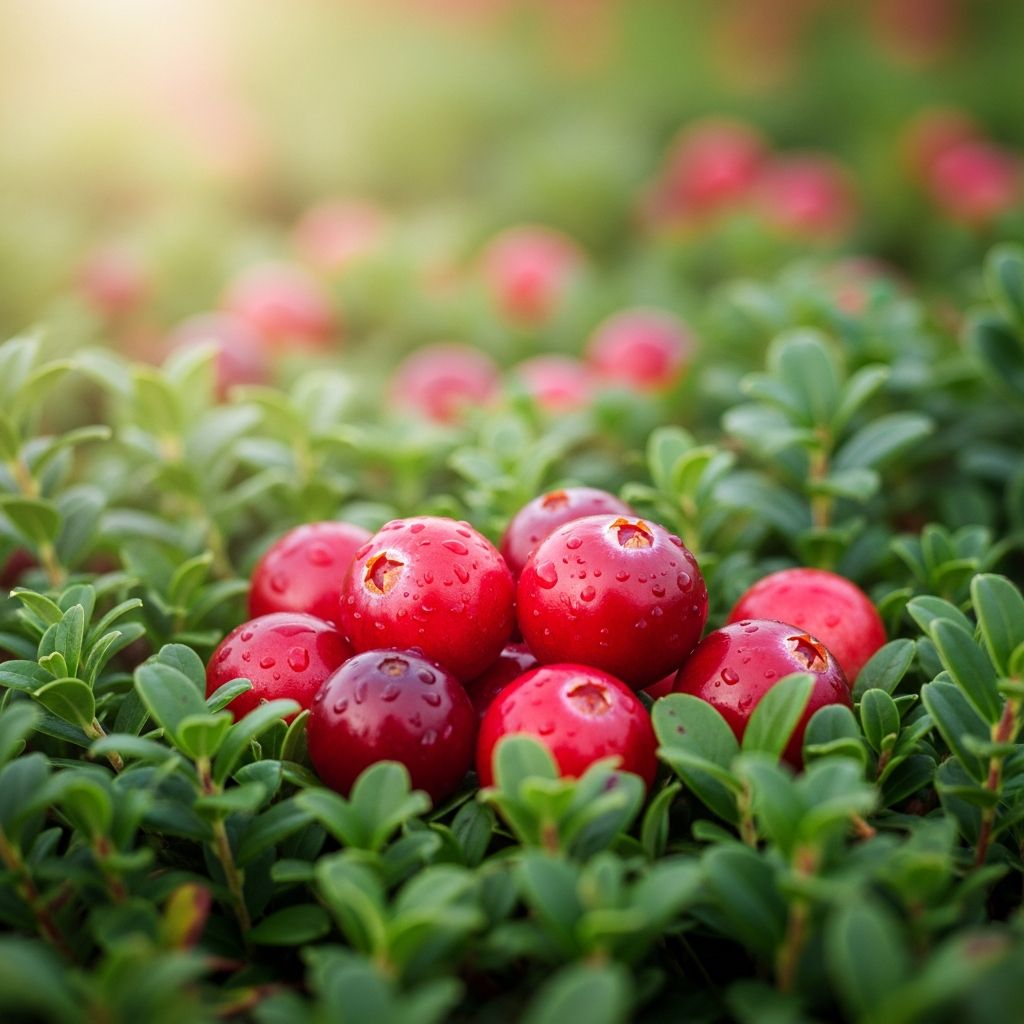
Cranberries, small red berries native to North America, are more than a holiday staple. Packed with unique compounds like proanthocyanidins (PACs), antioxidants, and vitamins, they offer evidence-based benefits for urinary tract health, heart function, gut microbiota, and beyond. Regular consumption as juice, dried fruit, or supplements can support overall wellness when part of a balanced diet.
What Are Cranberries?
Cranberries (Vaccinium macrocarpon) grow on low-lying vines in boggy areas, primarily in the U.S. Northeast and Midwest. They’re about 90% water, low in calories (roughly 46 per cup raw), and rich in fiber, vitamin C (up to 137% DV in 8 oz juice cocktail), vitamin E, K, and manganese. Their tart flavor comes from high acidity, but bioactive compounds like PACs, anthocyanins, and phenolic acids drive their health prowess. Unlike most fruits, cranberries’ A-type PACs create anti-adhesion properties, preventing bacteria from sticking to cells.
Recognized as nutrient-dense by the 2015-2020 Dietary Guidelines for Americans, cranberries are fat-, sodium-, and cholesterol-free. Research from the Cranberry Health Research Conference highlights their role in modulating gut microbiota and cardiometabolic health.
Nutritional Profile of Cranberries
A 1-cup serving (100g) of raw cranberries provides:
- Calories: 46
- Fiber: 3.6g (13% DV)
- Vitamin C: 13.3mg (15% DV)
- Vitamin E: 1.32mg (9% DV)
- Vitamin K: 5.1mcg (4% DV)
- Manganese: 0.37mg (16% DV)
- Antioxidants: Highest phenols among 20 common fruits
Processed forms like juice retain benefits but watch added sugars in cocktails. Dried cranberries concentrate nutrients but increase calories.
7 Science-Backed Cranberry Health Benefits
1. Prevent Urinary Tract Infections (UTIs)
Cranberries’ hallmark benefit is reducing UTI risk, especially recurrent ones in women. PACs inhibit E. coli bacteria—the cause of 80-90% of UTIs—from adhering to urinary tract walls. A meta-analysis shows 26-39% risk reduction with regular intake.
Women prone to UTIs benefit most; studies confirm fewer episodes with 8 oz daily juice or 36mg PAC supplements. Not a cure for active infections—see a doctor—but preventive for at-risk groups like postmenopausal women.
2. Packed with Antioxidants
Cranberries top antioxidant charts, outranking many fruits in phenols and anthocyanins (red pigments). These neutralize free radicals, reducing oxidative stress linked to aging, cancer, and chronic disease.
Anthocyanins may surpass vitamin E in potency; lab studies show cranberry extract cuts LDL-cholesterol oxidation, protecting arteries. Daily intake boosts plasma antioxidant capacity, lowers lipid peroxidation.
3. Promote Heart Health
Cranberry polyphenols improve cardiovascular markers: lower LDL oxidation, reduced blood pressure, better endothelial function, and healthier lipid profiles. RCTs show 8 weeks of low-calorie juice decreases C-reactive protein (inflammation marker) and oxidation products.
In metabolic syndrome patients, benefits include lower triglycerides and improved glucoregulation. Polyphenols reduce inflammation and support blood vessel health, cutting CVD risk—vital for aging women.
4. Support Gut Health
Cranberries foster beneficial gut microbiota. Polyphenols interact with bacteria, increasing mucin-degraders and reducing pathogens. A high-fat diet mouse study found cranberry extract attenuated gut barrier dysfunction, lowered LPS (inflammation trigger), and improved insulin sensitivity.
Related Stories



Human trials link cranberry juice to lower obesity/inflammation via NHANES data. They reduce bile acids tied to colon cancer and promote diversity in meat-heavy diets.
5. Help Prevent Gum Disease
Proanthocyanidins curb oral bacteria adhesion, reducing plaque, acids, and inflammation. Like gut benefits, cranberries limit harmful mouth microbes, potentially preventing cavities, gum disease, and oral cancers. More research needed, but compounds show anti-cancer promise in labs.
6. Aid Blood Sugar Control
Emerging evidence suggests antidiabetic effects. In high-fat-fed mice, cranberry reduced weight gain, visceral fat, hyperinsulinemia, and boosted insulin sensitivity via gut changes. Human studies show better glucoregulation; low-glycemic nature suits diabetes management.
7. May Protect Against Certain Cancers
Antioxidants and anti-inflammatory effects show lab promise against liver, colon, and oral cancers. PACs inhibit cell proliferation; epidemiological links exist, but clinical trials are limited. Consume as part of antioxidant-rich diet.
How to Add More Cranberries to Your Diet
- Fresh or frozen: Toss in salads, oatmeal, or smoothies (1/4 cup daily).
- Juice: 8 oz pure or low-sugar cocktail; dilute if tart.
- Dried: Snack (1 oz) or mix in trail mix, yogurt—unsweetened best.
- Cooked: Sauces, relishes, baked goods; retain benefits when boiled.
- Supplements: 36mg PAC capsules for targeted UTI prevention.
Aim for 1/2 cup equivalent daily. Combine with diverse fruits/veggies for synergy.
Cranberry Nutrition Facts
| Nutrient | Amount per 1 cup raw (100g) | % Daily Value |
|---|---|---|
| Calories | 46 | 2% |
| Total Fat | 0.1g | 0% |
| Sodium | 2mg | 0% |
| Total Carbohydrate | 12.2g | 4% |
| Dietary Fiber | 3.6g | 13% |
| Sugar | 4g | – |
| Protein | 0.5g | 1% |
| Vitamin C | 13.3mg | 15% |
| Vitamin E | 1.32mg | 9% |
| Manganese | 0.37mg | 16% |
Source: USDA data via general knowledge; values approximate.
Potential Cranberry Side Effects and Drug Interactions
Generally safe, but high doses (>1L juice/day) may cause stomach upset, diarrhea. Tartness can erode enamel—rinse mouth after. Warfarin users: Vitamin K may affect INR; monitor.
Kidney stone risk low (oxalate content moderate); drink water. Not for active UTI treatment.
Bottom Line
Cranberries deliver multifaceted benefits via PACs and antioxidants: UTI prevention, heart/gut support, oral health, and more. Backed by in vitro, animal, and RCTs, they’re a versatile superfood. Incorporate daily, choose low-sugar forms, and consult doctors for specific conditions.
Frequently Asked Questions (FAQs)
Do cranberries really prevent UTIs?
Yes, PACs reduce bacterial adhesion, lowering risk by 26-39% in studies, especially for recurrent cases in women.
Are cranberry supplements effective?
Standardized to 36mg PACs, yes—for prevention. Not all products equal; check labels.
Can men benefit from cranberries?
Absolutely: prostate health, heart benefits apply broadly.
Is cranberry juice good for kidneys?
Supports UTIs affecting kidneys indirectly; hydrate to avoid stones.
How much cranberry juice daily?
8 oz pure/low-sugar for benefits without excess sugar.
References
- What is Cranberry Juice Good For? A Focus on Women’s Health — Lyndhurst GYN. 2023. https://www.lyndhurstgyn.com/what-is-cranberry-juice-good-for-a-focus-on-womens-health/
- Health Benefits — Massachusetts Cranberries / Cranberries.org. 2023. https://www.cranberries.org/health-benefits
- Impact of Cranberries on Gut Microbiota and Cardiometabolic Health — PMC / NIH. 2016-08-01. https://pmc.ncbi.nlm.nih.gov/articles/PMC4942875/
- Are Cranberries Healthy? 6 Surprising Benefits — Tomah Health. 2023. https://www.tomahhealth.org/wellness/are-cranberries-healthy-6-surprising-benefits/
- The Berry Best for Gut Health and More — Cranberry Institute. 2023. https://www.cranberryinstitute.org/berry-best-for-gut-health-and-more
Similar Articles








Read full bio of Sneha Tete