Craniectomy: Brain Surgery to Relieve Pressure
Understanding craniectomy surgery: procedure, recovery, risks, and life-saving benefits.
What Is a Craniectomy?
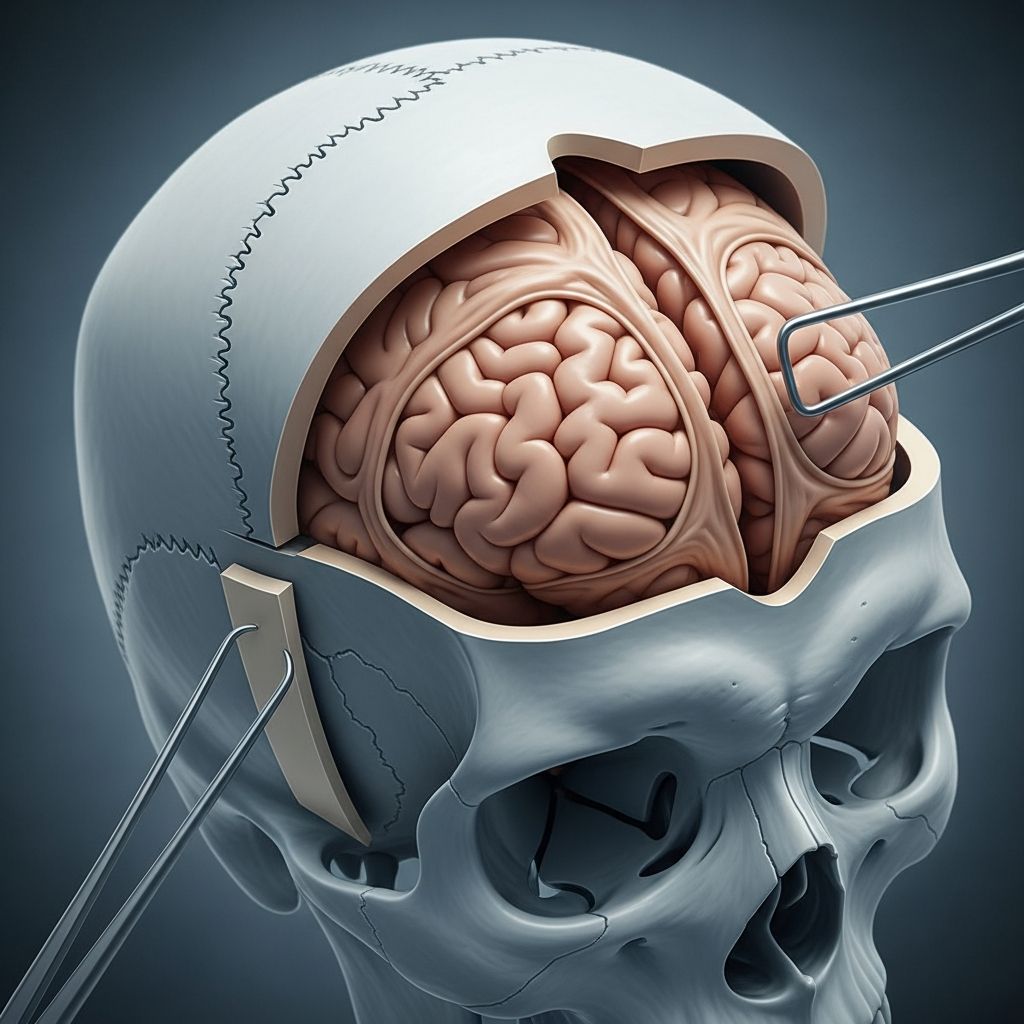
A craniectomy is a type of major brain surgery in which a neurosurgeon removes a portion of your skull bone to access the brain and relieve dangerous pressure. Unlike a craniotomy, where the skull bone is replaced during the same surgical procedure, a craniectomy leaves the skull opening unfilled during the initial operation. The removed bone piece is saved by your surgeon for potential reinsertion during a follow-up procedure called a cranioplasty, which may occur weeks or months after the initial surgery. Your surgeon may also refer to this procedure as a decompression craniectomy because its primary purpose is to decompress—or reduce pressure on—your brain.
This is a life-saving surgical intervention that addresses critical situations where pressure buildup inside the skull threatens brain function and overall survival. Because there is limited space between your brain and skull, any accumulation of fluid, blood, or swelling can be extremely dangerous and may cause permanent brain damage or death if not treated promptly.
When Is a Craniectomy Needed?
A craniectomy is typically considered an emergency surgery, meaning you likely won’t have much time to prepare. Your care team might recommend this procedure to reduce swelling, pressure, or bleeding (extra fluid) on your brain. Your surgeon may recommend a craniectomy to treat the following conditions:
- Traumatic brain injury from accidents, falls, or head trauma
- Stroke or ischemic stroke complications
- Brain swelling (cerebral edema)
- Intracranial bleeding or hematoma
- Brain aneurysm rupture
- Brain tumor with significant swelling
- Infection of the brain tissue
- Excess cerebrospinal fluid buildup
- Status epilepticus (prolonged seizures)
The underlying causes of dangerous pressure in your skull can vary widely, but the common thread is that these conditions create life-threatening situations requiring immediate intervention to prevent brain damage.
Before Your Craniectomy Surgery
Before undergoing a craniectomy, your surgical team will need to gather important information about your health and medical history. Because this is typically an emergency procedure, the preparation process is often abbreviated compared to elective surgeries. However, when time permits, your care team will conduct the following assessments:
- Complete medical history review
- Physical examination
- Blood tests and lab work
- Imaging studies such as CT or MRI scans
- EKG or heart monitoring if necessary
- Assessment of current medications and allergies
These tests help your surgical team understand your overall health status, identify any additional risk factors, and allow your anesthesiologist to determine the appropriate anesthetic dosage for your procedure. In emergency situations, many of these preparations occur simultaneously with the decision to proceed with surgery.
How the Craniectomy Procedure Is Performed
A craniectomy typically takes between three and five hours to complete, though some procedures may take longer depending on the complexity of your condition and the extent of brain work required. Once you’re in the operating room, your surgical team will follow these steps:
Initial Preparation
Your anesthesiologist will administer anesthesia to ensure you don’t feel any pain during the procedure. Your surgical team will carefully position your head and body to avoid placing pressure on sensitive areas and to provide optimal access to the affected brain region.
Related Stories



Incision and Bone Access
Your surgeon will begin by shaving any hair near the incision site and sterilizing your head with iodine or alcohol to kill germs and reduce infection risk. They will then make an incision or opening in your skin. The location and size of this opening vary depending on which part of your brain requires treatment.
Skull Removal
Your surgeon will carefully adjust or move the muscles around your skull to access the bone. Using specialized surgical tools including a medical drill, they will create several burr holes (small holes) in the skull bone. A special surgical saw called a craniotome is then used to cut between these holes, allowing removal of a piece of skull bone. This bone flap is carefully lifted away and removed to expose the protective membrane (dura) covering your brain.
Brain Treatment
Once the skull is open, your surgeon will open the dura to expose the brain tissue. The specific treatment performed at this point depends on why you needed the craniectomy—whether removing blood clots, treating swelling, addressing bleeding, or managing other brain pathology.
Closure
After the necessary brain treatment is complete, your surgeon will close the dura with sutures. Importantly, unlike a craniotomy, the bone flap is not immediately replaced during a craniectomy. Instead, it is carefully saved and preserved for potential later reinsertion. Your surgeon will close the muscles and skin layers over the skull opening and place a soft adhesive dressing over the incision site. The preserved bone may be stored in a freezer or kept in other specialized conditions until the follow-up cranioplasty procedure.
Recovery After Craniectomy Surgery
Recovery from a craniectomy is a multi-stage process that requires significant time, patience, and support from your healthcare team and loved ones.
Immediate Post-Operative Period
After your craniectomy, you will be moved to an intensive care unit (ICU) where your care team will closely monitor your vital signs, brain function, and any signs of bleeding or additional swelling. This intensive monitoring typically lasts several days and is crucial for detecting and managing any complications early.
Protection and Rehabilitation
Because your surgeon has not replaced the portion of skull that was removed, you will need to wear a protective helmet at all times when you are awake and active. This helmet protects your exposed brain from injury during the healing process. Your care team will provide you with a properly fitted helmet and instructions on when and how to wear it.
You’ll need plenty of rest during recovery. While resting, keep your head upright rather than lying completely flat, as this position helps minimize pressure on your brain and reduces swelling. Your care team will give you specific instructions and provide assistance during your hospital stay to ensure proper positioning and comfort.
Hospital Discharge and Long-Term Recovery
While your incision site can heal within weeks, the overall recovery process from a craniectomy typically requires months to years of rehabilitation and lifelong follow-up care. You will need multiple follow-up appointments after your surgery to ensure you’re healing as expected and to monitor your neurological function. Your care team will prepare you for discharge and provide detailed instructions for home care, medication management, activity restrictions, and warning signs that require immediate medical attention.
Cranioplasty: The Follow-Up Procedure
Your surgeon will likely schedule a cranioplasty procedure weeks or months after your craniectomy to repair the skull defect. During cranioplasty, your surgeon will either reapply the saved bone flap or use alternative materials such as a metal plate or synthetic material to replace the missing portion of your skull. This follow-up procedure helps restore normal skull protection, improve appearance, and may relieve certain symptoms related to the open skull defect.
Risks and Complications
As a major brain surgery, craniectomy carries certain risks and potential complications. While the procedure is life-saving and often necessary to prevent death or severe brain damage, you should be aware of possible complications:
- Infection at the surgical site or within the brain
- Bleeding or hematoma formation
- Increased intracranial pressure despite the procedure
- Brain swelling or edema
- Cerebrospinal fluid leak
- Seizures
- Stroke
- Cognitive changes or memory problems
- Personality or behavioral changes
- Physical disabilities or weakness
- Long-term neurological deficits
Your surgical team will discuss these risks with you and explain how they monitor for and manage complications. Many people make a full recovery after craniectomy, though side effects are possible and individual outcomes vary.
Life After Craniectomy
Many people make a full recovery after a craniectomy and return to their normal activities. However, recovery timelines and outcomes vary significantly depending on the reason for surgery, the extent of brain injury, and individual factors. Some patients experience complete resolution of symptoms, while others may have lasting effects requiring ongoing management and rehabilitation.
Rehabilitation may include physical therapy, occupational therapy, speech therapy, and cognitive rehabilitation depending on your specific needs. Your care team will work with you to develop a comprehensive rehabilitation plan tailored to your condition and recovery goals.
Frequently Asked Questions
Q: Is a craniectomy the same as a craniotomy?
A: No. While both procedures involve removing part of the skull to access the brain, the key difference is that a craniotomy replaces the bone during the same surgery, while a craniectomy leaves the skull opening unfilled initially. A craniectomy is typically more emergent and used when prolonged brain swelling is anticipated.
Q: How long does it take to recover from a craniectomy?
A: While the surgical incision may heal within weeks, full recovery typically takes months to years. You’ll need ongoing rehabilitation, follow-up appointments, and may require a cranioplasty procedure to replace the missing skull bone. Lifelong follow-up care is common.
Q: Will my skull be put back during the craniectomy surgery?
A: No. During a craniectomy, the removed skull bone is not replaced during the initial surgery. Your surgeon will save the bone piece for potential reinsertion during a later cranioplasty procedure, or they may use alternative materials like metal plates or synthetic bone substitutes.
Q: Do I need to wear a helmet after craniectomy surgery?
A: Yes. Because part of your skull has been removed and not immediately replaced, you’ll need to wear a protective helmet when awake and active to protect your brain from injury during the healing process.
Q: Can I return to normal activities after craniectomy?
A: Many people do return to normal activities, but this depends on the reason for your surgery, the extent of brain injury, and your individual recovery. Your care team will provide specific guidelines about activity restrictions and when you can resume normal functions.
Q: Is craniectomy an emergency surgery?
A: Yes. Craniectomy is typically an emergency procedure performed to prevent death or permanent brain damage from dangerous pressure buildup in the skull. You usually won’t have much time to prepare for this surgery.
Q: What should I do if I notice problems after my craniectomy?
A: Contact your care team immediately if you experience increased headache, fever, drainage from the incision, seizures, vision changes, difficulty speaking, weakness, or any other concerning symptoms. Your surgical team will provide you with emergency contact information.
Conclusion
A craniectomy is a major life-saving surgery that relieves dangerous pressure on the brain caused by swelling, bleeding, or other serious conditions. While it’s typically an emergency procedure requiring immediate action, it effectively prevents brain damage and death in critical situations. Recovery requires patience, comprehensive rehabilitation, and ongoing medical follow-up, but many patients make excellent recoveries and return to their normal lives. Working closely with your neurosurgical team throughout your treatment and recovery journey is essential for achieving the best possible outcome.
References
- Craniectomy: What It Is, Procedure, Recovery & Risks — Cleveland Clinic. 2024-11-15. https://my.clevelandclinic.org/health/treatments/24901-craniectomy
- Craniotomy: What It Is, Procedure, Recovery & Risks — Cleveland Clinic. 2024-11-15. https://my.clevelandclinic.org/health/treatments/24902-craniotomy
- Cranioplasty: What It Is, Procedure, Recovery & Risks — Cleveland Clinic. 2024-11-15. https://my.clevelandclinic.org/health/treatments/24924-cranioplasty
- How is Brain Tumour Surgery (Craniotomy) Performed? — CARE Hospitals. 2023-11-14. https://www.youtube.com/watch?v=Q_Ebh8Nw-dY
- Reconstructive Craniofacial Center — Cleveland Clinic. 2024. https://my.clevelandclinic.org/departments/dermatology-plastic-surgery/depts/reconstructive-craniofacial
Similar Articles








Read full bio of Sneha Tete