Craniopharyngioma: Definition, Symptoms, Causes & Treatment
Understanding craniopharyngioma: A rare brain tumor affecting the endocrine system with effective treatment options.
What Is a Craniopharyngioma?
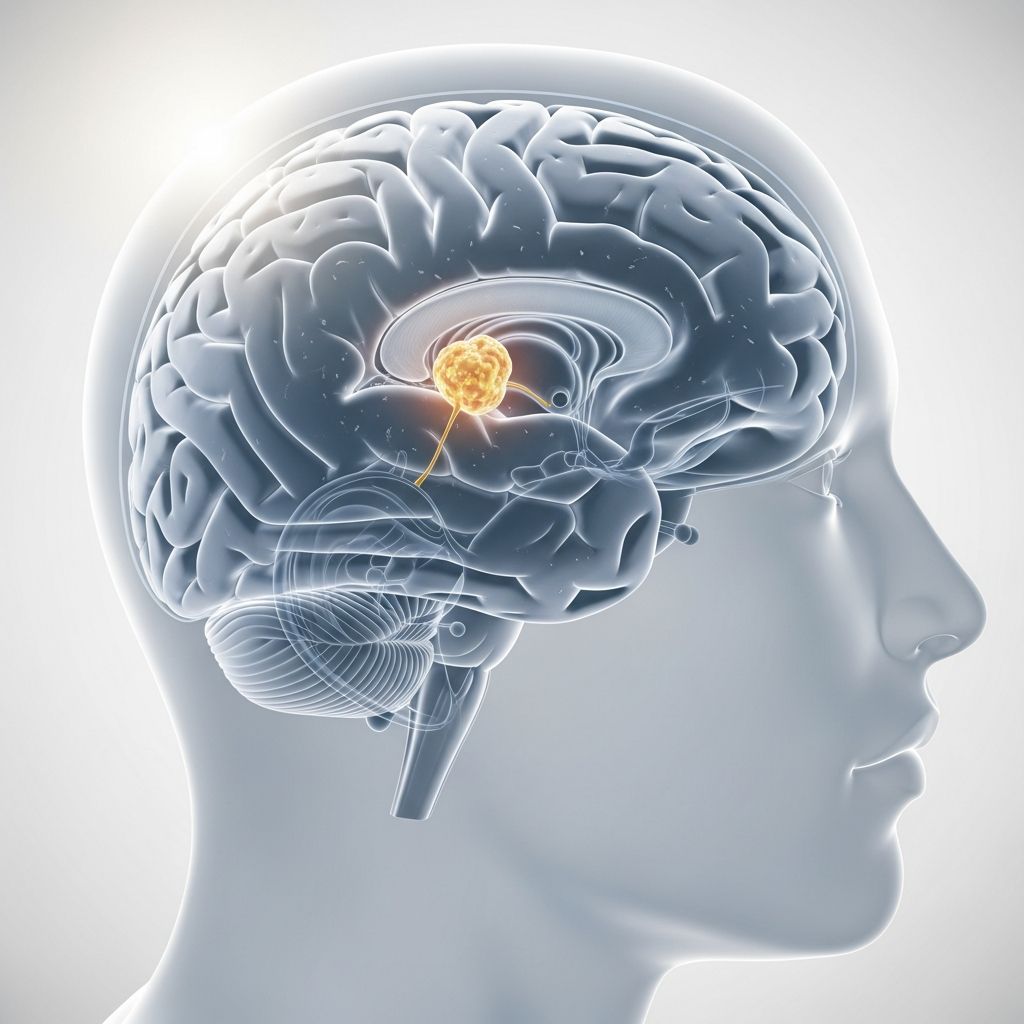
A craniopharyngioma is a rare, benign, and slow-growing tumor that develops near the pituitary gland and hypothalamus in the brain. These tumors arise from remnants of Rathke’s pouch, an embryonic structure that normally disappears during fetal development. Rather than being cancerous, craniopharyngiomas are classified as noncancerous growths that can nonetheless significantly impact endocrine function and neurological health. The tumor typically grows slowly, which means symptoms may take years to become noticeable. Most craniopharyngiomas are diagnosed in children between ages 5 and 14, though they can develop in individuals of any age.
Craniopharyngiomas present a unique clinical challenge because they sit in a critical location near vital brain structures responsible for hormone regulation, vision, and neurological function. The rarity of these tumors—combined with their slow growth pattern—means that many cases go undiagnosed until symptoms become pronounced enough to warrant medical evaluation.
Understanding the Location and Impact
The brain’s pituitary gland and hypothalamus work together to regulate numerous hormonal systems that control growth, metabolism, reproduction, and stress response. When a craniopharyngioma develops in close proximity to these structures, it can interfere with their normal function. Additionally, because these tumors often expand in size, they may compress the optic nerves, which can lead to vision problems, particularly affecting peripheral vision.
The specific symptoms and severity of craniopharyngioma depend largely on the tumor’s size, location, and which structures it compresses. Some tumors remain small and asymptomatic for extended periods, while others grow larger and cause more immediate clinical concerns.
Symptoms of Craniopharyngioma
Craniopharyngioma symptoms are closely linked to conditions affecting the pituitary gland, hypothalamus, optic nerves, and surrounding brain tissue. The manifestations can vary significantly between children and adults, though some symptoms overlap.
Symptoms in Children
In children, growth and development abnormalities are often among the most noticeable early signs. These may include:
- Stunted growth or failure to grow at an expected rate
- Delayed physical development and maturation
- Cognitive and developmental delays
- Excessive thirst (polydipsia)
- Frequent urination (polyuria)
- Vision problems, particularly peripheral vision loss
- Headaches
- Weight gain or obesity
- Delayed or absent puberty
The growth-related symptoms can be particularly noticeable in children because parents and healthcare providers carefully monitor developmental milestones. When a child fails to reach expected heights or shows developmental delays, it often prompts medical investigation.
Symptoms in Adults and General Population
Adults with craniopharyngioma may experience:
- Vision changes and peripheral vision loss
- Headaches
- Hormonal imbalances affecting metabolism and reproduction
- Memory problems and cognitive changes
- Balance and coordination difficulties
- Hypothyroidism symptoms
- Sexual dysfunction
- Mood changes and depression
One important consideration is that craniopharyngioma symptoms can be similar to other medical conditions, making it challenging for healthcare providers to quickly identify the tumor as the underlying cause. This similarity to other disorders can delay diagnosis by months or even years.
Diagnostic Evaluation
When craniopharyngioma is suspected, healthcare providers conduct a comprehensive evaluation to confirm the diagnosis and assess the tumor’s extent.
Related Stories



Medical History and Physical Examination
Healthcare providers begin by gathering detailed medical history, including information about physical development, growth patterns, vision changes, and symptom onset. For children, providers ask about developmental milestones, cognitive function, visual acuity, and patterns of thirst and urination. This information helps establish a timeline of symptom development and helps rule out other potential causes.
Imaging Studies
Advanced imaging technology is essential for diagnosing craniopharyngioma. Common imaging tests include:
- Magnetic Resonance Imaging (MRI): Provides detailed images of brain tissue and tumor location
- Computed Tomography (CT) scan: Offers cross-sectional views useful for surgical planning
- Specialized neuroradiology consultations: Help assess tumor characteristics and relationship to surrounding structures
Specialized Testing
Additional diagnostic procedures may include:
- Visual field testing with a neuro-ophthalmologist to assess optic nerve compression
- Hormone level blood tests to evaluate pituitary and hypothalamic function
- Neuro-interventional radiology procedures for detailed vascular assessment
The diagnostic workup typically requires coordination among multiple specialists, including neurosurgeons, neuroendocrinologists, neuro-ophthalmologists, and radiologists. This multidisciplinary approach ensures comprehensive assessment and optimal treatment planning.
Treatment Options for Craniopharyngioma
The main treatments for craniopharyngiomas are surgery and radiation therapy. Treatment decisions depend on tumor size, location, patient age, and overall health status.
Surgical Management
Craniopharyngiomas are typically treated with brain surgery, which can be performed using different approaches depending on tumor location and characteristics. The two primary surgical techniques include:
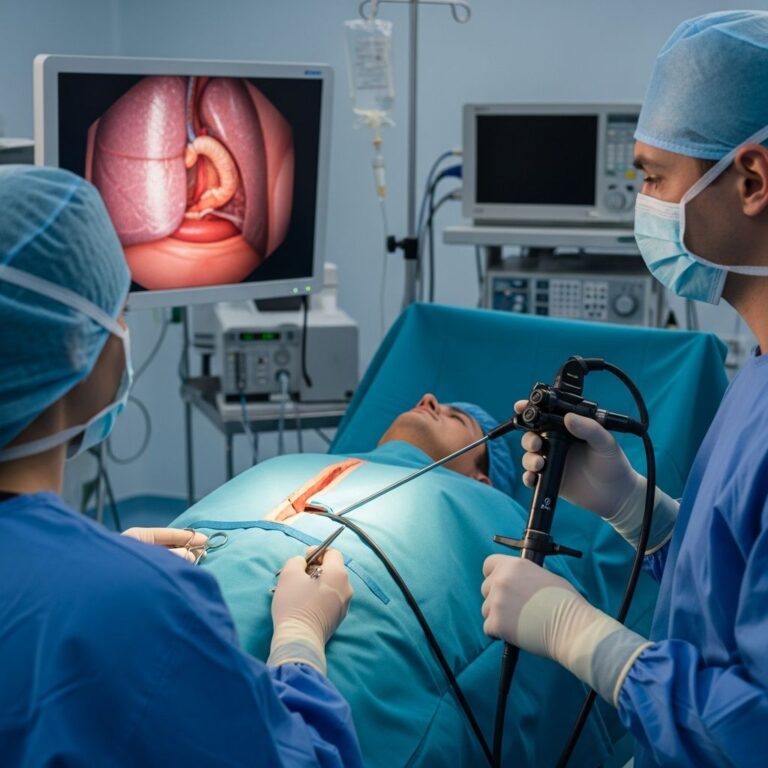
Endoscopic Endonasal Surgery: This minimally invasive approach uses a small scope inserted through the nose to access and remove the tumor. This technique offers several advantages, including reduced trauma to surrounding tissues, shorter recovery time, and better preservation of normal brain structures. Advanced techniques such as fluorescence-guided surgery improve visualization of blood vessels and sensitive structures during the procedure.
Craniotomy: This traditional approach involves creating an opening in the skull to access the tumor. While more invasive than endoscopic surgery, craniotomy may be necessary for larger tumors or those in locations not accessible through the nasal route.
The primary surgical goal is to remove as much tumor tissue as possible while minimizing damage to the pituitary gland, hypothalamus, and optic nerves. Even with careful surgical technique, some patients may experience temporary or permanent hormonal deficiencies and may require long-term hormone replacement therapy.
Radiation Therapy
Post-surgery radiation therapy may be recommended, particularly if the entire tumor cannot be safely removed during the initial surgical procedure. Radiation helps control any remaining tumor tissue and reduces the risk of recurrence. Modern radiation techniques allow for precise targeting of tumor tissue while minimizing exposure to surrounding healthy brain structures.
Chemotherapy
Chemotherapy has emerged as a treatment option specifically for a special papillary subtype of craniopharyngioma. This approach is typically reserved for cases where surgery and radiation are insufficient or when the tumor recurs.
Long-Term Management and Outcomes
Even after successful surgical removal, craniopharyngioma often has lasting effects on quality of life. Patients may experience persistent hormonal deficiencies requiring lifelong hormone replacement therapy, including thyroid hormone, cortisol, and growth hormone supplementation. Vision problems may persist despite tumor removal, and some patients develop cognitive or memory changes.
In many ways, craniopharyngioma functions as a chronic illness requiring ongoing medical management. While healthcare providers cannot currently provide a cure, they focus on helping patients manage the condition’s long-term effects and maintain optimal quality of life. More than 90% of people with craniopharyngiomas are alive five years after diagnosis, indicating generally favorable long-term survival rates.
Patients require regular follow-up care including:
- Periodic imaging to monitor for tumor recurrence
- Endocrinology consultations to manage hormone deficiencies
- Ophthalmology evaluations to assess vision
- Neurosurgical follow-up to monitor overall neurological health
- Psychological support to address emotional and cognitive impacts
Specialized Treatment Centers and Expert Care
Treatment of craniopharyngioma requires evaluation by specialized neurosurgical teams with advanced training and extensive experience in pediatric brain tumors. Leading medical centers offer multidisciplinary care involving neurosurgeons, neuroendocrinologists, neuro-ophthalmologists, and other specialists. These teams utilize state-of-the-art facilities and cutting-edge surgical techniques, including minimally invasive approaches with fluorescence-guided visualization, to achieve optimal outcomes while preserving neurological function.
Frequently Asked Questions
Q: How common are craniopharyngiomas?
A: Craniopharyngiomas are rare tumors with a bimodal age distribution, occurring most commonly in children ages 5-14 and in adults in their 50s and 60s, with equal incidence between males and females.
Q: Can craniopharyngioma be cured?
A: While complete surgical removal is the goal, craniopharyngioma is typically managed as a chronic condition requiring long-term follow-up and medical care, rather than being permanently cured.
Q: What is the survival rate for craniopharyngioma?
A: More than 90% of people with craniopharyngiomas survive at least five years after diagnosis, demonstrating generally favorable long-term outcomes.
Q: Will I need hormone replacement after craniopharyngioma surgery?
A: Many patients require hormone replacement therapy after surgery due to pituitary or hypothalamic damage, though the extent varies depending on the tumor’s location and surgical approach.
Q: Can craniopharyngioma recur after treatment?
A: Yes, recurrence is possible, which is why long-term follow-up with periodic imaging and medical evaluations is essential for ongoing monitoring and early detection of any regrowth.
Q: What are the vision-related complications of craniopharyngioma?
A: Craniopharyngioma can compress the optic nerves, leading to peripheral vision loss or the characteristic bitemporal hemianopsia, where the outer fields of both eyes are affected.
References
- Craniopharyngioma: Definition, Symptoms, Causes & Treatment — Cleveland Clinic. 2024. https://my.clevelandclinic.org/health/diseases/22989-craniopharyngioma
- Descriptive epidemiology of craniopharyngiomas in the United States — National Center for Biotechnology Information (PubMed). 2021. https://pubmed.ncbi.nlm.nih.gov/33506438/
- Minimally Invasive Cranial and Pituitary Surgery Program — Cleveland Clinic Florida. August 2025. https://my.clevelandclinic.org/services/minimally-invasive-pituitary-surgery
- Doctors Who Treat Craniopharyngiomas — Weill Cornell Medicine Neurological Surgery. 2024. https://neurosurgery.weillcornell.org/condition/craniopharyngiomas/doctors-who-treat-craniopharyngiomas
- Pituitary Disorders: Medical & Surgical Management — Cleveland Clinic Neuro Pathways Podcast. 2024. https://my.clevelandclinic.org/podcasts/neuro-pathways/pituitary-disorders-medical-and-surgical-management
- Craniopharyngioma – Symptoms and causes — Mayo Clinic. 2024. https://www.mayoclinic.org/diseases-conditions/craniopharyngioma/symptoms-causes/syc-20581521
Similar Articles








Read full bio of medha deb