Cranioplasty: Purpose, Procedure, Recovery & Risks
Learn about cranioplasty surgery: how it repairs skull defects, protects your brain, and supports recovery.
Cranioplasty: What It Is, Procedure, Recovery & Risks
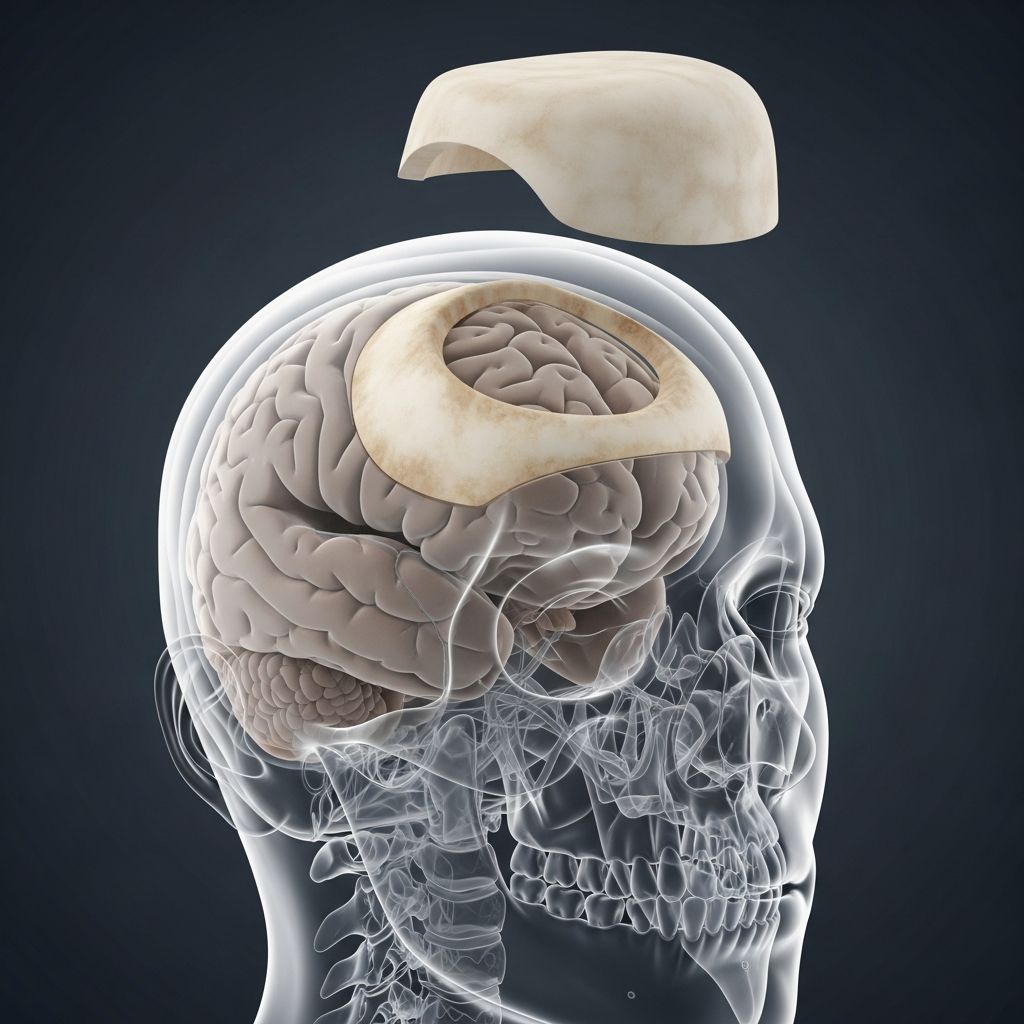
A cranioplasty is a major surgical procedure designed to repair a defect or hole in your skull. The primary goal of this surgery is to restore the structural integrity of your skull and provide better protection for your brain from potential damage. You might require this procedure after certain forms of brain surgery, following a traumatic head injury, or due to conditions that compromise skull integrity. Understanding what cranioplasty involves, how it’s performed, and what to expect during recovery can help you prepare for this important procedure.
What is Cranioplasty?
Cranioplasty is a major neurosurgical procedure that reshapes and repairs defects in the skull. This surgery is performed by experienced neurosurgeons who work to restore the protective barrier that surrounds and safeguards your brain. Since the surgery takes place in close proximity to your brain, there is a moderate-to-high risk associated with this procedure. However, in experienced hands, cranioplasty can significantly improve your quality of life by restoring skull integrity and reducing complications.
Conditions Treated by Cranioplasty
Cranioplasty addresses various conditions affecting the skull and its ability to protect the brain. Common reasons for undergoing this procedure include:
– Skull defects resulting from decompressive craniectomy (a procedure where part of the skull is temporarily removed to relieve pressure on the brain)- Brain tumors that required surgical removal- Traumatic brain injuries with skull fractures or bone loss- Infections of the skull bone (osteomyelitis)- Non-healing wounds in the skull area- Sinking skin flap syndrome, where the scalp indents inward- Syndrome of the trephined, characterized by neurological symptoms after craniectomy- Cerebrospinal fluid (CSF) leaks requiring skull repair- Complications from previous brain surgery
Preparation for Cranioplasty
Proper preparation is essential for a successful cranioplasty procedure. Your surgical team will take comprehensive steps to ensure you’re ready for this major operation.
Pre-Operative Consultation
Before your cranioplasty, you’ll meet with your surgeon for a detailed consultation. During this appointment, your surgeon will review your complete medical history and perform a thorough physical examination. This consultation is an important opportunity to discuss your specific condition, ask questions about the procedure, and understand what to expect. Your surgeon will explain how the procedure will address your skull defect and discuss realistic outcomes based on your individual situation.
Pre-Operative Testing
Your surgical team will order several tests to prepare you for surgery and minimize complications. These tests typically include:
– Blood tests to assess your overall health and blood clotting ability- Imaging studies such as CT scans or MRI to visualize your skull defect and plan the surgical approach- Electrocardiogram (EKG) to evaluate your heart function- Pulmonary function tests if you have respiratory concerns- Anesthesia evaluation to assess your fitness for surgery- Nutritional assessment if you have factors affecting healing
Pre-Operative Instructions
Your surgical team will provide specific instructions to follow before your procedure. These typically include fasting for a certain period before surgery, stopping certain medications, and arranging transportation to and from the surgical center. It’s important to follow these instructions carefully, as they help reduce surgical complications and ensure the best possible outcome.
Related Stories



The Cranioplasty Procedure
Surgical Steps
During cranioplasty, your surgeon will perform the following steps in the operating room:
–
Positioning and draping
: You’ll be positioned to provide optimal access to the skull defect, and your surgical site will be carefully prepared and draped with sterile materials-Incision
: Your surgeon will make an incision over the skull defect, often using the original surgical scar if available-Exposure
: The surgical team will carefully expose the edges of the skull defect, removing any scar tissue or irregularities-Material placement
: Your surgeon will fit and secure the repair material into the skull defect, ensuring proper alignment and stability-Securing the material
: Depending on the material used, your surgeon may use screws, plates, or other fixation methods to secure the implant in place-Closure
: The overlying tissues will be carefully repositioned, and the incision will be closed with sutures or staplesSurgical Materials Used
Your surgeon will choose from several materials available for cranioplasty, each with specific advantages and considerations. The selection depends on your specific condition, the size and location of the defect, and your individual risk factors.
| Material Type | Characteristics | Advantages | Considerations |
|---|---|---|---|
| Titanium Mesh | Metal alloy implant | Strong, radiopaque, biocompatible, reusable if removed | Can cause imaging artifacts, may be visible through thin scalp |
| High-Density Porous Polyethylene | Synthetic polymer material | Lightweight, customizable, promotes bone ingrowth, good cosmetic outcomes | Non-resorbable, requires secure fixation |
| Hydroxyapatite | Calcium-based ceramic material | Biocompatible, osteoconductive, natural appearance | More brittle, requires careful handling |
| PMMA (Polymethylmethacrylate) | Acrylic-based polymer | Can be custom-molded, inexpensive, quick setting | Non-resorbable, less aesthetic than other options |
| Autologous Bone | Patient’s own bone tissue | Best biocompatibility, promotes healing, no rejection risk | Limited availability, may require additional harvesting surgery |
Your surgeon will select the material that minimizes your risk of complications while meeting the specific needs of your procedure and defect characteristics.
Surgical Duration
A cranioplasty typically lasts up to three hours, though the exact duration depends on the complexity of your case. Factors that may extend surgical time include the size and location of the defect, the complexity of the surgical repair needed, and any complications encountered during the procedure. Your surgeon will provide an estimate of the expected surgical time during your pre-operative consultation.
Recovery After Cranioplasty
Immediate Post-Operative Period
After your cranioplasty, you’ll recover in a monitored setting where your vital signs and surgical site will be closely observed. You may experience some discomfort, headache, or nausea in the immediate post-operative period, which your care team will manage with appropriate medications. Your incision site will be bandaged, and you’ll receive instructions on how to keep it clean and dry.
Hospital Stay
The length of your hospital stay depends on your overall health, the complexity of your surgery, and any complications that arise. Most patients remain hospitalized for several days following cranioplasty. During this time, your surgical team will monitor your recovery, manage pain and other symptoms, and ensure that your incision is healing properly. Physical therapy may begin during your hospital stay to help you regain strength and mobility.
Home Recovery
Once discharged, you’ll need to follow specific instructions to support your recovery. Plan for adequate rest, keeping your head elevated when possible, and avoiding strenuous activity. Your care team will provide detailed instructions about wound care, medication management, activity restrictions, and when to resume normal activities. Most people can return to light activities within a few weeks, though full recovery typically takes several months.
Follow-Up Appointments
Regular follow-up appointments are essential to ensure proper healing and detect any complications early. Your surgeon will schedule appointments to check your incision, assess your neurological status, and review imaging studies if needed. These visits allow your care team to address any concerns and adjust your treatment plan as necessary.
Risks and Complications of Cranioplasty
As with any major surgery, cranioplasty carries potential risks and complications. Understanding these risks helps you make an informed decision about your treatment.
Common Complications
–
Infection
: Surgical site infection or intracranial infection can occur, ranging from superficial wound infections to serious brain infections-Blood clots
: Deep vein thrombosis (blood clots in the legs) or pulmonary embolism (clots in the lungs) can develop after surgery-Seizures
: Some patients experience seizures after cranioplasty, requiring anti-seizure medication-Stroke
: In rare cases, complications during surgery can lead to stroke-Cerebrospinal fluid leak
: CSF may leak from the surgical site if the repair isn’t completely sealed-Implant rejection or failure
: The implant material may fail or require removal in some cases-Hematoma
: Blood collection under the scalp or brain may require drainage-Hydrocephalus
: Abnormal accumulation of fluid in the brain may developRisk Factors
Certain factors may increase your risk of complications following cranioplasty, including advanced age, multiple previous surgeries in the same area, immunosuppression, chronic medical conditions, smoking, poor nutritional status, and obesity. Discuss your specific risk factors with your surgeon before the procedure.
Minimizing Complications
Your surgical team employs several strategies to minimize complications. These include using sterile technique throughout the procedure, selecting appropriate implant materials, ensuring proper fixation of the implant, and providing comprehensive post-operative monitoring and care.
What to Expect Long-Term
Timeline for Recovery
While incision sites typically heal within weeks, complete recovery from cranioplasty may take several months. Most patients notice gradual improvement in symptoms and function over this period. Return to work and normal activities depends on the nature of your work and your individual recovery rate, which your surgeon will discuss with you.
Rehabilitation and Support
Many patients benefit from rehabilitation services after cranioplasty, including physical therapy to restore strength and mobility, occupational therapy to relearn daily activities, and speech therapy if neurological deficits affect communication. Your surgical team will recommend appropriate rehabilitation services based on your needs.
Activity Restrictions
Your surgeon will provide specific guidance about activity restrictions during recovery. Initially, you should avoid strenuous activities, heavy lifting, and contact sports. As you heal, these restrictions will gradually be lifted based on your progress and your surgeon’s recommendations.
Frequently Asked Questions About Cranioplasty
Q: How long does a cranioplasty procedure take?
A: A cranioplasty typically lasts up to three hours, though complex cases may take longer depending on the specific surgical requirements and any complications encountered.
Q: When can I return to work after cranioplasty?
A: Most people can return to light desk work after 2-4 weeks, but this depends on your specific job demands and recovery progress. Your surgeon will advise you when it’s safe to return to your particular work activities.
Q: Will I have visible scarring after cranioplasty?
A: Most cranioplasty incisions are placed along existing scars or hairlines to minimize visibility. Scarring typically fades significantly over time, though some permanent scarring is normal.
Q: What materials are best for cranioplasty?
A: The best material depends on your specific situation. Your surgeon will recommend the material that provides optimal protection, minimizes complications, and meets your individual needs.
Q: How long does an implant last after cranioplasty?
A: High-quality cranioplasty implants are designed to last indefinitely. However, in rare cases, implants may require replacement due to infection, rejection, or failure.
Q: Can I participate in sports after cranioplasty?
A: Contact sports should be avoided for several months after cranioplasty to protect your healing skull. Your surgeon will advise you when it’s safe to resume athletic activities and recommend appropriate protective equipment.
Q: What should I do if I experience problems after my cranioplasty?
A: Contact your surgical team immediately if you experience fever, increased headache, vision changes, weakness, seizures, or any other concerning symptoms. Don’t wait for your next scheduled appointment if you have urgent concerns.
References
- Cranioplasty: What It Is, Procedure, Recovery & Risks — Cleveland Clinic. 2024. https://my.clevelandclinic.org/health/treatments/24924-cranioplasty
- Reconstructive Craniofacial Center — Cleveland Clinic. 2024. https://my.clevelandclinic.org/departments/dermatology-plastic-surgery/depts/reconstructive-craniofacial
- Craniectomy: What It Is, Procedure, Recovery & Risks — Cleveland Clinic. 2024. https://my.clevelandclinic.org/health/treatments/24901-craniectomy
- High-Density Porous Polyethylene Implant Cranioplasty — PubMed Central. 2024. https://pubmed.ncbi.nlm.nih.gov/38682928/
- Cranial and Skull Base Reconstruction — Cleveland Clinic. 2024. https://my.clevelandclinic.org/departments/facial-reconstruction-nerve-disorders/programs/cranial-skull-base-reconstruction
Similar Articles








Read full bio of Sneha Tete