Craving a Beer During Pregnancy: How Much Is Safe?
Navigating pregnancy cravings for beer: Expert guidelines, risks of alcohol exposure, safe alternatives, and what to do if you've had a drink.
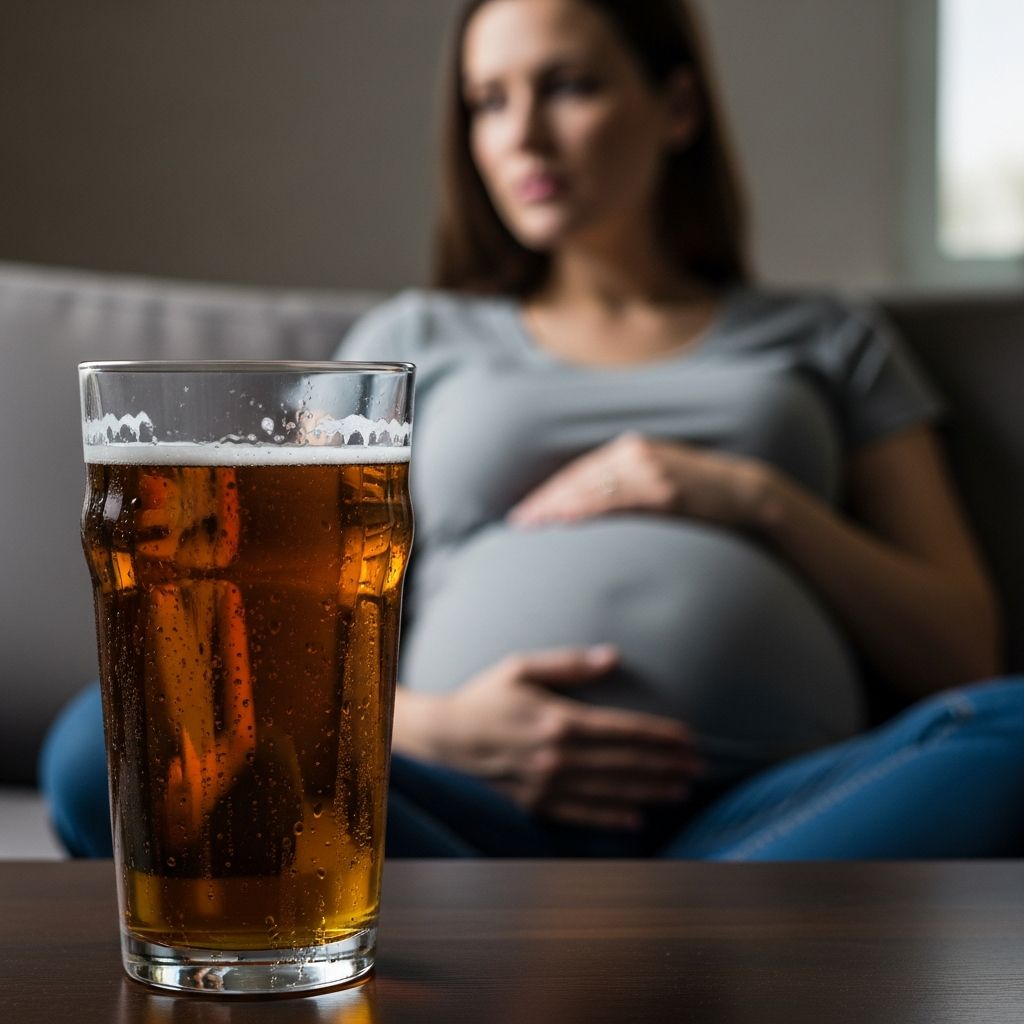
Pregnancy cravings can strike unexpectedly, and for some women, a cold beer might top the list. However, health experts unanimously agree: no amount of alcohol is safe during pregnancy. Alcohol passes directly to the fetus through the placenta, potentially causing irreversible harm like fetal alcohol spectrum disorders (FASD).
This comprehensive guide covers official guidelines, associated risks, what to do if you’ve consumed alcohol unknowingly, safe alternatives, and strategies for managing cravings. Drawing from CDC, ACOG, and peer-reviewed studies, we prioritize evidence-based advice to support healthy pregnancies.
Official Guidelines: No Safe Amount of Alcohol During Pregnancy
The American College of Obstetricians and Gynecologists (ACOG) and Centers for Disease Control and Prevention (CDC) state clearly: abstain from alcohol entirely if pregnant, trying to conceive, or think you might be pregnant. There is no known safe type, amount, or timing of alcohol consumption.
- Why zero tolerance? Alcohol is a teratogen—a substance that can disrupt fetal development, leading to physical, behavioral, and cognitive issues.
- Binge drinking defined: CDC classifies it as 4+ drinks in 2-3 hours for women, posing the highest risk due to peak blood alcohol concentrations (BAC).
- Even moderate intake (1 drink/day): Linked to miscarriage, preterm birth, stillbirth, and neurodevelopmental problems.
These guidelines stem from decades of research showing risks from any exposure, though conclusive data is strongest for heavy use. ACOG emphasizes conservative advice to protect the fetus.
Risks of Drinking Alcohol During Pregnancy
Alcohol exposure can cause a spectrum of lifelong issues, from mild learning disabilities to severe congenital anomalies. Key risks include:
| Risk | Description | Evidence |
|---|---|---|
| Fetal Alcohol Spectrum Disorders (FASD) | Range of physical, behavioral, and intellectual disabilities; no cure. | Associated even with low-moderate intake; binge drinking worsens outcomes. |
| Miscarriage | 8% increased risk per week (weeks 5-10) with any first-trimester use. | 2021 study on pre-pregnancy recruited patients. |
| Stillbirth & Fetal Growth Restriction | Smaller placentas, abnormal vessels/function. | 2021 research links to any prenatal exposure. |
| Preterm Birth & SIDS | Higher incidence with maternal alcohol use. | CDC data confirms associations. |
| Neurodevelopmental Effects | Attention deficits, lower IQ; evident from binge but possible from light use. | Oxford review: No consistent low-moderate harm, but binge risks clear. |
Heavy or binge drinking definitively causes fetal alcohol syndrome (FAS), but light drinking’s risks are debated—some studies show no major effects up to 4 drinks/week, yet experts urge caution due to inconsistent data.
Why Do Pregnancy Cravings for Beer Happen?
Cravings during pregnancy often arise from hormonal shifts, nutritional needs, or psychological factors. Beer cravings might stem from:
- Taste preferences: Carbonation, bitterness, or malty flavors appeal amid nausea.
- Dehydration or electrolytes: Beer’s fluids and salts mimic needed hydration.
- Stress/relaxation: Alcohol’s calming effect is missed; pregnancy anxiety amplifies this.
- Habit: Pre-pregnancy routines trigger desire.
Up to 50% of U.S. pregnancies are unplanned, so early exposure is common, heightening worry.
Related Stories



What If I Drank Before Knowing I Was Pregnant?
Don’t panic—many women do. Experts reassure: Alcohol before 8 weeks likely has minimal impact, as early cells rapidly replace any affected ones. Stop immediately upon confirmation for optimal outcomes.
- Early pregnancy (pre-8 weeks): Low risk; healthy development continues post-cessation.
- Key action: Inform your OB-GYN for monitoring; focus on nutrition, prenatal vitamins.
- Evidence: Little proof of harm from pre-awareness drinks; stopping improves chances.
One OB notes: ‘As soon as you stop drinking, any harmful effect will likely be corrected.’
Non-Alcoholic Beer and Wine: Safe Alternatives?
Non-alcoholic (NA) beverages mimic beer’s taste without intoxication—ideal for cravings. But proceed cautiously:
- Alcohol content: Labeled <0.5% ABV, but tests show some up to 1.8% due to brewing variances.
- ACOG stance: If zero tolerance, avoid even trace amounts.
- Popular options: Heineken 0.0, Athletic Brewing, Beck’s Non-Alcoholic—check labels.
Other swaps: Mocktails, sparkling water with hops, or pregnancy-safe herbal teas. NA drinks offer antioxidants and hydration benefits without risks.
How to Manage Alcohol Cravings During Pregnancy
Cravings are normal; here’s how to handle them healthily:
- Hydrate: Drink plenty of water, electrolyte beverages, or flavored seltzers.
- Mocktails: Mix ginger beer, fruit juices, or NA beer with lime.
- Distraction: Exercise, prenatal yoga, or hobbies reduce stress.
- Nutrition: Eat balanced meals; cravings may signal deficiencies (e.g., B vitamins).
- Support: Talk to your partner, join pregnancy groups; seek counseling if dependent.
- Professional help: OBs can refer for addiction support—stakes are high.
Most women naturally reduce or quit drinking upon learning of pregnancy.
Personal Stories and Debates
Opinions vary: Some OBs allow occasional small glasses for stress relief, citing studies with no impairments from light use. Books like Expecting Better question strict no-alcohol rules, but ACOG maintains abstinence. A mom shared: ‘My OB said a small glass weekly was better than stress.’ Ultimately, it’s your decision, but informed by risks.
Frequently Asked Questions (FAQs)
Q: Is any amount of alcohol safe during pregnancy?
A: No, per ACOG and CDC—no safe amount, type, or timing exists.
Q: What counts as one drink?
A: 12 oz beer (5% ABV), 5 oz wine, or 1.5 oz spirits. Binge: 4+ in 2-3 hours.
Q: Are non-alcoholic beers truly alcohol-free?
A: Often <0.5% ABV, but some contain up to 1.8%; read labels carefully.
Q: Does red wine have pregnancy benefits?
A: No—risks outweigh any antioxidants; abstain fully.
Q: What if I can’t stop drinking?
A: Tell your OB immediately for support and monitoring.
Q: How common is drinking before knowing?
A: Very—half of U.S. pregnancies unplanned; early cessation mitigates risks.
Prioritizing abstinence ensures the safest path. Consult your healthcare provider for personalized advice.
References
- The Deal With Drinking Alcohol While Pregnant — The Bump. 2023. https://www.thebump.com/a/drinking-alcohol-while-pregnant
- Making Sense of Advice About Drinking During Pregnancy — PMC (NCBI). 2019-02-01. https://pmc.ncbi.nlm.nih.gov/articles/PMC6353268/
- Drinking while pregnant: What we know and what we don’t — UT Southwestern Medical Center. 2023. https://utswmed.org/medblog/alcohol-during-pregnancy/
- Data and Statistics on Alcohol and Pregnancy — CDC. 2025. https://www.cdc.gov/alcohol-pregnancy/data-research/facts-stats/index.html
- Alcohol and Pregnancy — ACOG. 2024. https://www.acog.org/womens-health/infographics/alcohol-and-pregnancy
Similar Articles








Read full bio of Sneha Tete