Creatine: Benefits, Dosage, Safety, and More
Unlock the power of creatine: Boost muscle strength, enhance performance, support brain health, and discover safe usage for athletes and beyond.
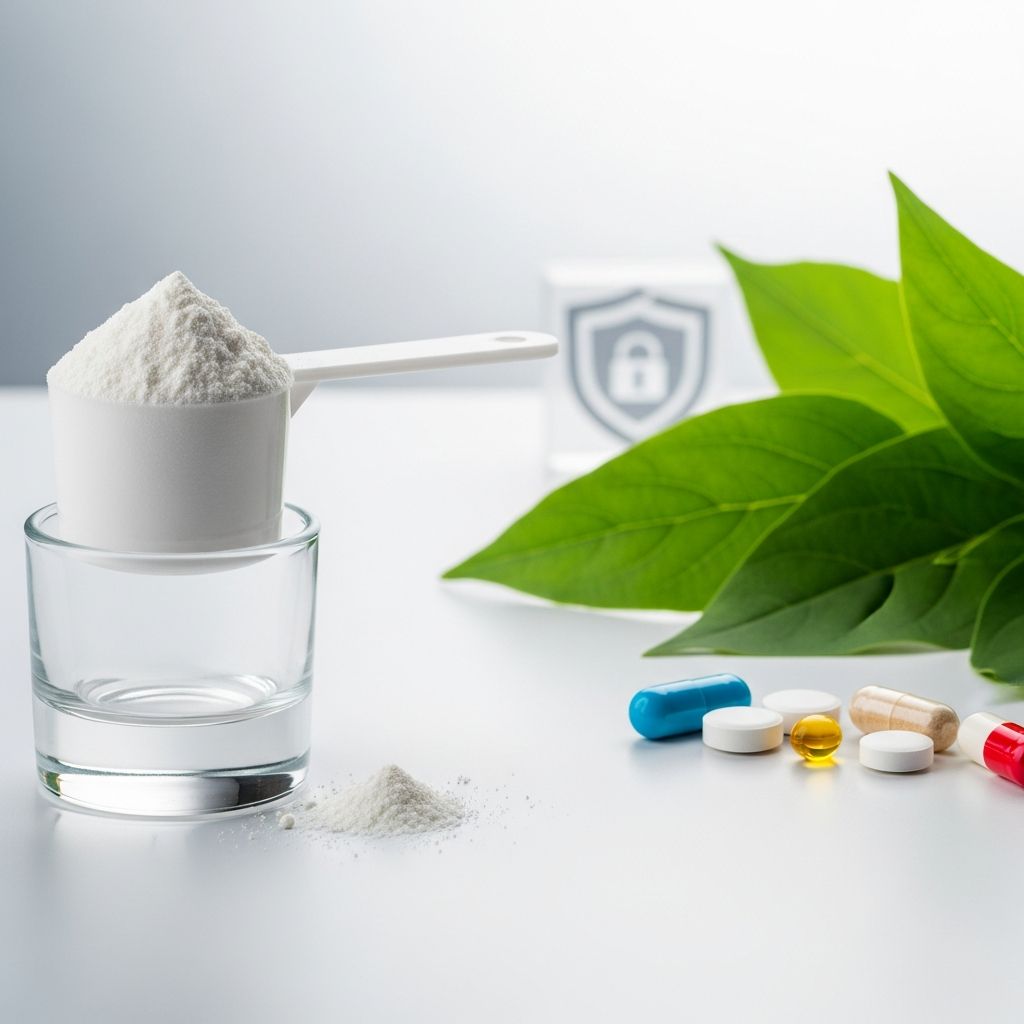
Creatine is one of the most researched and popular dietary supplements, particularly among athletes and fitness enthusiasts. Naturally produced in the body from amino acids and obtained through foods like meat and fish, creatine plays a crucial role in energy production during high-intensity exercise. Supplementation can increase muscle creatine stores by 20-40%, leading to improved strength, power, and recovery. This article dives deep into what creatine is, its benefits, how to use it safely, potential side effects, and who stands to gain the most.
What Is Creatine?
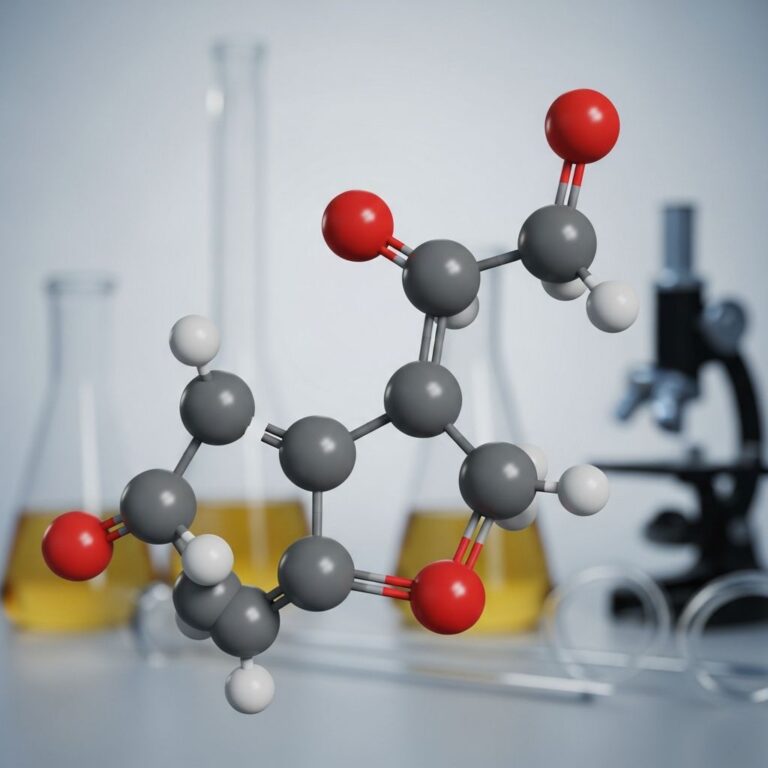
Creatine is a compound derived from three amino acids: glycine, arginine, and methionine. The body synthesizes about 1-2 grams daily in the liver, kidneys, and pancreas, while diet provides another 1-2 grams from protein-rich sources like red meat, poultry, and fish. Approximately 95% of creatine is stored in skeletal muscles as phosphocreatine (PCr), which rapidly regenerates adenosine triphosphate (ATP)—the primary energy currency for muscle contractions during short, explosive activities.
Muscle creatine stores are typically 60-80% saturated on a standard diet. Supplementation elevates these levels, enhancing performance in activities like weightlifting, sprinting, and sports requiring repeated bursts of power. Beyond muscles, creatine supports brain energy metabolism, potentially aiding cognition.
How Does Creatine Work?
During intense exercise, ATP depletes quickly. Phosphocreatine donates a phosphate group to replenish ATP, allowing sustained high-intensity efforts. Creatine supplementation boosts PCr reserves, delaying fatigue and enabling more reps or faster sprints.
Research shows elevated creatine reduces markers of muscle damage like creatine kinase (CK) by 19%, prostaglandin E2 by 61%, and TNF-alpha by 34% post-exercise, promoting faster recovery. It also enhances training adaptations, leading to greater gains in strength and muscle mass over time.
- Energy Boost: Increases ATP regeneration for explosive movements.
- Cell Volumization: Draws water into muscles, signaling growth pathways.
- Recovery Aid: Lowers inflammation and oxidative stress.
Benefits of Creatine
Decades of studies confirm creatine’s ergogenic effects. Here’s a breakdown of key benefits supported by evidence.
Athletic Performance and Muscle Growth
Oral creatine enables athletes to perform more work during reps or sprints, resulting in greater strength, muscle size, and performance gains. It’s ideal for high-intensity intermittent sports like football, wrestling, and HIIT. A review of studies shows consistent improvements in power output and lean mass.
Creatine users in collegiate football experienced fewer injuries, cramps, strains, and heat-related issues over a season.
Recovery and Injury Prevention
Creatine attenuates post-exercise inflammation, reducing CK, LDH, and cytokines. It supports rehabilitation by preserving muscle during immobilization.
Brain Health and Cognition
Creatine increases brain PCr, potentially improving memory and concentration, especially under stress or sleep deprivation. Emerging research suggests benefits for mood and cognitive function. Animal studies show neuroprotection against hypoxia, TBI, and spinal cord injury.
Benefits for Specific Groups
| Group | Key Benefits | Supporting Evidence |
|---|---|---|
| Athletes | Strength, power, recovery | Greater reps, reduced fatigue |
| Older Adults (>65) | Combats sarcopenia, preserves muscle | With resistance training, improves strength |
| Women (Post-Menopause) | Muscle/bone health | Early research promising |
| Vegetarians | Higher response due to low baseline | Greater store increases |
Related Stories



Additional perks include better thermoregulation (lower heart rate, sweat rate in heat), glycemic control, and reduced homocysteine. Long-term use may lower cholesterol and support liver health.
Creatine Dosage: How Much to Take
Standard protocols maximize muscle saturation safely.
- Loading Phase (Optional): 20g/day (4x5g doses) for 5-7 days to saturate stores quickly.
- Maintenance: 3-5g/day thereafter. Matches natural turnover.
- No Loading: 3g/day for 28 days achieves similar saturation.
Timing: Post-workout with carbs/protein enhances uptake via insulin. Stay hydrated—creatine increases intracellular water. Cycle? Not necessary; long-term use (up to 30g/day for 5 years) is safe. Experts recommend 3g/day lifelong for health benefits.
Side Effects of Creatine
Creatine is well-tolerated. Common mild effects:
- Water retention/weight gain (1-3kg initially).
- GI upset (if not dissolved properly).
Myths Debunked: Not a steroid; doesn’t harm kidneys in healthy people (even long-term). No fat gain causation; safe in mild renal issues short-term. Rare: dehydration if hydration neglected. Drink extra water.
Who Should Take Creatine?
Ideal Candidates:
- Power/strength athletes.
- Older adults with resistance training.
- Vegetarians/vegans (low dietary intake).
- Those seeking cognitive support.
Avoid/Consult Doctor: Kidney disease, bipolar disorder, teens under 18, pregnant/breastfeeding. Start low if new. Diet first: Prioritize protein-rich foods.
Creatine Forms: Which Is Best?
Creatine monohydrate is gold standard—cheapest, most researched, 100% bioavailable. Others (HCl, ethyl ester) lack superior evidence. Micronized for better mixing.
Frequently Asked Questions (FAQs)
Is creatine safe for long-term use?
Yes, up to 30g/day for 5 years shows no renal issues in healthy adults or patient groups.
Does creatine cause hair loss?
No evidence; myth from one small study on DHT (not linked to balding).
Can women take creatine?
Absolutely; supports muscle/bone health, especially post-menopause.
How soon do you see results?
Loading: 1 week. Maintenance: 3-4 weeks.
Should I cycle creatine?
Not required; stores return to baseline in 4-6 weeks if stopped.
Final Thoughts
Creatine stands out for its evidence-based benefits in performance, recovery, and health. Combined with training and nutrition, it delivers results for diverse groups. Consult a provider to personalize use.
References
- Safety and efficacy of creatine supplementation in exercise, sport, and medicine — Kreider RB et al. Journal of the International Society of Sports Nutrition. 2017-06-13. https://pmc.ncbi.nlm.nih.gov/articles/PMC5469049/
- Why everyone’s talking about creatine — UCLA Health. 2023-10-10. https://www.uclahealth.org/news/article/why-everyones-talking-about-creatine
- Creatine — Mayo Clinic. 2023-05-25. https://www.mayoclinic.org/drugs-supplements-creatine/art-20347591
- Creatine — Cleveland Clinic. 2023-09-12. https://my.clevelandclinic.org/health/treatments/17674-creatine
Similar Articles








Read full bio of Sneha Tete