Creatine: Benefits, Safety & Supplementation Guide
Complete guide to creatine supplements: how they work, benefits, dosage, and safety considerations for muscle growth.
Understanding Creatine: What It Is and How It Works
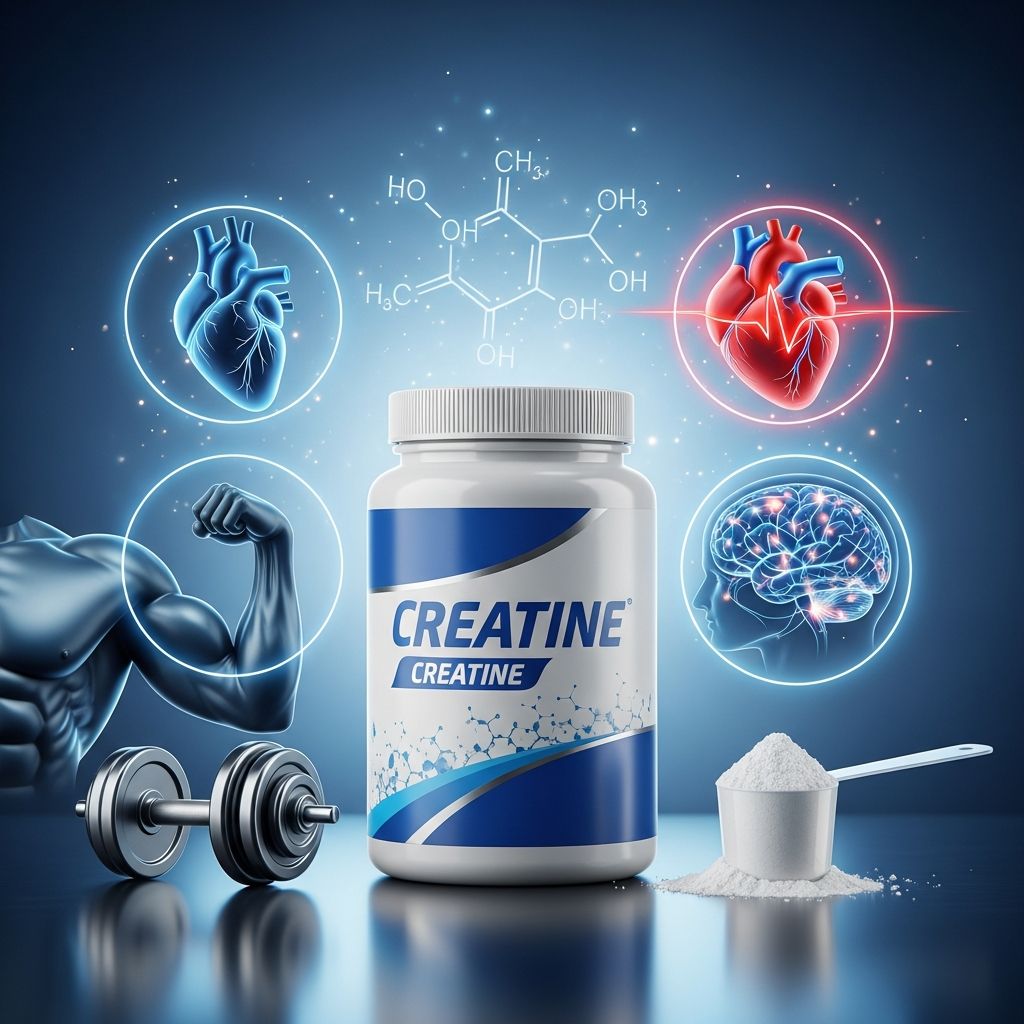
Creatine is a naturally occurring compound that your body produces from three amino acids: arginine, glycine, and methionine. Beyond what your body manufactures internally, you also obtain creatine from protein-rich foods such as red meat, fish, and poultry. This compound plays a crucial role in supplying energy to your muscles, making it essential for physical performance and muscle function.
At the cellular level, creatine works by increasing the availability of adenosine triphosphate (ATP), which is the primary energy currency of muscle cells. When you exercise, your muscles deplete ATP rapidly. By boosting creatine stores, you can regenerate ATP more efficiently, allowing your muscles to work harder and longer before experiencing fatigue. This mechanism has made creatine one of the most extensively researched supplements in sports nutrition.
In addition to its athletic benefits, emerging research suggests that creatine may support cognitive function and brain health, making it relevant not only for athletes but also for individuals looking to optimize their overall wellness.
Key Benefits of Creatine Supplementation
Enhanced Muscle Strength and Performance
One of the most well-documented benefits of creatine supplementation is its ability to increase muscle strength and improve athletic performance. Studies show that people who take creatine supplements may gain an extra two to four pounds of muscle mass during four to twelve weeks of regular exercise compared to those who don’t supplement. This additional muscle development occurs when creatine is combined with consistent resistance training and proper nutrition.
The mechanism behind this benefit relates to creatine’s role in ATP production. By enhancing energy availability during workouts, creatine allows you to perform more repetitions, lift heavier weights, or train with greater intensity. This increased training stimulus directly leads to greater muscle growth and strength adaptations over time.
Improved Muscle Recovery and Reduced Fatigue
Beyond muscle growth, creatine has been shown to enhance muscle recovery and reduce muscular fatigue. When you supplement with creatine, you may experience less soreness after exercise and recover more quickly between training sessions. This recovery benefit allows for more frequent or intense training, which compounds your long-term results.
Additionally, creatine supplementation combined with strength training has been shown to amplify the training-induced increase in satellite cell number and myonuclei concentration in skeletal muscle fibers. These cellular adaptations are fundamental to building larger, stronger muscles.
Brain Health and Cognitive Function
While creatine is primarily known for its muscle-building properties, research indicates that it may also promote brain health. The brain, like muscles, requires significant energy to function optimally. Since creatine enhances ATP production system-wide, it can support cognitive performance, memory, and mental clarity—particularly in individuals with higher cognitive demands or those experiencing cognitive decline.
Creatine Dosing Strategies
Standard Daily Dosage
Related Stories



For most people seeking the benefits of creatine supplementation, the recommended daily dose is three to five grams per day. This dosage can be taken before, during, or after your workout, as timing is less critical than consistent daily intake. The beauty of this standard dosing approach is its simplicity and its ability to steadily build creatine stores in your muscles over time.
It’s important to note that you don’t need to consume your daily creatine dose all at once. Splitting the dose into smaller servings throughout the day can improve absorption and minimize potential gastrointestinal side effects. For example, you could take 1.5 grams in the morning, 1.5 grams at midday, and 2 grams in the evening.
The Loading Phase Explained
Some individuals choose to implement a “loading phase” when beginning creatine supplementation. A loading phase typically lasts five to seven days and involves consuming higher amounts of creatine—usually 20 to 25 grams per day—divided into multiple servings throughout the day. The purpose of loading is to saturate your muscles with creatine more rapidly, allowing you to reach peak creatine concentrations in a shorter timeframe.
The loading phase is designed to create an energy inventory in your muscles quickly. By consuming 20 to 25 grams daily during the loading period, you build up creatine stores faster than you would with standard 3 to 5 gram daily doses. Once the loading phase concludes, you transition to the maintenance dose of 3 to 5 grams daily to keep creatine levels elevated.
However, it’s crucial to understand that the loading phase is optional, not necessary. Taking the standard recommended dose of 3 to 5 grams daily will eventually get you to the same saturation point—it simply takes longer, usually around three to four weeks instead of five to seven days. Most people do not need to do a loading phase, as the standard approach is sufficient and may be easier on the digestive system.
Dividing Your Dose
Whether you’re in a loading phase or on maintenance dosing, dividing your creatine intake into smaller portions throughout the day is advisable. This approach distributes the supplement more gradually through your system, potentially minimizing side effects and improving overall tolerance. For loading phases specifically, dividing 20 to 25 grams into four to five servings (4 to 6 grams per serving) is a practical strategy.
Medical Conditions That May Benefit from Creatine
Beyond athletic enhancement, creatine supplementation may provide therapeutic benefits for individuals with certain medical conditions. These conditions include muscular dystrophy, neuromuscular disorders, and age-related muscle weakness. Additionally, people with certain neurological conditions may benefit from creatine’s cognitive-supporting properties. However, if you have any underlying health conditions, it’s essential to consult with your healthcare provider before starting creatine supplementation to ensure it’s appropriate for your specific situation.
Potential Side Effects and Safety Considerations
Common Side Effects
While creatine is generally well-tolerated, some users may experience side effects, particularly during the loading phase. The most commonly reported gastrointestinal effects include:
- Diarrhea
- Stomach cramping
- Bloating
- Nausea
Fluid Retention and Weight Gain
Creatine can cause increased fluid retention, as the compound draws water into muscle cells. This may result in initial weight gain of one to three pounds within the first week of supplementation. This weight gain is primarily intramuscular water, not fat, and is generally not problematic. However, individuals concerned about water retention should be aware of this effect and stay well-hydrated throughout supplementation.
Dehydration Risks
Because creatine draws water into muscle cells, maintaining adequate hydration is particularly important when supplementing. Ensure you’re drinking sufficient water throughout the day, especially around your workouts and when taking your creatine dose.
Who Should Avoid Creatine
Creatine supplementation may not be safe for certain populations: People with kidney disease should avoid creatine, as the supplement increases creatinine levels, which can stress compromised kidneys. Pregnant women should also avoid creatine due to insufficient safety data in this population. If you have any pre-existing medical conditions or are taking medications, consult your healthcare provider before beginning creatine supplementation.
Long-Term Safety and Research
There is extensive research on creatine supplementation, and the evidence strongly suggests that creatine is safe for most healthy individuals when taken at recommended doses. Numerous long-term studies have failed to demonstrate significant adverse effects in healthy populations. The safety profile of creatine is well-established, making it one of the most trustworthy supplements available.
One detailed analysis of creatine kinetics found that creatine supplementation caused a significant decrease in the rate of synthesis of endogenous creatine, meaning your body produces less creatine when you supplement with extra amounts. This is a normal physiological adaptation and is not harmful. Once you stop supplementing, your body’s natural creatine production returns to baseline levels.
Maintaining Your Gains from Creatine
If you begin taking creatine supplements and achieve strength gains, maintaining those results requires ongoing effort. To sustain the muscle mass and strength you’ve built, you should:
- Continue taking creatine regularly at the recommended 3 to 5 grams daily
- Maintain your exercise routine with consistent resistance training
- Eat the best foods to fuel your workouts
- Prioritize adequate protein intake
- Ensure sufficient rest and recovery between workouts
Stopping creatine supplementation won’t immediately cause you to lose muscle mass, but without the enhanced energy production that creatine provides, your training intensity may decrease, which could eventually lead to muscle loss if not compensated for with other strategies.
Creatine Forms and Product Selection
Creatine monohydrate is the most researched and best-absorbed form of creatine supplementation. It has been shown to be highly effective for enhancing muscle recovery and promoting muscle growth. When selecting a creatine product, powder form is generally recommended because it offers superior absorption compared to other forms like pills or capsules.
When choosing a creatine supplement, it’s wise to check the label for loading instructions and recommendations specific to that product. Different brands may have slightly varying formulations, and following the manufacturer’s guidelines ensures you’re using the product as intended.
When to Consult Your Healthcare Provider
Before starting creatine supplementation, it’s best practice to consult with your physician or healthcare provider, particularly if you have:
- Pre-existing kidney conditions
- History of dehydration
- Pregnancy or plans to become pregnant
- Liver disease
- Diabetes or blood sugar concerns
- Any other underlying health conditions
Your healthcare provider can assess your individual health status and determine whether creatine supplementation is appropriate for you. They can also recommend the best creatine supplement and dosage tailored to your specific needs and goals.
Frequently Asked Questions About Creatine
Q: How long does it take to see results from creatine supplementation?
A: With consistent training and the standard 3 to 5 gram daily dose, you may notice strength improvements and subtle muscle gains within 3 to 4 weeks. If you use a loading phase (20 to 25 grams daily for 5 to 7 days), you may see results more quickly, within 1 to 2 weeks. However, the most noticeable gains typically occur after 4 to 12 weeks of consistent supplementation combined with resistance training.
Q: Is creatine safe for teenagers?
A: While creatine is generally recognized as safe, teenagers should consult with their parents and a healthcare provider before using any supplement. The American Academy of Pediatrics recommends that young athletes focus on proper nutrition and training before turning to supplements. If a teenager does use creatine, they should follow standard dosing guidelines and ensure adequate hydration.
Q: Can I take creatine with other supplements?
A: Creatine can generally be taken alongside other common supplements like protein powder, amino acids, and vitamins. However, always consult your healthcare provider before combining supplements, especially if you’re taking medications or have underlying health conditions, as some interactions are possible.
Q: Will I lose muscle if I stop taking creatine?
A: Stopping creatine supplementation won’t cause immediate muscle loss. However, without the enhanced energy production from creatine, your training intensity may decrease over time, which could eventually lead to muscle loss if you don’t maintain your exercise routine and nutrition. The key is to continue with consistent strength training and proper diet.
Q: Does creatine cause hair loss?
A: This is a common concern, but scientific evidence does not support a direct link between creatine supplementation and hair loss in most people. While some anecdotal reports exist, rigorous studies have not confirmed this connection. If you’re concerned about hair loss while taking creatine, discuss this with your healthcare provider to rule out other potential causes.
Q: Can women take creatine?
A: Yes, creatine is safe and effective for women. Women can experience the same muscle-building and strength-gaining benefits as men. The recommended dosage (3 to 5 grams daily) is the same regardless of gender. However, pregnant women should avoid creatine due to insufficient safety data during pregnancy.
Q: Do I need to drink more water when taking creatine?
A: Yes, maintaining proper hydration is important when supplementing with creatine. Since creatine draws water into muscle cells, ensure you’re drinking enough water throughout the day—typically 8 to 10 glasses daily or more if you’re exercising intensely. This helps support creatine’s effectiveness and minimizes potential side effects.
References
- Whole Body Creatine and Protein Kinetics in Healthy Men and Women — National Center for Biotechnology Information (NCBI/PubMed Central). 2015. https://pmc.ncbi.nlm.nih.gov/articles/PMC4754151/
- Should You Add Creatine to Your Diet? — Cleveland Clinic Newsroom. 2025-10-06. https://newsroom.clevelandclinic.org/2025/10/06/should-you-add-creatine-to-your-diet
- Is the Creatine Loading Phase Worth It? — Cleveland Clinic Health. 2024. https://health.clevelandclinic.org/creatine-loading-phase
- Creatine: What It Does, Benefits, Supplements & Safety — Cleveland Clinic. 2024. https://my.clevelandclinic.org/health/treatments/17674-creatine
- Does Creatine Cause Hair Loss? — Cleveland Clinic Health. 2024. https://health.clevelandclinic.org/does-creatine-cause-hair-loss
Similar Articles








Read full bio of medha deb