Creatine Kinase: What Your CK Levels Mean
Understand creatine kinase levels, why they change, and what elevated CK means for your health.
Understanding Creatine Kinase: An Essential Enzyme for Energy Production
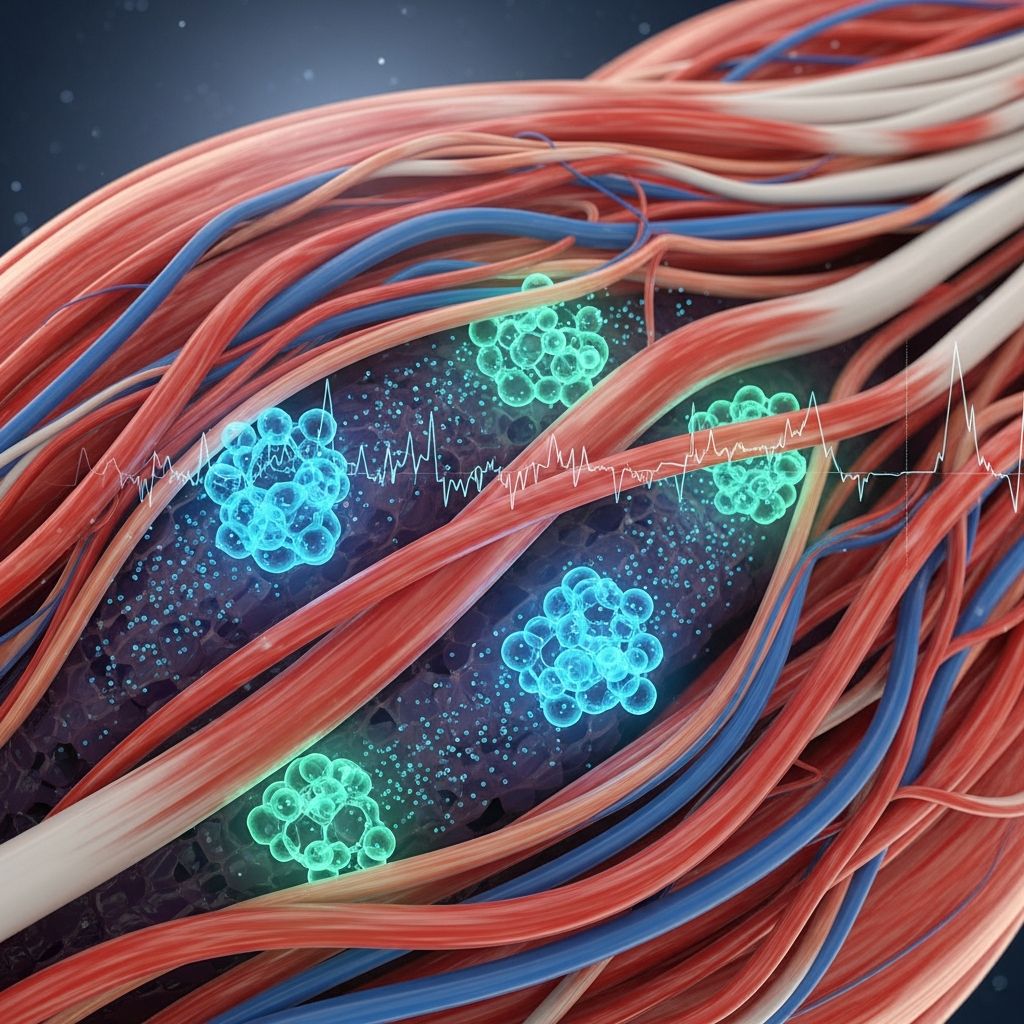
Creatine kinase (CK), also known as creatine phosphokinase (CPK), is an enzyme found primarily in skeletal muscle, the heart, and the brain. This enzyme plays a vital role in energy metabolism by catalyzing the conversion of creatine into phosphocreatine, which serves as a rapid energy reserve for cells that demand high amounts of adenosine triphosphate (ATP). When muscle tissue is damaged or stressed, CK leaks into the bloodstream, making it a valuable biomarker for assessing muscle health and identifying various medical conditions.
The enzyme functions as a reversible catalyst, transferring phosphate groups to regenerate ATP—the primary energy currency of cells. This mechanism is particularly important in tissues with consistently high energy demands, such as skeletal muscles during contraction, cardiac muscle during heartbeats, and the brain during neural activity.
How Creatine Kinase Works in Your Body
Understanding the biochemistry of CK helps explain why clinicians measure it when assessing muscle and heart health. CK catalyzes a reversible phosphorylation reaction that forms the core of an energy network known as the phosphocreatine (PCr) circuit. In this circuit, cytosolic (cellular) isoenzymes are closely coupled to glycolysis and produce ATP for muscle activity, while mitochondrial CK is closely coupled to the electron transport chain and can use mitochondrial ATP to regenerate phosphocreatine, which readily returns to the cytosol to resupply cellular energy stores.
This dual function makes CK a major controller of cellular homeostasis—the body’s ability to maintain stable internal conditions. When cells are working hard or when muscle tissue is damaged, CK is released into the bloodstream where it can be detected and measured through blood tests.
Creatine Kinase Isoenzymes: Different Forms, Different Meanings
Creatine kinase is a dimeric molecule composed of two subunits designated M and B. Combinations of these subunits form three distinct isoenzymes: CK-MM, CK-MB, and CK-BB, each with different tissue distributions and clinical significance.
- CK-MM: Primarily found in skeletal muscle; comprises the majority of total CK in healthy individuals.
- CK-MB: Found almost exclusively in cardiac muscle (myocardium); elevation is highly specific and sensitive for myocardial injury or heart attack.
- CK-BB: Found mainly in the brain and smooth muscle; rarely measured in clinical practice.
- Macro-CK 1: Associated with cardiovascular and autoimmune disease.
- Macro-CK 2: Associated with cancer.
When evaluating CK results, clinicians often measure CK-MB separately because it provides important diagnostic information about heart health. Normal reference values for serum CK-MB range from 3 to 5 percent of total CK or 5 to 25 IU/L.
Normal Creatine Kinase Ranges
Normal CK levels typically range from 30 to 200 U/L, though this baseline can vary significantly based on several individual factors. Understanding what “normal” means for you is important because CK levels are not uniform across all populations.
Factors affecting baseline CK levels include:
- Age: Levels may vary across different age groups
- Sex: Men generally have higher baseline levels than women
- Race: Certain racial and ethnic groups show naturally different baseline values
- Muscle mass: Individuals with greater muscle mass typically have higher baseline CK levels
- Athletic status: Athletes may have naturally elevated levels compared to sedentary individuals
Related Stories



It is essential to discuss your individual CK results with your healthcare provider, as they can contextualize your values based on your unique characteristics and medical history.
Exercise and Physical Activity: The Most Common Cause of Elevated CK
One of the most common and benign causes of elevated CK levels is physical exercise, particularly intense or prolonged activity. During strenuous exercise, microscopic tears occur in muscle fibers as part of the normal adaptation process. This controlled muscle damage triggers the release of CK into the bloodstream.
The extent of CK elevation depends on several factors:
Exercise Type Matters
Not all exercise creates the same CK response. Research shows that eccentric loading (movements where muscles lengthen under tension, such as lowering a weight) causes a significantly larger increase in plasma creatine kinase compared to concentric loading (movements where muscles shorten, such as lifting a weight). For example, three sets of 50 maximal eccentric leg flexion contractions in untrained men resulted in a significant increase in CK serum levels at 24 hours, with levels decreasing over the next two days.
Timing of Elevation
CK levels do not spike immediately after exercise. Instead, CK levels typically peak 24-48 hours after intense exercise and can remain elevated for 3-5 days, depending on the exercise intensity and individual recovery factors. During this time, levels may increase 5 to 30 times above baseline. Well-trained athletes often show faster normalization compared to untrained individuals.
Interestingly, serum CK sometimes follows a biphasic pattern, increasing until approximately 23 hours after exercise, declining weakly at 47 hours, before increasing again and peaking around 95 hours after exercise. This biphasic response may be related to the timeline of inflammation and muscle repair processes.
Medical Causes of Elevated Creatine Kinase
While exercise-induced elevation is benign and temporary, several medical conditions and factors can cause pathologically elevated CK levels that warrant clinical investigation.
Muscle Disorders
Conditions such as myositis (muscle inflammation) and muscular dystrophy are associated with elevated CK levels as a feature of the disease. In cases of rhabdomyolysis—clinically diagnosed severe muscle damage—CK levels have been found at 10,000–200,000 U/L and as high as 3 × 10^6 U/L. Such levels clearly signal strong disturbance or disintegration of striated muscle tissue with concomitant leakage of intracellular muscle constituents into the circulation.
Rhabdomyolysis may occur following:
- Crush injuries
- Drug use
- Viral infections
- Strenuous exercise in susceptible individuals
Rhabdomyolysis usually presents with muscle pain and weakness and dark-colored urine, representing a medical emergency requiring immediate evaluation.
Medications
Certain medications can damage muscle tissue and increase CK levels. Cholesterol-lowering drugs, particularly statins such as simvastatin, can have an adverse effect of significantly elevated CK levels, potentially leading to rhabdomyolysis. Patients on statins should be aware of muscle-related symptoms and report them to their healthcare provider.
Thyroid Disease
An interesting relationship exists between thyroid function and CK levels. Serum CK activity has an inverse relationship with thyroid activity, meaning that when the thyroid is underactive, CK levels rise. Approximately 3 out of 5 hypothyroid persons show an average elevation of CK activity 500% greater than the upper reference limit. This relationship suggests that thyroid function should be evaluated in patients with unexplained CK elevation.
Cardiac Events
Following the onset of symptoms of myocardial infarction (heart attack), CK and CK-MB increase in serum within 3 to 6 hours; peak levels occur between 16 and 30 hours. Significantly, CK-MB disappears from the serum at a more rapid rate than total CK. For example, CK-MB returns to normal by 24 to 36 hours, whereas elevated total CK levels may be detected for up to 60 hours. This differential clearance rate makes CK-MB a valuable diagnostic tool for assessing myocardial injury.
Factors That Influence Individual CK Response to Exercise
Interestingly, different individuals show varying responses to the same exercise stimulus. Research suggests that genome variations may lead to alterations in calcium handling and force effects during exercise, thereby influencing muscle disruption susceptibility. This could explain why some individuals, who are otherwise healthy, experience exertional rhabdomyolysis while others do not, and why there is large intersubject variation in serum CK levels found in many studies.
Additionally, untrained individuals typically show a more pronounced CK response to eccentric exercise compared to trained individuals. However, even after repeated exposure to the same exercise stimulus, individuals who are resistant to muscle stress may show declining CK levels over subsequent sessions.
Understanding CK in the Context of Muscle Damage
A key distinction exists between serum CK elevation caused by exercise-induced muscle disruption and that caused by structural trauma. Following muscle-damaging exercise, CK levels continue to rise in the blood for hours or days despite significant metabolic disruptions having ceased. This suggests that increased serum CK levels arising from normal physical exercise may be a consequence of normal metabolic activity rather than representative of physical damage to muscle.
Researchers hypothesize that during intense exercise, control mechanisms may involve expulsion of CK from the cytosol—a normal physiological process rather than a sign of pathological damage. This distinction is important because it means that elevated CK from exercise alone does not necessarily indicate muscle injury requiring medical intervention.
Kidney Function and Elevated CK Levels
One concern with elevated CK levels is the potential risk of kidney dysfunction. Strenuous exercise increases this risk in susceptible individuals, particularly when CK levels reach the extreme ranges seen in rhabdomyolysis. The kidneys must process and clear CK from the bloodstream, and very high levels can overwhelm these systems, potentially leading to acute kidney injury. This risk is another reason why individuals experiencing symptoms of rhabdomyolysis (muscle pain, weakness, dark urine) should seek immediate medical attention.
When Should You Be Concerned About Elevated CK?
Elevated CK levels after intense exercise or minor muscle strain are generally not cause for concern and typically normalize within days. However, you should seek medical evaluation if:
- CK levels remain persistently elevated without a clear cause such as recent intense exercise
- You experience unexplained muscle pain, weakness, or swelling
- You develop dark-colored urine (a sign of myoglobin in urine)
- You experience chest pain or symptoms of a heart attack
- You are taking statins or other muscle-damaging medications and develop muscle symptoms
- CK elevation occurs alongside other concerning symptoms
Frequently Asked Questions About Creatine Kinase
Q: What is the difference between creatine kinase and creatinine?
A: Creatine kinase (CK) is an enzyme involved in energy metabolism, while creatinine is a waste product produced by muscle metabolism. They are different substances measured in different blood tests. Creatinine levels are used to assess kidney function.
Q: Can dehydration cause elevated CK levels?
A: Dehydration can concentrate CK in the bloodstream and may contribute to elevated readings. Adequate hydration, especially during and after exercise, is important for maintaining proper kidney function and clearing CK.
Q: Should athletes avoid eccentric exercise because it raises CK levels?
A: No. Eccentric exercise is an important component of training that builds muscle strength and resilience. The elevated CK is a normal response and not necessarily harmful. However, individuals with medical conditions such as muscular dystrophy may benefit from emphasizing concentric over eccentric exercise.
Q: How is the CK blood test performed?
A: A healthcare provider draws a small blood sample from a vein in your arm. The sample is sent to a laboratory where CK levels are measured using spectrophotometric determination of the rate of the phosphorylation reaction.
Q: What should I do if my CK levels are elevated?
A: First, inform your healthcare provider of any recent intense exercise or muscle strain. If elevation occurs without an obvious cause, your doctor may recommend additional testing to assess heart function, muscle health, thyroid function, or kidney function depending on your symptoms and medical history.
Q: Can CK levels predict performance or fitness level?
A: While trained athletes may have different baseline CK levels, CK is not a reliable predictor of fitness or athletic performance. It is a biomarker of muscle stress and damage, not a measure of fitness capacity.
References
- Creatine Phosphokinase (CK or CPK) — Physiopedia. Accessed January 2026. https://www.physio-pedia.com/Creatine_Phosphokinase_(CK_or_CPK)
- Creatine-Kinase- and Exercise-Related Muscle Damage — National Center for Biotechnology Information (NCBI). https://pmc.ncbi.nlm.nih.gov/articles/PMC3263635/
- What are the causes of increased creatinine kinase levels? — Siphox Health. https://siphoxhealth.com/articles/what-are-the-causes-of-increased-creatinine-kinase-levels
- Creatine Kinase – Clinical Methods — National Center for Biotechnology Information (NCBI) Bookshelf, NIH. https://www.ncbi.nlm.nih.gov/books/NBK352/
Similar Articles








Read full bio of Sneha Tete