Creatine Monohydrate: 9 Science-Backed Benefits, Dosage, Safety
Everything you need to know about creatine monohydrate benefits, dosage, safety, and how to use it effectively for muscle growth and performance.
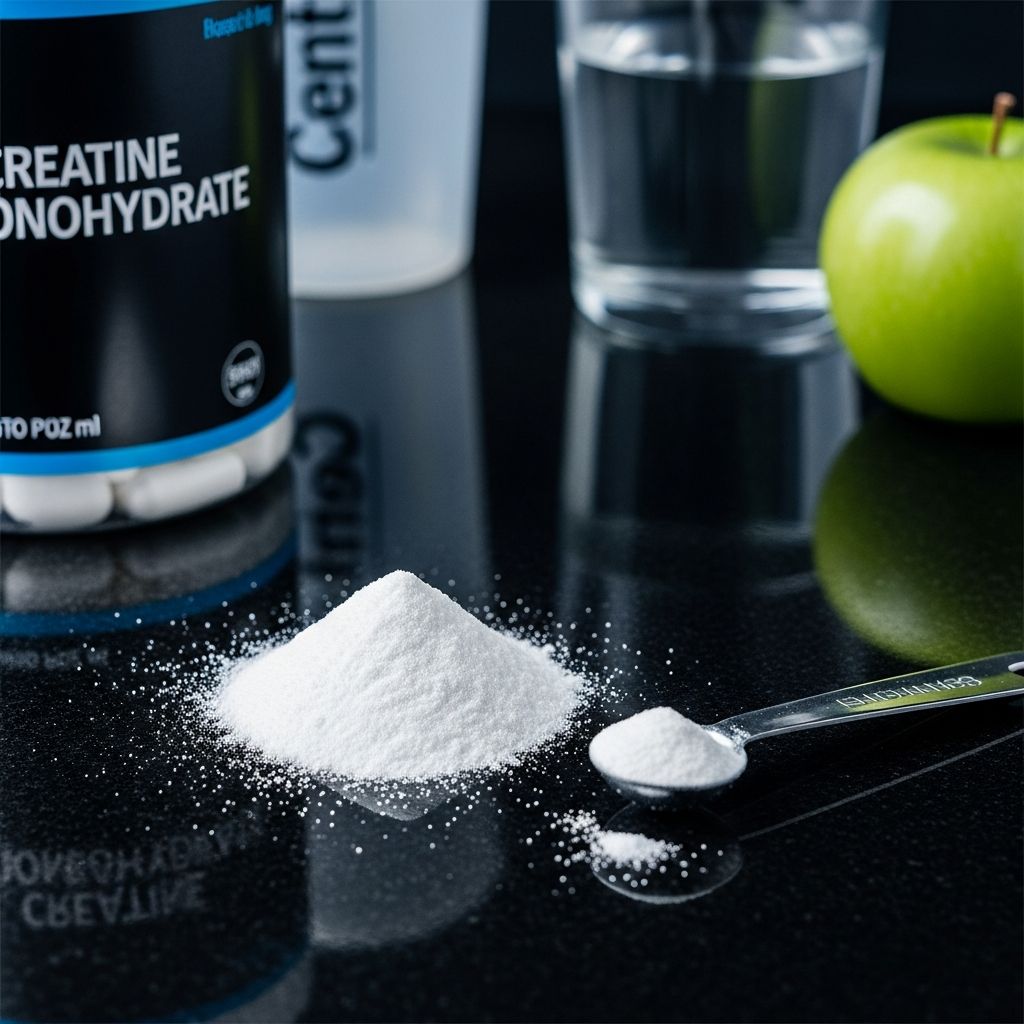
Creatine monohydrate is one of the most researched and effective dietary supplements available, particularly for those engaged in high-intensity exercise and strength training. Naturally found in foods like red meat and fish, this compound plays a crucial role in energy production within muscle cells. Supplementing with creatine monohydrate can significantly enhance muscle creatine stores, leading to improved performance, faster recovery, and greater muscle gains. Backed by decades of peer-reviewed research, it’s a staple for athletes, bodybuilders, and fitness enthusiasts worldwide.
What Is Creatine Monohydrate?
Creatine monohydrate is the most common and well-studied form of creatine, a naturally occurring molecule synthesized in the body from amino acids glycine, arginine, and methionine. Primarily stored in skeletal muscles as phosphocreatine, it serves as a rapid energy source for short, explosive activities like weightlifting or sprinting. The body produces about 1-2 grams daily, but supplementation can increase muscle stores by 20-40%, optimizing ATP regeneration during intense efforts.1
Unlike other creatine forms (e.g., ethyl ester or buffered creatine), monohydrate is the gold standard due to its proven bioavailability, stability, and cost-effectiveness. Research confirms no superior alternatives exist for muscle uptake or retention.1
9 Science-Backed Benefits of Creatine Monohydrate
Extensive studies demonstrate creatine monohydrate’s ergogenic effects across various populations, from elite athletes to older adults. Here are the key benefits:
- Increased Muscle Strength and Power: By elevating phosphocreatine levels, creatine enables more reps and heavier lifts, leading to progressive overload and strength gains.1
- Enhanced Muscle Growth (Hypertrophy): Creatine promotes water retention in muscles (cell volumization) and stimulates protein synthesis, resulting in noticeable size increases over time.1
- Improved High-Intensity Exercise Performance: Ideal for activities lasting under 30 seconds, such as HIIT, sprinting, or sports like football and wrestling.1
- Faster Recovery and Reduced Muscle Damage: Creatine attenuates markers like CK, LDH, and inflammatory cytokines (e.g., TNF-alpha) post-exercise, speeding recovery.1
- Injury Prevention: Athletes using creatine report fewer muscle strains, cramps, tightness, and heat-related issues during training and competition.1
- Better Thermoregulation and Hydration: Helps maintain performance in hot environments by reducing dehydration risk.1
- Cognitive and Brain Health Support: Higher doses may benefit brain creatine levels, aiding concussion recovery, TBI, and age-related decline.1
- Aids Rehabilitation and Aging: Supports muscle preservation in injury recovery and counters sarcopenia in seniors with 3g daily intake.1
- Potential Therapeutic Uses: High-dose protocols treat creatine synthesis deficiencies and may mitigate spinal cord injury damage.1
How Creatine Monohydrate Works
During high-intensity exercise, muscles rely on ATP for energy. Once depleted, phosphocreatine donates a phosphate group to rapidly regenerate ATP, delaying fatigue. Supplementation saturates muscle stores, extending this buffer. Long-term, it enhances training volume, signaling greater adaptations like hypertrophy and strength. Creatine also draws water into cells, promoting anabolic signaling pathways.1
Creatine Monohydrate Dosage and Timing
The optimal protocol depends on goals and preference:
| Method | Dosage | Duration | Notes |
|---|---|---|---|
| Loading Phase | 20g/day (5g x 4 doses) | 5-7 days | Rapid saturation; pair with carbs/protein for better uptake.1 |
| Maintenance | 3-5g/day | Ongoing | Sustains levels; 3g/day for general health.1 |
| Low-Dose Alternative | 3g/day | 28 days | Gradual buildup, no loading needed.1 |
Timing: Post-workout with a meal maximizes retention via insulin response. Stores remain elevated 4-6 weeks after cessation. Cycle off periodically if desired, though not required.1
Best Way to Take Creatine Monohydrate
- Mix 5g powder in water, juice, or a shake. Micronized forms dissolve better.
- Combine with 50-100g carbs or carbs+protein for 60% greater retention.1
- Stay hydrated: Aim for 3-4L water daily to support cell volumization.
- No need to cycle; long-term use (up to 3+ years) is safe.1
Side Effects and Safety of Creatine Monohydrate
Creatine monohydrate is safe for healthy individuals, with no evidence of kidney damage, dehydration, cramping, or GI issues when used as directed—even at high doses for years. Initial water weight gain (1-3kg) is normal and beneficial for performance. Rare mild stomach upset resolves with smaller doses or food.1 Consult a doctor if you have kidney disease.
Related Stories



Who Should Take Creatine Monohydrate?
- Athletes in strength/power sports (weightlifting, CrossFit, team sports).
- Vegetarians/vegans (lower baseline creatine).
- Older adults combating muscle loss.
- Anyone seeking recovery and performance edges.
Not ideal for endurance athletes unless combining with strength work.
Creatine Monohydrate vs. Other Forms
| Form | Pros | Cons | Evidence |
|---|---|---|---|
| Monohydrate | Cheapest, most researched, 100% bioavailable | May not dissolve perfectly | Gold standard1 |
| HCl | Better solubility | More expensive, less research | No superiority proven |
| Ethyl Ester | – | Degrades faster, inferior uptake | Inferior to monohydrate1 |
Frequently Asked Questions (FAQs)
Is creatine monohydrate safe for long-term use?
Yes, studies show no adverse effects up to 3+ years in athletes, with normal health markers.1
Does creatine cause hair loss?
No credible evidence; one small study suggested a minor DHT increase, but not replicated or causative.
Should women take creatine?
Absolutely—benefits muscle, strength, and bone health without masculinizing effects.
Can teens use creatine?
Safe for healthy teens in sports, but prioritize diet/training first; consult a doctor.
Will creatine make me bloated?
Intracellular water retention enhances muscles, not bloating. Hydrate well.
How soon do results appear?
Strength boosts in 1-2 weeks with loading; full saturation in 5-7 days.1
References
- Safety and efficacy of creatine supplementation in exercise, sport, and medicine — Kreider RB et al. Journal of the International Society of Sports Nutrition. 2017-06-13. https://pmc.ncbi.nlm.nih.gov/articles/PMC5469049/
- International Society of Sports Nutrition position stand: creatine supplementation and exercise — Kreider RB et al. Journal of the International Society of Sports Nutrition. 2007-11-06. https://jissn.biomedcentral.com/articles/10.1186/1550-2783-4-6
- Creatine supplementation with specific view to exercise/sports performance: an update — Cooper R et al. Journal of the International Society of Sports Nutrition. 2012-07-20. https://jissn.biomedcentral.com/articles/10.1186/1550-2783-9-33
- Common questions and misconceptions about creatine supplementation — Antonio J et al. Journal of the International Society of Sports Nutrition. 2021-09-01. https://jissn.biomedcentral.com/articles/10.1186/s12970-021-00412-w
Similar Articles








Read full bio of medha deb