Creatine Supplements: Benefits, Risks, and What You Need to Know
Comprehensive guide to creatine supplementation: explore proven benefits, potential risks, and safety considerations for optimal health.
Understanding Creatine: What It Is and How It Works
Creatine is a naturally occurring compound found primarily in muscle cells and the brain. Your body produces creatine from amino acids, and you also obtain it from dietary sources such as meat, fish, and poultry. This compound plays a crucial role in energy metabolism, particularly during high-intensity exercise when muscles require rapid bursts of energy.
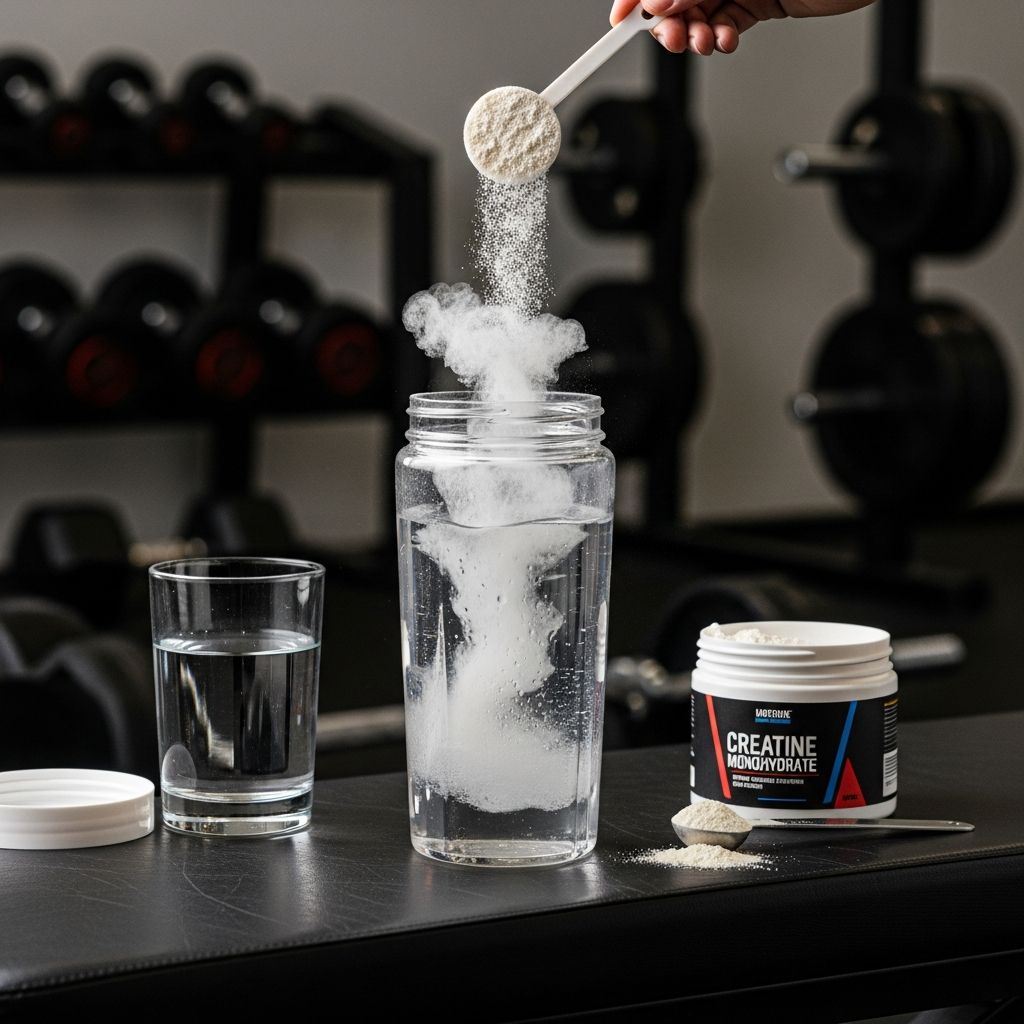
When you consume creatine supplements, they increase the concentration of creatine phosphate in your muscles. This elevated creatine phosphate serves as a rapid energy reserve that your muscles can draw upon during intense physical activity. The mechanism works by helping regenerate adenosine triphosphate (ATP), the primary energy currency used during muscle contractions. By boosting this energy system, creatine supplementation can enhance your ability to perform high-intensity exercises and recover between sets.
The most common and well-researched form of creatine supplementation is creatine monohydrate, which has undergone extensive scientific scrutiny since its introduction to the supplement market. Understanding this foundational mechanism is essential for appreciating how creatine affects athletic performance and overall health.
Proven Benefits of Creatine Supplementation
Enhanced Muscle Performance and Strength
Research consistently demonstrates that creatine supplementation significantly improves muscle performance during resistance training and high-intensity exercise. Studies show that individuals taking creatine can perform more repetitions, lift heavier weights, and maintain power output across multiple sets compared to those taking placebo. This ergogenic effect is particularly pronounced in short-duration, high-intensity activities lasting between 30 seconds and 2 minutes, making creatine especially beneficial for strength athletes and those engaged in power sports.
Increased Lean Body Mass
One of the most consistent findings across creatine research is an increase in lean body mass. When combined with resistance training, creatine supplementation promotes gains in muscle tissue. This effect occurs partly through improved training performance and partly through direct effects on muscle protein synthesis and water retention within muscle cells. Athletes seeking to build muscle mass often find creatine supplementation an effective nutritional adjunct to their training programs.
Brain Health and Cognitive Function
Beyond muscle performance, emerging research highlights creatine’s potential benefits for brain health. Evidence suggests that creatine plays a role in supporting cognitive function and may have therapeutic applications for neurodegenerative conditions. The brain relies heavily on ATP for energy production, and supplemental creatine can enhance cerebral energy metabolism. This becomes particularly relevant for older adults, where research indicates that individuals consuming adequate dietary creatine perform better on cognitive function tests compared to those with low dietary creatine intake.
Recovery and Rehabilitation
Creatine supplementation has shown promise in supporting rehabilitation protocols and post-injury recovery. Its capacity to enhance muscle energy production and support muscle protein synthesis may help accelerate adaptation to training and recovery from injuries. This benefit extends to various populations, including those recovering from traumatic injuries and patients undergoing rehabilitation for neuromuscular conditions.
Therapeutic Applications
Beyond athletic performance, creatine has established therapeutic benefits in several clinical contexts. Evidence supports its use in managing type 2 diabetes, sarcopenia (age-related muscle loss), and osteoporosis. Additionally, creatine supplementation has demonstrated efficacy as a therapeutic agent for patients with neuromuscular diseases such as muscular dystrophy. Children with creatine deficiency syndrome have shown significant improvements in brain creatine levels and clinical outcomes following supplementation. These medical applications underscore creatine’s broader health potential beyond sports performance.
Related Stories



Safety Profile and Side Effects
General Safety Assessment
Comprehensive analysis of 685 human clinical trials demonstrates that creatine supplementation is generally well tolerated and not associated with clinically significant side effects when used at appropriate doses. Large-scale reviews comparing creatine-supplemented individuals to those receiving placebo reveal no statistically significant differences in adverse event frequency. This extensive safety record, accumulated over 25+ years of research, provides substantial reassurance regarding creatine’s safety profile in diverse populations.
Documented Side Effects
The primary clinically relevant side effect of creatine supplementation is weight gain, which manifests primarily as lean body mass rather than fat mass. This weight gain typically represents increased muscle tissue and intramuscular water retention, which most strength athletes consider a desirable outcome. Gastrointestinal discomfort has been occasionally reported, though systematically reviewed studies examining adolescent and youth populations found no consistent gastrointestinal effects from creatine supplementation.
Some individuals report muscle cramping or occasional digestive upset, particularly when taking doses higher than recommended. These minor effects are generally transient and resolve with continued supplementation or dose adjustment. Importantly, comprehensive analysis of international adverse event reporting databases and social media sentiment analysis reveals that claims about widespread serious side effects are unfounded and not supported by clinical evidence.
Long-Term Safety
When used orally at appropriate doses, creatine is likely safe to take for up to five years, and evidence from extended trials suggests safety extends beyond this timeframe. One particularly informative long-term clinical trial provided 10 grams daily of creatine monohydrate to Parkinson’s disease patients for up to 8 years, monitoring extensively for adverse effects across multiple organ systems. This extensive monitoring found no concerning patterns of increased adverse events attributable to creatine supplementation.
Special Populations and Considerations
Youth and Adolescent Athletes
Research examining creatine supplementation in adolescent and youth populations reveals a well-established safety profile. No studies have identified adverse hemodynamic, urinary, or blood marker changes following creatine supplementation in younger athletes. The emerging body of literature examining adolescent athletes using creatine indicates that use appears well-tolerated with no reported adverse events, and it operates as an effective ergogenic aid in this population. However, adolescents should adhere to recommended dosing protocols and ensure they combine creatine supplementation with adequate strength training to realize performance benefits.
Older Adults
For individuals over 60 years, creatine supplementation carries particular potential benefits. Research examining dietary creatine intake demonstrates that older adults consuming adequate creatine demonstrate superior cognitive function compared to those with low intake. Additionally, 70% of individuals over 65 consume less than recommended creatine amounts in their diets, which associates with increased risk for cardiovascular conditions and liver disease. Supplementation may help address this nutritional gap and support healthy aging.
Female Athletes and Reproductive Health
Women consuming adequate dietary creatine demonstrate lower risks of irregular menstrual periods, obstetric complications, and pelvic pathology compared to women with low dietary creatine intake. This suggests that maintaining adequate creatine availability supports reproductive and gynecological health. Female athletes can safely incorporate creatine supplementation into their training protocols without concern for adverse reproductive effects.
Individuals with Kidney Disease
Creatine might be unsafe for people with preexisting kidney problems, though further research is needed to fully characterize this relationship. Individuals with diagnosed kidney disease should consult with their healthcare provider before initiating creatine supplementation. For individuals with normal kidney function, creatine supplementation does not appear to adversely affect renal function markers.
Optimal Dosing and Usage Guidelines
Loading Phase
Traditional creatine supplementation protocols recommend an initial loading phase of 20 grams daily divided into four 5-gram doses for 5-7 days. This approach rapidly saturates muscle creatine stores and allows athletes to experience performance benefits more quickly. However, the loading phase is not strictly necessary; individuals can achieve the same benefits by following a maintenance protocol, which simply takes longer.
Maintenance Dosing
Following the loading phase, a maintenance dose of 3-5 grams daily sustains elevated muscle creatine stores. Some individuals choose to skip the loading phase entirely and take 3-5 grams daily from the start, which typically requires 3-4 weeks to achieve maximal benefits. This approach is equally effective, though the time to reach peak creatine saturation extends.
Cycling Considerations
While some athletes employ cycling protocols involving periods of supplementation followed by washout periods, research does not support cycling as necessary. Continuous supplementation at maintenance doses provides sustained benefits without adverse effects. Cycling protocols appear to offer no additional safety or efficacy advantages over continuous supplementation.
Maximizing Creatine Effectiveness
Resistance Training Requirement
A critical factor determining creatine supplementation effectiveness is concurrent engagement in regular strength training. Creatine supplementation proves ineffective without consistent resistance exercise, as the compound specifically enhances muscle performance during high-intensity activities. Individuals not regularly performing strength training will not realize the performance benefits of creatine supplementation, regardless of dosage.
Hydration and Nutrition
Adequate hydration supports optimal creatine function, as the compound draws water into muscle cells. Maintaining consistent daily fluid intake ensures that creatine can exert its full ergogenic effect. Additionally, consuming creatine with carbohydrates and protein enhances absorption and utilization, making timing around workouts or meals optimal for supplementation.
Product Quality
Selecting creatine products from manufacturers following recommended manufacturing practices and subscribing to third-party testing ensures product quality and purity. Not all creatine supplements contain only the labeled ingredient, and third-party testing provides assurance regarding product integrity.
Creatine and Dietary Sources
Natural dietary sources including meat, fish, poultry, and eggs contain creatine, providing 1-2 grams daily through typical omnivorous diets. Vegetarians and vegans consume considerably less dietary creatine, making supplementation particularly relevant for these populations seeking to optimize muscle performance. Research examining dietary creatine intake reveals that individuals consuming adequate amounts demonstrate superior outcomes across multiple health markers compared to those with low intake.
Supplementation becomes particularly valuable for athletes whose dietary creatine intake may not support maximal muscle performance and recovery. The concentrated doses provided through supplementation far exceed what typical diet alone delivers, explaining why many serious athletes incorporate creatine into their supplementation protocols.
Frequently Asked Questions
Q: Is creatine supplementation safe for all ages?
A: Creatine is safe for most ages when taken at recommended doses. Extensive research supports safety in adolescents and youth athletes, while older adults may particularly benefit from supplementation. However, individuals with existing kidney disease should consult their healthcare provider before use.
Q: How quickly will I see results from creatine supplementation?
A: With a loading protocol, you may notice performance improvements within 5-7 days. Without loading, benefits typically appear within 3-4 weeks of consistent use combined with resistance training. Individual responses vary based on baseline muscle creatine stores and training intensity.
Q: Can women safely take creatine supplements?
A: Yes, women can safely take creatine supplements. Research shows no adverse reproductive effects and suggests that adequate creatine intake supports gynecological health. Women athletes benefit from creatine’s performance-enhancing effects just as men do.
Q: Does creatine cause hair loss?
A: No, creatine supplementation does not cause hair loss. This claim lacks scientific support. Comprehensive analysis of clinical trials and adverse event reporting databases shows no association between creatine use and hair loss or any dermatological complications.
Q: Should I cycle on and off creatine supplementation?
A: Cycling is not necessary. Continuous supplementation at maintenance doses provides sustained benefits without increased risk. Research shows cycling offers no additional advantages over consistent use.
Q: What type of creatine supplement is most effective?
A: Creatine monohydrate is the most extensively researched and most cost-effective form. It remains the gold standard for supplementation. Other forms exist but lack the same level of research support and may be significantly more expensive.
Q: Can creatine help with cognitive function?
A: Yes, emerging research suggests creatine supports brain health and cognitive function by enhancing cerebral energy metabolism. This benefit may be particularly relevant for older adults seeking to maintain cognitive performance.
Conclusion
Creatine supplementation represents one of the most extensively researched and well-supported dietary supplements available. The evidence overwhelmingly supports its safety when used at appropriate doses and its effectiveness for enhancing muscle performance in individuals engaging in regular resistance training. Beyond athletic performance, creatine demonstrates therapeutic potential for various health conditions and may support cognitive function and healthy aging.
The safety profile, established across 25+ years of research and 685 clinical trials, provides substantial confidence that creatine supplementation poses minimal risk for adverse effects in healthy individuals. While minor weight gain and occasional gastrointestinal effects can occur, serious adverse events remain extraordinarily rare and unsupported by systematic clinical evidence.
For athletes seeking to optimize strength training outcomes and individuals interested in supporting brain health and healthy aging, creatine supplementation offers a practical, evidence-based nutritional strategy. Success requires combining supplementation with consistent resistance training, adequate hydration, and proper nutrition. By following recommended dosing protocols and selecting quality products, individuals can safely incorporate creatine into comprehensive fitness and health optimization plans.
References
- Safety of creatine supplementation: analysis of the prevalence of adverse events reported in randomized, placebo-controlled trials — Taylor & Francis Online, Journal of the International Society of Sports Nutrition. 2025-01-28. https://www.tandfonline.com/doi/full/10.1080/15502783.2025.2488937
- Safety of Creatine Supplementation in Active Adolescents and Youth — National Center for Biotechnology Information, Journal of the International Society of Sports Nutrition. 2018. https://pmc.ncbi.nlm.nih.gov/articles/PMC6279854/
- Creatine — Mayo Clinic Official Medical Information. 2024. https://www.mayoclinic.org/drugs-supplements-creatine/art-20347591
- Energy Metabolism and Brain Functions — Harvard Brain Institute. 2024. https://brain.harvard.edu/hbi_news/energy-metabolism-and-brain-functions/
Similar Articles








Read full bio of Sneha Tete