Critical Eye Signs in Kids Parents Must Act On
Discover urgent vision warning signs in children that demand immediate parental attention and professional care to safeguard lifelong eyesight.
Children’s vision develops rapidly in the early years, making prompt detection of eye issues essential for preventing long-term damage. Many common conditions like refractive errors, misalignment, and lazy eye can be managed effectively if caught early, yet they often go unnoticed because kids may not articulate discomfort clearly. This comprehensive guide outlines key warning signals, explains underlying causes, and provides actionable steps for parents to ensure their child’s visual health thrives.
Understanding Vision Development in Young Children
A child’s eyes undergo significant changes from birth through school age. Newborns have limited focusing ability, gradually improving to support learning, play, and social interaction. Disruptions in this process, such as uncorrected refractive errors or muscle imbalances, can hinder academic performance and coordination. Regular screenings by pediatricians or optometrists are recommended starting at six months, with comprehensive exams by age three.
Factors like genetics, excessive screen time, and limited outdoor activity contribute to rising myopia rates in kids. Parents play a pivotal role in observing subtle cues, as children might adapt to poor vision without complaint, relying on their stronger eye or compensatory habits.
Top Vision Warning Signals Every Parent Should Recognize
Observable behaviors often reveal hidden eye troubles. Here’s a breakdown of frequent indicators:
- Frequent squinting or eye rubbing: Indicates strain from blurred images, common in uncorrected nearsightedness or astigmatism.
- Head tilting or closing one eye: Efforts to improve focus, signaling misalignment or weak eye dominance.
- Holding objects too close: Suggests farsightedness or convergence issues, straining eye muscles during near tasks.
- Complaints of headaches or fatigue after visual activities: Linked to binocular dysfunction or light sensitivity.
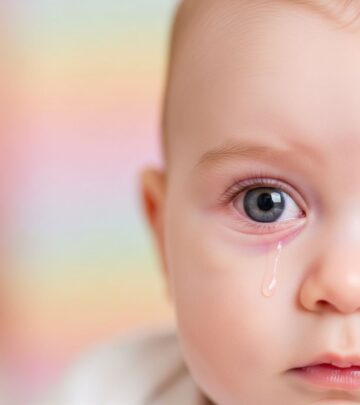
- Excessive tearing, redness, or light avoidance: Could point to allergies, infections, or rare pressure-related conditions like glaucoma.
These signs warrant a professional evaluation, as early intervention can restore normal development.
Refractive Errors: Blurry Vision’s Silent Culprits
Refractive errors top the list of pediatric vision problems, affecting how light bends to reach the retina. Myopia causes distant blur, hyperopia near blur, and astigmatism distorted images at all ranges. Prevalent due to heredity and near-work overload, they manifest as squinting at blackboards or TV.
| Condition | Key Symptoms | Common Age of Onset | Treatment Options |
|---|---|---|---|
| Myopia | Blurry distance vision, sitting close to screens | 6-12 years | Glasses, myopia control drops |
| Hyperopia | Eye strain during reading, headaches | Infancy | Corrective lenses |
| Astigmatism | Distorted shapes, frequent blinking | Any age | Toric lenses or glasses |
Untreated, these can accelerate into amblyopia. Annual check-ups help monitor progression.
Misaligned Eyes: Strabismus and Its Risks
Strabismus, or crossed eyes, occurs when eye muscles fail to align properly, leading to inward, outward, up, or down turns. Affecting up to 4% of children, it disrupts depth perception and invites lazy eye if ignored. Infants may outgrow mild cases, but persistent turns demand attention.
Symptoms include double vision, head turns for single images, and poor hand-eye coordination. Treatment escalates from glasses and patching to surgery for severe cases, ideally before age 7 for best outcomes.
Lazy Eye: Amblyopia’s Deceptive Nature
Amblyopia develops when the brain suppresses input from a weaker eye, often due to strabismus, unequal refractive errors, or cataracts. The child sees fine with the strong eye, masking the issue until school struggles emerge—like reading delays or sports mishaps.
Related Stories



- Head tilting to favor good eye
- Avoiding detailed tasks
- Frequent eye covering
Patching the dominant eye or atropine drops force use of the weak one, with 90% success if treated early. Vision therapy enhances eye-brain teamwork.
Involuntary Eye Movements: Decoding Nystagmus
Nystagmus involves rapid, oscillating eye motions, appearing in infancy or later from neurological issues. It blurs fixation, causing balance woes and poor gaze.
Parents notice side-to-side shakes or circular patterns. While incurable, glasses, prisms, or surgery mitigate effects. Associated conditions like albinism or retinal issues require holistic checks.
Clouded Lenses: Pediatric Cataracts Exposed
Congenital cataracts cloud the lens at birth, impacting 20,000-40,000 kids yearly worldwide. Partial or total opacity hinders light, causing wandering eyes or white pupil glow in photos.
Surgery removes the cloudy lens, implanting artificial ones post-infancy. Delays risk amblyopia, underscoring newborn screenings’ importance.
Binocular and Focus Disorders: Beyond Single-Eye Fixes
Binocular vision dysfunction (BVD) and convergence insufficiency arise from poor eye teaming. BVD symptoms mimic ADHD: anxiety, dizziness, reading fatigue. Convergence issues cause words to “jump” during homework.
Vision therapy—custom exercises—trains coordination, outperforming basic lenses for lasting relief.
Rare but Urgent: Glaucoma and Tumors in Kids
Pediatric glaucoma elevates eye pressure, enlarging corneas (buphthalmos) with tearing, light fear, and cloudy corneas. Emergent surgery prevents optic nerve loss.
Orbital tumors like rhabdomyosarcoma cause swift swelling; urgent imaging rules out infection versus malignancy.
Daily Habits to Foster Healthy Eyesight
Proactive steps complement vigilance:
- Limit screens to 1-2 hours daily, enforcing 20-20-20 breaks.
- Promote 2+ hours outdoors to curb myopia.
- Ensure balanced lighting for reading/play.
- Schedule exams: birth, preschool, school entry, annually thereafter.
When to Seek Immediate Care
Rush to an eye specialist if noting sudden vision loss, painful red eyes, bulging, or trauma. Pediatric ophthalmologists handle complex cases; optometrists suffice for refractions.
Frequently Asked Questions (FAQs)
At what age should my child have their first eye exam?
By 6-12 months, then ages 3 and before school. Early detection averts developmental delays.
Can screen time cause permanent eye damage in kids?
It accelerates myopia but doesn’t cause blindness; management slows progression.
Is lazy eye curable in older children?
Success drops post-7 years but therapies help teens; never too late to start.
What if my child has no complaints but squints?
Kids adapt silently—observe behaviors and get checked regardless.
How do I differentiate allergies from serious issues?
Allergies itch bilaterally; unilateral redness/pain signals infection or worse.
Empowering Parents for Lifelong Vision Success
Armed with knowledge, parents can transform subtle signs into swift action, securing clear sight for learning and joy. Routine vigilance and expert partnerships yield the brightest futures.
References
- 7 Common Pediatric Eye Conditions — Optometrists.org. 2023. https://www.optometrists.org/childrens-vision/guide-to-pediatric-eye-conditions/7-common-pediatric-eye-conditions/
- Signs and Symptoms of Potential Eye Problems — Children’s Hospital of Philadelphia (CHOP). 2024. https://www.chop.edu/conditions-diseases/signs-and-symptoms-potential-eye-problems
- Symptoms of Possible Eye Problems in Children — Nationwide Children’s Hospital. 2023. https://www.nationwidechildrens.org/conditions/health-library/symptoms-of-possible-eye-problems-in-children
- What Are the Most Common Eye Conditions in Children? — Centerville Family Eye Care. 2024. https://www.centervillefamilyeyecare.com/blog/what-are-the-most-common-eye-conditions-in-children.html
- Eye Problems in Children & How They’re Treated — American Academy of Pediatrics (healthychildren.org). 2023. https://www.healthychildren.org/English/health-issues/conditions/eyes/Pages/Specific-Eye-Problems.aspx
- Common eye problems among children — PMC (National Library of Medicine). 2014-02-27. https://pmc.ncbi.nlm.nih.gov/articles/PMC3960696/
- Signs of Possible Eye Problems in Children — Prevent Blindness. 2024. https://preventblindness.org/signs-of-possible-eye-problems-in-children/
Similar Articles








Read full bio of medha deb