Crohn’s Disease Diet: Expert Guide To Managing Flare-Ups
Learn how diet can help manage Crohn's disease symptoms during flares and remission with expert tips from registered dietitian nutritionists.
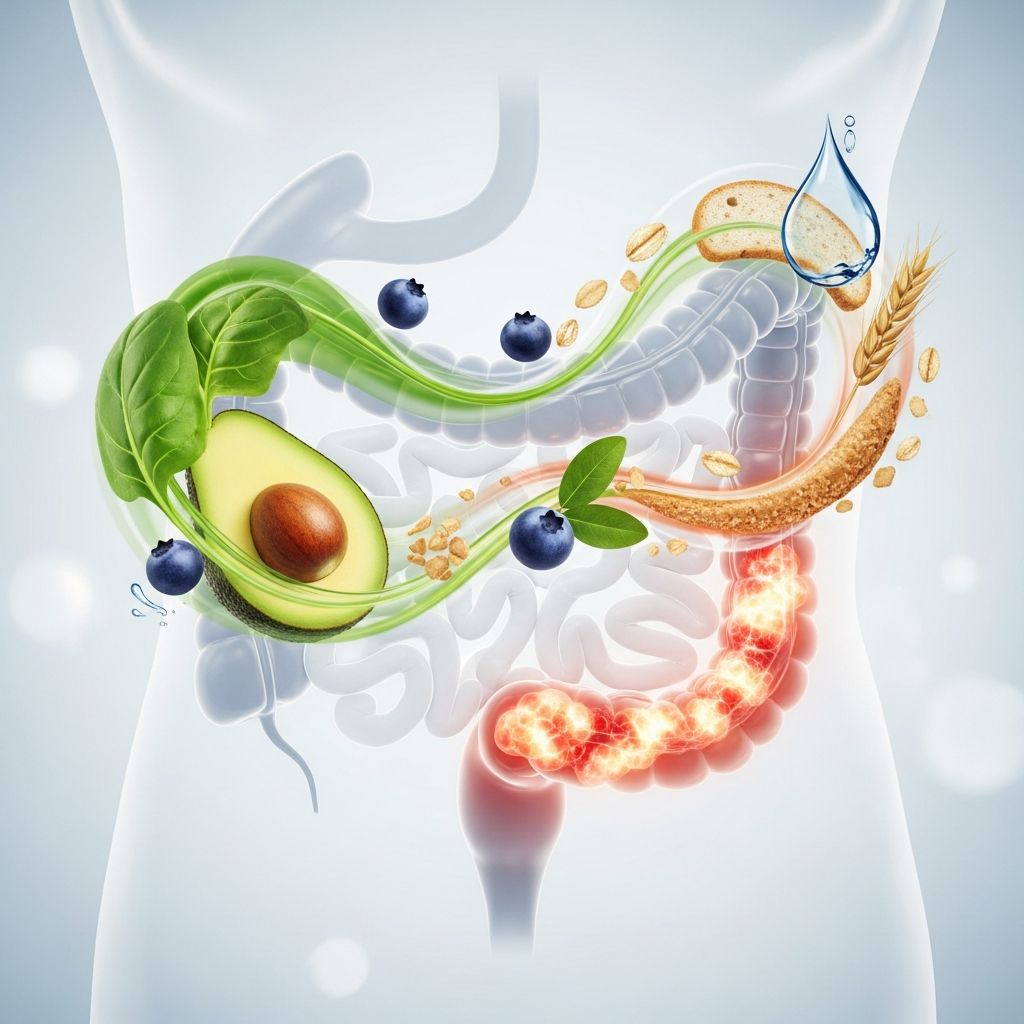
Crohn’s disease is a type of
inflammatory bowel disease (IBD)
that causes chronic inflammation in the digestive tract, leading to symptoms like abdominal pain, diarrhea, fatigue, and weight loss. While there is no one-size-fits-all diet that cures Crohn’s, strategic eating patterns can significantly reduce flare-ups, manage symptoms, and support overall nutrition during both active disease phases and remission. Registered dietitian nutritionists (RDNs) play a crucial role in tailoring plans to individual needs, considering factors like disease location, symptom severity, and nutrient deficiencies common in Crohn’s patients, such as vitamin D, B12, and iron.This article outlines practical dietary approaches based on recommendations from leading health organizations. Key strategies include eating small, frequent meals; staying hydrated; selecting low-residue foods during flares; and gradually incorporating nutrient-dense options in remission. By tracking intake via a food journal and consulting professionals, individuals can identify personal triggers and optimize gut health.
Choose the Right Eating Plan During Flares
During active flares—periods of intensified symptoms like diarrhea, cramping, or strictures—a
low-residue or low-fiber diet
minimizes bowel stimulation and reduces stool volume. Focus on easily digestible foods that are soft, bland, and low in insoluble fiber to ease digestion. Experts recommend 4-6 small meals daily instead of 3 large ones, as this prevents overwhelming the gut and stabilizes energy levels.Simple cooking methods like boiling, poaching, steaming, or baking preserve nutrients without adding irritants. Prepare meals ahead and stock “safe” foods to avoid last-minute choices that could trigger symptoms. If weight loss occurs, incorporate high-calorie, high-protein supplements or shakes as advised by a healthcare provider.
Foods Recommended During Flares
The following foods are gentle on the gut and provide essential calories, protein, and hydration:
- Refined grains: White rice, white pasta, sourdough or gluten-free bread, oatmeal, refined cereals
- Low-fiber fruits: Bananas, applesauce, canned peaches (peeled), cooked or blended fruits without skins/seeds
- Cooked, low-fiber vegetables: Peeled potatoes, well-cooked carrots, asparagus tips, squash, cucumbers (peeled), green beans
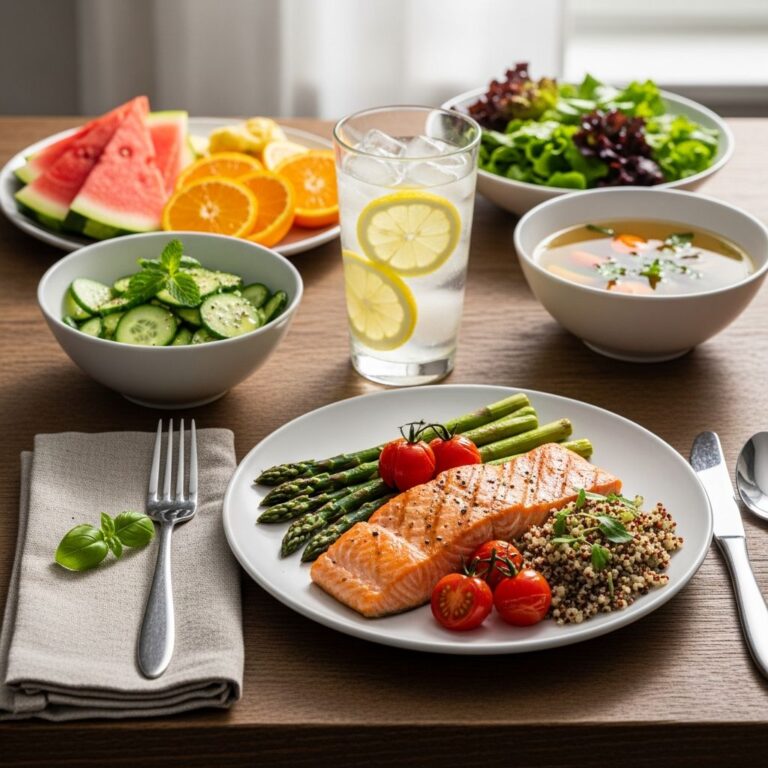
- Lean proteins: Fish (salmon, tuna), skinless chicken or turkey, eggs, firm tofu, lean pork
- Dairy (if tolerated): Lactose-free milk/yogurt, hard cheeses like cheddar or parmesan
- Beverages: Water, broth, tomato juice, oral rehydration solutions
For example, a sample flare meal could be boiled chicken with mashed potatoes and steamed carrots, followed by a banana smoothie.
Foods to Avoid During Flares
These can exacerbate inflammation, gas, or blockages, especially in stricturing disease:
- High-fiber items: Whole grains, bran, raw fruits/vegetables, beans, nuts, seeds, popcorn
- Gas-producing veggies: Broccoli, cauliflower, cabbage, onions, Brussels sprouts
- Irritants: Spicy foods (chili, curry), caffeine, alcohol, carbonated drinks
- High-fat: Fried foods, fatty meats, butter, cream sauces
- Sugary: Pastries, sodas, candies
| Meal | Foods | Notes |
|---|---|---|
| Breakfast | Oatmeal with banana & lactose-free yogurt | ~400 cal, high protein |
| Snack 1 | White toast with boiled egg | Easy digest |
| Lunch | Steamed fish, white rice, mashed potatoes | Low fiber |
| Snack 2 | Applesauce & cheddar cheese | Hydrating |
| Dinner | Poached chicken, cooked carrots, broth | Lean protein |
| Snack 3 | Protein shake with refined cereal | Nutrient boost |
Related Stories



Eating During Symptom-Free Periods (Remission)
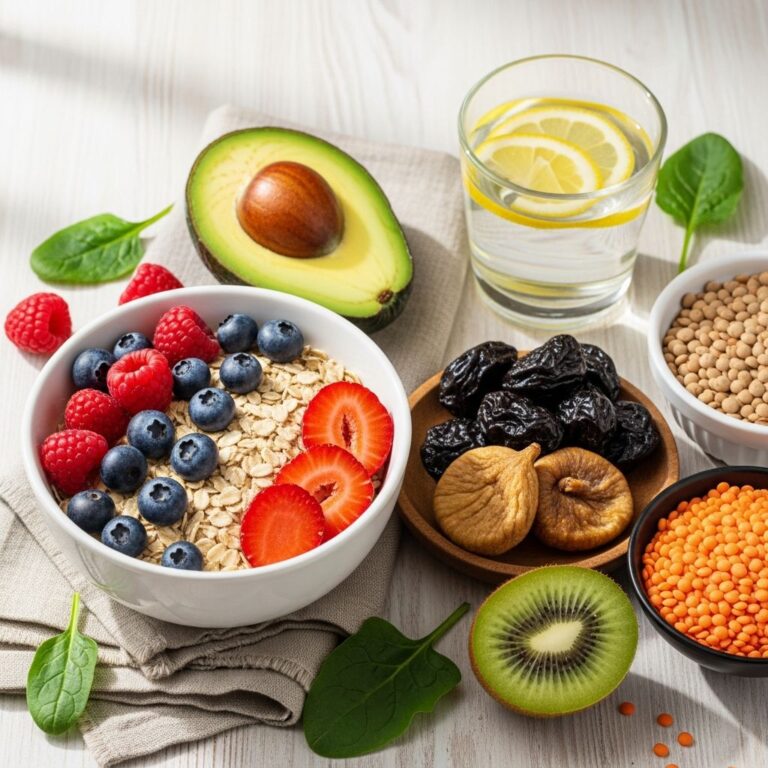
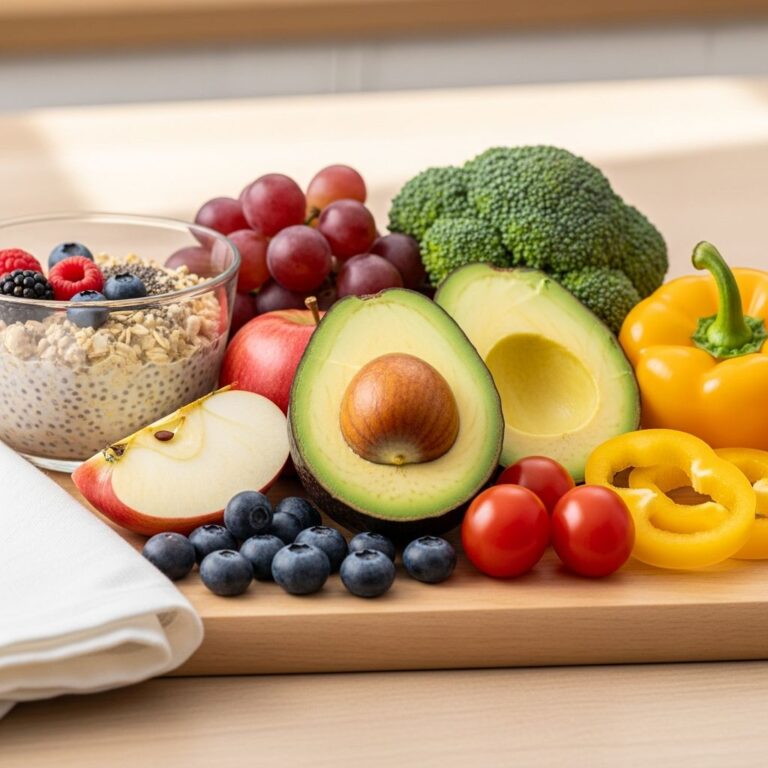
In remission, expand your diet to include anti-inflammatory, nutrient-rich foods that support gut healing and prevent deficiencies. Gradually reintroduce high-fiber plants, omega-3s, and variety to promote microbiome health—one new food at a time in small amounts. Mediterranean-style or anti-inflammatory diets show promise, emphasizing fruits, veggies, fatty fish, and whole grains while limiting processed foods.
Aim for balanced plates: half non-starchy veggies, quarter lean protein, quarter whole grains. Protein needs rise during recovery for tissue repair; include sources like eggs, fish, and tofu daily.
Foods to Include in Remission
- Anti-inflammatory fruits/veggies: Berries, raspberries, squashes, leafy greens (cooked), fork-tender carrots
- Whole grains: Oatmeal, brown rice (if tolerated), quinoa
- Omega-3 rich: Salmon, tuna, walnuts, chia/flax seeds
- Proteins: Poultry, eggs, yogurt, nut butters (smooth)
- Fats: Avocado, olive oil—don’t avoid healthy fats
Boost calories with add-ons like olive oil, avocado, or smoothies if underweight.
Stay Well Hydrated
Dehydration risks rise with diarrhea; drink 8-12 cups of fluids daily in small sips. Prioritize water, broths, and hydrating foods over caffeine/alcohol. Oral rehydration solutions restore electrolytes effectively.
Supplements for Crohn’s Disease
Common deficiencies require targeted supplementation: vitamin D (600-2000 IU/day, per doctor), B12, iron, calcium. High-calorie shakes aid malnutrition. Always consult providers to avoid interactions.
Work with a Registered Dietitian Nutritionist
RDNs create personalized plans, interpret food journals, and address intolerances like lactose. They guide low-FODMAP trials or enteral nutrition if needed.
Frequently Asked Questions (FAQs)
Can I eat dairy with Crohn’s disease?
If lactose intolerant, opt for lactose-free options or lactase enzymes. Hard cheeses and yogurt are often tolerated.
How often should I eat during flares?
4-6 small meals/snacks every 3-4 hours to ease digestion.
Are plant-based diets good for Crohn’s?
Yes, tolerated fruits/veggies reduce inflammation; expand gradually.
What if I’m losing weight?
Increase calories/protein via supplements and nutrient-dense snacks.
Should I avoid all fiber?
Only insoluble fiber during flares; soluble fiber aids in remission.
References
- Diet for Crohn’s Disease — UMass Memorial Health. 2024. https://www.ummhealth.org/health-library/diet-for-crohns-disease
- Healthy Eating with Crohn’s Disease — CVS Specialty. 2024. https://www.cvsspecialty.com/find-resources/conditions/crohns-disease/healthy-eating-with-crohns-disease.html
- Crohn’s Disease and Diet — Academy of Nutrition and Dietetics. 2024. https://www.eatright.org/health/health-conditions/digestive-and-gastrointestinal/crohns-disease-and-diet
- Creating a Crohn’s Disease Diet Plan — WebMD. 2024. https://www.webmd.com/ibd-crohns-disease/crohns-disease/creating-a-crohns-disease-diet-plan
- What Should I Eat with Crohn’s or Colitis? IBD Diet Guide — Crohn’s & Colitis Foundation. 2024. https://www.crohnscolitisfoundation.org/patientsandcaregivers/diet-and-nutrition/what-should-i-eat
- Nutrition in Inflammatory Bowel Disease: Strategies to Improve — PMC (NCBI). 2024-10-15. https://pmc.ncbi.nlm.nih.gov/articles/PMC12110586/
Similar Articles








Read full bio of Sneha Tete