Crohn’s Disease Diet: Expert Guide To Foods To Eat And Avoid
Discover the best foods to eat and avoid for managing Crohn's disease symptoms and achieving remission through targeted dietary strategies.
Crohn’s disease, a type of inflammatory bowel disease (IBD), causes chronic inflammation in the digestive tract, leading to symptoms like abdominal pain, diarrhea, fatigue, and weight loss. While there’s no cure, diet plays a crucial role in managing symptoms, inducing remission, and preventing flares. Evidence-based approaches like the Crohn’s Disease Exclusion Diet (CDED) offer promising alternatives to medications, particularly for mild to moderate cases in children and adults.
This article covers the best dietary strategies, including CDED phases, recommended foods, items to avoid, and practical tips tailored to flare-ups and remission phases. Always consult a healthcare provider or registered dietitian before making changes, as individual needs vary based on disease location, severity, and nutritional status.
What Is the Crohn’s Disease Exclusion Diet (CDED)?
The
Crohn’s Disease Exclusion Diet (CDED)
is a structured, whole-food-based dietary therapy designed to reduce exposure to potentially pro-inflammatory food components that disrupt the gut microbiota, immune response, and intestinal barrier. Unlike exclusive enteral nutrition (EEN), which relies solely on liquid formulas, CDED emphasizes real foods while excluding triggers like processed items, emulsifiers, and certain carbohydrates.CDED is divided into three phases for better adherence:
- Phase 1 (Weeks 0-6): Highly restrictive to induce remission, focusing on high-quality proteins (e.g., chicken, fish, eggs), microbiome-supporting foods (e.g., fermented dairy like yogurt), and excluding gluten, dairy (except specific yogurts), processed meats, and high-FODMAP items.
- Phase 2 (Weeks 6-12): Gradual reintroduction of tolerated foods like some grains and fruits to maintain remission while testing tolerances.
- Phase 3 (Week 13+): Long-term maintenance with personalization, aiming for sustained remission without immunomodulators in select cases.
Studies show CDED plus partial enteral nutrition (PEN) achieves 75% clinical remission at week 6 in pediatric patients, outperforming EEN (59%), with better tolerability and sustained effects up to 24 weeks. In adults, remission rates reach 68% at week 6 with CDED + PEN. Mechanisms include reduced fecal calprotectin (a marker of inflammation), shifts in gut bacteria (e.g., decreased Proteobacteria, increased Firmicutes), and lowered kynurenine levels linked to sustained remission.
How Does Diet Affect Crohn’s Disease?
Diet influences Crohn’s through multiple pathways: certain foods exacerbate inflammation via microbiota dysbiosis, while others support mucosal healing and immune balance. High-fiber diets may reduce IBD risk long-term but worsen active flares due to insoluble fiber irritating narrowed intestines.
Plant-based, low-residue diets during flares minimize residue that ferments in the gut, causing gas and pain. Conversely, anti-inflammatory diets like CDED promote beneficial bacteria and barrier integrity. Research from the DIETOMICS-CD trial shows CDED + PEN sustains 60% remission at 24 weeks in children versus 42% with EEN. Mayo Clinic recommends smaller, frequent meals, hydration, and limiting dairy, caffeine, alcohol during flares.
Best Diet for Crohn’s Disease
No one-size-fits-all diet exists, but
CDED
is the most evidence-based for induction and maintenance, especially with mild-moderate disease. Alternatives include low-FODMAP, Specific Carbohydrate Diet (SCD), or Mediterranean-style plans adapted for IBD.| Diet | Best For | Remission Rate (Evidence) | Source |
|---|---|---|---|
| CDED + PEN | Pediatric/Adult Induction & Maintenance | 75% at 6 weeks (kids); 68% adults | |
| EEN | Severe Pediatric Flares | 59% at 6 weeks | |
| Low-Residue | Active Flares | Symptom Relief |
Related Stories



For severe cases, CDED serves as a bridge to medications. Multidisciplinary teams, including dietitians, enhance success.
What to Eat on a Crohn’s Disease Diet
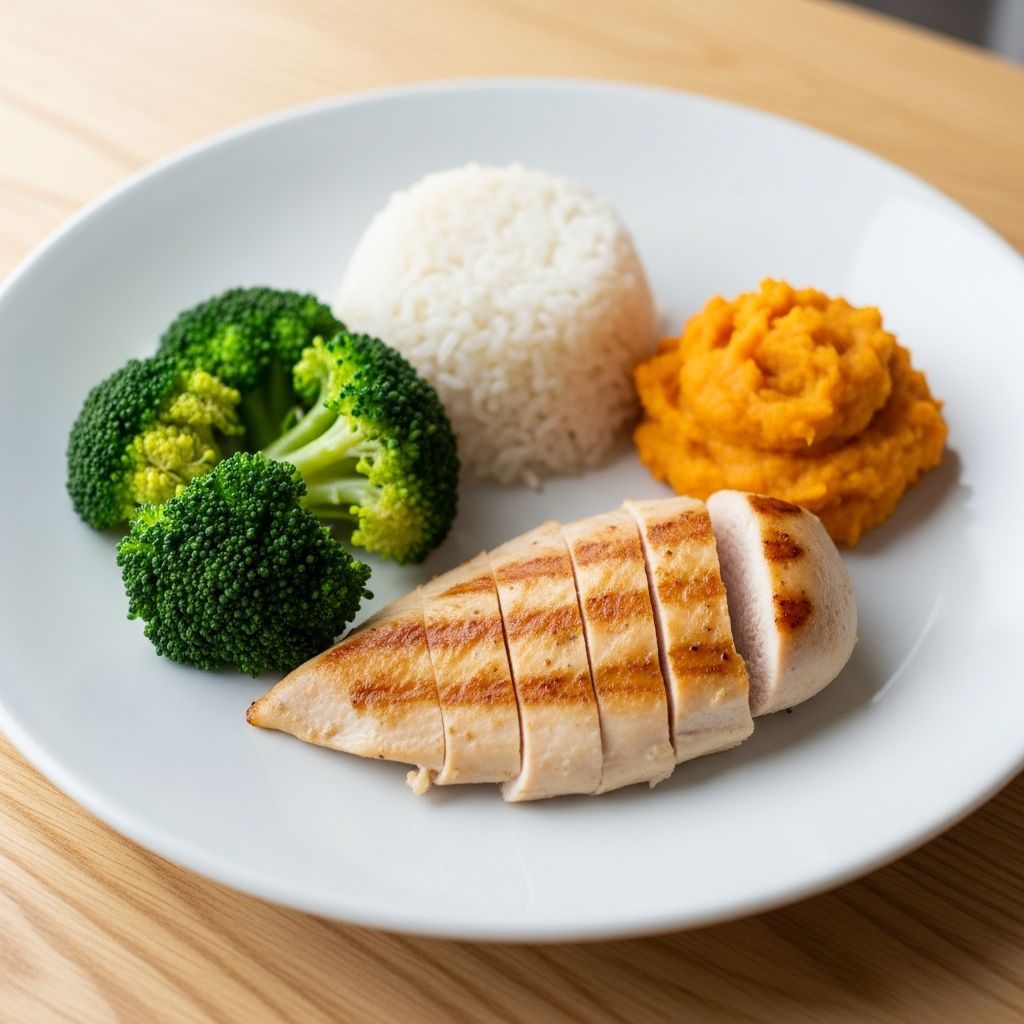
Focus on easily digestible, nutrient-dense foods. During remission, incorporate fiber gradually; during flares, prioritize low-fiber options.
Grains
Refined grains are gentler during flares; whole grains support remission.
- Rice and rice pasta
- Potatoes (peeled, boiled)
- Cornmeal, polenta
- Oatmeal (small portions)
- Bread without seeds/nuts
Fruits and Vegetables
Cooked or peeled to reduce fiber.
- Applesauce, bananas
- Cantaloupe, peeled cucumbers
- Steamed bell peppers, squash, pumpkin
Proteins
Lean sources minimize fat-related irritation.
- Eggs, fish, shellfish
- White meat poultry, pork tenderloin
- Tofu, peanut butter (smooth)
CDED emphasizes chicken skin-off, turkey, hard cheeses in later phases.
What Not to Eat If You Have Crohn’s Disease
Avoid triggers that promote inflammation or poor digestion.
Grains to Limit
- Whole wheat bread, bran cereals (high insoluble fiber)
Fruits and Vegetables to Limit
- Apples with skin, cherries, peaches, plums
- Broccoli, cabbage, cauliflower, artichokes (gas-producing)
Proteins to Avoid
- Red meat, sausages
- Dark meat poultry, fried meats
CDED excludes: industrial sugars, gluten, emulsifiers (e.g., soy lecithin), canned tuna, soft cheeses.
Crohn’s Disease Diet During a Flare
Opt for
low-residue, low-fat
meals: small portions, 5-6 times daily. Blend foods if needed. Hydrate with oral rehydration solutions.- Sample Flare Day: Oatmeal breakfast, baked fish with mashed potatoes lunch, applesauce snack, rice/chicken dinner.
Avoid raw produce, nuts, popcorn.
Crohn’s Disease Diet for Remission
Transition to CDED Phase 3 or Mediterranean diet: boost prebiotics (e.g., psyllium), omega-3s from fish. Monitor with fecal calprotectin tests. Studies show 80% sustain remission at 24 weeks with CDED.
Sample Crohn’s Disease Meal Plan
Phase 1 CDED Example (1 Day):
| Meal | Foods |
|---|---|
| Breakfast | Oatmeal with banana, plain yogurt |
| Lunch | Baked chicken, steamed potatoes, carrots |
| Dinner | Grilled fish, rice, peeled cucumber |
| Snacks | Applesauce, hard-boiled egg |
Adjust calories for weight maintenance; supplement if deficient (e.g., B12, iron).
Supplements for Crohn’s Disease
Common needs: vitamin D, calcium, probiotics (strain-specific, e.g., VSL#3). Omega-3s reduce inflammation. CDED may suffice without PEN long-term.
Frequently Asked Questions (FAQs)
Can diet alone cure Crohn’s disease?
No, but CDED induces remission in 57-75% of mild-moderate cases, potentially delaying meds.
Is CDED suitable for adults?
Yes, pilot trials show 68% remission at 6 weeks.
What if I can’t tolerate CDED Phase 1?
Work with a dietitian; start with EEN or modified PEN.
Does dairy worsen Crohn’s?
Often; limit lactose, but fermented options like yogurt are CDED-approved.
How long to follow CDED?
Minimum 12 weeks induction, 9+ months maintenance.
(Word count: 1678)
References
- Crohn’s Disease Exclusion Diet: A Comprehensive Review — Academic OUP, Inflammatory Bowel Diseases. 2024-10-01. https://academic.oup.com/ibdjournal/article/30/10/1888/7427613
- Crohn’s Disease Diet: Foods to Eat, Avoid, and More — Healthline. 2023-01-01. https://www.healthline.com/health/crohns-disease/nutrition-guide
- The Crohn’s Disease Exclusion Diet: A Comprehensive Review — PubMed/NCBI. 2023-11-01. https://pubmed.ncbi.nlm.nih.gov/37978895/
- Crohn’s disease – Symptoms and causes — Mayo Clinic. 2024-01-01. https://www.mayoclinic.org/diseases-conditions/crohns-disease/symptoms-causes/syc-20353304
Similar Articles








Read full bio of medha deb