Crohn’s Disease: Causes, Symptoms, and Treatment
Complete guide to understanding Crohn's disease symptoms, causes, and treatment options.
What Is Crohn’s Disease?
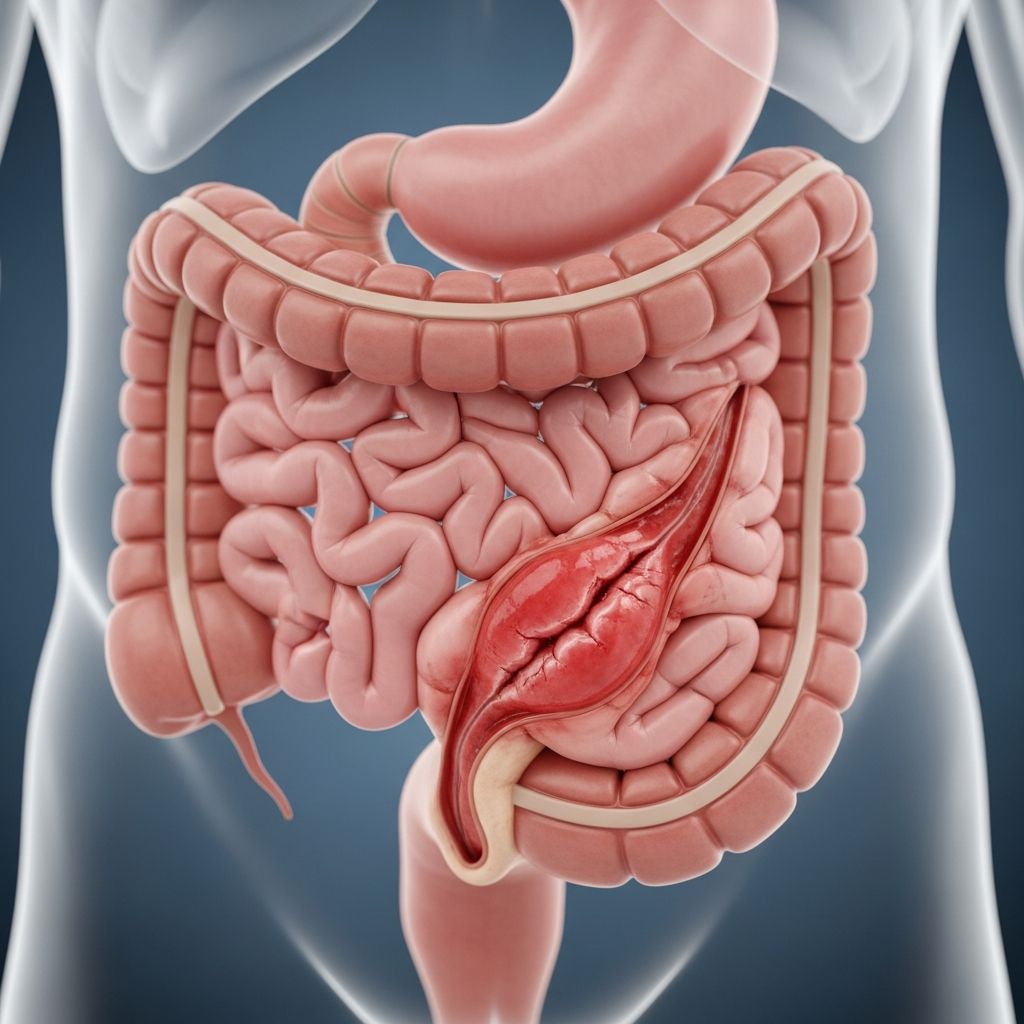
Crohn’s disease is a chronic inflammatory bowel disease (IBD) that causes inflammation and irritation in the digestive tract. Unlike ulcerative colitis, which affects only the colon and rectum, Crohn’s disease can develop anywhere in the digestive system, from the mouth to the anus. The condition most commonly affects the end of the small intestine (called the ileum) and the beginning of the large intestine (colon). The inflammation associated with Crohn’s disease extends through all layers of the bowel wall, which can lead to severe complications if left untreated.
Crohn’s disease is a lifelong condition that requires ongoing medical management and lifestyle adjustments. While there is no cure, various treatments can help control symptoms and reduce inflammation, allowing individuals to maintain quality of life and prevent serious complications.
Causes and Risk Factors
The exact cause of Crohn’s disease remains unknown, but research suggests that a combination of genetic, environmental, and immune system factors contribute to its development. Understanding these risk factors can help individuals recognize their susceptibility to the condition.
Genetic Factors
Genetics play a significant role in Crohn’s disease susceptibility. If you have a family history of IBD, your risk of developing the condition increases substantially. Studies indicate that approximately 15-30% of people with Crohn’s disease have a close relative with the condition. Certain gene mutations have been identified that increase vulnerability to inflammatory bowel diseases, particularly genes affecting immune system regulation.
Immune System Dysfunction
In individuals with Crohn’s disease, the immune system mistakenly attacks beneficial bacteria and cells in the digestive tract, triggering chronic inflammation. This autoimmune response is thought to be triggered by an abnormal reaction to intestinal bacteria, though the precise mechanism remains under investigation.
Environmental Factors
Environmental triggers may include:
- Smoking, which significantly increases disease severity and risk
- Dietary choices and food sensitivities
- Infections that may trigger immune system activation
- Stress and psychological factors
- Use of certain medications, such as nonsteroidal anti-inflammatory drugs (NSAIDs)
Symptoms of Crohn’s Disease
Symptoms of Crohn’s disease vary widely depending on the location and severity of inflammation. Some individuals experience severe symptoms, while others have mild manifestations. Symptoms can develop gradually or appear suddenly.
Common Gastrointestinal Symptoms
The primary symptoms affecting the digestive system include:
- Persistent diarrhea: Often the earliest sign, occurring multiple times daily
- Abdominal pain and cramping: Ranging from mild to severe, often worsening after eating
- Rectal bleeding: Visible blood in stool or blood on toilet paper
- Urgency to defecate: Frequent bowel movements, especially during flare-ups
- Loss of appetite: Leading to unintended weight loss
- Malabsorption issues: Difficulty absorbing nutrients from food
Systemic Symptoms
Beyond digestive symptoms, Crohn’s disease can cause systemic manifestations:
- Fatigue and weakness
- Fever during flare-ups
- Joint pain and arthritis
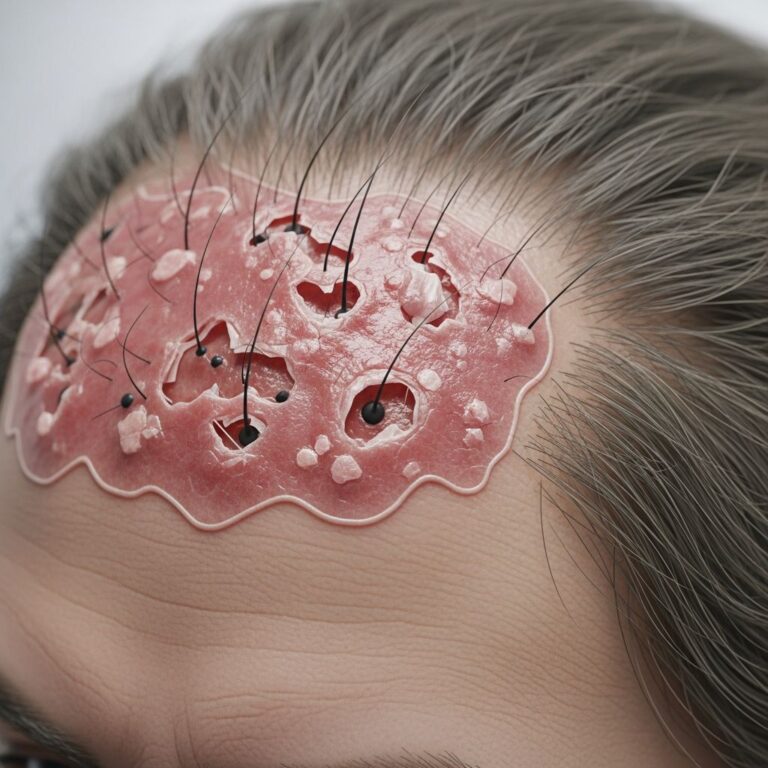
- Skin manifestations, such as erythema nodosum or pyoderma gangrenosum
- Eye inflammation (uveitis)
- Mouth ulcers and aphthous stomatitis
Diagnosis of Crohn’s Disease
Diagnosing Crohn’s disease involves a comprehensive evaluation combining clinical assessment, laboratory tests, and imaging studies. Because symptoms overlap with other gastrointestinal conditions, proper diagnosis is essential for appropriate treatment.
Medical History and Physical Examination
Your healthcare provider will conduct a thorough medical history, inquiring about symptom duration, frequency, severity, and impact on daily life. Family history of IBD is particularly important to establish. A physical examination may reveal signs of malnutrition, abdominal distension, or tenderness.
Related Stories



Laboratory Tests
Blood and stool tests help identify inflammation and rule out infections:
- Complete blood count (CBC): May show anemia from chronic bleeding or inflammation
- Inflammatory markers: Elevated C-reactive protein (CRP) and erythrocyte sedimentation rate (ESR) indicate inflammation
- Fecal calprotectin: A non-invasive marker of intestinal inflammation
- Stool culture: Excludes infectious causes of symptoms
- Albumin levels: Indicates nutritional status and protein malabsorption
Endoscopic Procedures
Colonoscopy is the gold standard for diagnosing Crohn’s disease, allowing direct visualization of the colon and ileum. The procedure enables biopsies to confirm inflammation and rule out other conditions. Upper endoscopy may be performed if symptoms suggest upper digestive tract involvement.
Imaging Studies
Imaging techniques provide detailed information about inflammation and complications:
- CT enterography: Provides cross-sectional images of the small bowel
- Magnetic resonance enterography (MRE): Offers excellent soft tissue visualization without radiation
- Abdominal ultrasound: May identify complications like strictures or fistulas
Treatment Options for Crohn’s Disease
Treatment goals focus on reducing inflammation, controlling symptoms, and preventing complications. A multi-faceted approach combining medications, dietary modifications, and lifestyle changes typically yields the best outcomes.
Medications
Anti-inflammatory Drugs
5-aminosalicylic acid (5-ASA) agents, such as mesalamine, reduce inflammation in the digestive tract. These medications are often used for mild to moderate disease and are available in various formulations including oral tablets, enemas, and suppositories.
Corticosteroids
Medications like prednisone and budesonide suppress immune system activity and reduce inflammation. While effective for acute flare-ups, they are not ideal for long-term maintenance due to potential side effects with extended use, including bone loss, weight gain, and increased infection risk.
Immunosuppressants
These medications, including azathioprine and 6-mercaptopurine, suppress immune system function and may allow reduction of corticosteroid doses. They require regular monitoring through blood tests.
Biologic Therapies
Biologic medications, such as TNF inhibitors (infliximab, adalimumab), interleukin inhibitors, and integrin antagonists, target specific immune system components driving inflammation. These represent significant advances in treatment, particularly for moderate to severe disease.
Dietary Management
While diet does not cause Crohn’s disease, certain foods can trigger symptoms. Working with a dietitian helps identify personal triggers and maintain adequate nutrition:
- Limit high-fiber foods during flare-ups
- Avoid dairy if lactose intolerance is present
- Reduce fatty and greasy foods
- Stay hydrated with water and electrolyte-containing beverages
- Consider nutrient supplementation if malabsorption occurs
- Keep a food diary to identify problematic foods
Surgical Intervention
Approximately 75% of people with Crohn’s disease eventually require surgery. Common surgical procedures include:
- Bowel resection: Removal of severely diseased segments
- Stricturoplasty: Widening narrowed sections without removing tissue
- Fistula repair: Closure of abnormal connections between bowel segments
Complications of Crohn’s Disease
Without proper management, Crohn’s disease can lead to serious complications affecting both the digestive system and overall health.
Gastrointestinal Complications
- Strictures: Narrowing of the bowel causing obstruction
- Fistulas: Abnormal tunnels connecting bowel segments or organs
- Abscesses: Pockets of infection in the abdomen
- Toxic megacolon: Severe dilation of the colon requiring emergency intervention
- Perforations: Holes in the bowel wall leading to peritonitis
Systemic Complications
- Malnutrition and deficiencies in iron, vitamin B12, and vitamin D
- Osteoporosis from chronic corticosteroid use and malabsorption
- Increased risk of colorectal cancer
- Anemia from chronic bleeding and iron deficiency
- Growth and developmental delays in children
Living with Crohn’s Disease
Lifestyle Modifications
Managing Crohn’s disease extends beyond medication and includes:
- Stress management: Stress can trigger flare-ups; consider meditation, yoga, or counseling
- Regular exercise: Low-impact activities support overall health without aggravating symptoms
- Smoking cessation: Critical for disease control and overall health
- Sleep optimization: Adequate rest supports immune function
- Regular healthcare monitoring: Consistent follow-up appointments ensure treatment optimization
Emotional and Psychological Support
Living with a chronic condition like Crohn’s disease can impact mental health. Depression and anxiety are common in individuals with IBD. Mental health support through therapy, support groups, or counseling can significantly improve quality of life and disease management outcomes.
Prognosis and Long-Term Outlook
While Crohn’s disease is chronic and incurable, most individuals live normal lifespans with proper treatment. Modern therapeutic options have dramatically improved outcomes, enabling disease remission and reducing disability. With appropriate medical management, lifestyle modifications, and psychological support, individuals with Crohn’s disease can achieve good quality of life, maintain employment, and pursue personal goals.
Frequently Asked Questions
Q: Is Crohn’s disease hereditary?
A: Crohn’s disease has a genetic component, and having a family history increases risk. However, genetics alone do not determine development; environmental factors also play important roles.
Q: Can Crohn’s disease be cured?
A: Currently, there is no cure for Crohn’s disease. However, various treatments effectively manage symptoms and achieve disease remission, allowing individuals to lead normal, productive lives.
Q: Does diet cause Crohn’s disease?
A: No, diet does not cause Crohn’s disease. However, specific foods can trigger symptoms in susceptible individuals, making dietary management important for symptom control.
Q: Can I have children if I have Crohn’s disease?
A: Yes, most individuals with well-controlled Crohn’s disease can have healthy pregnancies and children. Discuss contraception and pregnancy planning with your healthcare provider, as some medications require adjustment.
Q: How often do Crohn’s flare-ups occur?
A: Flare frequency varies considerably. Some individuals experience frequent flare-ups, while others have long remission periods. Proper treatment and lifestyle management help minimize flare occurrence.
Q: Is Crohn’s disease contagious?
A: No, Crohn’s disease is not contagious. It is an autoimmune condition resulting from genetic and environmental factors, not infectious agents.
References
- Inflammatory Bowel Disease (IBD) — Centers for Disease Control and Prevention. Updated 2024. https://www.cdc.gov/ibd/index.html
- Crohn’s Disease: MedlinePlus Overview — National Library of Medicine. Updated 2024. https://medlineplus.gov/crohnsdisease.html
- The Epidemiology and Genetics of Inflammatory Bowel Disease — Gastroenterology & Hepatology. Peer-reviewed journal article. https://www.ncbi.nlm.nih.gov/pmc/articles/PMC3935841/
- Crohn’s and Colitis Foundation: Patient Resources — Crohn’s and Colitis Foundation. 2024. https://www.crohnscolitis foundation.org/
- Biologic Therapies in Inflammatory Bowel Disease: An Update — American Gastroenterological Association. 2023. https://gastro.org/
Similar Articles








Read full bio of medha deb