Cromolyn Sodium Nasal Spray: Uses, Dosage & Side Effects
Complete guide to cromolyn sodium nasal spray for allergic rhinitis treatment and symptom prevention.
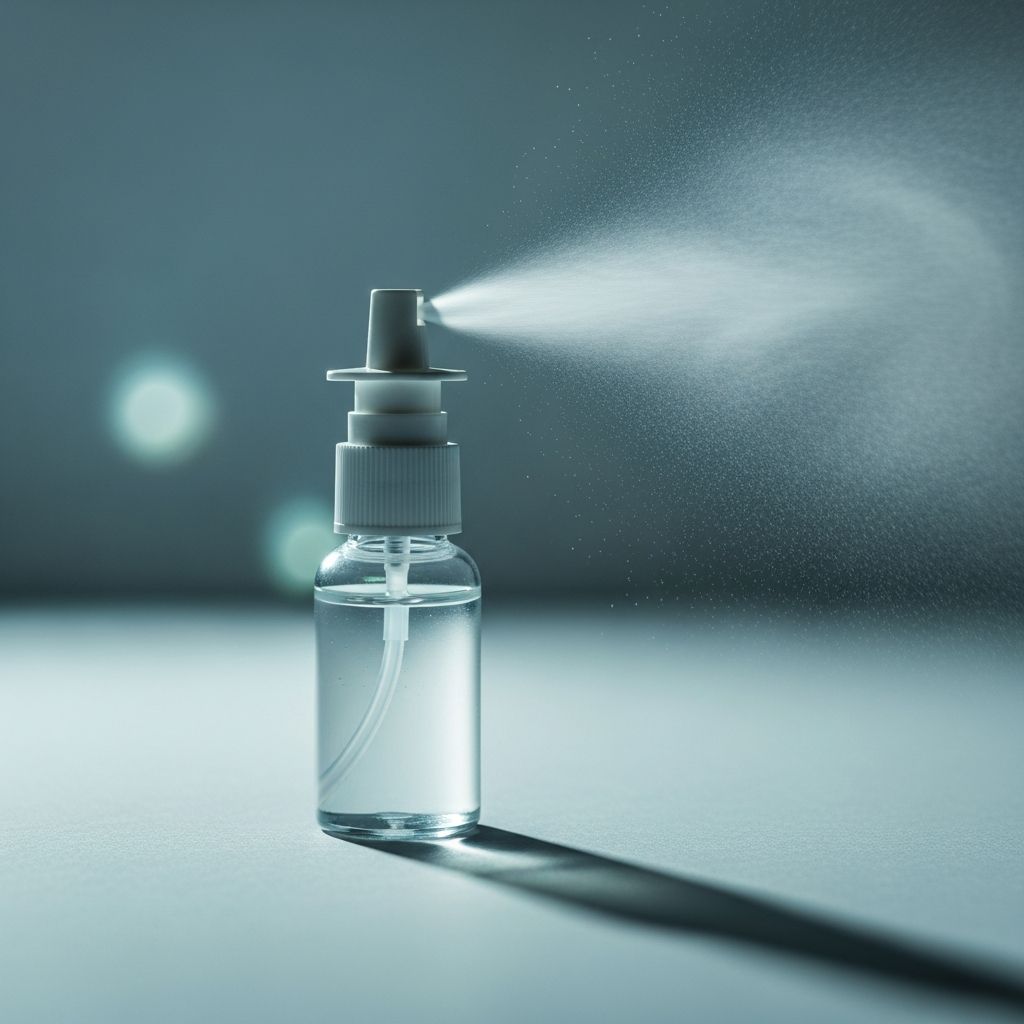
What is Cromolyn Sodium Nasal Spray?
Cromolyn sodium nasal spray, commonly known by the brand name Nasalcrom, is an anti-allergy medication designed to prevent and manage symptoms of allergic rhinitis. Allergic rhinitis is a condition where the inside of your nose becomes inflamed and irritated, typically triggered by allergic reactions to substances such as pollen, dust, animal fur, or other environmental allergens. This medication belongs to a class of drugs called mast cell stabilizers, which work by stabilizing cells involved in allergic responses and reducing the release of chemical mediators that cause allergy symptoms.
Unlike medications that treat acute allergy symptoms after they develop, cromolyn sodium is designed as a preventive medication. It is available both by prescription and over-the-counter at pharmacies, making it accessible to adults and children aged 2 years and older. The medication is available exclusively as a nasal spray formulation and should not be taken by mouth.
How Does Cromolyn Sodium Work?
Cromolyn sodium functions through a unique mechanism of action that distinguishes it from other allergy medications. The medication makes certain cells in your body that are involved in allergic reactions more stable. These cells, called mast cells, normally release chemical mediators responsible for triggering allergic symptoms when exposed to allergens.
By stabilizing these mast cells, cromolyn sodium reduces the release of these chemical substances, which helps prevent allergic symptoms from developing in the first place. This preventive approach means the medication is most effective when used regularly before symptoms occur, rather than as a treatment for symptoms that have already developed. For this reason, if you are using the spray for seasonal allergies such as hay fever, it is recommended to start using it 2-3 weeks before the allergy season begins and to continue using it regularly, even if your symptoms are well controlled.
Uses and Indications
Cromolyn sodium nasal spray is primarily used to prevent and manage symptoms associated with allergic rhinitis. The medication is particularly effective for addressing a range of nasal symptoms caused by allergies:
- Stuffy or blocked nose
- Runny nose
- Sneezing
- Itchy nose
- Nasal congestion
- Mucus dripping into the back of the throat (postnasal drip)
The medication is used for both seasonal (short-term) and chronic (long-term) allergic rhinitis. Seasonal allergies, commonly known as hay fever, occur during specific times of the year when certain allergens are more prevalent in the environment. Chronic allergic rhinitis, on the other hand, occurs year-round due to constant exposure to allergens such as pet dander or dust mites.
Cromolyn sodium is FDA-approved for allergic rhinitis and other indications including asthma prophylaxis and mast cell diseases. However, it is important to note that cromolyn sodium is not effective for treating acute asthma attacks and should not be used for this purpose.
Dosage and Administration
The appropriate dosage of cromolyn sodium nasal spray depends on the formulation and the individual’s age. Understanding the correct dosage and administration technique is essential for obtaining maximum benefit from the medication.
Standard Dosing Instructions
The usual recommended dose is one spray into each nostril two to four times each day. However, dosage recommendations may vary based on age and individual needs:
Related Stories



- Adults and children 6 years of age and older: One spray into each nostril three to six times a day until condition improves; then, one spray in each nostril every eight to twelve hours.
- Children 2 to 6 years of age: Dosage must be determined by your doctor.
- Children younger than 2 years: Use should be determined by healthcare professionals.
Each nasal spray actuation delivers 5.2 mg of cromolyn sodium. It is crucial to use the spray regularly, even if your symptoms are well controlled, as the medication works by preventing allergies from starting rather than treating symptoms that have already developed. Your doctor will advise you about how long you should continue using the spray.
Proper Administration Technique
To ensure the medication works effectively and safely, it is important to use the nasal spray correctly:
- Before using the medicine, clear your nasal passages by blowing your nose gently.
- Close one nostril by placing a finger against one side of your nose.
- Using your other hand, place one finger on each side of the nozzle of the spray bottle and insert the nozzle into your open nostril.
- Try to keep the bottle upright as you do this to ensure proper spray delivery.
- Breathe in through your nose as you press down on the nozzle to activate the spray.
- Remove the nozzle from your nostril and breathe out through your mouth.
- After each use, wipe the nosepiece with a clean tissue and replace the dust cap to keep it clean.
- Do not use the same container for more than one person to avoid spreading infections.
Reading the manufacturer’s printed information leaflet included in the medication package will provide a detailed step-by-step guide on proper usage technique.
Before Using Cromolyn Sodium Nasal Spray
Before starting treatment with cromolyn sodium nasal spray, it is important that your doctor or pharmacist knows about your medical history and current health status. Inform them if:
- You have ever had an allergic reaction to any medicine, including cromolyn sodium itself.
- You are pregnant, trying to become pregnant, or breastfeeding, as you should only take medicines on the recommendation of a doctor during these periods.
- You have any other medical conditions or concerns.
This information helps ensure that cromolyn sodium nasal spray is the appropriate and safe treatment option for your specific situation.
Side Effects and Adverse Reactions
While cromolyn sodium nasal spray is generally well-tolerated, some individuals may experience side effects. Understanding potential adverse reactions can help you determine whether the benefits of treatment outweigh any risks.
Common Side Effects
Side effects from cromolyn sodium do not commonly occur, but when they do happen, they are typically mild. The most frequently reported adverse effects include:
- Nasal irritation: Mild irritation of the nasal passages
- Brief stinging or burning: A temporary stinging or burning sensation in the nose immediately after using the spray, which usually subsides quickly.
- Nasal congestion: Temporary stuffiness in the nasal passages
- Sneezing: Increased sneezing may occur in some users
- Nasal itching: Itching sensation in the nasal passages
- Nosebleeds: Rare occurrences of minor bleeding from the nose
- Headaches: Some users may experience headaches
When to Contact Your Doctor
If nasal irritation becomes troublesome or persistent, you should contact your doctor. Most side effects are mild and temporary, resolving on their own with continued use. However, if you experience any concerning symptoms or adverse reactions, it is important to seek medical advice.
Getting the Most from Your Treatment
To maximize the effectiveness of cromolyn sodium nasal spray, follow these recommendations:
- Read the information leaflet: Before you start the treatment, carefully read the manufacturer’s printed information leaflet included in the medication package.
- Use regularly: Use the spray at regular intervals, even if your symptoms are well controlled. This is crucial because the medication works by preventing allergies from starting rather than treating symptoms that have already developed.
- Start early for seasonal allergies: If you are using the spray for hay fever or other seasonal allergies, start using it 2-3 weeks before the season begins.
- Follow dosage instructions: Do not use the spray more often than directed by your doctor or the package instructions.
- Allow time for effectiveness: The medication may take up to 4 weeks for patients to experience maximum benefit, as it is preventive rather than immediately acting medication.
- Maintain proper technique: Ensure you are using the nasal spray correctly to achieve optimal medication delivery.
- Consult your doctor: Your doctor will advise you about how long you should use the spray and may adjust your dosage based on your response to treatment.
Availability and Purchase Options
Cromolyn sodium nasal spray is available through multiple channels, making it accessible to patients. The medication is available on prescription, meaning your doctor can recommend it as part of your treatment plan. Additionally, you can buy it without a prescription at a pharmacy, as it is approved for over-the-counter use in adults and children aged 2 years and older. This over-the-counter availability makes it convenient for individuals who have previously used the medication or who wish to try it without a doctor’s visit.
Medication Information Summary Table
| Characteristic | Details |
|---|---|
| Type of Medicine | Anti-allergy medicine (mast cell stabilizer) |
| Brand Name | Nasalcrom |
| Generic Name | Cromolyn sodium (sodium cromoglicate in UK) |
| Route of Administration | Nasal spray only |
| Available Strength | 5.2 mg per actuation |
| Approved Ages | 2 years and older |
| Standard Dosage | 1 spray per nostril, 2-4 times daily |
| Type of Availability | Prescription and over-the-counter |
Frequently Asked Questions (FAQs)
Q: How long does it take for cromolyn sodium to work?
A: Cromolyn sodium is a preventive medication and may take up to 4 weeks for maximum benefit to be experienced. It is not designed for immediate relief of acute symptoms.
Q: Can I use cromolyn sodium for an acute asthma attack?
A: No. Cromolyn sodium is not effective for treating acute asthma attacks and should not be used for this purpose. It is approved for asthma prophylaxis (prevention) only.
Q: When should I start using cromolyn sodium for hay fever?
A: It is recommended to start using the spray 2-3 weeks before the hay fever season begins and to continue using it regularly throughout the season for optimal prevention.
Q: Is cromolyn sodium safe for children?
A: Cromolyn sodium nasal spray is approved for children aged 2 years and older. For children under 6 years of age, dosage must be determined by your doctor.
Q: Can I use cromolyn sodium while pregnant or breastfeeding?
A: While you are expecting or feeding a baby, you should only take medicines on the recommendation of a doctor. Consult your healthcare provider before using this medication during pregnancy or breastfeeding.
Q: Will cromolyn sodium nasal spray cause drowsiness?
A: Drowsiness is not listed as a common side effect of cromolyn sodium nasal spray. However, you should consult your healthcare provider if you experience any unusual symptoms.
Q: Can I share my cromolyn sodium nasal spray with family members?
A: No. To avoid spreading infections, do not use the container for more than one person. Each household member should have their own spray bottle.
Q: What should I do if I forget to use my cromolyn sodium spray?
A: Continue using your medication at the next scheduled time. Do not double dose to make up for a missed application.
References
- Cromolyn Sodium — National Center for Biotechnology Information (NCBI) Bookshelf, StatPearls. 2025. https://www.ncbi.nlm.nih.gov/sites/books/NBK557473/
- Cromolyn Sodium Nasal Spray — Patient.info. 2025. https://patient.info/medicine/cromolyn-sodium-nasal-spray-nasalcrom
- Cromolyn (Nasal Route) – Side Effects & Dosage — Mayo Clinic. 2024. https://www.mayoclinic.org/drugs-supplements/cromolyn-nasal-route/description/drg-20063188
- Cromolyn (Nasalcrom): Uses & Side Effects — Cleveland Clinic. 2024. https://my.clevelandclinic.org/health/drugs/18387-cromolyn-nasal-spray
- NasalCrom (Cromolyn Nasal Spray): Uses, Side Effects — GoodRx. 2025. https://www.goodrx.com/cromolyn-non-prescription/what-is
Similar Articles








Read full bio of Sneha Tete