Crotamiton for Itching: Uses, Dosage, and Safety
Complete guide to crotamiton (Eurax): treatment for scabies and itching relief.
What Is Crotamiton?
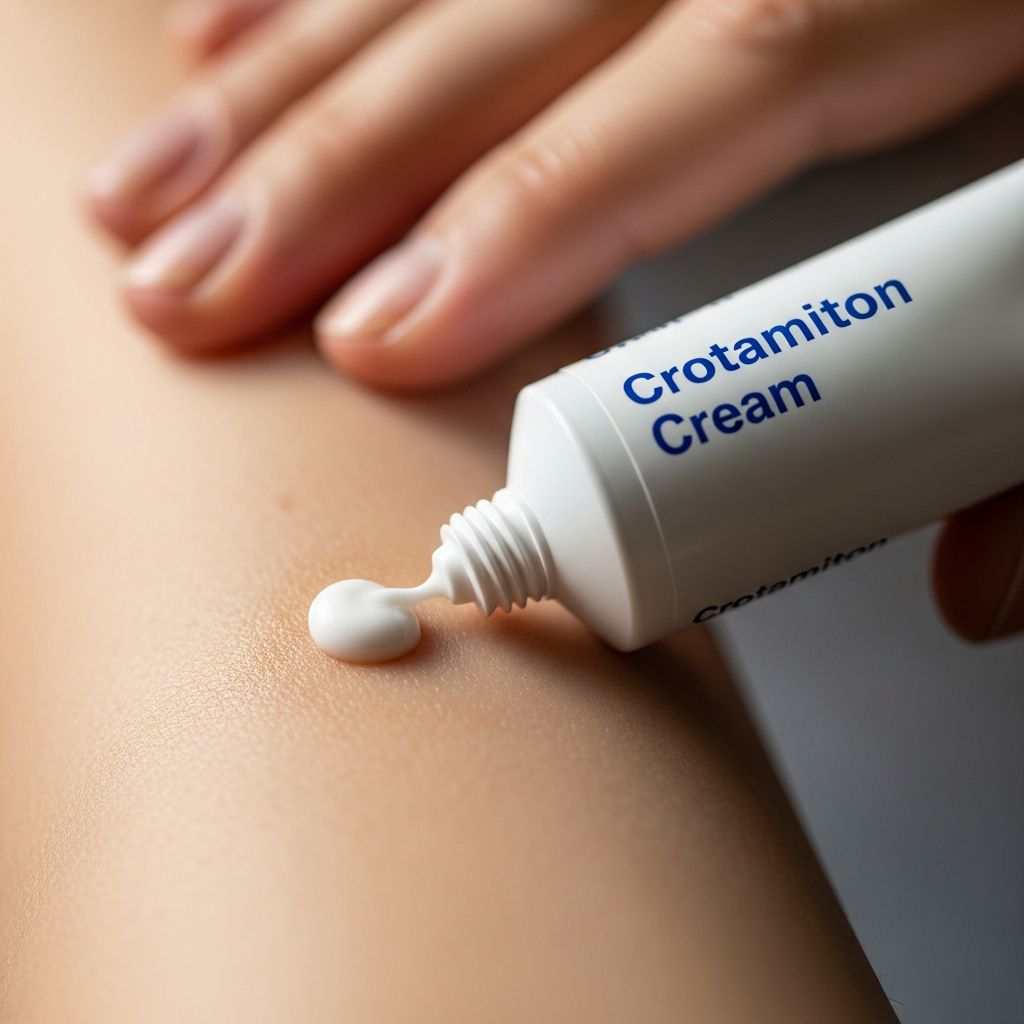
Crotamiton is a topical scabicidal and antipruritic agent available under the brand name Eurax. It is supplied as a cream or lotion containing 10% crotamiton (w/w) and is designed for external application to the skin only. The medication combines two therapeutic actions: it kills the parasites that cause scabies and provides relief from itching and skin irritation. Crotamiton is classified as a prescription medication and should only be used under medical supervision.
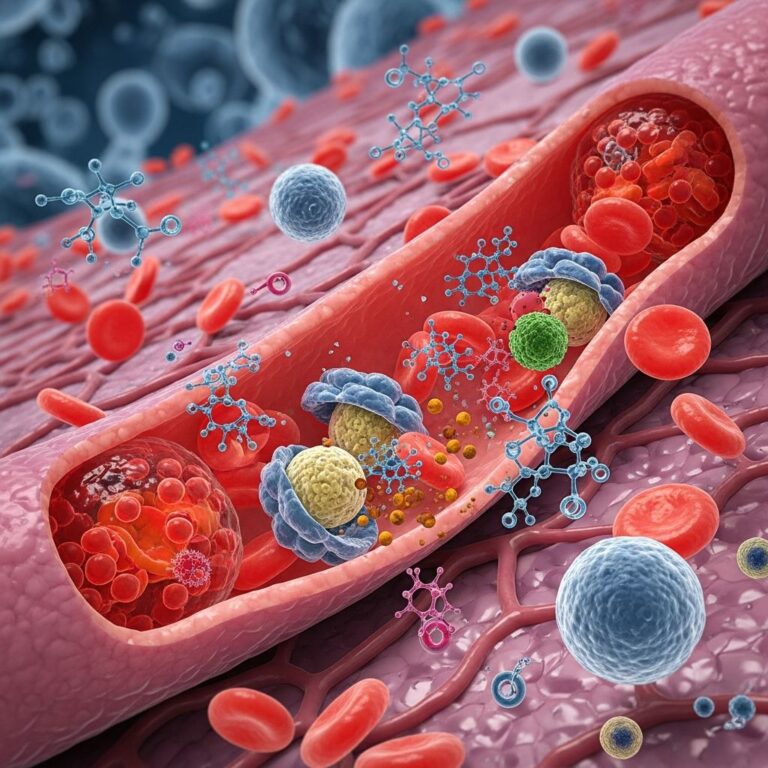
The active ingredient in Eurax works through mechanisms that are not entirely understood by medical science. However, research indicates that crotamiton is toxic to the scabies mite, and its antipruritic effect may result from counter-irritation mechanisms. The medication has been used clinically for decades as an alternative treatment option for patients who cannot tolerate or respond to other scabicides.
What Is Crotamiton Used For?
Crotamiton serves two primary therapeutic purposes:
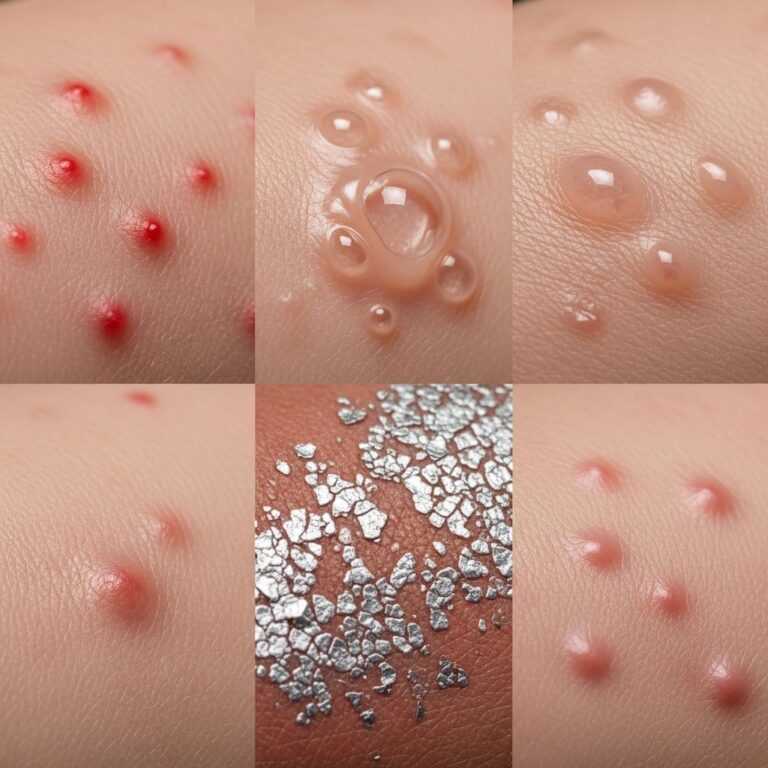
- Treatment of scabies: Crotamiton is used for the eradication of scabies, a contagious skin infection caused by the parasitic mite Sarcoptes scabiei. Scabies causes severe itching and skin irritation as the mites burrow into the skin.
- Relief of pruritus: The medication provides symptomatic treatment of pruritic skin conditions and helps relieve itching related to various skin irritations. It can provide quick relief from itching and skin irritation for up to 6 to 10 hours after each application.
While crotamiton is an effective alternative agent, it is important to note that permethrin 5% cream is considered the preferred first-line treatment for scabies. Crotamiton is typically recommended when permethrin is contraindicated or when treatment failure has occurred.
How Does Crotamiton Work?
Crotamiton possesses both scabicidal and antipruritic properties. The exact mechanisms by which crotamiton exerts these therapeutic effects are not fully understood. However, research suggests that the medication is toxic to the scabies mite, directly contributing to parasite eradication. The antipruritic effect—the relief of itching—may be related to a counter-irritation mechanism, where mild irritation from the medication helps mask or reduce the sensation of more severe itching.
Following topical application to the skin, the pharmacokinetics of crotamiton and the degree of systemic absorption have not been definitively determined. This means that while the medication is applied to the skin surface, the exact amount that enters the bloodstream and how the body processes it remain unknown. This lack of complete pharmacokinetic data is one reason why crotamiton is considered an alternative rather than a first-line agent.
Dosage and Application Instructions
Proper application of crotamiton is essential for treatment effectiveness. The dosage and application methods differ depending on whether the medication is being used to treat scabies or general pruritus.
Related Stories



For Scabies Treatment
When treating scabies, follow these detailed steps:
- Take a routine bath or shower before application
- Thoroughly massage the cream or lotion into the skin from the chin down to the toes, paying particular attention to all folds and creases where mites tend to hide
- Apply crotamiton under the fingernails after trimming them short, as scabies mites are very likely to remain there. A toothbrush can be used to apply the medication under fingernails; immediately after use, the toothbrush should be wrapped in paper and discarded to prevent accidental oral exposure
- A second application is advisable 24 hours after the first application
- Change clothing and bed linen the next morning
- Take a cleansing bath 48 hours after the last application
The maximum dosage for scabies treatment is one application per day for 2 days, given 24 hours apart. This applies to both adults and geriatric patients.
For Pruritus (General Itching)
When using crotamiton to relieve general itching and skin irritation:
- Massage the medication gently into affected areas until it is completely absorbed
- Repeat application as needed, usually once daily and then as symptoms require
- For lotion formulations, shake well before using
Contraindications and When Not to Use
Crotamiton should not be used in certain circumstances. Contraindications include:
- Sensitivity or allergic reaction to crotamiton or any ingredients in the formulation
- Primary irritation response to topical medications
- Application to acutely inflamed skin or raw or weeping surfaces until the acute inflammation has subsided
- Weeping skin conditions (acute exudative dermatoses)
Additionally, crotamiton is not intended for ophthalmic (eye), oral, or intravaginal use. The medication should never be applied to the eyes or mouth because it may cause irritation.
Precautions and Special Considerations
Before using crotamiton, inform your healthcare provider of any relevant medical conditions or medications. Important precautions include:
- Do not apply to the eyes or mouth
- Do not apply to acutely inflamed skin or raw or weeping surfaces until inflammation subsides
- If severe irritation or sensitization develops, discontinue use and seek appropriate medical care
- No dosage adjustments are necessary for patients with hepatic or renal impairment
- There are no known drug interactions with crotamiton
Pregnancy and Lactation
Crotamiton is classified as FDA Pregnancy Category C. Animal reproduction studies have not been conducted with crotamiton, and it is unknown whether the medication can cause fetal harm when applied topically to a pregnant woman or affect reproductive capacity. Crotamiton should be given to a pregnant woman only if clearly needed. Permethrin cream (pregnancy category B) may be considered as an alternative scabicide if treatment is necessary during pregnancy.
Use in Children and Infants
Crotamiton has been used clinically in infants and children as young as 2 months of age, with the same directions as for adults. However, treatment has been reported to be inferior to permethrin, and other agents appear to be preferred due to treatment failures. There are no safety and efficacy data available from the manufacturer for pediatric use.
Possible Side Effects and Adverse Reactions
While crotamiton is generally well-tolerated, some patients may experience adverse reactions. Reported side effects include:
- Primary irritation reactions such as dermatitis, pruritus (itching), and rash
- Allergic sensitivity reactions
These adverse reactions have been reported in a few patients. If severe irritation or sensitization develops, treatment should be discontinued and appropriate medical therapy should be instituted.
Overdosage
There is no specific information on the effects of overtreatment with repeated topical applications in humans. However, accidental oral ingestion may be accompanied by burning sensation in the mouth, irritation of the buccal, esophageal, and gastric mucosa, nausea, vomiting, and abdominal pain. If accidental ingestion occurs, contact your local Poison Control Center immediately.
Important Safety Information
Understanding how to safely use crotamiton is crucial for optimal treatment outcomes and to prevent complications:
- External use only: Crotamiton is formulated exclusively for topical application and must never be ingested orally
- Toothbrush disposal: If a toothbrush is used to apply crotamiton under fingernails, it must be wrapped in paper and discarded immediately after use to prevent accidental oral poisoning
- Storage: Store crotamiton at room temperature away from moisture and heat
- Wash hands: Wash hands thoroughly after application unless treating the hands themselves
How Crotamiton Compares to Other Treatments
Crotamiton is considered an alternative to permethrin 5% cream, which is the preferred first-line agent for scabies treatment. While permethrin demonstrates superior efficacy in clinical studies, crotamiton remains a valuable option for patients who cannot tolerate permethrin or in cases where permethrin treatment has failed. For general itching relief, alternatives such as aqueous cream containing menthol 0.5% to 1% may also be considered, though crotamiton provides more sustained relief for up to 6 to 10 hours per application.
Carcinogenesis, Mutagenesis, and Fertility
Long-term carcinogenicity studies in animals have not been conducted with crotamiton. This means that the potential for the medication to cause cancer, genetic mutations, or impair fertility has not been comprehensively evaluated through animal studies. However, no evidence of these adverse effects has been reported in clinical use.
Frequently Asked Questions
Q: How quickly does crotamiton work?
A: Crotamiton provides quick relief from itching and skin irritation for up to 6 to 10 hours after each application. For scabies eradication, a second application 24 hours after the first is recommended, with a cleansing bath 48 hours after the last application.
Q: Can crotamiton be used on the face?
A: Crotamiton should not be applied to the eyes or mouth as it may cause irritation. For facial application, consult your healthcare provider for guidance on safe application areas away from sensitive regions.
Q: Is crotamiton safe for children?
A: Crotamiton has been used clinically in children as young as 2 months, but treatment has been reported to be inferior to permethrin. Healthcare providers may prefer other agents for pediatric patients due to efficacy concerns.
Q: What should I do if I accidentally swallow crotamiton?
A: Accidental oral ingestion may cause burning sensation in the mouth, irritation of mucous membranes, nausea, vomiting, and abdominal pain. Contact your Poison Control Center immediately if this occurs.
Q: Can I use crotamiton during pregnancy?
A: Crotamiton is classified as FDA Pregnancy Category C and should only be used if clearly needed. Permethrin (category B) may be a safer alternative during pregnancy. Always consult your healthcare provider before use.
Q: Are there any drug interactions with crotamiton?
A: No known drug interactions are associated with crotamiton, making it safe to use alongside most other medications.
References
- Eurax (crotamiton USP) Prescribing Information — U.S. Food and Drug Administration. 2003. https://www.accessdata.fda.gov/drugsatfda_docs/label/2003/06927slr030,09112slr021_eurax_lbl.pdf
- Eurax Drug Summary — PDR Network. https://www.pdr.net/drug-summary/Eurax-crotamiton-900
- Eurax (Crotamiton) Drug Information — Guideline Central. https://www.guidelinecentral.com/drug/56465446-7f78-4ad1-acb3-08a4d60e5715/Eurax
- Eurax Cream Patient Information Leaflet — Medicines and Healthcare Products Regulatory Agency. https://www.medicines.org.uk/emc/files/pil.2255.pdf
- Crotamiton: Uses, Interactions, Mechanism of Action — DrugBank. https://go.drugbank.com/drugs/DB00265
- Itching (Causes, Symptoms, and Treatment) — Patient.info. https://patient.info/doctor/dermatology/itching-pro
Similar Articles








Read full bio of Sneha Tete