Crotamiton: Treatment Guide for Scabies Management
Comprehensive overview of crotamiton use, dosage, and safety considerations for scabies treatment.
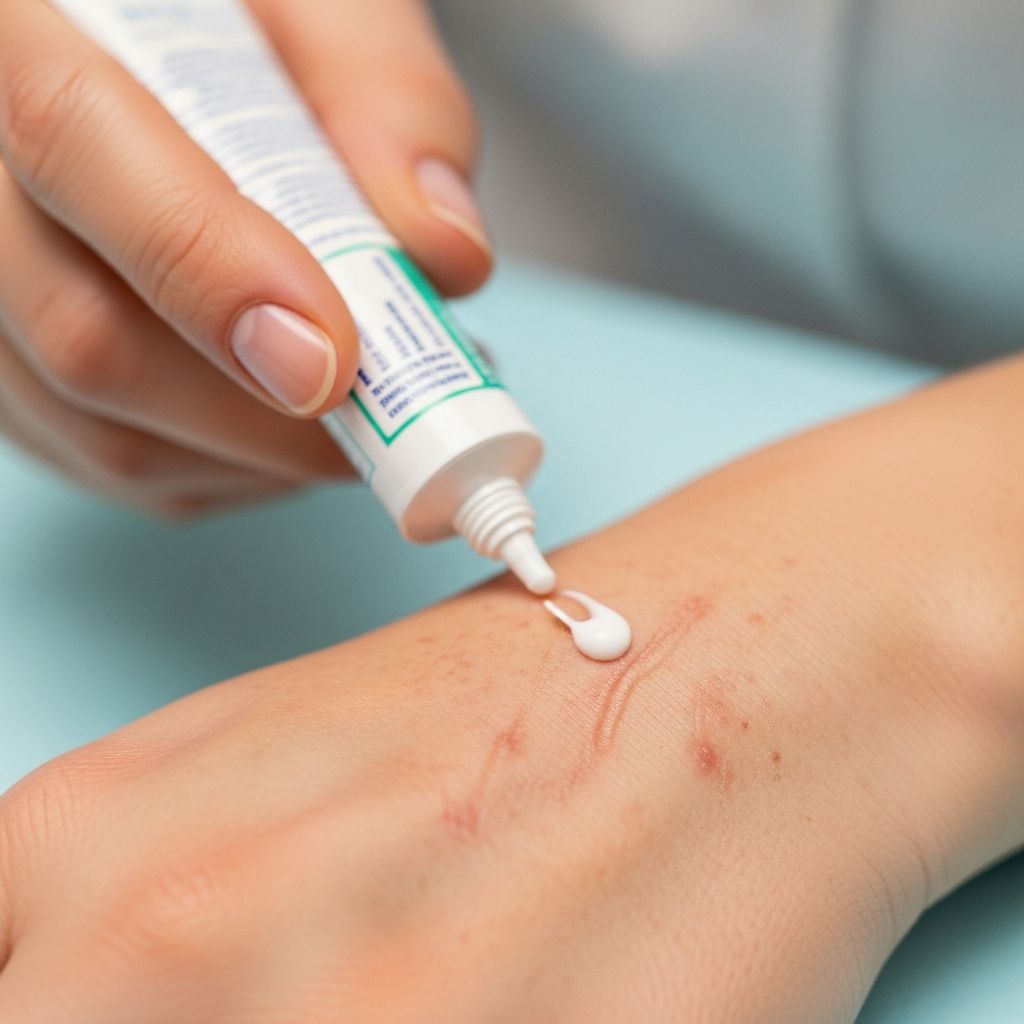
Crotamiton is a prescription-strength topical medication designed to eliminate scabies mites and provide relief from associated itching. As an antiparasitic agent, it works by killing the mites responsible for scabies infections while simultaneously soothing the intense itching that characterizes this skin condition. Understanding how this medication functions, how to apply it correctly, and what to expect during treatment is essential for successful therapeutic outcomes.
Understanding What Crotamiton Treats
Crotamiton serves two primary therapeutic purposes in dermatological care. First, it directly targets and eliminates the parasitic mites that cause scabies, a contagious skin infection that spreads through direct skin-to-skin contact or contaminated clothing and bedding. The infection develops when the female mite burrows into the outer layers of skin to lay eggs, triggering an intense inflammatory response that results in characteristic symptoms.
Beyond its antiparasitic function, crotamiton provides symptomatic relief from the severe itching that persists even after successful parasite elimination. Many patients experience residual itching for several weeks following treatment completion, and healthcare providers often recommend this medication to address that lingering discomfort. The dual action of treating both the infection and its symptoms makes crotamiton a valued option in comprehensive scabies management protocols.
How Crotamiton Works and Its Chemical Action
The mechanism by which crotamiton eliminates scabies mites involves direct contact with the parasites and their eggs. When applied to affected skin areas, the medication penetrates the outer skin layers where mites reside and disrupts their cellular functions, ultimately leading to their death. This action also interrupts the mite life cycle by destroying eggs before they can develop into mature parasites capable of reproduction and further skin infestation.
The antipruritic properties—those that reduce itching—work through separate pharmacological pathways. The medication interacts with nerve endings and inflammatory mediators in the skin, dampening the intense itching sensation. This dual mechanism explains why dermatologists value crotamiton as both a curative and symptomatic treatment agent.
Available Forms and Application Methods
Crotamiton is available in two distinct formulations, each with specific application characteristics and patient preferences:
- Cream formulation: Provides a richer, more emollient consistency that may be preferable for patients with sensitive or dry skin. The cream base offers enhanced moisturizing properties while delivering therapeutic medication.
- Lotion formulation: Features a lighter consistency that spreads more easily across larger body surface areas and absorbs more quickly into the skin. The lotion form works well for patients who prefer minimal residue or faster absorption.
Regardless of the formulation chosen, proper application technique significantly influences treatment efficacy. Patients should apply a thin, even film of the medication to all affected areas, starting from the chin and extending downward across the entire body. Special attention should be given to areas with high mite concentration, including the spaces between fingers, beneath the fingernails, the genital region, and skin folds where mites preferentially burrow.
Preparation and Application Protocol
Successful treatment requires careful attention to the application process. Healthcare providers typically recommend bathing thoroughly before applying crotamiton, as clean skin allows the medication to make optimal contact with parasites and affected areas. Pat the skin dry completely—residual moisture can dilute the medication and reduce its effectiveness.
Related Stories



If using the lotion formulation, shake the container well before each application to ensure uniform distribution of active ingredients. Apply the medication using gentle, circular motions, ensuring complete coverage of all body surfaces from the neck downward. Pay particular attention to areas commonly missed, including the scalp (if affected), ears, neck crevices, armpits, the waistline, and the spaces between toes.
The medication should remain on the skin for the duration specified by your healthcare provider, typically 12 to 24 hours depending on the treatment protocol. Some patients apply it in the evening and wash it off the following morning, while others follow different schedules based on individual circumstances and physician recommendations. It is crucial to follow the exact instructions provided with your prescription.
Expected Timeline and Treatment Duration
The typical scabies treatment course involves applying crotamiton once daily for three to five consecutive days, depending on the severity of infection and specific clinical protocols. Most patients experience significant improvement within this timeframe, with mites being eliminated and new burrows ceasing to develop. However, the itching may persist for weeks or even months following successful parasite elimination, as the skin continues to heal from the inflammatory damage caused by the infection.
Healthcare providers emphasize that treatment duration should be completed as prescribed, even if symptoms improve before the course concludes. Premature discontinuation risks incomplete mite elimination and potential recurrence of infection. If symptoms persist beyond the prescribed treatment period or worsen during treatment, contact your healthcare provider for further evaluation and possible alternative approaches.
Potential Side Effects and Adverse Reactions
While crotamiton is generally well-tolerated, patients should be aware of potential side effects that may occur during or after treatment. Understanding these reactions helps distinguish between expected treatment responses and genuine adverse events requiring medical attention.
Common and Mild Side Effects
The most frequently reported side effects are typically mild and limited in scope. Localized itching at the application site is common, particularly during initial application or in areas with high mite concentration. A new rash may develop as the immune system responds to dying parasites and their byproducts—this is often a sign that the medication is working. Skin irritation characterized by redness, mild burning, or stinging sensations can occur, particularly in patients with sensitive skin or those applying the medication to areas with compromised skin barrier function.
Serious Allergic Reactions
Although uncommon, serious allergic reactions demand immediate medical attention. Signs of a significant allergic response include widespread hives, difficulty breathing, swelling of the face, lips, tongue, or throat, and severe burning or stinging sensations that differ markedly from mild application-site irritation. Patients experiencing these symptoms should seek emergency medical care immediately by calling 911 or visiting the nearest emergency department.
Important Overdose and Ingestion Information
Crotamiton is formulated exclusively for external application and can cause serious harm if swallowed. Accidental ingestion may result in symptoms including burning sensations in the mouth and throat, nausea, vomiting, and abdominal pain. If ingestion occurs, contact poison control immediately—United States residents should call 1-800-222-1222, while Canadian residents should call 1-844-764-7669. In cases of overdose with severe symptoms such as loss of consciousness or difficulty breathing, call 911 immediately.
Important Safety Precautions and Contraindications
Crotamiton is intended exclusively for topical application to intact skin and should never be applied to certain sensitive areas or compromised skin. Never apply this medication to the eyes, mucous membranes, mouth, genitourinary tract opening, or face, as these areas are highly sensitive and prone to severe irritation. Do not apply crotamiton to acutely inflamed, raw, or severely damaged skin, as it may cause intense burning and worsening of the condition.
The medication is contraindicated—meaning it should not be used—in patients with known hypersensitivity or allergies to crotamiton or any of its inactive components. If you have previously experienced an allergic reaction to this medication or related antiparasitic agents, inform your healthcare provider before beginning treatment with crotamiton.
Pregnancy and Breastfeeding Considerations
The use of crotamiton during pregnancy requires careful consideration of potential risks versus therapeutic benefits. Limited clinical data exists regarding the medication’s safety during pregnancy, and healthcare providers must weigh the documented risks of untreated scabies against the theoretical risks of medication exposure. Women who are pregnant, planning pregnancy, or suspect they may be pregnant should discuss these concerns thoroughly with their healthcare provider before initiating crotamiton treatment.
Similarly, the safety of crotamiton during breastfeeding remains inadequately studied. The extent to which crotamiton is excreted in breast milk is unknown, creating uncertainty regarding potential infant exposure. Women who are breastfeeding should consult with their healthcare provider to determine whether treatment benefits justify potential risks to their nursing infant.
Drug Interaction Profile
Crotamiton demonstrates a favorable interaction profile with minimal documented drug interactions. Current evidence indicates no severe, serious, moderate, or minor interactions with other medications. This favorable safety profile means that patients taking other prescription medications, over-the-counter products, or dietary supplements can typically use crotamiton without concern for medication conflicts.
However, this does not mean all drug combinations are necessarily safe for every patient. Always inform your healthcare provider and pharmacist of all medications you are taking, including prescription drugs, over-the-counter products, herbal supplements, and vitamins, to ensure comprehensive evaluation of your specific situation.
Special Populations and Considerations
Pediatric Use
Crotamiton can be used in children, but healthcare providers must evaluate each case individually to determine appropriate dosing and application methods. Special care is necessary to ensure children do not ingest the medication or apply it to prohibited areas such as the eyes or mouth. Parental supervision is essential during treatment in pediatric patients.
Vulnerable Populations
Patients with compromised immune systems, severe skin conditions, or extensive skin damage should be evaluated carefully before beginning crotamiton treatment. Similarly, those with known allergies to multiple medications may require additional precautions or patch testing before full-body application.
Managing Lingering Symptoms After Treatment
One of the most challenging aspects of scabies management involves the persistent itching that continues for weeks or months following successful parasite elimination. This residual itching results from inflammatory damage to the skin and does not indicate treatment failure or ongoing infection. Healthcare providers often recommend supplementary treatments such as moisturizing creams, gentle emollients, or other antipruritic medications to manage this lingering discomfort while the skin fully heals.
If itching worsens rather than improves, or if new symptoms develop, contact your healthcare provider promptly for re-evaluation. Such changes could indicate treatment failure, reinfection, or an alternative skin condition requiring different management approaches.
Hygiene and Environmental Measures
Successful scabies treatment requires concurrent attention to environmental decontamination and personal hygiene. Wash all clothing, bedding, towels, and other textiles that contacted affected skin in hot water with regular detergent, then dry on high heat settings to kill mites and eggs. Seal untreated items in plastic bags for 7-10 days, as mites cannot survive without a human host for extended periods.
Close contacts and family members should be examined by a healthcare provider and treated simultaneously if infection is confirmed, as scabies spreads readily through household contact and shared items. Treating only one infected individual while others remain untreated typically results in reinfection.
When to Seek Additional Medical Advice
Contact your healthcare provider if symptoms persist beyond the expected treatment timeline, if new or worsening symptoms develop during treatment, if you experience signs of allergic reaction, or if you have questions about proper medication application. Healthcare professionals can provide additional guidance, adjust treatment protocols, or recommend alternative approaches if needed.
Frequently Asked Questions About Crotamiton
Is crotamiton available without a prescription?
No, crotamiton is a prescription-only medication. You must obtain a prescription from a licensed healthcare provider before purchasing this medication. Your doctor will evaluate your condition and determine whether crotamiton is the appropriate treatment choice for your specific situation.
How quickly will crotamiton eliminate scabies?
Most patients experience significant improvement within the standard treatment course of three to five days, with mites being eliminated and new burrow formation ceasing. However, itching and skin inflammation may persist for weeks afterward as the skin heals.
Can crotamiton be applied to the face?
No, crotamiton should not be applied to the face. The facial skin, particularly around the eyes and mouth, is too sensitive for this medication. If scabies affects facial areas, consult your healthcare provider for alternative treatment recommendations.
What should I do if I accidentally apply crotamiton to my eyes?
Immediately rinse your eyes thoroughly with plenty of cool tap water for at least 15 minutes and seek medical evaluation. While accidental eye contact may cause irritation rather than serious harm, professional medical assessment ensures no complications develop.
Will treating scabies stop the itching immediately?
No, while mites are eliminated within days of treatment initiation, the itching typically persists for weeks as skin inflammation resolves. Your healthcare provider can recommend additional comfort measures such as moisturizers or other medications to manage residual itching during the healing period.
References
- Crotamiton (Topical Route): Description, Side Effects, and Dosage — Mayo Clinic. Accessed February 2026. https://www.mayoclinic.org/drugs-supplements/crotamiton-topical-route/description/drg-20063161
- Crotamiton: Uses, Side Effects, Dosage & Interactions — RxList. Accessed February 2026. https://www.rxlist.com/crotamiton/generic-drug.htm
- Crotamiton Topical Cream or Lotion: How to Use & Side Effects — Cleveland Clinic. Accessed February 2026. https://my.clevelandclinic.org/health/drugs/18703-crotamiton-topical-cream-or-lotion
- Crotamiton Topical Medication Information — Memorial Sloan Kettering Cancer Center. Accessed February 2026. https://www.mskcc.org/cancer-care/patient-education/medications/adult/crotamiton
- Crotamiton – Topical Medication Guide — Alberta Health Services. Accessed February 2026. https://myhealth.alberta.ca/Health/medications/Pages/conditions.aspx?hwid=fdb9063
- Crotan (Crotamiton): Uses, Side Effects, Dosage & Reviews — GoodRx. Accessed February 2026. https://www.goodrx.com/crotan/what-is
Similar Articles








Read full bio of medha deb