Crow’s Feet: Causes, Treatments & Prevention
Learn about crow's feet, their causes, effective treatments, and how to prevent them for healthier, younger-looking skin.
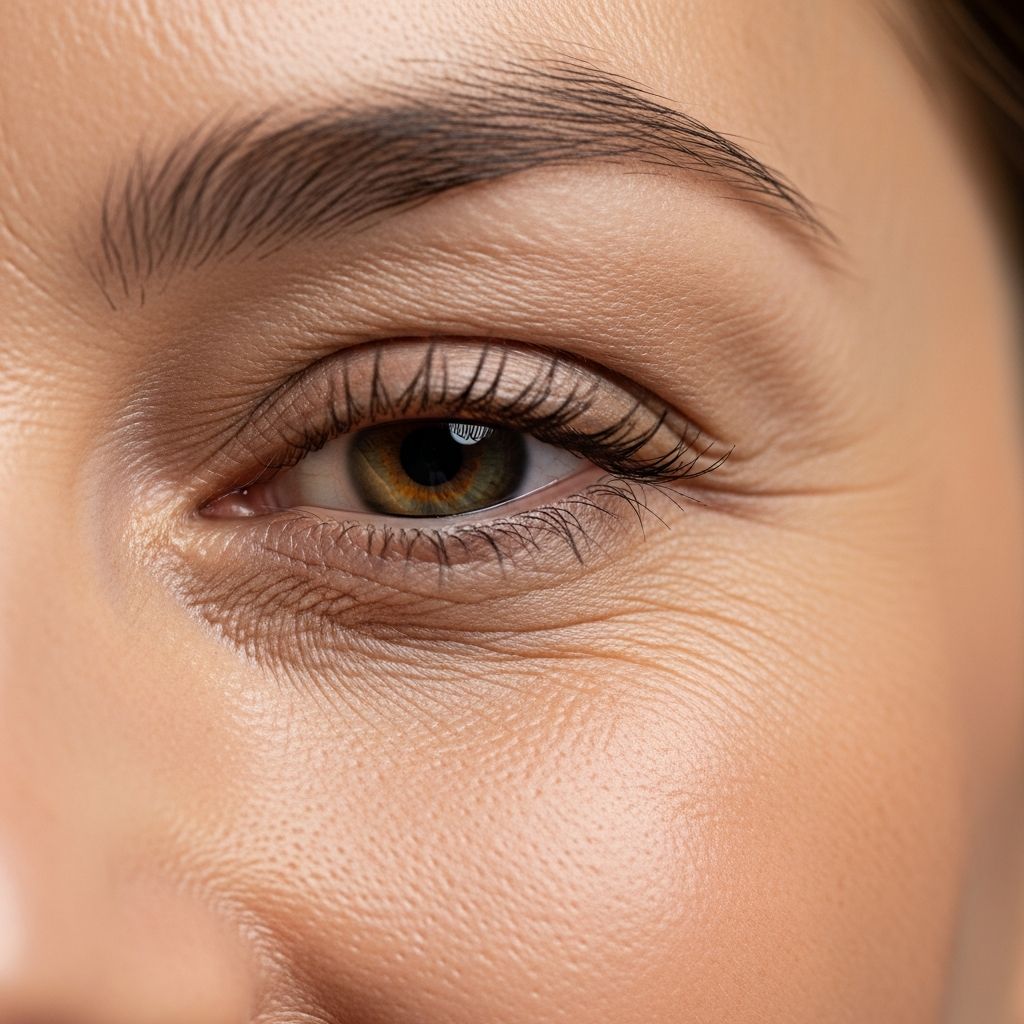
What Are Crow’s Feet?
Crow’s feet, also known as lateral canthal lines or laugh lines, are fine lines and wrinkles that form on the outer corners of your eyes. These lines typically appear when you smile, squint, or make other facial expressions. Over time, they may become visible even when your face is at rest. Crow’s feet are a natural part of the aging process and are experienced by most people as they get older.
Causes of Crow’s Feet
Several factors contribute to the development of crow’s feet:
- Facial Expressions: Repeated muscle contractions from smiling, squinting, and frowning cause the skin around the eyes to crease, leading to the formation of lines.
- Aging: As you age, your skin loses collagen and elastin, which are essential for maintaining skin elasticity and firmness. This loss makes the skin more prone to wrinkling.
- Sun Exposure: Ultraviolet (UV) rays from the sun break down collagen and elastin, accelerating the aging process and making crow’s feet more prominent.
- Lifestyle Factors: Smoking, poor sleep habits, dehydration, and a diet lacking in essential nutrients can contribute to premature aging and the development of crow’s feet.
- Genetics: Your genetic makeup can influence how early and how prominently crow’s feet appear.
Are Crow’s Feet a Sign of Aging?
Yes, crow’s feet are a common sign of aging. As you get older, your skin’s ability to regenerate and repair itself slows down. This means that the fine lines and wrinkles formed by repeated facial expressions become more permanent. The skin around the eyes is particularly thin and delicate, making it more susceptible to the effects of aging.
Impact of Crow’s Feet
Crow’s feet do not have any physical health effects. They are not painful and do not affect your vision or eye health. However, for some people, the appearance of crow’s feet can lead to feelings of insecurity or self-consciousness. It’s important to remember that crow’s feet are a natural part of aging and are a sign of a life well-lived, often associated with laughter and happiness.
Treatment Options for Crow’s Feet
If you are concerned about the appearance of crow’s feet, there are several treatment options available:
Botox Injections
Botox (botulinum toxin) injections are a popular treatment for crow’s feet. Botox works by temporarily paralyzing the muscles that cause the skin to crease, reducing the appearance of lines and wrinkles. The effects typically last for 3-4 months, after which the treatment can be repeated.
Dermal Fillers
Dermal fillers, usually made from hyaluronic acid, are injected into the skin to plump up the area around the eyes, making crow’s feet less noticeable. Fillers can last for 6-12 months before needing a touch-up.
Laser Resurfacing
Laser resurfacing treatments, such as fractional CO2 lasers, stimulate collagen production and remove damaged skin layers, revealing smoother, firmer skin. The results are long-lasting but may require maintenance treatments.
Chemical Peels
Chemical peels exfoliate the skin and boost collagen production, improving the appearance of fine lines and skin texture. Mild to medium-depth peels are commonly used for crow’s feet.
Dermabrasion
Dermabrasion is a procedure that involves removing the outer layer of skin to promote the growth of new, smoother skin. It can be effective for reducing the appearance of crow’s feet and other fine lines.
Microcurrent Therapy
Microcurrent therapy uses low-level electrical currents to stimulate the skin and facial muscles, helping to lift and firm the face while smoothing and tightening the skin. This non-invasive option is suitable for those looking to avoid more invasive procedures.
Related Stories



Prevention Tips for Crow’s Feet
While it’s impossible to completely prevent crow’s feet, there are steps you can take to slow their development:
- Use Sunscreen: Protect your skin from UV rays by using a broad-spectrum sunscreen daily.
- Stay Hydrated: Drink plenty of water to keep your skin hydrated and healthy.
- Healthy Diet: Eat a balanced diet rich in antioxidants, vitamins, and essential nutrients to support skin health.
- Avoid Smoking: Smoking accelerates skin aging and can make crow’s feet more prominent.
- Get Enough Sleep: Poor sleep habits can contribute to premature aging, so aim for 7-9 hours of quality sleep each night.
- Use Skincare Products: Incorporate products with retinoids, peptides, and antioxidants into your skincare routine to support collagen production and skin elasticity.
When to See a Dermatologist
If crow’s feet are affecting your self-esteem or you are considering treatment options, it’s a good idea to consult with a dermatologist. A dermatologist can provide personalized advice and recommend the most appropriate treatments based on your skin type and concerns.
Frequently Asked Questions (FAQs)
Q: Are crow’s feet a sign of aging?
A: Yes, crow’s feet are a common sign of aging, but they can also be influenced by genetics, lifestyle, and environmental factors.
Q: Can crow’s feet be prevented?
A: While it’s impossible to completely prevent crow’s feet, you can slow their development by protecting your skin from the sun, staying hydrated, eating a healthy diet, and avoiding smoking.
Q: How long do Botox treatments for crow’s feet last?
A: Botox treatments for crow’s feet typically last for 3-4 months before needing a repeat injection.
Q: Are there any risks associated with crow’s feet treatments?
A: Most treatments are safe when performed by a qualified professional, but there can be side effects such as bruising, swelling, or temporary muscle weakness. It’s important to discuss potential risks with your healthcare provider.
Q: Can crow’s feet be treated at home?
A: At-home treatments like using sunscreen, staying hydrated, and using skincare products can help reduce the appearance of crow’s feet, but more significant improvements may require professional treatments.
Conclusion
Crow’s feet are a natural part of the aging process and are experienced by most people. While they do not have any physical health effects, they can impact self-esteem for some individuals. There are various treatment options available, from Botox and dermal fillers to laser resurfacing and chemical peels. Preventive measures such as using sunscreen, staying hydrated, and maintaining a healthy lifestyle can help slow the development of crow’s feet. If you are concerned about the appearance of crow’s feet, consult with a dermatologist for personalized advice and treatment options.
References
- Crow’s Feet: What It Is, Botox, Treatment & Prevention — Cleveland Clinic. 2023-01-07. https://my.clevelandclinic.org/health/diseases/24586-crows-feet
- Botox Injections: Treatment, Recovery & Side Effects — Cleveland Clinic. 2023-01-07. https://my.clevelandclinic.org/health/treatments/8312-botulinum-toxin-injections
- Dermabrasion: What Is It, Side Effects, Procedure & Benefits — Cleveland Clinic. 2020-09-15. https://my.clevelandclinic.org/health/treatments/8309-dermabrasion
Similar Articles








Read full bio of Sneha Tete