Cryoglobulinaemia An Essential Guide To Diagnosis And Treatment
Understanding cryoglobulinaemia: causes, symptoms, diagnosis, and management of this rare vasculitis affecting blood vessels.
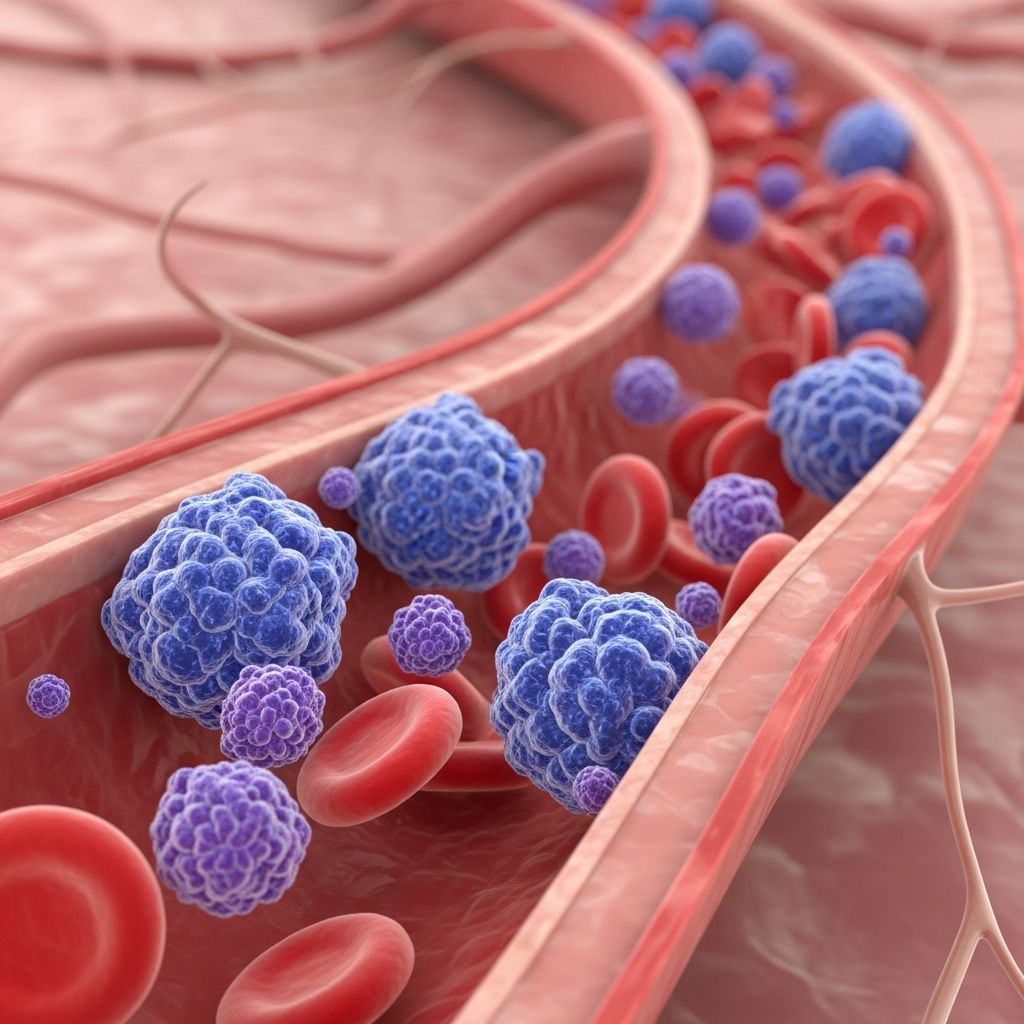
Cryoglobulinaemia is a rare medical condition characterised by the presence of cryoglobulins—abnormal proteins in the blood that precipitate or gel at temperatures below normal body temperature (below 37°C). This precipitation can lead to vascular occlusion and inflammation, manifesting as cryoglobulinaemic vasculitis, primarily affecting small blood vessels and causing symptoms such as purpuric rashes, arthralgias, neuropathy, and renal involvement.
What is cryoglobulinaemia?
Cryoglobulinaemia refers to the abnormal presence of cryoglobulins, immunoglobulins that reversibly precipitate at reduced temperatures. These proteins clump together in cooler parts of the body or in laboratory conditions below 37°C, forming immune complexes that deposit in vessel walls, triggering complement activation and vasculitis. The condition is classified into three types based on immunoglobulin composition: Type I (monoclonal), Type II (mixed monoclonal-polyclonal), and Type III (polyclonal). Types II and III are termed ‘mixed cryoglobulinaemia’ and are most commonly associated with infections like hepatitis C or autoimmune diseases.
Who gets cryoglobulinaemia (epidemiology)? Cryoglobulinaemia predominantly affects adults over 50 years, with a female-to-male ratio of approximately 3:1. Over 90% of cases, especially mixed types, link to chronic hepatitis C virus (HCV) infection. Other associations include hepatitis B, autoimmune disorders (e.g., Sjögren’s syndrome, rheumatoid arthritis, systemic lupus erythematosus), lymphoproliferative disorders (e.g., multiple myeloma, Waldenström macroglobulinaemia, lymphoma), and rarely essential (idiopathic) forms. Prevalence is higher in regions with endemic HCV.
Clinical features
Symptoms of cryoglobulinaemia vary by type, organ involvement, and underlying cause. Many patients are asymptomatic, with cryoglobulins detected incidentally. Symptomatic cases present episodically, often triggered by cold exposure.
Skin findings
The most common manifestation is
purpura
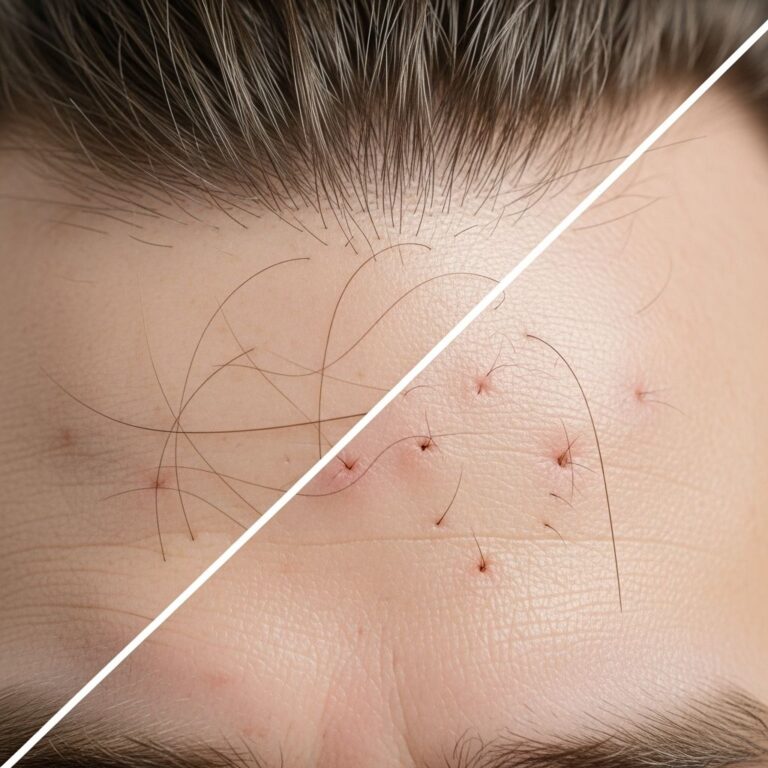
—non-blanching palpable or non-palpable spots on the lower legs due to leukocytoclastic vasculitis. Lesions may progress to haemorrhagic bullae, ulcers, or necrosis, especially in dependent areas. Other skin features include livedo reticularis, acrocyanosis, Raynaud phenomenon (cold-induced finger/toe discoloration), urticaria, and digital gangrene. On darker skin, purpura may appear brown or black.Mucosal and other features
Oral and nasal mucosal involvement is rare but can include petechiae or ulcers. Rarely, cryoglobulinaemia associates with hepatosplenomegaly or lymphadenopathy if linked to lymphoproliferative disease.
Systemic vasculitis features
- Arthralgia/arthritis: Symmetric, non-erosive polyarthritis affecting knees, ankles, wrists, and hands, resembling rheumatoid arthritis.
- Neuropathy: Distal sensory or sensorimotor polyneuropathy causing numbness, tingling, burning pain in extremities; mononeuritis multiplex in severe cases.
- Renal involvement: Membranoproliferative glomerulonephritis (MPGN) with proteinuria, haematuria, hypertension, and risk of renal failure. Up to 20-30% develop significant kidney disease.
- Other: Fatigue, weakness, myalgias, abdominal pain, shortness of breath, headaches, and rarely stroke, myocardial infarction, or pulmonary haemorrhage.
Types of cryoglobulinaemia
| Type | Immunoglobulin Composition | Associations | Key Features |
|---|---|---|---|
| I | Monoclonal (IgM or IgG) | Lymphoproliferative (multiple myeloma, Waldenström, CLL, lymphoma) | Hyperviscosity, Raynaud, skin necrosis, acral cyanosis; less renal involvement |
| II (mixed) | Monoclonal IgM (rheumatoid factor) + polyclonal IgG | HCV (90%), autoimmune diseases | Systemic vasculitis, purpura, arthralgias, MPGN, neuropathy |
| III (mixed) | Polyclonal IgM + polyclonal IgG | HCV, autoimmune, infections | Similar to Type II but milder; lower cryocrit |
Type I accounts for 10-15% of cases, Types II/III for 85-90%, with Type II most symptomatic.
Diagnosis
Diagnosis requires clinical suspicion, laboratory confirmation of cryoglobulins, and exclusion of underlying causes. Key steps include:
- History and exam: Cold sensitivity, purpura, arthralgias, HCV risk factors.
- Laboratory: Cryoglobulin test (warm collection, refrigerate 72-96h for precipitation; cryocrit >1-5%). Serum rheumatoid factor (positive in Types II/III), low C4, proteinuria/haematuria. Viral serologies (HCV RNA, HBV), SPEP/UPEP, immunofixation.
- Biopsy: Skin (leukocytoclastic vasculitis), renal (MPGN with ‘tram-tracking’), nerve (vasculitis).
- Other: Cryocrit quantification, complement levels, urinalysis, EMG/NCV for neuropathy.
Related Stories



Challenges: False negatives if sample mishandled; essential form only after excluding all causes.
Management
Treatment targets underlying disease, suppresses vasculitis, and provides supportive care.
Treatment of underlying cause
- HCV-associated: Direct-acting antivirals (DAAs) like sofosbuvir/velpatasvir achieve >95% sustained virologic response, often resolving cryoglobulinaemia.
- Lymphoproliferative: Chemotherapy (e.g., rituximab for Waldenström), plasmapheresis for hyperviscosity.
- Autoimmune: Immunosuppressants tailored to primary disease.
Treatment of vasculitis
- Mild (skin/joint): Avoid cold, NSAIDs, hydroxychloroquine, colchicine.
- Moderate-severe: Rituximab (anti-CD20, first-line for mixed; 60-80% response), glucocorticoids, cyclophosphamide for organ-threatening disease.
- Refractory/renal: Plasma exchange to remove cryoglobulins, IVIG, or biologics (e.g., belimumab).
Supportive: Leg elevation, compression stockings, wound care for ulcers. Prognosis improves with HCV eradication; poor if renal failure or malignancy progresses.
Frequently asked questions
What triggers cryoglobulinaemia symptoms?
Symptoms often worsen with cold exposure, as cryoglobulins precipitate more readily.
Is cryoglobulinaemia curable?
If HCV-related, DAAs can cure the infection and remit symptoms in many cases. Other forms depend on treating the underlying cause.
Can cryoglobulinaemia affect the kidneys?
Yes, MPGN occurs in 20-30%, leading to nephrotic syndrome or failure; monitor with regular urinalysis.
How is cryoglobulin testing done?
Blood drawn into pre-warmed tubes (37°C), clotted, then refrigerated for precipitation detection.
Is rituximab effective?
Yes, highly effective for mixed cryoglobulinaemia vasculitis, inducing remission in most patients.
References
- Cryoglobulinemia – UT Health Austin — UT Health Austin. 2023. https://uthealthaustin.org/conditions/cryoglobulinemia
- Cryoglobulinemia: MedlinePlus Medical Encyclopedia — MedlinePlus (U.S. National Library of Medicine). 2023-10-01. https://medlineplus.gov/ency/article/000540.htm
- Cryoglobulinemic Vasculitis — Vasculitis Foundation. 2024. https://vasculitisfoundation.org/education/vasculitis-types/cryoglobulinemic-vasculitis/
- Cryoglobulinemia and Cryoglobulinaemic Vasculitis — Vasculitis UK. 2023. https://www.vasculitis.org.uk/about-vasculitis/cryoglobulinemia-and-cryoglobulinaemic-vasculitis
- Cryoglobulinemia – Symptoms and causes — Mayo Clinic. 2023-11-15. https://www.mayoclinic.org/diseases-conditions/cryoglobulinemia/symptoms-causes/syc-20371244
- Cryoglobulinemia — UNC Kidney Center. 2024. https://unckidneycenter.org/kidneyhealthlibrary/glomerular-disease/cryoglobulinemia/
- Cryoglobulinemia – StatPearls — NCBI Bookshelf (NIH). 2023-08-08. https://www.ncbi.nlm.nih.gov/books/NBK557606/
Similar Articles








Read full bio of medha deb