Cryopyrin-Associated Periodic Syndromes: 3 Phenotypes Explained
Rare autoinflammatory disorders driven by NLRP3 mutations causing recurrent fever, rash, and multisystem inflammation.
Cryopyrin-associated periodic syndromes
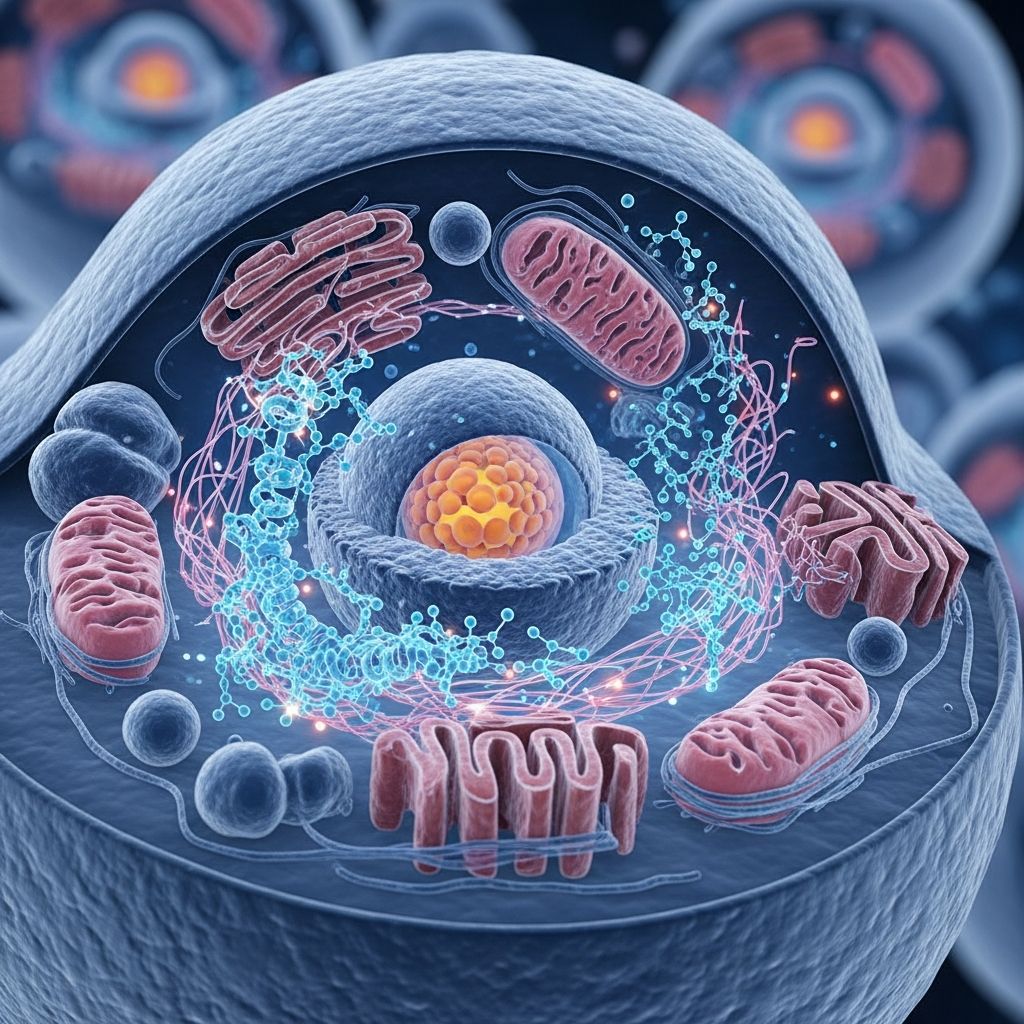
Cryopyrin-associated periodic syndromes (CAPS) represent a continuum of rare, inherited autoinflammatory disorders caused by gain-of-function mutations in the NLRP3 gene, leading to excessive interleukin-1β (IL-1β) production and recurrent systemic inflammation. These conditions manifest primarily with urticaria-like rashes, fever, arthralgia, and potential involvement of eyes, ears, and central nervous system, often triggered by cold exposure. CAPS includes three overlapping phenotypes: mild familial cold autoinflammatory syndrome (FCAS), intermediate Muckle-Wells syndrome (MWS), and severe neonatal-onset multisystem inflammatory disease (NOMID), also known as chronic infantile neurological cutaneous and articular (CINCA) syndrome. Early diagnosis and IL-1 inhibition therapy dramatically improve outcomes, preventing organ damage like amyloidosis.
What are the cryopyrin-associated periodic syndromes?
CAP S is a group of monogenic autoinflammatory diseases characterized by IL-1β-mediated systemic inflammation affecting skin, joints, eyes, ears, and brain. Unlike autoimmune disorders, CAPS lacks autoantibodies or antigen-specific T-cells, stemming instead from innate immune dysregulation. The spectrum unites FCAS (cold-induced urticaria episodes), MWS (with sensorineural hearing loss), and NOMID (chronic meningitis and arthropathy), previously considered distinct but sharing NLRP3 mutations. Prevalence is rare, approximately 1 in 1 million, with autosomal dominant inheritance; up to 56% report family history. Onset occurs in infancy (57% chronic daily symptoms, 43% episodic). Triggers include cold, fatigue, or vaccination; episodes last hours to days.
Who gets cryopyrin-associated periodic syndromes (epidemiology)?
CAPS affects all ethnicities but shows geographic clustering; higher incidence reported in Europe and North America. Pediatric onset predominates: 84% fever, 97% rash (urticarial/maculopapular, cold-provoked), 86% musculoskeletal symptoms. In a 136-patient cohort, 71% had ocular issues, 42% hearing loss, 40% neurological features. Chinese cohorts note higher neurological (27%) and fever rates in children versus adults. Females and males equally affected due to autosomal dominance. Without treatment, MWS/NOMID risk AA amyloidosis (4-10%), leading to renal failure.
- Age: Neonatal/infancy (NOMID), early childhood (MWS/FCAS)
- Sex: Equal distribution
- Prevalence: <1:1,000,000 globally
What causes cryopyrin-associated periodic syndromes?
CAPS results from heterozygous missense mutations in NLRP3 (chromosome 1q44), encoding cryopyrin (NALP3), a NLR protein in the inflammasome complex. Over 90 mutations identified, mostly in exon 3 (exon 1 for eye-limited forms). Mutant cryopyrin causes constitutive inflammasome activation, excessive caspase-1 cleavage, and IL-1β/IL-18 release, driving pyroptosis and inflammation. This gain-of-function disrupts NF-κB regulation, amplifying innate immunity without infection.
Genotype-phenotype correlation exists: mild FCAS (e.g., V198M), severe NOMID (e.g., L305P mosaicism). De novo mutations occur in 25-50%.
What are the clinical features of cryopyrin-associated periodic syndromes?
Symptoms overlap but vary by severity. Core triad: fever (84%), rash (97%, evanescent urticarial on trunk/limbs post-cold), arthralgia/myalgia/arthritis (86%).
Familial cold autoinflammatory syndrome (FCAS1)
Mildest: Cold-triggered episodes (1-2 days) of rash, fever, arthralgia, conjunctivitis, headache, nausea. No organ damage.
Muckle-Wells syndrome (MWS)
Intermediate: Spontaneous/chronic episodes + progressive bilateral sensorineural hearing loss (teenage onset, 42%). AA amyloidosis risk (kidney).
Neonatal-onset multisystem inflammatory disease (NOMID/CINCA)
Severest: Daily symptoms from birth—urticaria, fever, arthropathy (contractures, epiphyseal overgrowth), chronic aseptic meningitis (headache, seizures, ventriculomegaly, 40%), uveitis (71%), optic atrophy, short stature, facial dysmorphism. High amyloidosis/mortality risk.
| Feature | FCAS | MWS | NOMID |
|---|---|---|---|
| Rash/Fever/Arthralgia | +++ (cold-induced) | +++ (spontaneous) | +++ (chronic) |
| Hearing Loss | – | ++ | + |
| Meningitis/Neuro | – | – | +++ |
| Ocular | + (conj.) | + | +++ |
| Amyloidosis | – | + | ++ |
Rare: facioplegia, erythema nodosum. Elevated CRP, SAA, anemia of chronic disease.
Diagnosis
Clinical suspicion + genetic confirmation (NLRP3 sequencing, 80-90% yield). Supportive: early onset, family history, cold trigger, high IL-1 response. Exclude infections, FMF, TRAPS.
- Investigations: Genetic testing (gold standard), CRP/ESR elevation, urinalysis (amyloid), audiometry, MRI brain (NOMID), slit-lamp exam
Treatment of cryopyrin-associated periodic syndromes
IL-1 blockade is first-line, transformative since anakinra (2000s).
- Anakinra: IL-1Ra, daily SC (1-2 mg/kg), rapid symptom resolution
- Canakinumab: Anti-IL-1β mAb, 150 mg SC q4-8w, excellent for MWS/NOMID
- Rilonacept: IL-1 trap, weekly SC
High-dose colchicine/NSAIDs for mild FCAS; avoid steroids (rebound). Hearing aids/cochlear implants for MWS; surgery for NOMID arthropathy. Prenatal testing available.
What is the outcome for cryopyrin-associated periodic syndromes?
Untreated: progressive damage (deafness 50% MWS, renal failure 25%, NOMID mortality 20%). With IL-1 therapy: near-complete remission, prevented amyloidosis, restored hearing if early. Lifelong treatment required; monitor growth, amyloid.
Prevention
Avoid cold exposure, stress; genetic counseling for families. Early therapy prevents complications.
FAQ
Is CAPS curable?
No, but IL-1 inhibitors control symptoms lifelong.
Does cold always trigger CAPS?
Primarily FCAS; less in MWS/NOMID.
Can CAPS be fatal?
Rarely untreated NOMID (infection, amyloidosis).
How is CAPS diagnosed?
Genetic testing confirms NLRP3 mutation.
What is the best treatment for CAPS?
IL-1 blockers like canakinumab.
References
- Cryopyrin-associated periodic syndrome – Wikipedia — Wikipedia. 2023. https://en.wikipedia.org/wiki/Cryopyrin-associated_periodic_syndrome
- Cryopyrin-associated periodic syndromes – Genetics – MedlinePlus — U.S. National Library of Medicine. 2023-10-15. https://medlineplus.gov/genetics/condition/cryopyrin-associated-periodic-syndromes/
- Cryopyrin-Associated Periodic Syndrome (CAPS) Pipeline Insight — DelveInsight. 2023. https://www.delveinsight.com/report-store/cryopyrin-associated-periodic-syndrome-caps-pipeline-insight
- The genetic and clinical characteristics and effects of Canakinumab — Frontiers in Immunology. 2023-10-10. https://www.frontiersin.org/journals/immunology/articles/10.3389/fimmu.2023.1267933/full
- NLRP3-associated autoinflammatory disease – Orphanet — Orphanet. 2023. https://www.orpha.net/en/disease/detail/208650
Similar Articles


Read full bio of Sneha Tete