Cryotherapy: Cold Therapy for Pain Management
Discover how cryotherapy uses cold therapy to effectively manage pain and accelerate healing.
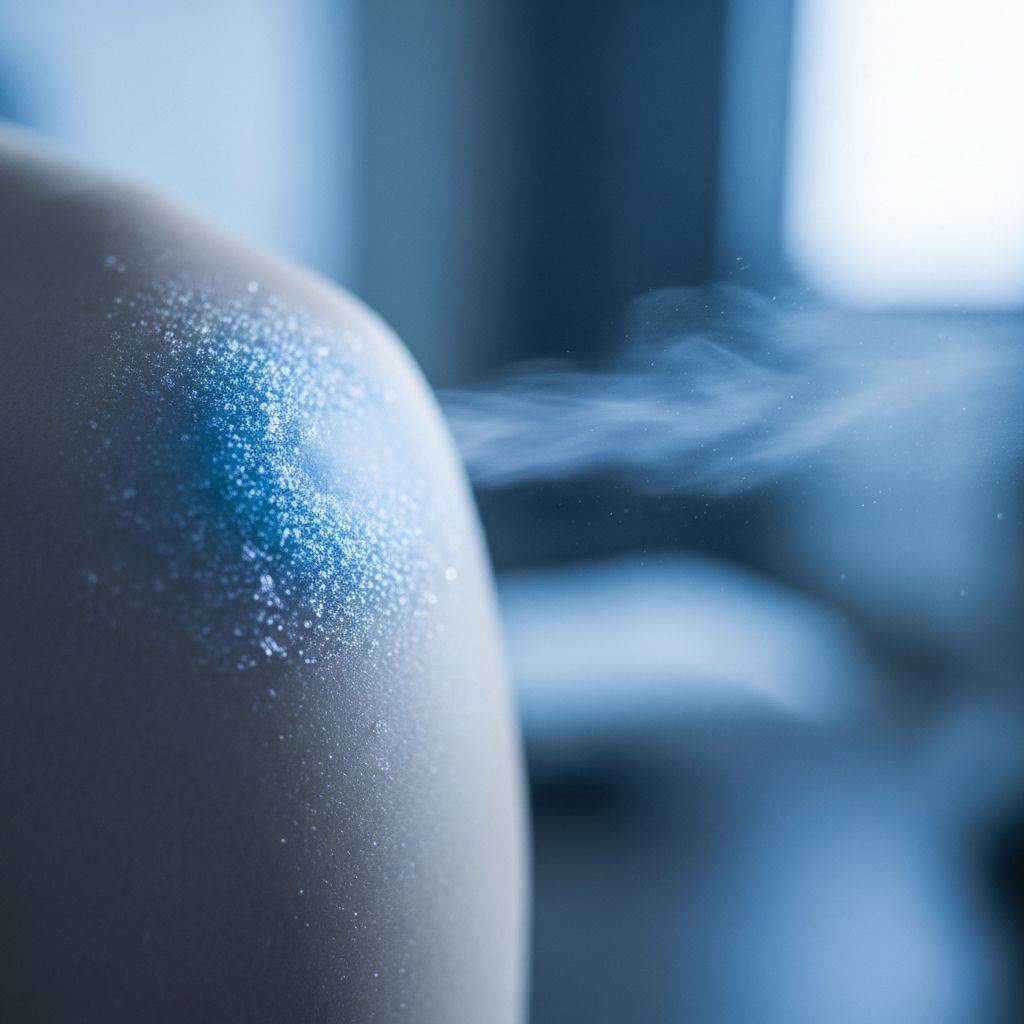
Cryotherapy, also known as cold therapy, is a therapeutic technique that uses extremely cold temperatures to manage pain, reduce inflammation, and promote healing. This ancient healing method has been documented throughout history, with Hippocrates himself recognizing the benefits of applying snow and ice to the body. Today, cryotherapy has evolved from simple ice packs to sophisticated whole-body cryotherapy chambers, offering modern patients multiple options for pain relief and recovery.
What Is Cryotherapy?
Cryotherapy is the application of cold temperatures to the body for therapeutic purposes. The term derives from the Greek words “cryo” (cold) and “therapy” (treatment). Modern cryotherapy encompasses various techniques ranging from traditional ice packs and cold water immersion to advanced whole-body cryotherapy chambers that expose the entire body to extremely cold air, typically ranging from -30°C to below -110°C. These treatments are applied for very short durations, usually between 2 to 5 minutes, to maximize therapeutic benefits while minimizing discomfort.
How Cryotherapy Works for Pain Relief
Cryotherapy alleviates pain through several interconnected physiological mechanisms:
Nerve Signal Reduction
Cold therapy works by affecting nerve signals and slowing their transmission to the brain. By reducing the speed at which pain signals travel, cryotherapy effectively decreases the amount of pain information reaching the central nervous system, resulting in reduced pain perception. This numbing effect is one of the most immediate and noticeable benefits of cold therapy application.
Norepinephrine Elevation
Cryotherapy stimulates the release of norepinephrine, a natural chemical in the body that acts as both a stress hormone and a natural painkiller. When the body is exposed to extreme cold, norepinephrine levels increase, providing additional pain relief beyond the direct numbing effect of cold. This endogenous pain management system enhances the overall therapeutic effect of cryotherapy.
Inflammation Reduction
One of the primary mechanisms of cryotherapy is its ability to constrict blood vessels, which reduces blood flow to the injured area. This vasoconstriction decreases swelling and inflammation, two major contributors to pain. By reducing inflammatory markers and preventing the buildup of edema, cryotherapy addresses pain at its source rather than simply masking symptoms.
Improved Circulation and Healing
While cryotherapy initially constricts blood vessels, the therapeutic effect ultimately increases oxygen and blood flow to the injured area during the recovery phase. This enhanced circulation stimulates the healing process of damaged tissues, promoting faster recovery and restoration of normal function. The initial vasoconstriction followed by increased blood flow creates an optimal environment for tissue repair.
Types of Cryotherapy
Cryotherapy techniques vary in scope, intensity, and application method. Understanding the different types helps patients and healthcare providers select the most appropriate treatment for specific conditions:
Cold Water Immersion (CWI)
Cold water immersion involves submerging the affected body part or entire body in water maintained at temperatures of 15°C or below. This traditional method is widely used in sports medicine and post-injury recovery, providing comprehensive cold exposure to large areas of the body. CWI is accessible and can be performed in clinical settings or at home with proper guidance.
Related Stories



Ice Packs and Cold Packs
The most basic and accessible form of cryotherapy, ice packs and cold packs provide localized cold therapy to specific injured areas. These can be applied directly to the skin (with a protective barrier) or used with compression wraps. Ice packs are effective for acute injuries and muscle soreness, offering immediate pain relief and swelling reduction.
Ice Massage
Ice massage involves using a frozen object, typically an ice cup or frozen water in a paper cup, to massage the affected area in circular motions. This technique combines the benefits of cold therapy with gentle mechanical stimulation, making it particularly effective for localized muscle soreness, tendonitis, and other soft tissue injuries. Ice massage sessions typically last 5 to 10 minutes.
Whole-Body Cryotherapy (WBC)
Whole-body cryotherapy represents the most advanced form of cold therapy, utilizing specialized chambers that expose the entire body to extremely cold dry air. These chambers maintain temperatures between -30°C and below -110°C, with exposure times limited to 2-5 minutes due to the extreme cold. WBC is increasingly used in sports medicine, recovery centers, and rehabilitation facilities for comprehensive pain management and systemic therapeutic effects.
Partial-Body Cryotherapy and Air-Pulsed Cryotherapy
These newer modalities allow targeted treatment of specific body regions without exposing the entire body to extreme cold. Partial-body cryotherapy focuses on particular areas of concern, while air-pulsed cryotherapy combines cold therapy with pulsating air stimulation, enhancing therapeutic effects and improving patient comfort during treatment.
Phase Change Material (PCM)
Phase change material represents an innovative cold therapy approach that maintains constant therapeutic temperatures (around 15°C) while allowing patients to continue normal daily activities. PCM can maintain skin temperature at approximately 22°C during extended applications lasting up to 3 hours, providing prolonged therapeutic benefits without the extreme discomfort of traditional cryotherapy methods.
Clinical Applications of Cryotherapy
Acute Injuries
Cryotherapy is most effective when applied immediately after acute injuries such as sprains, strains, and muscle tears. Immediate application of cold therapy reduces inflammation, prevents edema buildup, and accelerates recovery by creating an optimal healing environment. For acute injuries, cold therapy should be applied within the first 48 hours, particularly in the immediate period following injury.
Chronic Pain Conditions
Patients with chronic pain conditions including fibromyalgia, rheumatoid arthritis, and chronic back pain have demonstrated significant pain reduction through cryotherapy treatment. Research indicates that whole-body cryotherapy may be an important component of comprehensive rehabilitation programs for these conditions. A 12-week study of women exposed to whole-body cryotherapy showed measurable pain alleviation and improved quality of life metrics.
Sports Medicine and Athletic Recovery
Athletes utilize cryotherapy to manage delayed-onset muscle soreness (DOMS), accelerate recovery between training sessions, and reduce post-traumatic inflammation following intense exercise or competition. Research demonstrates that cryotherapy becomes increasingly effective more than 48 hours post-exercise, making it particularly valuable for intermediate and long-term recovery protocols. The anti-inflammatory and anti-oxidant effects support both injury prevention and performance optimization.
Post-Operative Pain Management
Cryotherapy provides effective post-operative pain management for surgical patients, particularly those unable to undergo conventional pain management therapies. Cold therapy reduces swelling, minimizes pain medication requirements, and promotes faster return to normal function following surgical procedures.
Joint and Arthritis Pain
Patients with osteoarthritis and other joint conditions have shown improvement in pain, function, and quality of life through cryotherapy treatment. While improvements may be modest in some cases, the cumulative benefits over extended treatment periods contribute to meaningful pain relief and functional enhancement.
Other Treatable Conditions
Cryotherapy effectively addresses runner’s knee, tendonitis, bursitis, and other overuse injuries common in athletic and occupational populations. The therapy’s versatility extends to dermatological applications and specialized medical procedures where controlled freezing can remove superficial skin lesions or destroy targeted tissue.
Timing and Duration of Cryotherapy
Optimal timing is crucial for cryotherapy effectiveness. Cold therapy should be applied immediately after acute injuries, ideally within the first 48 hours. During this acute phase, ice packs, cold water immersion, or specialized cold therapy devices provide maximum benefit in reducing inflammation and preventing swelling progression. After 48 hours, when the acute inflammatory phase has subsided, advanced cryotherapy methods like whole-body cryotherapy demonstrate superior pain relief compared to simple cold pack applications. Treatment duration varies by method: ice massage typically lasts 5-10 minutes, cold water immersion 15-20 minutes, and whole-body cryotherapy 2-5 minutes due to extreme temperatures.
Comparison of Cold Therapy Methods
| Method | Temperature Range | Duration | Best For | Accessibility |
|---|---|---|---|---|
| Ice Packs | 0°C (freezing) | 15-20 minutes | Acute injuries, localized pain | Highly accessible |
| Cold Water Immersion | ≤15°C | 15-20 minutes | Athletic recovery, full limb treatment | Accessible |
| Ice Massage | 0°C (freezing) | 5-10 minutes | Localized soreness, soft tissue injuries | Highly accessible |
| Phase Change Material | 15°C | Up to 3 hours | Prolonged therapy, daily activities | Moderate |
| Whole-Body Cryotherapy | -30°C to <-110°C | 2-5 minutes | Systemic pain, athletic recovery | Limited (specialized facilities) |
Benefits of Cryotherapy
Cryotherapy offers multiple interconnected benefits that extend beyond simple pain relief:
Immediate Pain Relief: Cold therapy provides rapid pain reduction through numbing effects and nerve signal interruption, offering immediate relief for acute injuries and chronic pain flare-ups.
Swelling and Inflammation Reduction: By constricting blood vessels and reducing inflammatory markers, cryotherapy decreases swelling associated with injuries and chronic conditions, addressing a primary source of discomfort.
Improved Circulation and Healing: The therapeutic application of cold initiates physiological responses that enhance oxygen delivery and blood flow to injured tissues, accelerating the natural healing process and promoting tissue repair.
Reduced Muscle Soreness: Cryotherapy effectively diminishes delayed-onset muscle soreness (DOMS) following intense exercise or unaccustomed physical activity, enabling faster return to training and activity.
Enhanced Quality of Life: For patients with chronic pain conditions, cryotherapy contributes to improved quality of life measures, increased ability to perform daily activities, and reduced reliance on pharmaceutical pain management.
Anti-Inflammatory and Anti-Oxidant Effects: Whole-body cryotherapy provides systemic anti-inflammatory and anti-oxidant benefits that support recovery, reduce exercise-induced oxidative stress, and promote overall physiological wellness.
Contraindications and Safety Considerations
While generally safe, cryotherapy has specific contraindications and requires appropriate precautions. Individuals with cold sensitivity, Raynaud’s phenomenon, or certain cardiovascular conditions should consult healthcare providers before undergoing cryotherapy. The extreme temperatures used in whole-body cryotherapy can cause discomfort and adverse reactions in sensitive individuals. Treatment should be limited to 2-5 minutes to prevent tissue damage and ensure safety. Protective measures including appropriate footwear and skin protection barriers should be employed for all cryotherapy modalities. Patients with open wounds, infections, or compromised skin integrity should avoid direct cold therapy application. Medical supervision is recommended for patients with underlying health conditions or those new to cryotherapy treatments.
Evidence-Based Effectiveness
Numerous clinical studies have investigated cryotherapy effectiveness. Research involving 59 studies and 1,367 patients examined various cold and heat treatment methods for pain management. Results demonstrate that cryotherapy ranks as the optimal intervention for pain relief more than 48 hours post-exercise, with effectiveness increasing over extended timeframes. Studies on whole-body cryotherapy for chronic pain patients, including those with fibromyalgia and rheumatoid arthritis, show consistent improvements in pain scales, fatigue severity, and functional ability. While some studies report modest improvements in osteoarthritis-related knee pain compared to placebo, the cumulative evidence supports cryotherapy as an effective component of comprehensive pain management strategies.
Frequently Asked Questions (FAQs)
Q: When should I use ice versus heat for pain management?
A: Cold therapy (ice) should be applied within the first 48 hours of acute injuries to reduce inflammation and swelling. Heat therapy is more appropriate after the acute phase has passed and is not recommended for the first 48 hours following injury, as it may increase swelling. For chronic conditions, consult your healthcare provider to determine the most appropriate treatment.
Q: How long should I apply cryotherapy?
A: Application duration depends on the cryotherapy method. Ice packs and cold water immersion typically last 15-20 minutes, ice massage 5-10 minutes, and whole-body cryotherapy 2-5 minutes. Always follow specific guidelines provided by healthcare professionals or facility staff to prevent tissue damage.
Q: Is whole-body cryotherapy safe?
A: Research indicates that whole-body cryotherapy does not have deleterious effects on immunological or cardiac function when properly administered. However, the extreme temperatures may cause discomfort in sensitive individuals. Medical supervision is recommended, particularly for those with underlying health conditions.
Q: Can cryotherapy treat chronic pain conditions?
A: Yes, research demonstrates that cryotherapy can effectively reduce pain in chronic conditions including fibromyalgia, rheumatoid arthritis, and chronic back pain. Whole-body cryotherapy may serve as an important component of comprehensive rehabilitation programs for these conditions.
Q: How often should I use cryotherapy for best results?
A: Treatment frequency depends on your specific condition and healthcare provider recommendations. Some patients benefit from multiple sessions per week, while others may require less frequent treatment. Your healthcare provider can establish an appropriate treatment protocol based on your individual needs.
Q: Are there any side effects of cryotherapy?
A: Most people tolerate cryotherapy well. Potential side effects include temporary discomfort from cold exposure, mild skin irritation, or temporary numbness. Serious adverse effects are rare when cryotherapy is properly administered. Report any concerning symptoms to your healthcare provider.
References
- EFFECT OF COLD AND HEAT THERAPIES ON PAIN RELIEF IN PATIENTS WITH DELAYED ONSET MUSCLE SORENESS — National Center for Biotechnology Information/PubMed Central. 2022-12-28. https://pmc.ncbi.nlm.nih.gov/articles/PMC8862647/
- Whole-Body Cryotherapy in Athletes: From Therapy to Stimulation — National Center for Biotechnology Information/PubMed Central. 2017-04-04. https://pmc.ncbi.nlm.nih.gov/articles/PMC5411446/
- Benefits of Cryotherapy for Pain Management — CRYO Australia. 2025-01-15. https://www.cryo.com.au/benefits-of-cryotherapy-for-pain-management/
- Cryotherapy — EBSCO Research Starters. 2024-11-20. https://www.ebsco.com/research-starters/health-and-medicine/cryotherapy
- Heat or ice: What do you need for your pain? — Brownmed. 2025-01-10. https://www.brownmed.com/blog/cryotherapy/heat-or-ice-what-do-you-need-for-your-pain/
Similar Articles








Read full bio of medha deb