Cryotherapy For Eczema Relief: Expert Guide To Symptom Control
Explore how cold therapy sessions could reduce itching, inflammation, and flare-ups in eczema patients through scientific evidence and practical insights.
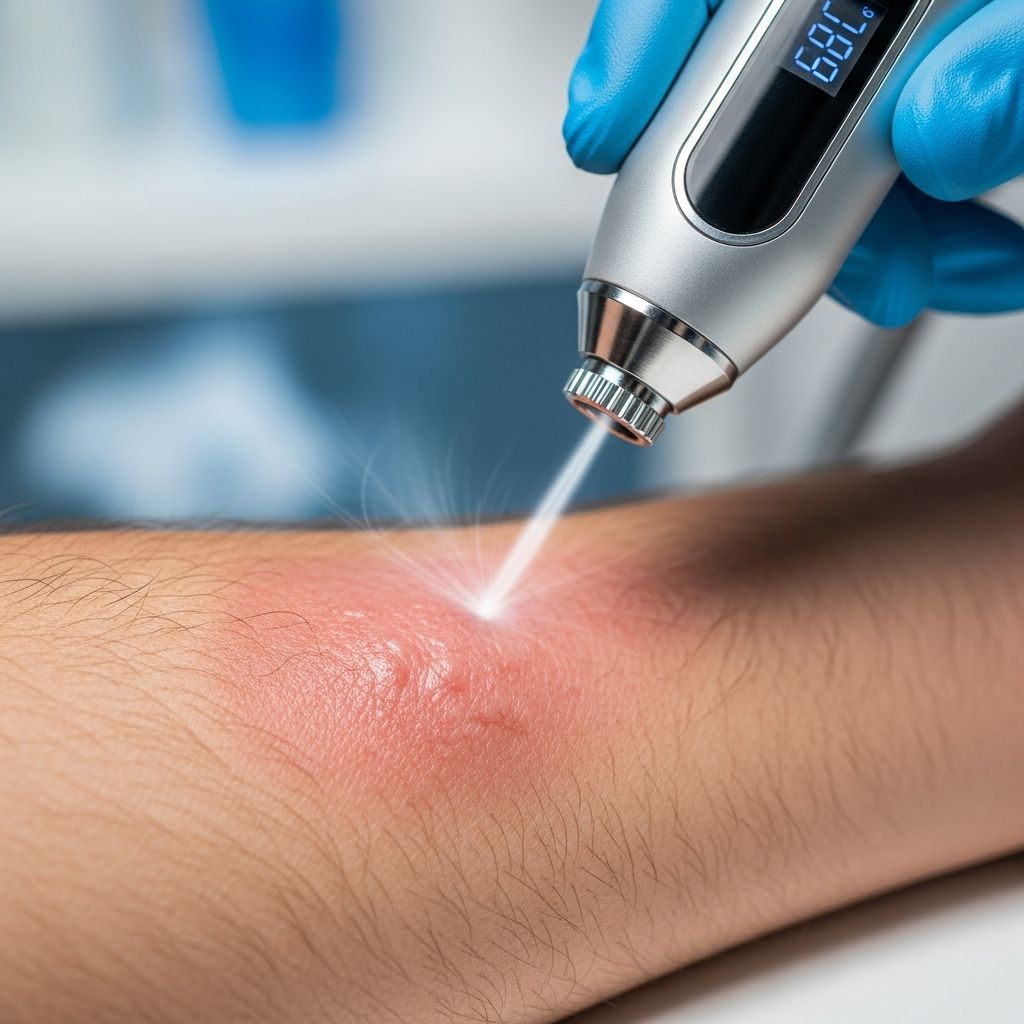
Cryotherapy, involving exposure to extremely cold temperatures, emerges as a promising supportive treatment for eczema, particularly in alleviating itchiness, inflammation, and related discomforts. Research indicates it can reduce symptom severity in mild to moderate cases without relying on topical steroids.
Understanding Eczema and Its Challenges
Eczema, or atopic dermatitis (AD), is a chronic inflammatory skin condition affecting millions worldwide, characterized by intense itching, redness, and dry patches that often flare up unpredictably. Patients frequently experience disrupted sleep and reduced quality of life due to persistent pruritus and barrier dysfunction, leading to increased transepidermal water loss (TEWL).
Conventional treatments include moisturizers, topical corticosteroids, calcineurin inhibitors, and antihistamines, but these may lose effectiveness over time or cause side effects like skin thinning. This gap has prompted exploration of non-pharmacological options like cryotherapy, which targets underlying inflammation through systemic cooling.
What Is Cryotherapy?
Cryotherapy exposes the body to sub-zero temperatures to trigger physiological responses beneficial for skin health. Two primary forms are relevant for eczema:
- Whole-Body Cryotherapy (WBC): Patients enter a cryochamber with temperatures from -100°C to -180°C for 2-3 minutes, wearing protective gear for extremities.
- Localized Cryotherapy: Targeted cooling on affected areas using devices for 3-5 minutes, ideal for isolated flare-ups.
The process constricts blood vessels, reducing local inflammation, then promotes vasodilation upon rewarming, boosting oxygen-rich blood flow, antioxidant activity, and anti-inflammatory cytokines.
Scientific Evidence Supporting Cryotherapy in Eczema
Multiple peer-reviewed studies demonstrate cryotherapy’s efficacy in improving eczema metrics like the SCORAD index, which assesses disease severity including extent, intensity, and subjective symptoms.
| Study | Intervention | Participants | Key Outcomes |
|---|---|---|---|
| Klimenko et al. (2008) | WBC 3x/week for 4 weeks (-110°C) | 18 adults with mild-moderate AD | SCORAD dropped 19.6% (38.7 to 31.1, p=0.03); reduced pruritus, TEWL, improved sleep |
| Kepinska-Szyszkowska et al. (2020) | 15 WBC sessions over 1 month | 14 AD patients | SCORAD reduced (p=0.011); TEWL improved (p<0.05), effects lasted 3 weeks |
| Other research | WBC series | AD patients | Increased epidermal hydration; SCORAD decrease; no pH changes |
These trials, conducted without concurrent anti-inflammatories, highlight cryotherapy’s steroid-sparing potential, with high patient tolerance and satisfaction.
How Cryotherapy Targets Eczema Symptoms
Reducing Itch and Pruritus
Itch in eczema stems from nerve sensitization and inflammatory mediators. Cold exposure slows nerve conduction velocity, decreases acetylcholine release, and lowers pro-inflammatory cytokines like IL-4 and IL-5, providing rapid relief.
Combating Inflammation
Cryotherapy enhances antioxidative capacity and elevates anti-inflammatory markers, countering oxidative stress common in AD. It also inhibits Staphylococcus aureus proliferation on exposed skin, a frequent AD colonizer exacerbating flares.
Improving Skin Barrier Function
Post-treatment, epidermal hydration rises, TEWL falls, and corneocyte cohesion strengthens, addressing the dry skin central to eczema pathology.
Practical Guide to Cryotherapy Sessions
Before starting, consult a dermatologist to rule out contraindications like cold urticaria, cardiovascular issues, or Raynaud’s phenomenon.
- Preparation: Hydrate well, avoid lotions, wear cotton undergarments, gloves, socks, and slippers.
- Session: Enter pre-cooling chambers, then main chamber for 2-3 minutes while moving to ensure even exposure.
- Post-Session: Rewarm naturally in 10-20°C room, moisturize, rest, and hydrate. Repeat 10-15 sessions, 2-3x/week.
Related Stories



Costs vary ($50-100/session), often not covered by insurance, but wellness centers offer packages.
Safety Profile and Potential Risks
Cryotherapy is generally safe, with studies reporting minimal adverse events like transient dry skin or mild frostbite on extremities. No serious incidents occurred in eczema trials, thanks to monitored chambers with emergency features.
However, the American Academy of Dermatology cautions that whole-body cryotherapy lacks FDA approval for medical claims and extreme cold poses burn risks if protocols aren’t followed.
Contraindications: Pregnancy, hypertension, claustrophobia, acute infections.
Comparing Cryotherapy to Traditional Eczema Treatments
| Treatment | Pros | Cons |
|---|---|---|
| Cryotherapy | Non-drug, rapid relief, steroid-sparing, systemic benefits | Access/cost limited, short-term sessions required |
| Topical Steroids | Effective, easy to apply | Skin thinning, dependency, rebound flares |
| Phototherapy | Reduces inflammation | Time-intensive, UV risks |
As an adjunct, cryotherapy complements moisturizers and topicals, potentially lowering overall medication needs.
Patient Experiences and Real-World Use
Anecdotal reports align with studies: users note immediate itch reduction and calmer skin post-session, with cumulative benefits over a course. One eczema patient described profound relief from both itch and pain after cryotherapy, allowing better sleep.
For best results, combine with trigger avoidance (e.g., irritants, allergens) and consistent skincare.
Future Directions in Cryotherapy Research
Ongoing studies explore optimal protocols, long-term efficacy, and combinations with biologics like dupilumab. Larger trials are needed to confirm benefits across severities and demographics, but current data positions cryotherapy as a valuable tool in eczema management.
Frequently Asked Questions (FAQs)
Is cryotherapy painful for eczema skin?
No, the brief exposure feels invigorating, not painful, and raw skin is protected. Most report relief.
How many sessions for noticeable eczema improvement?
Typically 10-15 sessions over 3-4 weeks, with benefits starting after 3-5.
Can cryotherapy cure eczema?
No, it’s supportive for symptom control, not a cure for this chronic condition.
Is it safe for children with eczema?
Limited pediatric data; consult specialists. Adult studies show safety.
Does insurance cover cryotherapy for eczema?
Rarely, as it’s often wellness-based; check providers.
References
- Ease Symptoms of Eczema with Cryotherapy — CryoJuvenate. 2023. https://cryojuvenate.com/ease-symptoms-of-eczema-with-cryotherapy/
- The application of repeated whole-body cryotherapy in atopic dermatitis — Forum Dermatologicum (Via Medica). 2022-10-26. https://journals.viamedica.pl/forum_dermatologicum/article/view/100409
- A Potential Therapeutic Option for Mild to Moderate Atopic Dermatitis — PMC (PubMed Central). 2024. https://pmc.ncbi.nlm.nih.gov/articles/PMC12189211/
- Assessment of the Influence Systemic Cryotherapy Exerts on… — PMC (PubMed Central). 2020. https://pmc.ncbi.nlm.nih.gov/articles/PMC7495168/
- Cold Therapy May Relieve Inflammation in AD — Dermatology Times. 2024. https://www.dermatologytimes.com/view/cold-therapy-may-relieve-inflammation-in-ad
- Could Cryotherapy Help Your Eczema? — National Eczema Association. 2023. https://nationaleczema.org/blog/blog-cryotherapy-and-eczema/
- Whole-Body Cryotherapy in Atopic Dermatitis — JAMA Dermatology (JAMA Network). 2008. https://jamanetwork.com/journals/jamadermatology/fullarticle/419737
Similar Articles








Read full bio of Sneha Tete