Cryotherapy: Uses, Cautions, and Aftercare
Explore cryotherapy: A minimally-invasive freezing treatment for skin lesions with proven effectiveness and safety.
Introduction
Cryotherapy, also known as cryosurgery or cryoablation, is a minimally-invasive treatment that freezes skin surface lesions using extremely cold liquid or instruments known as cryogens. This procedure has become a cornerstone in dermatological practice due to its effectiveness, simplicity, and cost-efficiency. Unlike more invasive surgical options, cryotherapy can be performed quickly in an outpatient setting without requiring extensive preparation or recovery time.
The most commonly used cryogenic agent is liquid nitrogen, which reaches temperatures as low as –196°C, making it the gold standard for clinical cryotherapy applications. This extreme cold causes direct tissue destruction through multiple mechanisms, including ice crystal formation and cellular damage, ultimately eliminating unwanted skin lesions effectively.
What is Cryotherapy?
Cryotherapy literally means “treatment using low temperature” and refers to the removal of surface skin lesions by freezing them. The procedure works by applying an extremely cold substance directly to abnormal skin tissue, causing the cells to freeze and die. The frozen tissue subsequently sloughs off over a period of days to weeks, depending on the depth and extent of the treatment.
The procedure is remarkably straightforward and does not normally require local anesthesia, as pain is usually mild and short-lived, although this varies between individuals and according to the body site being treated. The procedure itself typically lasts only a matter of seconds, with the precise time depending on the thickness and size of the lesion being treated.
Uses of Cryotherapy
Cryotherapy has a wide range of applications in dermatology and can treat numerous skin conditions. Many abnormal areas of skin can be addressed through this versatile treatment method.
Benign Lesions
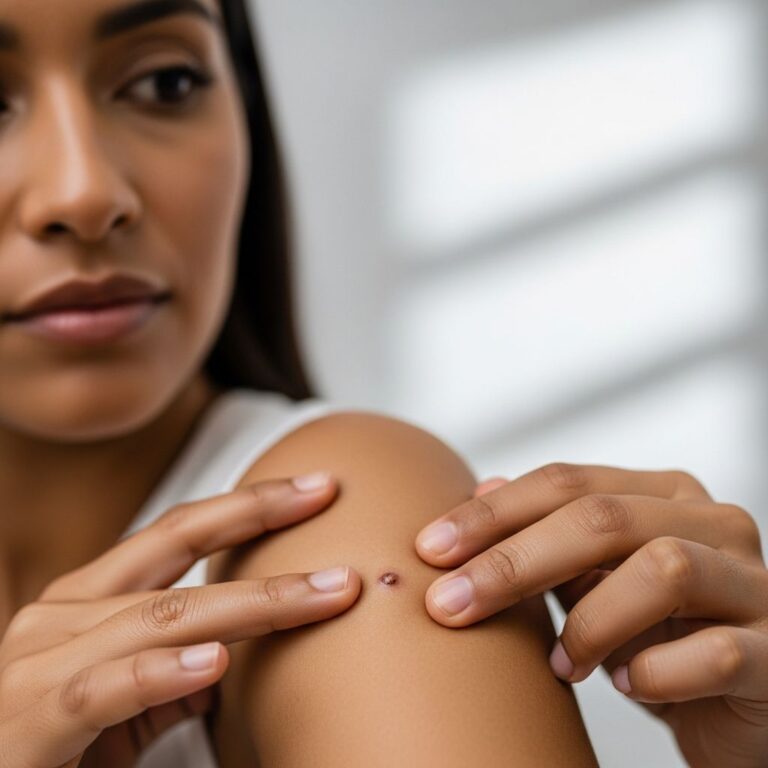
Cryotherapy is most commonly used to remove benign (non-cancerous) lesions and is particularly effective for treating areas of sun-damaged skin found predominantly on sun-exposed parts of the body. Common benign lesions treated with cryotherapy include:
- Viral warts and verrucous lesions
- Seborrheic keratoses
- Solar keratoses and actinic keratosis
- Skin tags and acrochordons
- Molluscum contagiosum
- Benign pigmented lesions (in some cases)
Benign lesions secondary to sun damage respond particularly well to cryosurgery, with favorable response rates reported when combined with keratolytic pre-treatment. Clearance rates for verrucous lesions can vary depending on the degree of hyperkeratosis and size of the wart, with overall cure rates ranging from 39% to 84% at three months post-treatment.
Malignant and Pre-malignant Lesions
While cryotherapy is not a first-line treatment for cancerous lesions, dermatologists can freeze small skin cancers such as superficial basal cell carcinoma (BCC) and in-situ squamous cell carcinoma (SCC) on the trunks and limbs. However, this approach is not always successful, making careful follow-up essential. Cryotherapy may be considered for low-risk skin cancers when performed by a medical practitioner with appropriate training and where the lesion has been identified by biopsy.
How Cryotherapy Works
Cryotherapy operates through a sophisticated mechanism of cellular destruction. The procedure works by using a cryogen to cool the targeted lesion to sub-zero temperatures, causing direct tissue necrosis. The thawing process induces osmolarity changes—alterations in the concentration of dissolved substances within and around cells—which further results in tissue damage.
Related Stories



The effectiveness of cryotherapy depends on multiple factors related to cell type and freezing conditions. Different cell types exhibit varying susceptibility to cold damage. Melanocytes (pigment-producing cells) are most susceptible to damage, while viruses are least susceptible. Cell death is thought to occur due to a combination of extracellular and intracellular ice formation, with rapid freezing and slow thawing being more destructive than other freeze-thaw combinations.
Delivery Methods and Techniques
Cryotherapy using liquid nitrogen can be delivered through various methods, with the choice depending on the location, depth, size, and tissue type of the lesion. Different delivery techniques offer distinct advantages for specific clinical scenarios.
Liquid Nitrogen Spray Methods
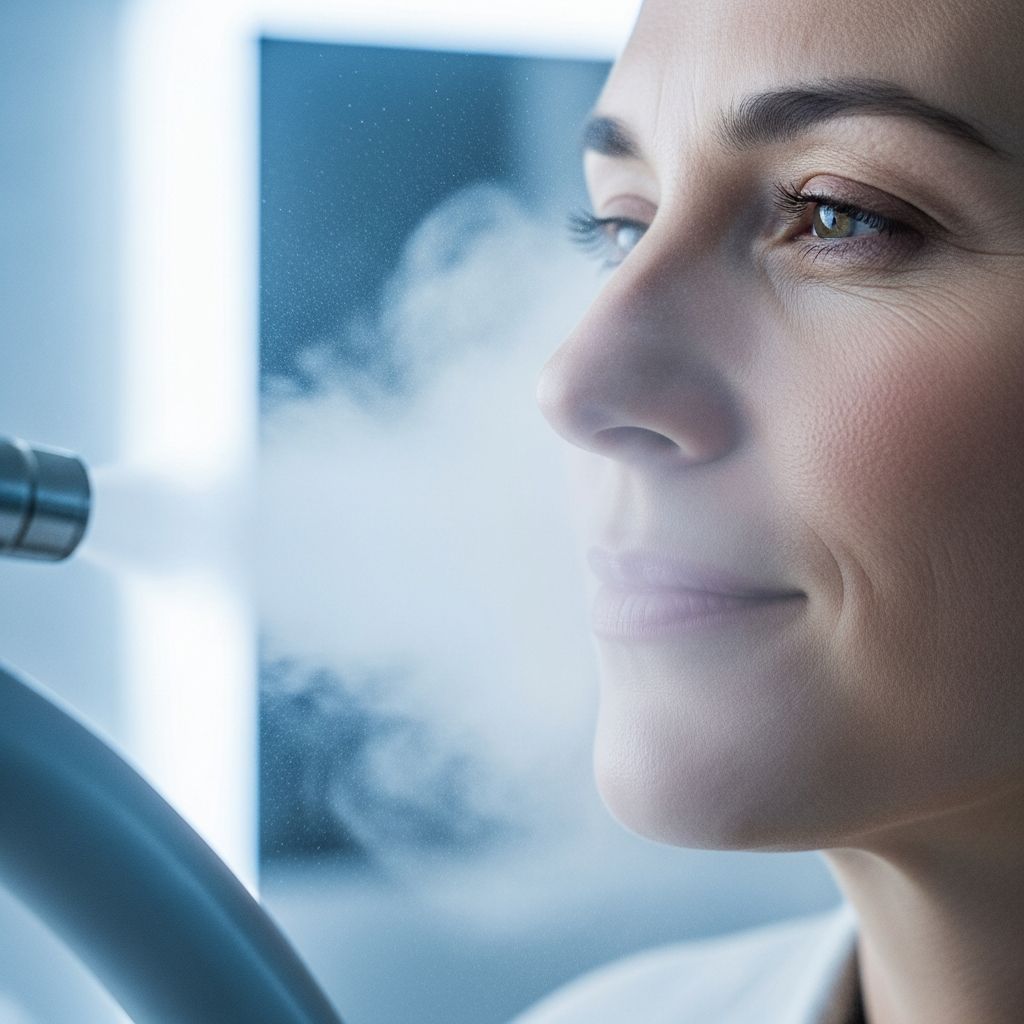
The timed spot freeze technique is the most commonly employed method. In this approach, the spray gun is positioned 1 to 1.5 centimeters above the center of the skin lesion and sprayed until an ice ball encompasses the lesion and the required margin. The ice field is then maintained for 5 to 30 seconds depending on the lesion and the desired depth of freeze. The treatment can be repeated once thawing has completed, known as a “double freeze-thaw” technique, which enhances effectiveness for resistant lesions.
The spot-freeze method is only suitable for lesions up to 2 centimeters in diameter. For larger lesions exceeding this size, the temperature may not be low enough to achieve adequate cell destruction, requiring the treatment field to be divided into overlapping areas for complete coverage.
During the freeze process, the liquid nitrogen spray tip is held approximately 1 centimeter from the skin over the center of the area to be treated. Spraying commences, forming a circular ice field that should include a rim of normal tissue surrounding the target lesion. Once the ice has developed within the desired field, the spray is continued intermittently to maintain the field size for the appropriate duration. Freeze times begin counting from when the target area becomes white, not from when spraying initially commenced, and stop when the skin returns to its normal color.
Cryoprobe and Cotton-Tipped Applicator Methods
Alternative delivery methods include the use of cryoprobes—specialized instruments that deliver extreme cold directly to tissue—and cotton-tipped applicators. These methods offer flexibility for treating lesions in different anatomical locations and with varying depths of penetration.
Carbon Dioxide Cryotherapy
Carbon dioxide cryotherapy involves making a cylinder of frozen carbon dioxide snow or a slush combined with acetone, which is applied directly to the skin lesion. This method provides an alternative to liquid nitrogen in certain clinical situations.
Dimethyl Ether and Propane (DMEP)
DMEP comes in an aerosol can and is often available over-the-counter. It is used to treat warts using a foam applicator pushed onto the skin lesion for 10–40 seconds, depending on its size and site. This option provides a more accessible treatment for patients seeking self-directed or at-home wart management.
Benefits and Advantages
Cryotherapy offers numerous advantages that make it an attractive option for both patients and healthcare providers. The procedure is simple, relatively safe, and can be performed quickly in an outpatient setting without the need for hospitalization or complex equipment. The treatment is inexpensive compared to many alternative procedures, making it accessible to a broader patient population.
The procedure requires minimal recovery time, allowing patients to return to normal activities immediately or shortly after treatment. Additionally, cryotherapy is effective for a wide range of benign lesions and can be used for select cancerous lesions when appropriate. The procedure causes minimal scarring when performed correctly on superficial lesions, and healing times are generally predictable, varying from 5–10 days on the face, 3–4 weeks on the hands, and 6 weeks or longer on the legs.
Contraindications and Cautions
While cryotherapy is generally safe, certain situations warrant caution or contraindication of the procedure. Cryotherapy should not be used for:
- Deep or thick lesions requiring extensive penetration
- Lesions in areas where scarring would be cosmetically unacceptable without careful assessment
- Patients with cold sensitivity or cryoglobulinemia
- Treatment of malignant melanoma (not appropriate)
- Lesions requiring pathological examination for diagnostic purposes
Medical practitioners must exercise careful judgment regarding patient selection, informed consent discussing benefits and risks, and proper technique to avoid adverse outcomes. Several cases have been documented where prolonged freezing resulted in unacceptable scarring, ulceration, and nerve damage, emphasizing the importance of adequate training and supervision.
Side Effects and Complications
Although cryotherapy is generally safe, patients should be aware of potential side effects and complications that may occur following treatment. Understanding these possibilities helps set appropriate expectations and ensures timely management of any adverse effects.
Common Side Effects
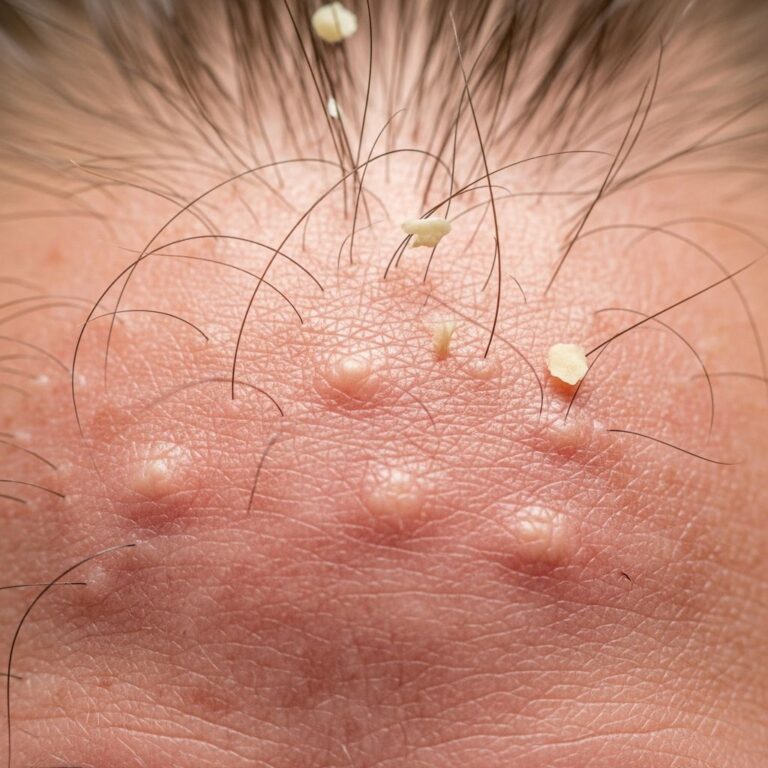
The treated area is likely to blister within a few hours, depending on the depth and duration of the freeze. The blister may contain clear fluid or blood, which is harmless and expected. Immediate swelling and redness may be reduced by applying ice packs or cool compresses to the treatment area immediately following the procedure.
A scab will form as the blister gradually dries up over subsequent days. Treatment near the eye may result in a puffy eyelid, especially the following morning, but the swelling typically settles within a few days. A light freeze for superficial lesions usually leaves no visible mark, but longer freeze times may result in hypopigmentation (lightening of skin color) or slight scarring.
Pigmentation Changes
Pigmentation changes represent a notable side effect of cryotherapy. The skin at and around the treatment site may lighten or darken in color, especially in darker-skinned individuals. This occurs because melanocytes are particularly susceptible to cold damage. These changes usually improve with time but may occasionally be permanent, requiring discussion with patients before treatment, particularly those with darker skin tones.
Numbness
Numbness can occur if a superficial nerve is frozen during treatment, resulting in numbness of the area of skin supplied by that nerve. Normal feeling usually returns within a matter of months as the nerve recovers from the cold exposure.
Treatment Failure and Recurrence
While cryotherapy is effective, treatment may fail, or the growth may recur after initially appearing to resolve. Patients might require repeat treatment or a different treatment modality. This is particularly true for certain resistant lesions or when inadequate freeze depth is achieved.
Pain Considerations
Although pain is usually mild and short-lived during cryotherapy, some patients may experience extreme reactions ranging from discomfort to pain. Therefore, in some cases, it may be advisable to administer a test dose on the lesion first. Some patients may have low tolerance to cryosurgery and require adjusted treatment approaches. When treating children with cryotherapy, particularly for conditions like molluscum contagiosum, it should be remembered that the procedure can be painful, and this must be factored into treatment planning.
Post-Treatment Care
Proper aftercare following cryotherapy is essential for optimal healing and minimizing complications. Patients should receive clear instructions on managing their treated skin in the days and weeks following the procedure.
Immediate Post-Treatment Instructions
Following cryotherapy, patients should be informed that:
- The treated area will likely blister within a few hours
- Blistering is a normal part of the healing process
- A scab will form as the blister dries
- Healing timelines vary by location: 5–10 days on the face, 3–4 weeks on the hands, 6 weeks or longer on legs
- Swelling may be reduced by applying ice immediately after treatment
Wound Care and Monitoring
Patients should keep the treated area clean and watch for signs of infection. If there are any signs of infection—such as increasing redness of surrounding skin, discharge, or increasing pain—the patient should contact their healthcare provider promptly.
Activity Restrictions
Most patients can return to normal activities immediately following cryotherapy. However, strenuous exercise or activities that cause excessive sweating should be minimized during the acute healing phase to prevent irritation of the treated area.
Frequently Asked Questions
Q: Does cryotherapy require anesthesia?
A: No, cryotherapy does not normally require local anesthesia as pain is usually mild and short-lived, although this varies between individuals and according to the body site being treated.
Q: How long does the cryotherapy procedure take?
A: The procedure itself lasts only a matter of seconds; the precise time depends on the thickness and size of the lesion. The frozen skin becomes white and typically takes one to two minutes to thaw back to normal skin temperature.
Q: What conditions can be treated with cryotherapy?
A: Cryotherapy can treat various benign lesions including warts, seborrheic keratoses, solar keratosis, and skin tags. It may also be used for low-risk skin cancers like superficial basal cell carcinoma when performed by trained practitioners.
Q: What is the success rate of cryotherapy for warts?
A: Overall cure rates for verrucous lesions vary from 39% to 84% at three months post-treatment, depending on the degree of hyperkeratosis and size of the wart. Several treatment sessions may be needed for complete resolution.
Q: What should I do if I develop signs of infection after cryotherapy?
A: If you notice increasing redness of surrounding skin, discharge, or increasing pain, contact your healthcare provider promptly as these may indicate infection requiring medical attention.
Q: Can cryotherapy leave scars?
A: A light freeze for superficial lesions usually leaves no visible mark. However, longer freeze times may result in hypopigmentation or slight scarring. The risk varies depending on the depth of freezing and skin type.
Q: How long does it take for the skin to heal after cryotherapy?
A: Healing varies by location: 5–10 days on the face, 3–4 weeks on the hands, and 6 weeks or longer on the legs, depending on the depth and extent of treatment.
References
- Cryotherapy: Uses, Cautions, and Aftercare — DermNet. Accessed January 2026. https://dermnetnz.org/topics/cryotherapy
- Cryotherapy — British Association of Dermatologists (BAD) Patient Hub – Skin Health Info. Accessed January 2026. https://www.skinhealthinfo.org.uk/condition/cryotherapy/
- Best Practice in Cryosurgery — British Dermatological Nursing Group. February 2017. https://bdng.org.uk/wp-content/uploads/2017/02/DN_cryosurgery_supplement.pdf
- Actinic Keratoses (Solar Keratosis): Diagnosis and Treatment — DermNet. Accessed January 2026. https://dermnetnz.org/topics/actinic-keratosis
- Liquid Nitrogen/Cryotherapy Guidelines — DermNet ProCare. Accessed January 2026. https://dermnetnz.org/topics/liquid-nitrogencryotherapy-guidelines
- Take Care with Cryotherapy — MDA National Insurance. June 22, 2020. https://www.mdanational.com.au/advice-and-support/library/articles-and-case-studies/2020/06/take-care-with-cryotherapy
Similar Articles








Read full bio of Sneha Tete