Crystals in Urine: Causes, Symptoms, and Treatment
Understanding urine crystals: When they're normal and when they signal kidney problems.
Understanding Crystals in Urine
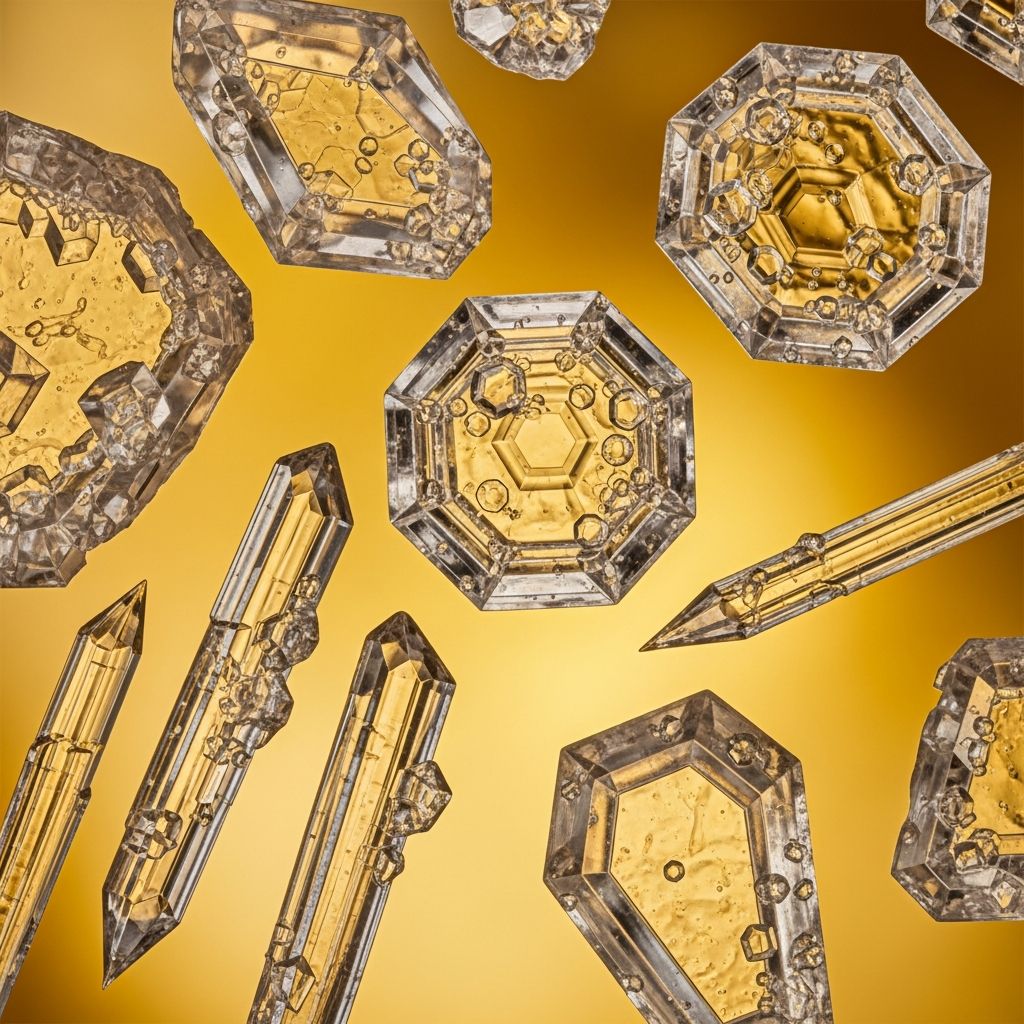
Crystals in urine are solid particles that form when minerals and other substances in your urine clump together. While having a few small crystals in your urine is completely normal and typically harmless, larger quantities or specific types of crystals can indicate underlying health conditions that require medical attention. Understanding what causes these crystals, how they’re detected, and what they mean for your health is essential for maintaining optimal urinary tract function.
What Are Urine Crystals?
Urine crystals form in your kidneys, which are two bean-shaped organs located below your rib cage on either side of your spine. Your kidneys filter your blood to remove waste products and excess water, creating urine in the process. This urine contains many dissolved substances, including extra minerals and acids that your body doesn’t need. When certain conditions are present, these minerals can clump together with other substances and form solid crystals.
The formation of crystals typically occurs when your urine contains unusually high levels of specific minerals or when the pH balance of your urine becomes too acidic or too alkaline. Under normal circumstances, these substances remain dissolved in your urine and pass through your urinary system without causing problems. However, when concentrations increase or conditions change, crystallization can occur.
Types of Urine Crystals
Different types of crystals can form in your urine, and each type carries different implications for your health. Understanding these types is crucial for proper diagnosis and treatment.
Calcium Oxalate and Calcium Phosphate
Calcium oxalate and calcium phosphate crystals are the most common types found in urine and are the leading cause of kidney stones. These crystals form when calcium levels in your urine become elevated or when oxalate concentrations are excessive. Calcium oxalate stones are particularly common and can range in size from tiny sand-like particles to larger stones that may require medical intervention.
Uric Acid and Urates
Large amounts of uric acid and urate crystals may develop when metabolic problems such as gout and type 2 diabetes make your urine too acidic. These crystals are more likely to form in individuals with altered purine metabolism or those who consume high amounts of purine-rich foods like red meat and organ meats.
Struvite Crystals
Struvite crystals typically form as a result of repeated urinary tract infections. These crystals are often associated with bacterial infections that alter the pH of your urine, creating an environment conducive to struvite crystal formation. They can grow rapidly and sometimes form large branching stones known as staghorn calculi.
Other Crystal Types
Additional types of crystals that may appear in urine include cystine crystals, which indicate a genetic disorder affecting amino acid reabsorption, and urate crystals associated with metabolic disorders. Rare crystal types may also indicate specific medical conditions or medication side effects.
Causes of Urine Crystals
Multiple factors can contribute to crystal formation in urine. Understanding these causes helps identify ways to prevent problematic crystal accumulation.
Related Stories



Dietary Factors
Your diet plays a significant role in crystal formation. Consuming excessive amounts of animal protein, such as fish, shellfish, and organ meats, increases urine acidity and mineral concentration. Similarly, foods high in oxalate, including spinach, nuts, and certain berries, can elevate oxalate levels in your urine. Excessive sodium intake also increases calcium excretion in urine, promoting crystal formation.
Inadequate Fluid Intake
Not drinking enough fluids is one of the primary risk factors for crystal and kidney stone formation. When you’re dehydrated, your urine becomes more concentrated, allowing minerals to more easily reach saturation levels and precipitate out as crystals. Maintaining adequate hydration helps keep urine dilute and reduces the likelihood of crystallization.
Medications
Certain medications can increase crystal formation in your urine. These include calcium-based antacids, some types of antibiotics, diuretics (water pills), and antiviral medicines used to treat viral infections. If you’re taking any of these medications and have concerns about crystal formation, discuss alternatives with your healthcare provider.
Metabolic and Medical Conditions
Several underlying health conditions promote crystal formation, including gout, diabetes, hyperparathyroidism, and genetic disorders like cystinuria. Urinary tract infections can alter urine pH and composition, making crystal formation more likely. Kidney disease and reduced kidney function may also contribute to abnormal crystal accumulation.
Urine pH Imbalance
The acidity or alkalinity of your urine significantly influences crystal formation. Uric acid crystals form more readily in acidic urine, while struvite and calcium phosphate crystals prefer alkaline conditions. Maintaining optimal urine pH through diet and hydration helps prevent inappropriate crystal formation.
Symptoms of Problematic Urine Crystals
While small amounts of crystals usually don’t cause symptoms, larger quantities or certain crystal types may produce noticeable signs that warrant medical evaluation.
Kidney Stone Symptoms
When crystals cluster together and form kidney stones, they can cause several symptoms, including:
- Sharp, severe pain in your lower abdomen, side, groin, or back
- Blood in your urine (hematuria), which may appear red, brown, or pink
- Frequent urination or urgent need to urinate
- Pain or burning sensation when urinating
- Nausea and vomiting
- Fever and chills, which may indicate infection
- Cloudy or foul-smelling urine
When to Seek Medical Attention
You should contact your healthcare provider if you experience any of these symptoms, particularly if they persist or worsen over time. Severe kidney stone pain may require emergency medical care, especially if accompanied by fever, inability to urinate, or signs of infection.
Diagnostic Testing for Urine Crystals
Several diagnostic methods are used to detect, identify, and quantify crystals in your urine.
Crystals in Urine Test (Urinalysis)
A crystals in urine test checks a sample of your urine under a microscope to look for crystals. The test reveals what the crystals are made of, how large they are, and how many are present in your urine. This microscopic examination is a standard component of urinalysis and provides crucial information about urinary health.
Clean Catch Method
For routine urine collection, your healthcare provider may ask you to use the clean catch method:
- Cleanse the genital area with a cleansing wipe provided by your healthcare professional
- Begin urinating into the toilet (don’t collect this initial stream)
- Collect the midstream portion of your urine in a sterile container
- Complete urination in the toilet
- Return the sample to your provider or laboratory promptly
24-Hour Urine Collection
For a more comprehensive metabolic evaluation, your doctor may request a 24-hour urine collection. This test provides valuable information about mineral concentrations, pH, volume, and other factors influencing stone formation. The collection process involves:
- Urinating in the toilet first (noting the time) without collecting this sample
- Collecting all urine for the next 24 hours in a provided container
- Storing the container in a refrigerator or cooler with ice
- Attempting one final urination at the 24-hour mark to collect as the last sample
- Returning the complete collection to your provider’s office or laboratory
12-Hour Overnight Urine Collection
Recent research from Cleveland Clinic has explored the feasibility of using 12-hour overnight urine collections as an alternative to 24-hour collections for assessing kidney stone risk. Studies indicate that 12-hour nighttime collection correlates strongly with 24-hour collection results, potentially offering a more convenient option for patients. During sleep, certain metabolic processes are reduced and urine becomes more concentrated, which allows for reliable assessment of metabolic abnormalities. Research found metabolic abnormalities were concordant in 92 percent of patients between 12-hour overnight and 24-hour collections. However, further validation on larger populations is needed before this method becomes standard clinical practice.
Understanding Test Results
Test results typically indicate whether crystals are present, the types of crystals found, and their quantity. Your healthcare provider will explain what your specific results mean, as different crystal types are associated with different medical conditions and may require different treatment approaches.
Having crystals in your urine doesn’t automatically indicate a medical problem requiring treatment. Small amounts of crystals are common and usually harmless. However, large quantities of certain crystal types warrant further investigation and may necessitate lifestyle modifications or medical treatment to prevent kidney stone formation.
Metabolic Evaluation and Analysis
For patients at risk of recurrent kidney stones or those with significant crystal formation, a comprehensive metabolic evaluation of urine is warranted. This evaluation includes analysis of multiple substances:
| Substance Analyzed | Significance |
|---|---|
| Calcium | Elevated levels increase stone formation risk |
| Oxalate | Primary component of most common kidney stones |
| Citrate | Protective factor; inhibits stone formation |
| Uric Acid | Forms acidic stones in susceptible individuals |
| Urine Volume | Dilute urine (high volume) reduces stone risk |
| pH | Affects which crystals are likely to form |
| Creatinine | Marker of kidney function and urine concentration |
Treatment and Management Options
Treatment for problematic urine crystals depends on the crystal type, underlying cause, and severity of symptoms. Your healthcare provider will develop a personalized treatment plan based on your specific situation.
Hydration Therapy
Increasing fluid intake is often the first-line treatment for preventing crystal and stone formation. Drinking adequate water dilutes your urine, reducing mineral concentration and the likelihood of crystallization. Most experts recommend drinking enough to produce at least 2-3 liters of urine daily.
Dietary Modifications
Adjusting your diet can significantly reduce crystal formation risk. Recommendations typically include limiting animal protein intake, reducing sodium consumption, and moderating foods high in oxalate if you form calcium oxalate stones. Eating a balanced diet rich in fruits and vegetables, while limiting processed foods, supports urinary health.
Medication Management
Depending on the crystal type and underlying cause, your doctor may prescribe medications to reduce stone formation risk. These may include medications to lower uric acid levels, reduce calcium excretion, or increase urinary citrate (a protective substance).
Surgical or Minimally Invasive Procedures
If kidney stones develop and don’t pass naturally, various procedures may be necessary. These include extracorporeal shock wave lithotripsy (ESWL), ureteroscopy, or percutaneous nephrolithotomy, depending on stone size and location.
Prevention Strategies
Preventing crystal and kidney stone formation is significantly easier than treating established stones. Effective prevention strategies include:
- Maintaining adequate daily hydration by drinking sufficient water
- Following a balanced, kidney-stone-friendly diet
- Limiting sodium and animal protein intake
- Managing underlying medical conditions like diabetes and gout
- Taking medications as prescribed and discussing stone-risk medications with your provider
- Maintaining healthy body weight
- Regular monitoring if you have a history of stones
Frequently Asked Questions
Q: Is having crystals in my urine always a sign of kidney stones?
A: No. Small amounts of crystals are normal and usually don’t cause problems. Large quantities or specific types may indicate stone formation risk or other health conditions requiring treatment, but crystals alone don’t automatically mean you have kidney stones.
Q: What should I drink to prevent crystal formation?
A: Water is the best choice for preventing crystal and stone formation. Plain water helps dilute your urine and reduce mineral concentration. Limit sodas, especially those containing phosphoric acid, and moderate caffeine and alcohol consumption, as these can increase dehydration.
Q: How often should I have my urine tested for crystals?
A: If you have a history of kidney stones or are at high risk, your healthcare provider may recommend periodic testing. Otherwise, urinalysis is typically performed during routine health check-ups or when symptoms suggest urinary tract problems.
Q: Can dietary changes alone prevent kidney stones?
A: Dietary modifications combined with adequate hydration can significantly reduce stone formation risk. However, some conditions may require additional medical management or medications to prevent recurrent stones effectively.
Q: Are certain people more at risk for crystal formation?
A: Yes. People with a family history of kidney stones, those with metabolic disorders like gout or diabetes, individuals with recurrent urinary tract infections, and those who are dehydrated are at increased risk for crystal and stone formation.
References
- Predicting Kidney Stone Risk with 12-Hour Overnight Urine Collection — Cleveland Clinic, Consult QD. 2017. https://consultqd.clevelandclinic.org/predicting-kidney-stone-risk-with-12-hour-overnight-urine-collection
- Crystals in Urine: MedlinePlus Medical Test — National Library of Medicine, MedlinePlus. 2024. https://medlineplus.gov/lab-tests/crystals-in-urine/
- Nephrolithiasis: Treatment, Causes, and Prevention — Cleveland Clinic Journal of Medicine, 2009. https://www.ccjm.org/content/76/10/583
Similar Articles








Read full bio of Sneha Tete