CT Enterography: Small Bowel Imaging Guide
Advanced CT imaging technique for detailed small bowel visualization and diagnosis.
CT Enterography: A Comprehensive Guide to Small Bowel Imaging
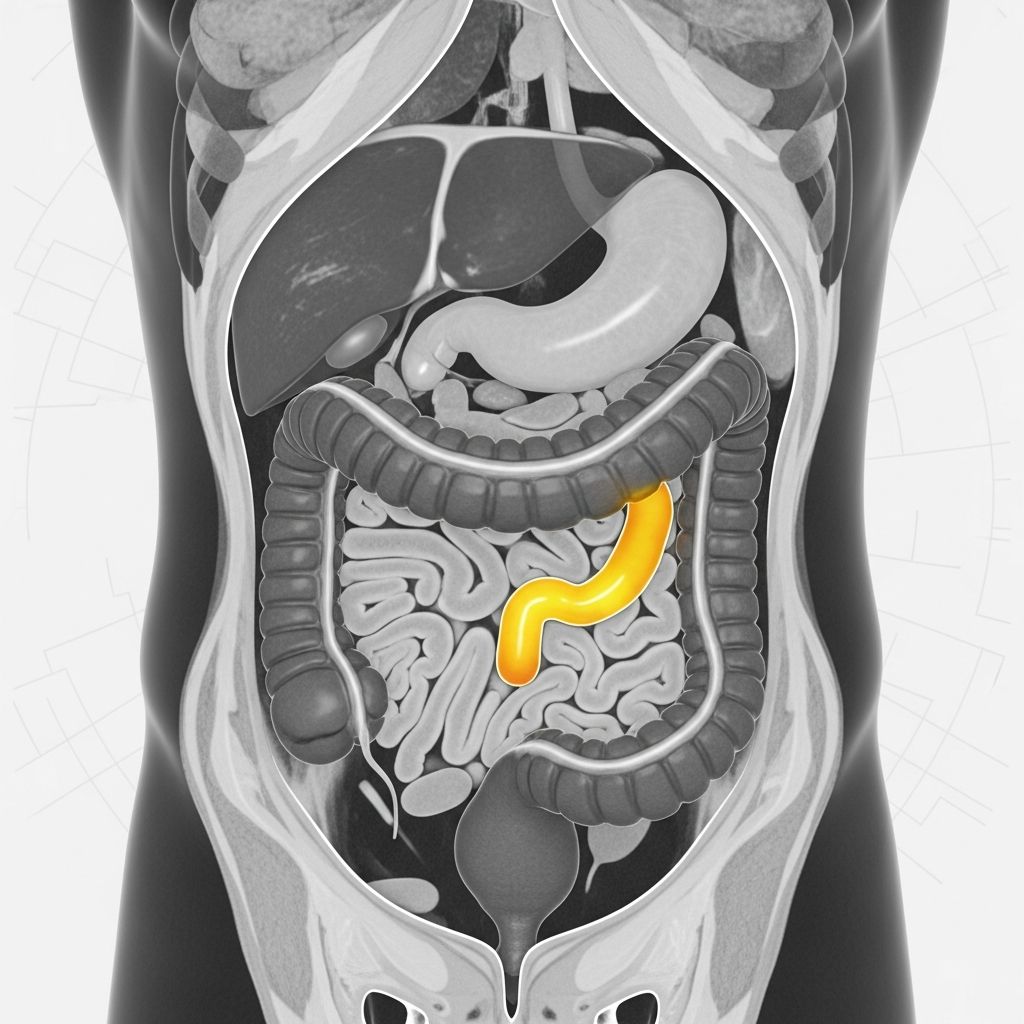
CT enterography is an advanced non-invasive imaging technique that provides superior visualization of the small bowel compared to standard abdominal CT scans. This specialized procedure combines high-quality computed tomography with oral and intravenous contrast materials to create detailed images of the small intestine, allowing physicians to accurately diagnose and assess various gastrointestinal conditions. Since its introduction in 1997, CT enterography has become an essential tool in modern radiology for evaluating small bowel pathology and has proven to be well-tolerated by patients while offering efficient and accurate assessment of both small bowel and surrounding organ abnormalities.
What Is CT Enterography?
CT enterography is a diagnostic imaging protocol that uses computed tomography technology combined with contrast material administration to obtain detailed images of the small intestine. Unlike conventional abdominal CT scans that may not adequately visualize the small bowel due to poor luminal distension, CT enterography specifically optimizes imaging of this critical anatomical region. The procedure involves the patient drinking a large volume of neutral or low-density oral contrast material, followed by intravenous contrast administration, and then performing a CT scan during a specific phase of contrast distribution through the bowel.
The technique was specifically developed to improve upon standard imaging methods by providing complementary diagnostic information to other modalities such as capsule endoscopy and MRI enterography. The procedure is particularly valued for its ability to simultaneously evaluate both the small bowel wall and extraluminal structures, offering a comprehensive assessment of abdominal pathology.
How CT Enterography Works
CT enterography operates on the principle of optimizing contrast resolution and luminal distension to maximize the visibility of small bowel abnormalities. The procedure begins with careful patient preparation and continues through several coordinated imaging phases.
The Imaging Protocol
The standard CT enterography protocol involves several critical steps that must be carefully coordinated for optimal results:
- Patient fasting for a minimum of 4 hours before the examination to ensure an empty stomach
- Administration of metoclopramide medication to promote gastric emptying and bowel motility
- Ingestion of 1,500 to 2,000 milliliters of neutral or low-density oral contrast material over approximately 45 to 60 minutes
- Close supervision and encouragement by radiology staff during the contrast drinking phase to ensure patient compliance
- Intravenous administration of high-density contrast material using a power injector approximately 50 seconds before CT scanning begins
- Helical CT scanning from the diaphragm to the symphysis pubis during the venous or enteric phase
- Acquisition of thin-section images (typically 0.625 millimeters) with reconstruction into standard 2-millimeter axial and coronal images
Why Timing and Preparation Matter
Patient compliance and precise timing are absolutely central to the success of CT enterography examinations. The amount and distribution of oral contrast within the small bowel directly affects image quality and diagnostic accuracy. Proper hydration of the bowel lumen with neutral contrast creates optimal contrast resolution between the mucosa and the lumen, thereby maximizing the conspicuity of abnormalities arising from the small bowel wall. The intravenous contrast is administered and timed to coincide with optimal enhancement of the small bowel wall, allowing differentiation between normal and pathological tissue.
Clinical Applications of CT Enterography
CT enterography has proven invaluable in diagnosing and assessing numerous gastrointestinal conditions. Its applications extend across multiple disease categories and clinical scenarios.
Related Stories



Crohn’s Disease Assessment
One of the primary applications of CT enterography is the evaluation of inflammatory bowel disease, particularly Crohn’s disease. The procedure effectively assesses the extent and severity of disease, identifies luminal and extraluminal complications, and detects strictures. CT enterography allows simultaneous diagnosis of extraluminal manifestations such as fistulas and abscesses, making it the preferred examination for suspected small bowel strictures. However, it is less sensitive than capsule endoscopy for detecting early mucosal abnormalities.
Small Bowel Tumors
CT enterography provides excellent detection, characterization, and staging of small bowel neoplasms. The procedure allows simultaneous assessment of the tumor and staging of disease by evaluating local extension, lymph node involvement, and distant metastases. While less sensitive than capsule endoscopy for detecting small mucosal lesions, CT enterography excels at identifying larger lesions and providing staging information.
Gastrointestinal Bleeding
For patients with occult or active gastrointestinal bleeding, CT enterography can detect and characterize the vascular or neoplastic origin of bleeding. The procedure provides improved visualization of lesions compared with conventional CT and fluoroscopic techniques, enabling improved lesion-directed planning for interventional procedures. However, CT enterography does not allow the prolonged imaging times necessary for detecting intermittent bleeding that nuclear medicine techniques can provide.
Bowel Obstruction
CT enterography effectively locates the site of partial small bowel obstruction and identifies the underlying cause. The improved visualization of mucosal lesions compared with conventional CT is particularly valuable. However, for adhesional obstruction specifically, conventional barium follow-through studies remain more sensitive.
Celiac Disease
CT enterography plays an important role in assessing complications of celiac disease, particularly the development of lymphoma. The procedure may demonstrate typical mucosal pattern changes and lymph node involvement, though it is less sensitive than endoscopic techniques for depicting subtle mucosal changes.
Other Clinical Applications
CT enterography is also valuable for identifying inflammation, locating abscesses, and detecting the source of bleeding in cases such as Meckel’s diverticulum, which commonly presents in younger patients.
Advantages of CT Enterography
CT enterography offers several significant advantages that make it a preferred imaging modality for small bowel assessment:
- Superior spatial and temporal resolution: CT provides excellent image quality with fast acquisition times, allowing single breath-hold examinations that facilitate luminal navigation
- Comprehensive evaluation: The procedure simultaneously assesses small bowel pathology and extraluminal disease, providing complete diagnostic information in a single examination
- Cost-effectiveness: CT enterography is significantly cheaper than MRI enterography and more widely available
- Patient comfort: The procedure is non-invasive, relatively quick (45 minutes to 1 hour total), and well-tolerated by patients, avoiding the claustrophobia associated with MRI
- No tube placement: Unlike CT enteroclysis, CT enterography does not require nasojejunal tube placement via fluoroscopy, making it more convenient and efficient
- Diagnostic confidence: CT enterography images frequently provide greater diagnostic confidence for exclusion of both small bowel and extraluminal pathology
Limitations and Considerations
While CT enterography is a powerful diagnostic tool, it does have certain limitations that practitioners must consider:
- Radiation exposure: CT enterography uses ionizing radiation, which limits its use in pediatric patients and restricts repeated examinations in young adults. For these populations, ultrasound or MR enterography may be preferred alternatives
- Sensitivity limitations: The procedure is less sensitive than capsule endoscopy for detecting early mucosal abnormalities and small mucosal lesions
- Bleeding detection: Unlike nuclear medicine techniques, CT enterography does not allow prolonged imaging times necessary for detecting intermittent bleeding
- Active bleeding visualization: Pre-existing high-attenuation material within the bowel may limit the detection of active bleeding
- Adhesional obstruction: Conventional barium follow-through studies are more sensitive for assessing adhesional obstruction
- Contrast allergies: There is a potential risk of allergic reaction to the oral and intravenous contrast materials used in the procedure
Comparison with Other Imaging Modalities
| Imaging Modality | Spatial Resolution | Radiation Exposure | Cost | Best For |
|---|---|---|---|---|
| CT Enterography | Excellent | Yes | Moderate | Overall assessment, extraluminal disease, staging |
| MRI Enterography | Good | No | High | Pediatric patients, repeated examinations |
| Capsule Endoscopy | High (mucosal detail) | No | Moderate | Detecting mucosal lesions and early disease |
| Barium Follow-Through | Good | Yes | Low | Adhesional obstruction assessment |
Patient Preparation and What to Expect
Before Your Examination
Proper preparation is essential for a successful CT enterography examination. Patients should:
- Avoid all solid foods and drink only clear liquids for at least 4 hours before the examination
- Arrive approximately 1 hour and 20 minutes before the scheduled examination time to allow for check-in and preparation
- Inform the radiology staff of any allergies, particularly to contrast material or iodine
- Inform the staff if there is any possibility of pregnancy
- Wear comfortable, loose-fitting clothing without metal fasteners
During Your Examination
During CT enterography, you will be asked to drink a large volume of neutral-tasting contrast material over approximately 1 hour. A CT technologist will monitor your progress and provide encouragement and support during this phase. After the oral contrast has been ingested, you will be positioned in the CT scanner. You may be asked to hold your breath briefly while images are acquired. An intravenous line will be established for administration of the high-density contrast material.
After Your Examination
The procedure typically takes 45 minutes to 1 hour in total. After the examination, you may resume your normal diet and activities. You should drink plenty of water to help flush the contrast material from your system.
Special Considerations
Pediatric Patients
Radiation concerns generally preclude the use of CT enterography in pediatric patients. For children and young adults requiring small bowel imaging, ultrasound enterography or MR enterography are preferred alternatives that avoid ionizing radiation exposure.
Arterial Phase Imaging
For specific clinical scenarios such as evaluation of occult bleeding or mesenteric vessel evaluation, an additional arterial phase scan may be added to the standard protocol. This provides enhanced visualization of mesenteric blood vessels and can improve detection of vascular lesions.
Frequently Asked Questions
Q: Is CT enterography painful?
A: CT enterography is a non-invasive procedure that is not painful. Some patients may experience mild discomfort from drinking the large volume of contrast material, but the procedure itself is painless. The main challenge is patient compliance with drinking the required amount of contrast.
Q: How long does the procedure take?
A: The entire examination, including preparation, contrast drinking, and imaging, typically takes 45 minutes to 1 hour. The actual CT scanning portion usually takes only a few minutes.
Q: What are the risks of CT enterography?
A: The primary risks associated with CT enterography include radiation exposure from the CT scan and potential allergic reactions to the contrast material. The radiation dose is similar to other standard CT examinations. Allergic reactions to contrast are uncommon but can range from mild to severe.
Q: Can I eat or drink before the procedure?
A: You should avoid all solid foods and consume only clear liquids for at least 4 hours before the procedure. After the procedure, you may resume your normal diet.
Q: When will I receive my results?
A: A radiologist will review your CT enterography images and prepare a detailed report. Your referring physician will typically receive the report within 24 hours and will discuss the findings with you.
Q: Is CT enterography better than other small bowel imaging methods?
A: CT enterography has specific advantages for certain conditions, particularly for assessing extraluminal disease and staging malignancies. However, the best imaging method depends on your specific clinical situation. Your physician will recommend the most appropriate imaging modality based on your symptoms and medical history.
Q: Can I have CT enterography if I’m pregnant?
A: CT enterography is generally not recommended during pregnancy due to radiation exposure. If you are pregnant or think you might be pregnant, inform your healthcare provider and the radiology staff before the procedure.
References
- CT enterography: review of technique and practical tips — National Center for Biotechnology Information (NCBI)/PubMed Central. 2012. https://pmc.ncbi.nlm.nih.gov/articles/PMC3474054/
- Computed Tomography (CT) Enterography — Find-A-Code. 2024. https://www.findacode.com/articles/computed-tomography-ct-enterography.html
Similar Articles








Read full bio of medha deb