CT Scan (Computed Tomography): Purpose, Procedure & Results
Complete guide to CT scans: Learn how this advanced imaging technology detects diseases and injuries with detailed 3D images.
What is a CT Scan?
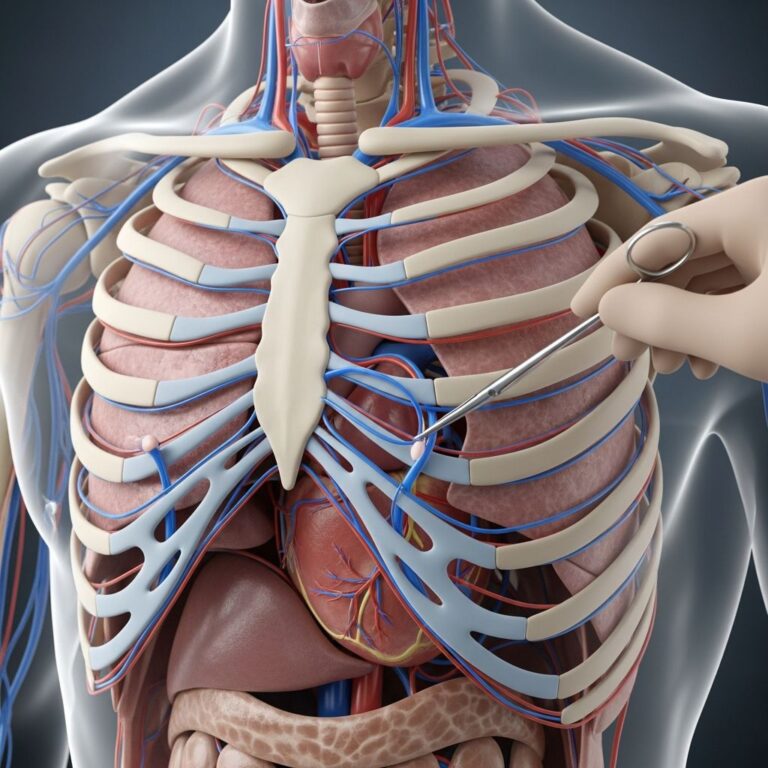
A CT (computed tomography) scan, also known as a CAT (computed axial tomography) scan, is a diagnostic imaging test that combines X-rays with advanced computer processing to create detailed, three-dimensional pictures of the inside of your body. Unlike traditional X-rays that produce flat, two-dimensional images, CT scans generate cross-sectional images that allow healthcare providers to see your body’s internal structures with exceptional clarity and precision.
The CT scan is a painless and noninvasive procedure that takes place at a hospital or specialized imaging center. This modern imaging technology has become an essential tool in modern medicine, enabling doctors to detect diseases, injuries, and abnormalities that might not be visible on standard X-ray images. CT scans produce detailed, clear, and precise images of the organs and structures in your body by taking multiple X-ray pictures from different angles and combining them to create a comprehensive three-dimensional view.
How Does a CT Scan Work?
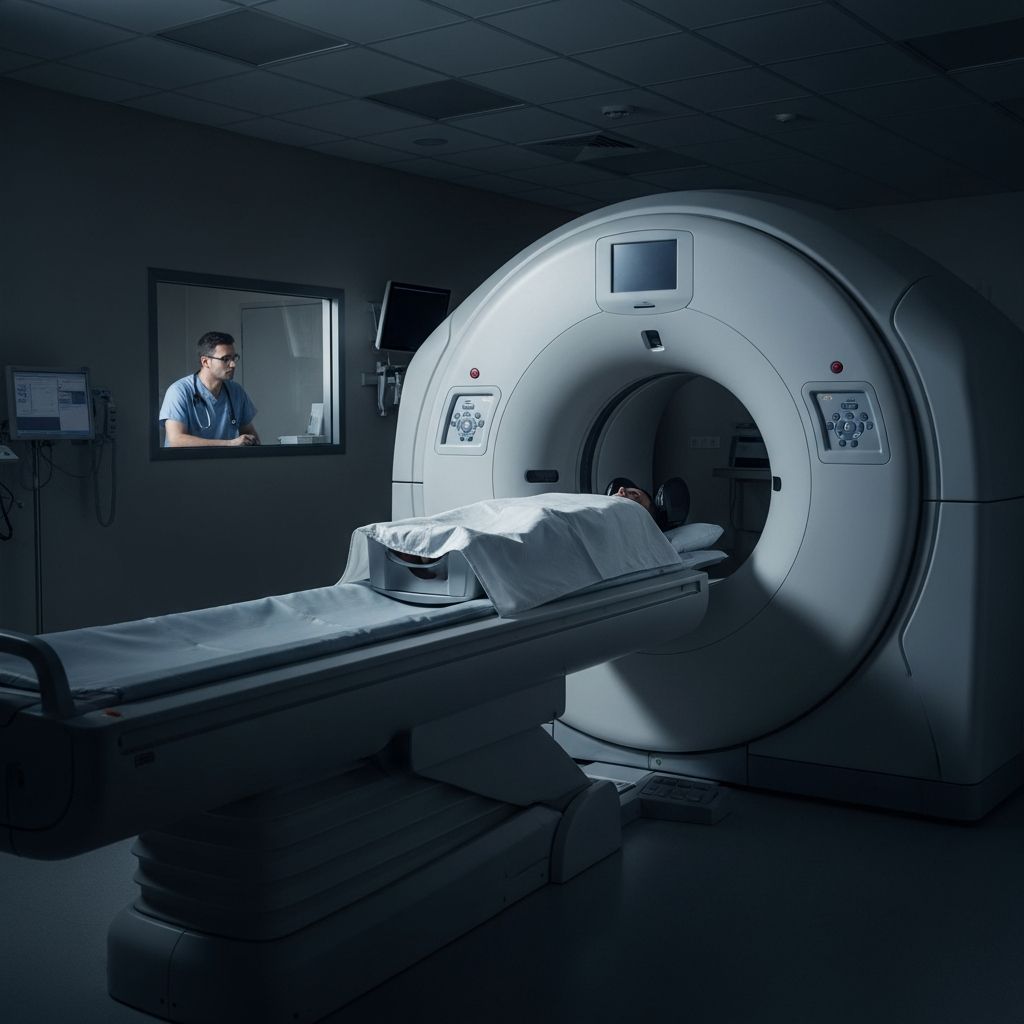
A CT scan operates by using a series of X-ray beams that rotate around your body at various angles. As you lie on a motorized bed that moves slowly through a doughnut-shaped scanner, the X-ray tube circles around you without touching you. The scanner takes numerous pictures from many different angles simultaneously.
The key to understanding CT imaging is recognizing how the computer processes these multiple images. When all the individual X-ray pictures are combined by specialized computer software, they create cross-sectional images of your body, similar to how you can see the internal layers of a cake when you slice through it. These cross-sectional “slices” are then compiled together to generate a complete three-dimensional image that provides your healthcare provider with comprehensive visualization of your internal anatomy.
During the scan, you will hear the scanner buzz and click as it operates, which is completely normal. The entire imaging process is quick and efficient, though the exact duration depends on the type of CT scan being performed and which part of your body is being examined.
Why Would You Need a CT Scan?
CT scans are versatile diagnostic tools that healthcare providers use to detect and evaluate a wide range of medical conditions affecting virtually every part of the body. Your doctor might recommend a CT scan for several important reasons:
- To identify and diagnose specific types of cancer and noncancerous tumors
- To detect heart disease and evaluate cardiac structure and function
- To diagnose fractures or broken bones with greater detail than standard X-rays
- To identify blood clots in various parts of your body
- To evaluate bowel disorders such as blockages or Crohn’s disease
- To detect internal bleeding or injury
- To guide certain treatments with increased precision and accuracy
- To perform minimally invasive interventional radiology procedures
- To assess infections and inflammatory conditions
- To monitor whether a health condition is improving or worsening with treatment
CT scans can reveal abnormalities in far greater detail than standard X-rays alone. Healthcare providers rely on CT imaging when they need to see structures that regular X-rays cannot adequately visualize, particularly when evaluating complex medical conditions or planning surgical interventions.
Advantages of CT Scans Over Traditional X-rays
While both CT scans and traditional X-rays use radiation to create images, CT scans offer several significant advantages that make them invaluable for comprehensive diagnostic evaluation. Traditional X-rays produce flat, two-dimensional images that can sometimes miss subtle abnormalities or be difficult to interpret when structures overlap.
CT scans, by contrast, take several pictures at many different angles and create cross-sectional images that show the “layers” of your body. This layered approach provides three-dimensional visualization that reveals far more anatomical detail. CT imaging excels at showing soft tissue contrast, making it superior for detecting tumors, infections, and other pathological conditions that might not be apparent on standard radiographs. Additionally, CT scans can evaluate multiple organ systems in a single examination and are particularly valuable for emergency situations where rapid, accurate diagnosis is critical.
Related Stories



How to Prepare for Your CT Scan
Proper preparation ensures the best possible image quality and helps the procedure run smoothly. If your healthcare provider has advised you to undergo a CT scan, you will typically receive specific preparation instructions. On the day of your examination, pay careful attention to these important guidelines:
- Follow any fasting instructions provided by your healthcare facility, as some CT scans require an empty stomach
- Wear comfortable, loose-fitting clothing that does not contain metal fasteners or zippers
- Remove all metal objects before the scan, including jewelry, eyeglasses, hearing aids, and dentures
- Inform your healthcare provider if you have any metal implants, such as pacemakers, metal joints, or surgical clips
- Notify your doctor if you are allergic to contrast dye, as some CT scans use this material to enhance image clarity
- Bring your insurance card and photo identification
- Arrive early to allow time for check-in and paperwork
If contrast dye will be used during your procedure, your healthcare provider may give you additional specific instructions about eating and drinking before your appointment. Some patients may need to take medication before the scan to reduce the risk of contrast reactions. Always follow your healthcare provider’s preparation instructions carefully to ensure optimal scan results.
What to Expect During the CT Scan Procedure
Understanding what happens during your CT scan can help reduce anxiety and ensure you cooperate effectively with the technologist. The procedure typically follows these steps:
Positioning: You will be asked to lie on a motorized bed. The technologist will position you carefully to ensure the area of interest is properly centered in the scanner.
Movement into the Scanner: The bed slowly moves horizontally toward the inside of the doughnut-shaped CT scanner. You should remain completely still when the motion stops, as any slight movement can blur the scanner’s images and reduce diagnostic quality.
Image Acquisition: The scanner proceeds to silently take pictures of the regions where more detailed information is necessary. You may be asked to hold your breath for brief periods to prevent motion artifact.
Communication: The technologist can see you at all times through a window and can communicate with you through a speaker system if needed.
Completion: After the examination is finished, the bed moves back out, and you are free to exit the scanner and return to the waiting area.
The entire CT scan procedure is quick and painless. Most CT scans take only a few minutes to complete, though preparation time may extend the overall visit duration.
Understanding Contrast Dye in CT Scans
Some CT scans use a contrast material, commonly called contrast dye, to make the pictures even clearer and more detailed. This contrast medium contains iodine and helps highlight specific structures, blood vessels, and organs, improving visualization of abnormalities.
Contrast can be administered in several ways depending on what is being examined. It may be injected intravenously through an IV line, swallowed orally, or administered as an enema. If you have a known iodine allergy or have experienced reactions to contrast dye previously, inform your healthcare provider immediately, as alternative imaging methods or premedication protocols may be necessary.
The contrast material is generally safe and is eliminated from your body naturally within a few days. Drinking plenty of water after your procedure helps flush the contrast from your system more quickly.
After Your CT Scan: Results and Follow-up
After your CT scan is complete, the images are sent to a radiologist—a physician who specializes in interpreting medical imaging studies. The radiologist carefully reviews all your scans and prepares a comprehensive report that explains the findings and any abnormalities detected.
Your radiologist will document what they observe, including the size, location, and characteristics of any lesions, masses, or other notable findings. They will also note whether findings are normal, benign, or require further evaluation. The radiologist’s report is then sent to the healthcare provider who ordered the CT scan.
Timing of Results: It typically takes about 24 to 48 hours to receive the results of your CT scan in routine situations. However, in emergency settings such as a hospital or emergency room, healthcare providers often receive results much more quickly, sometimes within an hour, since urgent diagnosis is critical for patient care.
Your healthcare provider will review the radiologist’s findings with you and discuss what the results mean for your health and any next steps in your diagnosis or treatment plan.
Safety Considerations and Risks
CT scans do involve exposure to radiation, which is an important consideration. However, the diagnostic benefits of CT imaging typically outweigh the risks, especially in serious medical situations. The amount of radiation used in CT scans is carefully controlled and minimized while maintaining image quality.
Modern CT scanners are designed to deliver the lowest possible radiation dose needed to obtain diagnostic images. Your healthcare provider carefully considers whether a CT scan is necessary and whether alternative imaging methods might be appropriate for your specific situation.
Pregnant women should inform their healthcare provider before undergoing a CT scan, as radiation exposure may pose risks to a developing fetus. Your doctor can discuss the risks and benefits specific to your situation and may recommend alternative imaging modalities if appropriate.
CT Scan vs. Other Imaging Modalities
Different imaging techniques serve different purposes and have varying advantages and disadvantages. While CT scans are excellent for many applications, other imaging methods may be more suitable in certain situations:
| Imaging Type | Best Uses | Key Advantages | Limitations |
|---|---|---|---|
| CT Scan | Bone detail, tumors, trauma, internal bleeding | Fast, detailed cross-sectional images, excellent for bone | Radiation exposure, less soft tissue contrast than MRI |
| MRI | Soft tissue, brain, spine, joints | No radiation, superior soft tissue contrast, detailed images | Longer scan time, cannot be used with certain metal implants |
| Ultrasound | Pregnancy, vascular assessment, abdominal organs | No radiation, real-time imaging, portable | Limited depth penetration, operator-dependent |
| X-ray | Bone fractures, chest conditions | Quick, simple, low radiation dose | Limited soft tissue visualization, 2D images only |
Frequently Asked Questions About CT Scans
Q: How long does a CT scan take?
A: The actual CT scan typically takes only a few minutes. However, when including preparation time, positioning, and possible contrast administration, your entire visit may take 30 minutes to an hour.
Q: Is a CT scan painful?
A: No, CT scans are completely painless and noninvasive. The only discomfort some patients experience is from lying still on the scanning table or from the IV insertion if contrast is needed.
Q: Can I eat before my CT scan?
A: This depends on the type of CT scan and whether contrast will be used. Your healthcare provider will give you specific instructions about fasting. Some scans require an empty stomach, while others do not.
Q: Will I feel the radiation from the CT scan?
A: No, you cannot feel radiation. The X-rays used in CT scanning are invisible and painless.
Q: Can I have a CT scan if I’m pregnant?
A: Generally, CT scans should be avoided during pregnancy due to radiation exposure to the fetus. However, if a CT scan is medically necessary, your healthcare provider can weigh the risks and benefits specific to your situation.
Q: What should I do if I have a contrast allergy?
A: Inform your healthcare provider immediately. They may prescribe premedication to prevent an allergic reaction or recommend a different imaging method without contrast.
Q: Can I resume normal activities after my CT scan?
A: Yes, you can typically return to all normal activities immediately after your CT scan. There are no restrictions, and you can eat and drink normally unless your healthcare provider advises otherwise.
References
- CT Scan (Computed Tomography Scan) — Cleveland Clinic. 2025. https://my.clevelandclinic.org/health/diagnostics/4808-ct-computed-tomography-scan
- Heart CT Scan: Purpose, Procedure & Risks — Cleveland Clinic. 2025. https://my.clevelandclinic.org/health/diagnostics/16834-cardiac-computed-tomography
- Private Imaging Services — Cleveland Clinic London. 2025. https://clevelandcliniclondon.uk/clinical-institutes/hospital-services/imaging
- Cardiovascular Imaging Section — Cleveland Clinic. 2025. https://my.clevelandclinic.org/departments/heart/depts/cardiovascular-imaging
- A Complete Guide On CT Scans And What The Procedure Entails — ICS Cancer. 2024. https://icscancer.com/blog/a-complete-guide-on-ct-scans-and-what-the-procedure-entails/
- Computed Tomography (CT Scan) — Cleveland Clinic Abu Dhabi. 2025. https://www.clevelandclinicabudhabi.ae/en/health-hub/health-resource/diagnostics-and-testing/computed-tomography
Similar Articles








Read full bio of Sneha Tete