CT Scan of the Kidney: Purpose, Procedure, and Benefits
Complete guide to kidney CT scans: diagnostic imaging for kidney health evaluation.
CT Scan of the Kidney: A Comprehensive Guide to Diagnostic Imaging
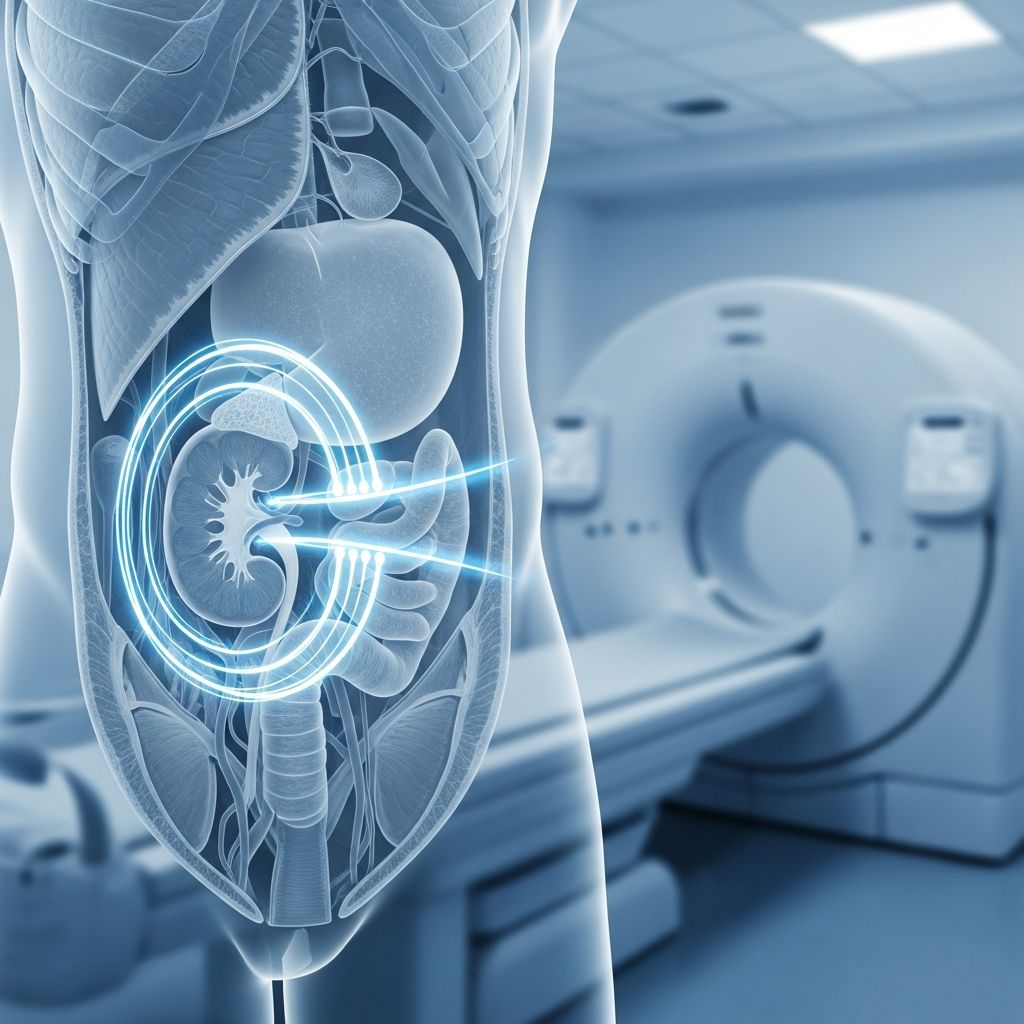
A computed tomography (CT) scan of the kidney is a sophisticated diagnostic imaging procedure that uses specialized X-ray technology to create detailed cross-sectional images of the kidney and surrounding structures. This non-invasive imaging technique has become an essential tool in modern medicine for evaluating kidney function, detecting abnormalities, and assisting in the diagnosis and treatment planning of various kidney conditions. CT scans provide radiologists and physicians with clear, detailed images that can reveal problems that might not be visible on standard X-rays or physical examination alone.
What Is a CT Scan of the Kidney?
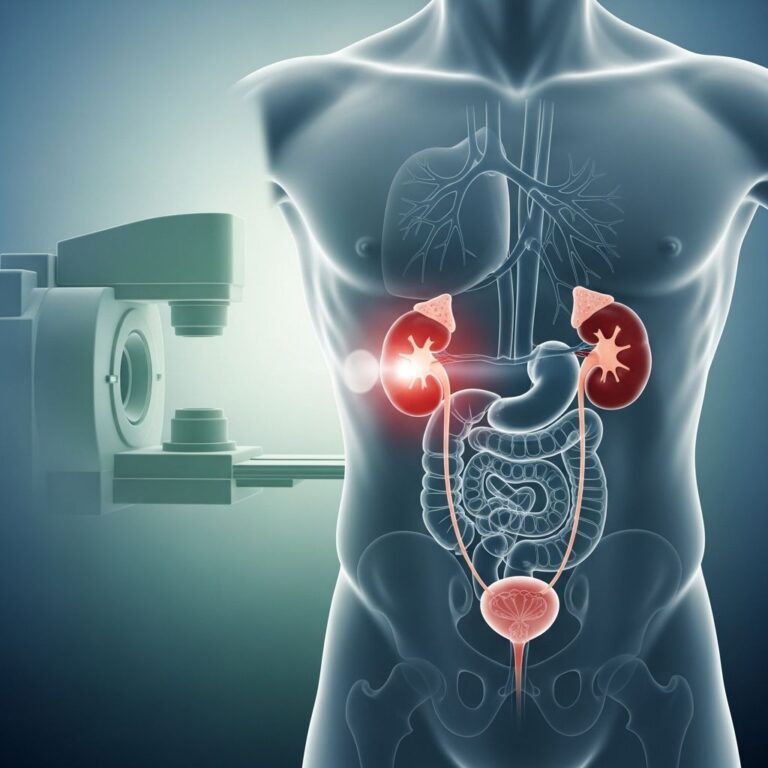
A CT scan, also known as computed tomography or CAT scan, is an imaging procedure that combines multiple X-ray images taken from different angles around the body. These images are processed by a computer to create detailed two-dimensional and three-dimensional pictures of internal structures. When focused on the kidney, a CT scan can visualize the kidney’s internal architecture, surrounding tissues, blood vessels, and any abnormalities that may be present.
Multi-detector row helical computed tomography offers considerable advantages in evaluation of the urinary tract, providing superior detail and diagnostic accuracy compared to conventional imaging methods. The technology has become the reference standard for many kidney-related conditions due to its ability to detect small abnormalities and provide precise anatomical information.
How CT Scanning Works
During a CT scan, you lie on a table that moves through a large, donut-shaped machine called a gantry. Inside the gantry, an X-ray tube rotates around your body, taking images from multiple angles. These X-rays pass through your body and are detected by sensors on the opposite side. A computer then reconstructs these signals into detailed cross-sectional images. Modern multi-detector CT scanners can acquire images with exceptional speed and clarity, often completing the entire kidney study in just a few seconds to a few minutes.
Why Your Doctor Might Order a Kidney CT Scan
Physicians order CT scans of the kidney for various clinical reasons. This imaging study is particularly valuable for:
- Detecting and characterizing kidney tumors and suspicious masses
- Evaluating kidney stones and urinary tract obstruction
- Assessing kidney infections and inflammatory conditions
- Investigating kidney trauma and injury following accidents
- Evaluating chronic kidney disease and structural abnormalities
- Monitoring known kidney conditions and treatment response
- Planning surgical procedures involving the kidney or urinary system
- Detecting blood clots in renal vessels
- Assessing abnormal kidney function and proteinuria
Small renal masses, which are solid tumors four centimeters or less confined to the kidney, are among the most common kidney findings detected on imaging. Research has shown that many of these lesions can be safely monitored without immediate surgical intervention, making accurate characterization through CT imaging critically important for treatment planning.
Preparing for Your Kidney CT Scan
Pre-Procedure Instructions
Proper preparation ensures the best quality images and helps prevent complications. Your healthcare provider will give you specific instructions based on your individual situation. Generally, preparation may include the following considerations:
- Fasting requirements, typically for 4-6 hours before the procedure if contrast will be used
- Arranging transportation if sedation is anticipated
- Informing your doctor of any allergies, especially to iodine or shellfish
- Disclosing all medications, particularly those for diabetes (metformin) or kidney disease
- Removing metal objects, jewelry, and other metallic items before the scan
- Wearing comfortable, loose-fitting clothing without metal fasteners
Contrast Considerations
Related Stories



Many kidney CT scans require the administration of iodinated contrast material to enhance image quality and improve visualization of kidney structures and blood vessels. This contrast is typically injected intravenously through an IV line placed in your arm. The contrast temporarily increases the visibility of kidney tissue, allowing radiologists to better evaluate blood flow, kidney function, and detect abnormalities.
Before receiving contrast, your doctor will review your kidney function through blood tests, particularly your creatinine level and estimated glomerular filtration rate (eGFR). Patients with significantly impaired kidney function may need special precautions or alternative imaging methods. You should always inform your medical team if you have a history of allergic reactions to contrast material or if you have diabetes, as these factors may affect how the procedure is performed.
What to Expect During the Procedure
The Scanning Process
When you arrive for your CT scan, you will be asked to change into a hospital gown and remove all metal items. A technologist will position you on the scanning table and may place a pillow under your head or knees for comfort. An IV line may be inserted into your arm if contrast material will be used.
You will be moved into the CT scanner, which is a large, circular machine. The technologist will operate the scanner from a separate control room and can communicate with you through an intercom system. During the scan, you will hear buzzing or whirring sounds as the X-ray tube rotates around your body. The actual scanning time is usually very brief, typically lasting between 10 and 30 seconds, though the entire appointment may take 30 to 60 minutes when including preparation and waiting time.
During Imaging
You must remain still during the scan to ensure clear images. The technologist may ask you to hold your breath for short intervals to prevent motion artifacts. If contrast material is being used, you may feel a warm sensation throughout your body as it is injected, which is a normal reaction. Some patients report a metallic taste in their mouth or a sudden urge to urinate, sensations that typically pass quickly.
After Your CT Scan
Post-Procedure Care
After the scan is complete, you can usually resume your normal activities immediately. There are no lasting effects from the X-ray radiation exposure, and you do not need recovery time or observation. If contrast material was used, you should drink plenty of water over the next 24 hours to help flush the contrast from your system.
The technologist will not provide you with examination results, as the images must be reviewed by a qualified radiologist. The radiologist will analyze the images systematically, evaluate kidney size and structure, assess for masses or abnormalities, and examine surrounding structures. A detailed report will be sent to your ordering physician, who will discuss the findings with you and explain what the results mean for your care.
Understanding Your Results
CT scan results are typically categorized as normal or abnormal. Normal results indicate that the kidney size, structure, and blood flow appear typical with no masses, stones, or other abnormalities detected. Abnormal results may indicate various conditions requiring further evaluation or treatment.
Possible Findings
CT imaging can identify several kidney conditions:
- Kidney tumors: Can range from benign (non-cancerous) to malignant (cancerous) lesions of varying sizes and characteristics
- Kidney stones: Mineral deposits that can cause pain and obstruction
- Hydronephrosis: Swelling of the kidney due to urine backup
- Pyelonephritis: Kidney infection causing inflammation
- Renal infarction: Tissue death due to blocked blood supply
- Cysts and masses: Fluid-filled or solid growths that may be benign or require monitoring
- Structural abnormalities: Congenital variations or acquired changes in kidney anatomy
Benefits of CT Kidney Imaging
CT scans of the kidney offer numerous advantages for diagnosis and patient care:
- High sensitivity for detecting small kidney masses and lesions
- Ability to characterize the nature of kidney abnormalities
- Rapid acquisition time, making it suitable for emergency situations
- Non-invasive imaging without the need for surgical procedures
- Excellent for surgical planning and treatment guidance
- Can detect complications such as bleeding or infection
- Provides three-dimensional anatomical information
Risks and Considerations
Radiation Exposure
CT scans involve exposure to ionizing radiation in the form of X-rays. While a single CT scan delivers a relatively low dose, repeated exposure over time can increase cancer risk slightly. Your physician will consider the medical benefit of the imaging against the potential risks, and will typically recommend the study only when clinically indicated.
Contrast-Related Risks
Some patients may experience allergic reactions to contrast material, ranging from mild skin reactions to severe anaphylaxis. Patients with kidney disease or diabetes are at higher risk for contrast-induced kidney injury, though this is rare with modern contrast agents and proper precautions. Always inform your healthcare provider of any previous reactions to contrast material.
Special Populations
Pregnant women should avoid CT scans unless absolutely necessary due to potential radiation effects on the developing fetus. Patients with severe kidney impairment need careful evaluation before receiving contrast material. Those with metal implants, such as pacemakers, should inform their healthcare provider, as most modern implants are compatible with CT scanners.
Active Surveillance and Small Renal Masses
Research from Johns Hopkins Medicine has demonstrated that many patients with small renal masses can be safely followed without immediate surgery through a process called active surveillance. The Delayed Intervention and Surveillance for Small Renal Masses (DISSRM) Registry has been monitoring patients since 2009, with results showing that approximately 80% of small renal masses grow very slowly or not at all.
Active surveillance involves periodic imaging with CT scans, MRI, or ultrasound, typically performed every six months for the first two years to establish baseline growth rates, then annually thereafter. Annual laboratory testing ensures general well-being and kidney health. This approach allows patients to avoid unnecessary surgery while maintaining close monitoring for signs of aggressive behavior. Important findings from the program show that no patients have experienced kidney cancer spread or death from kidney cancer during surveillance, highlighting the safety and effectiveness of this management strategy for carefully selected patients.
Alternatives to CT Scanning
Other imaging modalities available for kidney evaluation include:
- Ultrasound: Uses sound waves rather than radiation, making it safe in pregnancy and for repeated studies
- MRI: Provides excellent soft tissue detail without radiation, though takes longer and is more expensive
- Conventional X-rays: Limited utility for kidney evaluation but may show large stones
- Nuclear imaging: Can assess kidney function but provides less anatomical detail
Your physician will select the most appropriate imaging modality based on the clinical question, your individual circumstances, and the specific kidney condition being evaluated.
Frequently Asked Questions
Q: How long does a CT scan of the kidney take?
A: The actual scanning time is typically 10 to 30 seconds, though the complete appointment including preparation, positioning, and post-scan procedures usually takes 30 to 60 minutes.
Q: Is a CT scan painful?
A: No, CT scans are painless. You may feel mild discomfort from lying still on the table or from the IV insertion if contrast is used, but the scanning itself causes no pain.
Q: Can I eat or drink before my kidney CT scan?
A: This depends on whether contrast material will be used. If contrast is planned, you typically should fast for 4 to 6 hours beforehand. Your healthcare provider will give you specific instructions.
Q: What is the difference between a CT scan with and without contrast?
A: Contrast material enhances visualization of kidney blood vessels and tissue detail, improving the ability to detect abnormalities. Non-contrast CT scans are often used specifically to detect kidney stones.
Q: Will I experience side effects from the contrast material?
A: Most patients experience no side effects. Some may feel a warm sensation or metallic taste, which passes quickly. Serious allergic reactions are rare but should be reported to medical staff immediately.
Q: How soon will I get my results?
A: A radiologist typically reviews and reports results within 24 to 48 hours. Your physician will then contact you to discuss the findings and any recommended next steps.
Q: Is CT scanning safe during pregnancy?
A: CT scans should be avoided during pregnancy unless absolutely necessary due to radiation exposure to the developing fetus. Ultrasound or MRI are safer alternatives.
Q: Can I have a CT scan if I have a pacemaker?
A: Most modern pacemakers are compatible with CT scanners. Always inform your healthcare provider about any implanted devices before scheduling a scan.
References
- Multi-detector row CT of the kidneys and urinary tract: techniques and clinical applications — Johns Hopkins University School of Medicine. https://pure.johnshopkins.edu/en/publications/multi-detector-row-ct-of-the-kidneys-and-urinary-tract-techniques-3
- Active Surveillance for Kidney Cancer — Johns Hopkins Medicine Brady Urological Institute. February 11, 2019. https://www.hopkinsmedicine.org/brady-urology-institute/specialties/conditions-and-treatments/kidney-cancer/
- Radiology Services Overview — Johns Hopkins Aramco Healthcare. https://www.jhah.com/en/care-services/specialty-care/radiology/
- American College of Radiology (ACR) Appropriateness Criteria for Renal Mass Imaging — American College of Radiology. 2024. https://www.acr.org/Clinical-Resources/ACR-Appropriateness-Criteria
- Kidney Cancer Statistics and Surveillance — National Cancer Institute, National Institutes of Health. https://www.cancer.gov/types/kidney
Similar Articles








Read full bio of Sneha Tete