CT Scan Of The Liver And Biliary Tract: Complete Guide
Complete guide to CT imaging for liver and biliary tract diagnosis and treatment.
What is a Computed Tomography (CT) Scan of the Liver and Biliary Tract?
A computed tomography (CT) scan, also known as a CAT scan, is an advanced imaging test that utilizes X-rays and sophisticated computer technology to create detailed cross-sectional images of the body. Unlike conventional X-rays, which produce two-dimensional images, CT scans generate multiple images that computers reconstruct into highly detailed three-dimensional pictures of specific anatomical structures.
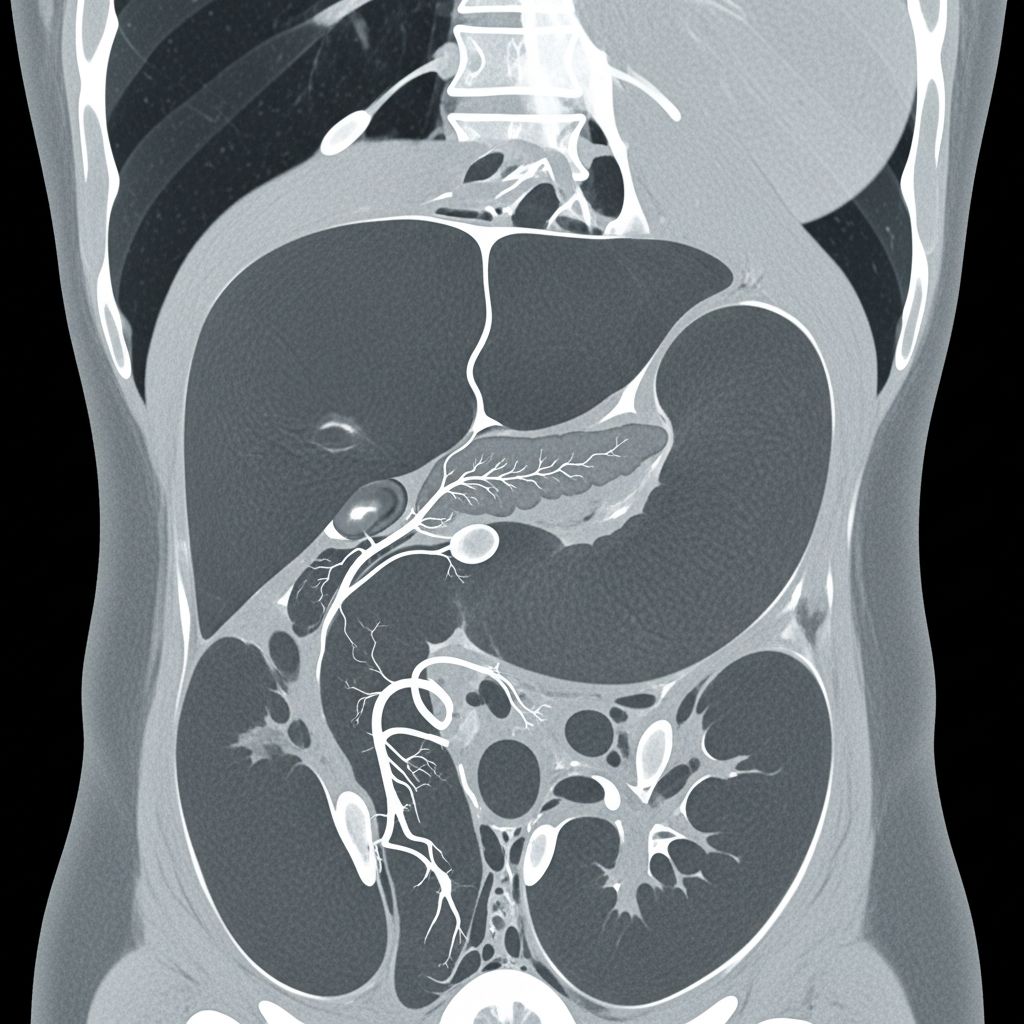
When performed on the liver and biliary tract, a CT scan can visualize the liver, gallbladder, bile ducts, and surrounding structures with exceptional clarity. The biliary tract is a system of tubes that carries bile from the liver and gallbladder through the pancreas to the small intestine, where it aids in digestion. CT imaging of this region provides significantly more detailed information than standard X-rays, ultrasounds, or physical examinations alone. The scan can distinguish between normal and abnormal tissue, identify small lesions that might otherwise be missed, and provide precise information about the location and extent of any pathology.
CT scans are particularly valuable because they can visualize not only the organs themselves but also the blood vessels, lymph nodes, and surrounding tissues. This comprehensive view makes CT an essential diagnostic tool in modern medicine, allowing healthcare providers to make accurate diagnoses and plan appropriate treatment strategies.
Why Might You Need a CT Scan of the Liver and Biliary Tract?
Healthcare providers may recommend a CT scan of the liver and biliary tract for several diagnostic and therapeutic reasons. These scans are particularly useful when other imaging methods have not provided conclusive results or when a more detailed evaluation is necessary.
Common reasons for undergoing a liver and biliary tract CT scan include:
– Evaluation of tumors or other abnormal lesions in the liver or gallbladder- Investigation of abdominal trauma or injuries affecting hepatic structures- Assessment of bleeding within the liver or biliary system- Diagnosis of infections or inflammatory conditions- Detection and evaluation of abscesses, which are collections of infected fluid- Investigation of unexplained abdominal pain- Identification of blockages in the bile ducts- Detection and characterization of gallstones- Diagnosis of jaundice, the yellowing of skin and eyes caused by liver dysfunction- Guidance for needle placement during liver biopsies- Assistance in fluid drainage procedures- Evaluation of liver cirrhosis and portal hypertension- Assessment of fatty liver disease or iron overload conditions
CT scans of the liver and biliary tract demonstrate superior specificity, approximately 80 percent, in identifying hepatic masses, including hepatocellular carcinoma and small metastases. Additionally, CT with intravenous contrast is highly accurate for diagnosing cavernous hemangiomas and differentiating them from other abdominal masses. The imaging quality remains excellent regardless of patient body habitus or intestinal gas, making it reliable across diverse patient populations.
When is a CT Scan Indicated?
A CT scan of the liver and biliary tract may be ordered when initial diagnostic methods prove inconclusive. These include physical examinations, standard X-rays, laboratory tests, or ultrasound imaging. When healthcare providers need definitive answers about liver pathology, biliary obstruction, or the presence of masses, CT scanning often provides the necessary detail.
Related Stories



For patients experiencing symptoms such as persistent abdominal pain, jaundice, unexplained weight loss, or signs of infection, a CT scan can help identify underlying causes. The procedure is also essential for staging cancers that may involve the biliary system, assessing treatment response, and detecting recurrence during follow-up care.
What Happens Before Your CT Scan?
Preparation for a liver and biliary tract CT scan is straightforward and typically requires minimal patient restriction. Before arriving at the imaging facility, inform your healthcare provider of any allergies, especially to iodine or shellfish, as these may indicate a potential reaction to contrast material. Disclose all medications you take, as some may need to be held before the procedure.
Arrive at the facility with adequate time before your scheduled appointment. You will be asked to complete a consent form acknowledging that you understand the procedure and its potential risks. Wear comfortable, loose-fitting clothing without metal fasteners, zippers, or snaps, as these can interfere with image quality. Remove jewelry, watches, eyeglasses, and any other metal objects before entering the scanning room.
If your CT scan requires contrast material, you may be instructed to fast for several hours beforehand, typically four to six hours. This is particularly important for scans using oral contrast or when intravenous contrast is planned. If contrast will be used, a healthcare provider will insert an intravenous (IV) line in your hand or arm before the scan begins. This IV allows injection of contrast dye during the procedure to enhance visualization of blood vessels and organs.
What Happens During Your CT Scan of the Liver and Biliary Tract?
The CT scan procedure itself is non-invasive and typically painless, though patients may experience mild discomfort from the IV insertion if contrast is being used. Understanding what to expect during the scan helps reduce anxiety.
The Scanning Process:
– You will change into a hospital gown if necessary and be positioned on a narrow, padded scanning table- Pillows and straps will be placed to help maintain your position and prevent movement- The table will slide into a large, circular opening in the CT scanner machine, which resembles a giant donut- The scanner will begin rotating around your body as X-ray beams pass through, creating detailed images from multiple angles- You may hear clicking and whirring sounds as the scanner rotates; these are completely normal- A technologist will be visible through a window in an adjacent control room, monitoring you throughout the scan- Two-way communication via speakers allows the technologist to give instructions and hear any concerns you express- A call button is available so you can alert the technologist immediately if you experience discomfort or have problems
Breath Holding and Positioning:
During the scan, you will be asked to remain completely still, as any movement can blur images and reduce diagnostic quality. The technologist may request that you hold your breath for short intervals, typically five to fifteen seconds. This is a crucial part of the procedure because it prevents motion artifacts and allows for clear imaging of the liver and biliary structures.
If contrast material is being used, the scanning process typically occurs in two phases. The technologist will first obtain a series of images before administering contrast. You will then be partially removed from the scanner, and contrast dye will be injected through your IV line. After the contrast has circulated through your bloodstream and enhanced the organs of interest, you will be repositioned in the scanner for a second series of images.
Duration:
The actual scanning time is relatively brief, usually ranging from five to twenty minutes depending on the specific protocol and whether contrast is used. However, you should plan to spend thirty to sixty minutes at the imaging facility to allow time for check-in, preparation, and post-procedure instructions.
During the Scan:
If you experience any unusual symptoms while inside the scanner, such as excessive sweating, numbness, difficulty breathing, heart palpitations, or severe anxiety, inform the technologist immediately. The communication system ensures your concerns are heard and addressed promptly.
What Happens After Your CT Scan?
Once the scanning is complete, you will be removed from the scanner and the IV line will be removed if one was inserted. You may be asked to wait in the facility for a short period while the radiologist reviews the images to ensure they are of sufficient quality for interpretation. This quality check typically takes fifteen to thirty minutes.
After the scan, you can generally resume normal activities immediately. There are no lasting effects from the X-rays used during the procedure. If you received contrast material, you may be advised to drink plenty of water for the remainder of the day to help flush the contrast from your system.
Your healthcare provider will contact you with results, typically within one to two business days, though urgent situations may be communicated more quickly. The radiologist will provide a detailed report of findings, which your doctor will discuss with you during a follow-up appointment or phone call.
Risks and Side Effects
CT scanning is generally a safe procedure with minimal risks. However, patients should be aware of potential considerations:
Radiation Exposure:
CT scans involve exposure to ionizing radiation. The amount of radiation used is carefully calculated to provide diagnostic benefit while minimizing risk. For most adults, the benefits of accurate diagnosis substantially outweigh radiation risks. However, pregnant women should inform their healthcare provider before undergoing a CT scan, as radiation can potentially affect fetal development.
Contrast Reactions:
If intravenous contrast is used, some patients may experience mild side effects such as a warm sensation throughout the body, a metallic taste in the mouth, or mild nausea. These sensations are temporary and typically resolve quickly. Rarely, some individuals may have allergic reactions to contrast material, ranging from mild rash or itching to more serious reactions. Inform your healthcare provider immediately if you experience difficulty breathing, severe swelling, or chest pain during or after the procedure.
Kidney Function:
Patients with pre-existing kidney disease should inform their healthcare provider before the scan, as contrast material is processed through the kidneys. In some cases, additional precautions or alternative imaging methods may be recommended.
Advantages of CT Scanning
CT scanning offers several significant advantages over other imaging modalities. It provides rapid, comprehensive imaging of the liver and entire abdominal cavity. The high-resolution images allow detection of small lesions and precise characterization of masses. CT is not significantly affected by patient body habitus or intestinal gas, making it reliable across diverse populations. The procedure is non-invasive, painless, and can be performed on an outpatient basis, making it convenient for patients.
Limitations of CT Scanning
While highly effective, CT scanning has certain limitations. It is less sensitive than ultrasound for detecting biliary obstruction in some cases. The procedure involves radiation exposure, which is a consideration for repeat imaging. Some patients may not be able to receive contrast material due to allergies or kidney function concerns. Additionally, CT may not optimally visualize certain small lesions in fatty livers.
Frequently Asked Questions
Q: How long does a CT scan of the liver take?
A: The actual scanning time is typically five to twenty minutes, depending on the protocol and whether contrast is used. Total appointment time, including preparation and waiting, usually ranges from thirty to sixty minutes.
Q: Is the CT scan painful?
A: No, the CT scan itself is painless. The only potential discomfort is from IV insertion if contrast material is used. You may experience mild sensations from the contrast itself, such as warmth or a metallic taste, which are temporary.
Q: Can I eat before my CT scan?
A: If contrast will be used, you may be instructed to fast for four to six hours before the scan. Your healthcare provider will provide specific pre-procedure instructions based on your individual situation.
Q: Is CT scanning safe?
A: Yes, CT scanning is generally safe. It involves exposure to radiation, but the benefits of accurate diagnosis typically outweigh the risks. Pregnant women should inform their healthcare provider before undergoing the scan.
Q: What should I do if I’m claustrophobic?
A: Inform the technologist before the scan begins. You can communicate with the technologist throughout the procedure, and they can provide reassurance. Some facilities offer sedation options for patients with severe claustrophobia, which should be discussed with your healthcare provider beforehand.
Q: How soon will I get my results?
A: A radiologist will review your images, typically within one to two business days. Your healthcare provider will discuss the results with you and explain what they mean for your diagnosis and treatment plan.
Q: Can CT scanning detect cancer?
A: Yes, CT scans are highly effective at detecting liver cancers and other masses in the biliary tract. The scan can identify tumors, determine their size and location, and assess whether cancer has spread to lymph nodes or other structures.
Q: What is the difference between a CT scan and an ultrasound?
A: CT scans provide cross-sectional images using X-rays and are generally more detailed for detecting masses and characterizing lesions. Ultrasound uses sound waves and is often better for evaluating biliary obstruction. Your healthcare provider will recommend the most appropriate imaging method based on your clinical presentation.
References
- CT Scan of the Liver and Biliary Tract — University of Rochester Medical Center. Updated 2024. https://www.urmc.rochester.edu/encyclopedia/content?contenttypeid=92&contentid=p07691
- Biliary Interventions — Radiology Info. Updated 2024. https://www.radiologyinfo.org/en/info/biliary
- Imaging Tests of the Liver and Gallbladder — Merck Manual Professional Version. Updated 2024. https://www.merckmanuals.com/professional/hepatic-and-biliary-disorders/testing-for-hepatic-and-biliary-disorders/imaging-tests-of-the-liver-and-gallbladder
- Percutaneous Transhepatic Cholangiography — StatPearls, National Center for Biotechnology Information. Updated 2024. https://www.ncbi.nlm.nih.gov/books/NBK493190/
- Diagnosis of Biliary Tract Cancers — Canadian Cancer Society. Updated 2024. https://cancer.ca/en/cancer-information/cancer-types/biliary-tract-gallbladder-and-bile-duct/diagnosis
- HIDA Scan: What It Is, Purpose, Procedure & Results — Cleveland Clinic. Updated 2024. https://my.clevelandclinic.org/health/diagnostics/17099-hida-scan
Similar Articles








Read full bio of medha deb