CT Scan Of The Pancreas: 9 Essential Uses For Diagnosis
Comprehensive guide to pancreatic CT scanning: purpose, procedure, and clinical applications.
Understanding CT Scans of the Pancreas
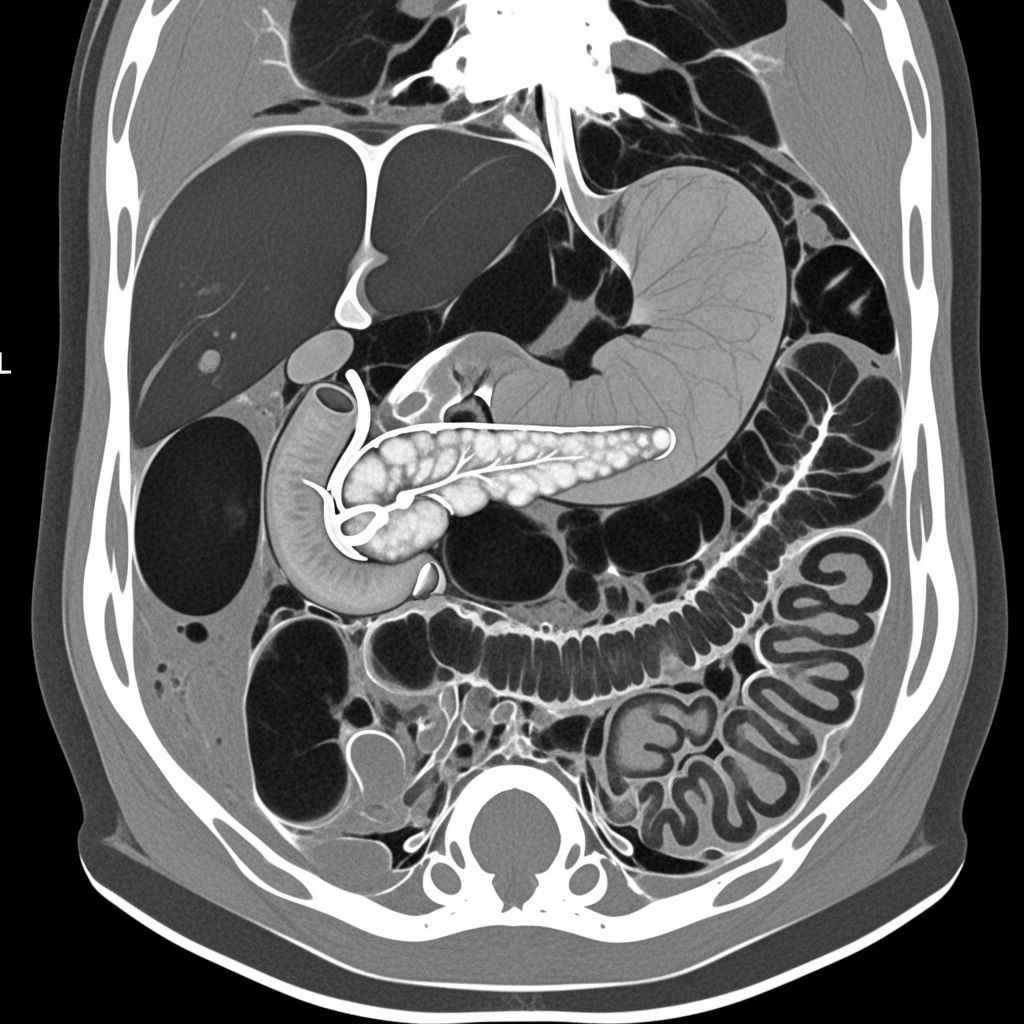
A computed tomography (CT) scan, also known as a CAT scan, is a sophisticated diagnostic imaging technique that uses a combination of X-rays and advanced computer technology to produce detailed, cross-sectional images of the body. When applied to pancreatic imaging, a CT scan of the pancreas provides physicians with comprehensive visual information about the organ’s structure and function. This imaging modality has become an essential tool in modern medicine for diagnosing a wide range of pancreatic conditions, from inflammatory disorders to malignant tumors. The procedure is particularly valuable because it allows radiologists and physicians to detect abnormalities that might not be visible through standard physical examination or basic imaging techniques.
What Is the Pancreas and Why Is Imaging Important?
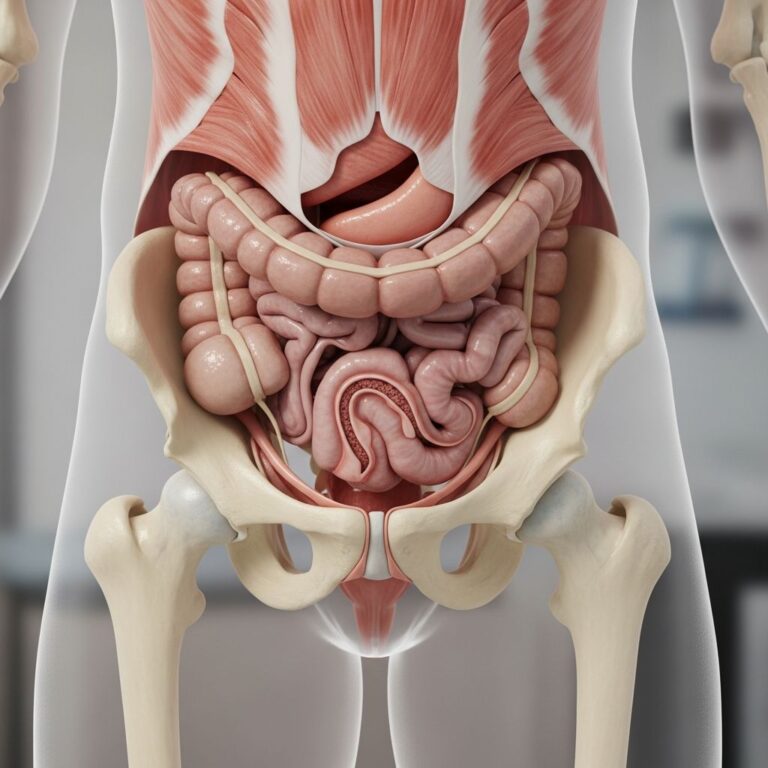
The pancreas is a vital glandular organ located deep within the abdomen, positioned behind the stomach and in front of the spine. This organ serves dual functions: it produces digestive enzymes that help break down food in the small intestine, and it manufactures hormones such as insulin that regulate blood sugar levels. Because of its deep anatomical location and the complexity of surrounding structures, direct physical examination of the pancreas is impossible. Therefore, imaging techniques like CT scans are crucial for evaluating pancreatic health and identifying potential pathology.
Pancreatic diseases can be serious and sometimes life-threatening, making accurate diagnosis paramount. CT imaging allows physicians to stage cancers, monitor treatment responses, and guide surgical planning for patients requiring intervention. Early detection through imaging can significantly impact patient outcomes and treatment options.
Purpose and Clinical Applications of Pancreatic CT Scans
CT scans of the pancreas serve multiple diagnostic and clinical purposes. Physicians order these studies to evaluate patients presenting with symptoms suggestive of pancreatic pathology.
Primary Diagnostic Indications
- Evaluation of abdominal pain and weight loss, which may indicate pancreatic disease
- Detection and characterization of pancreatic tumors and masses
- Diagnosis and assessment of pancreatitis (inflammation of the pancreas)
- Identification of pancreatic cysts and pseudocysts
- Evaluation of chronic pancreatitis and its complications
- Assessment of pancreatic ductal abnormalities, including dilated ducts
- Staging of confirmed pancreatic cancer to determine if disease has spread
- Guidance for biopsy procedures and treatment planning
- Monitoring of known pancreatic conditions during treatment
When patients present with symptoms such as unexplained weight loss, persistent abdominal pain, or jaundice, a CT scan helps physicians determine whether these symptoms originate from pancreatic pathology. The imaging can reveal whether a tumor is obstructing the bile duct or pancreatic duct, which often causes characteristic clinical findings. For patients diagnosed with pancreatic cancer, CT scanning provides critical information about tumor resectability—whether the cancer can be surgically removed—which directly influences treatment planning and surgical approaches such as the Whipple procedure.
How the CT Scan Procedure Works
Understanding the mechanics of a CT scan helps patients feel more comfortable during the procedure. A CT scanner consists of a large circular opening (gantry) through which a motorized table passes. The patient lies flat on this table, which moves incrementally through the opening while X-ray tubes rotate around the body. Modern CT scanners, including specialized three-dimensional pancreatic CT systems, capture multiple thin cross-sectional images as the table advances through the gantry.
The X-ray data collected by detectors opposite the tubes is transmitted to powerful computers that process this information using sophisticated algorithms. These computers reconstruct the raw X-ray data into detailed cross-sectional images, or “slices,” of the body. Each slice represents a thin horizontal section through the abdomen at that particular level. Radiologists can then view these images individually or reconstruct them into three-dimensional models for comprehensive analysis.
Related Stories



Modern CT technology allows radiologists to obtain high-resolution pancreatic imaging, with some centers utilizing specialized three-dimensional pancreatic CT protocols that provide exceptional detail for evaluating subtle abnormalities. The entire scanning process typically takes only 10 to 30 minutes, making it a quick and efficient diagnostic tool.
Preparation for Your Pancreatic CT Scan
Proper preparation is essential for obtaining high-quality images and ensuring patient safety during a CT scan of the pancreas. Patients should follow specific pre-procedure instructions provided by their healthcare facility.
Pre-Procedure Guidelines
- Inform your healthcare provider about any allergies, especially to iodine or contrast media
- Discuss all current medications, including blood thinners and diabetic medications
- Notify your physician if you have kidney disease or impaired renal function
- Report if you are pregnant or possibly pregnant
- Arrange for someone to drive you home if contrast material or sedation is used
- Wear comfortable, loose-fitting clothing without metal fasteners or zippers
- Remove jewelry, eyeglasses, hearing aids, and any metallic objects before the scan
- Follow fasting instructions if specified by your healthcare provider
- Arrive early to complete necessary paperwork and registration
Many pancreatic CT scans involve the use of contrast material, either oral or intravenous, to enhance image quality. Oral contrast agents help visualize the gastrointestinal tract, while intravenous contrast improves visualization of blood vessels and organ perfusion. Patients with contrast allergies or severe renal impairment may require alternative imaging protocols or premedication to reduce allergic risk.
Contrast Material and Enhancement Techniques
Contrast material plays a crucial role in modern pancreatic CT imaging. Intravenous iodine-based contrast is often administered during the scan through an IV line placed in the arm or hand. As the contrast circulates through the bloodstream, it enhances the visibility of pancreatic tissue, blood vessels, and any abnormalities. Different timing of image acquisition relative to contrast injection—including arterial phase, portal venous phase, and delayed phase imaging—provides complementary information about tissue perfusion and enhancement patterns that aid in characterizing pancreatic lesions.
Oral contrast material, administered before the scan, helps delineate the stomach and small bowel, preventing them from being mistaken for pancreatic pathology. The choice of contrast protocols depends on the clinical indication and the specific pancreatic abnormality being investigated.
The CT Scan Experience: What to Expect
During the actual scan, patients lie on a motorized table that enters the scanner opening. Technologists communicate with patients through an intercom system and can hear patient responses. The scanner may emit clicking or whirring sounds as it operates—these are normal. Patients must remain still during scanning to prevent image blur, though the actual imaging time is brief, usually taking just a few seconds per series of images.
If intravenous contrast is used, patients may feel a warm sensation or mild flushing as it is injected. Some patients report a metallic taste in their mouth. These sensations are temporary and typically resolve quickly. The entire appointment, including check-in and preparation time, usually lasts 30 to 60 minutes, though the actual scanning time is considerably shorter.
Risks and Considerations
CT scanning is generally a safe procedure, but like all medical interventions, it carries certain considerations and potential risks that patients should understand.
Radiation Exposure
CT scans involve exposure to ionizing radiation. The amount of radiation used in a pancreatic CT scan is higher than conventional X-rays but is carefully controlled and necessary for obtaining diagnostic quality images. Modern CT scanners use dose-reduction techniques to minimize radiation exposure while maintaining image quality. Patients should discuss radiation risks with their physician, particularly regarding cumulative exposure from multiple imaging studies.
Contrast-Related Risks
Iodine-based contrast material can cause allergic reactions, ranging from mild (itching, hives) to severe (anaphylaxis). Patients with known iodine or shellfish allergies face higher risk and should inform their healthcare provider before the scan. Contrast-induced nephropathy, a temporary decline in kidney function, can occur in patients with pre-existing renal impairment. Patients with diabetes taking metformin should discuss medication adjustments with their physician, as contrast material can affect kidney function and metformin clearance.
Pregnancy Considerations
While CT scanning is generally avoided during pregnancy due to radiation exposure, it may be performed when benefits outweigh risks for critical clinical situations. Women who are pregnant or potentially pregnant should inform their healthcare providers before undergoing a CT scan.
Interpreting CT Scan Results
Radiologists with expertise in pancreatic imaging interpret CT scans, analyzing the images for normal anatomy and any abnormalities. Specialized centers may employ world-renowned radiologists experienced in subtle pancreatic pathology. The radiologist generates a detailed report describing pancreatic size, contour, signal characteristics, and any masses, cysts, ductal dilations, or inflammatory changes. The report also assesses surrounding structures and vasculature.
For pancreatic cancer patients, the radiologist determines whether tumors are resectable (can be surgically removed) or unresectable based on involvement of critical blood vessels and extent of spread. This determination significantly influences treatment planning and prognostication.
Comparison with Other Imaging Modalities
| Imaging Modality | Radiation Exposure | Soft Tissue Resolution | Vascular Assessment | Contrast Requirement |
|---|---|---|---|---|
| CT Scan | Yes (moderate) | Excellent | Excellent | Often used |
| MRI | None | Excellent | Good | Optional |
| Ultrasound | None | Good | Good (Doppler) | None |
| Endoscopic Ultrasound (EUS) | None | Excellent (for small lesions) | Limited | None |
| PET-CT | Yes (moderate to high) | Good | Good | Radioactive tracer |
Each imaging modality offers distinct advantages. CT excels in detecting pancreatic masses and assessing vascular involvement. MRI provides excellent soft tissue resolution without radiation and is valuable for detecting cystic lesions. Endoscopic ultrasound (EUS) is considered one of the most accurate tools for detecting small lesions not visible on CT and does not involve ionizing radiation. The choice of imaging modality depends on the clinical question, patient factors, and institutional expertise.
Role of CT in Pancreatic Cancer Management
In pancreatic cancer patients, CT scanning serves several critical functions. Initial imaging helps diagnose the cancer and characterize the tumor. Staging CT scans determine whether disease has spread to lymph nodes, liver, peritoneum, or other organs. This staging information guides treatment decisions, determining whether patients are candidates for potentially curative surgery (resectable disease) or chemotherapy/radiation approaches for advanced disease.
For patients undergoing the Whipple procedure (pancreaticoduodenectomy), CT imaging provides surgeons with detailed anatomic roadmaps. High-quality three-dimensional CT reconstructions help surgeons appreciate tumor location, vascular involvement, and relationship to surrounding structures, ultimately improving surgical planning and outcomes.
Frequently Asked Questions
Q: How long does a CT scan of the pancreas take?
A: The actual scanning time is typically 10 to 30 minutes, though the entire appointment including preparation may last 30 to 60 minutes.
Q: Will I feel anything during the CT scan?
A: Most patients feel nothing during the scan itself. If intravenous contrast is used, you may experience a warm sensation or metallic taste, which is temporary and harmless.
Q: Is CT scanning safe for patients with kidney problems?
A: Patients with kidney disease should inform their healthcare provider, as contrast material can affect kidney function. Special protocols or alternative imaging may be recommended.
Q: Can I eat before my CT scan?
A: Follow the specific fasting instructions provided by your healthcare facility. Some pancreatic CT protocols require fasting, while others may not.
Q: How accurate is CT in detecting pancreatic cancer?
A: CT is highly accurate for detecting larger pancreatic masses and determining resectability. However, very small lesions may be missed, and sometimes endoscopic ultrasound is needed for confirmation.
Q: When will I get my results?
A: A radiologist will interpret your scan and generate a report, typically available within 24 to 48 hours. Your physician will review results with you and discuss findings and next steps.
References
- Johns Hopkins Medicine – The Whipple Procedure — Johns Hopkins Medicine. 2013. https://www.youtube.com/watch?v=4Zxvm3MSb8k
- Pancreas Multidisciplinary Cancer Clinic — Johns Hopkins Pathology. Accessed 2025. https://pathology.jhu.edu/pancreas/cancer-clinic
- The Current Management of Carcinoma of the Head of the Pancreas — PubMed Central, National Library of Medicine. https://pubmed.ncbi.nlm.nih.gov/7598470/
- Cancer of the Pancreas Screening Study (CAPS) — Johns Hopkins Pathology. Accessed 2025. https://pathology.jhu.edu/pancreas/participating-research/caps
- American College of Radiology – CT Imaging — American College of Radiology (ACR). 2024. Standards and guidelines for computed tomography procedures and safety protocols.
Similar Articles








Read full bio of medha deb