Toxic Squash Syndrome: Zucchini Poisoning Dangers
Discover the hidden risks of bitter zucchini and gourds causing toxic squash syndrome, symptoms, treatment, and prevention strategies.
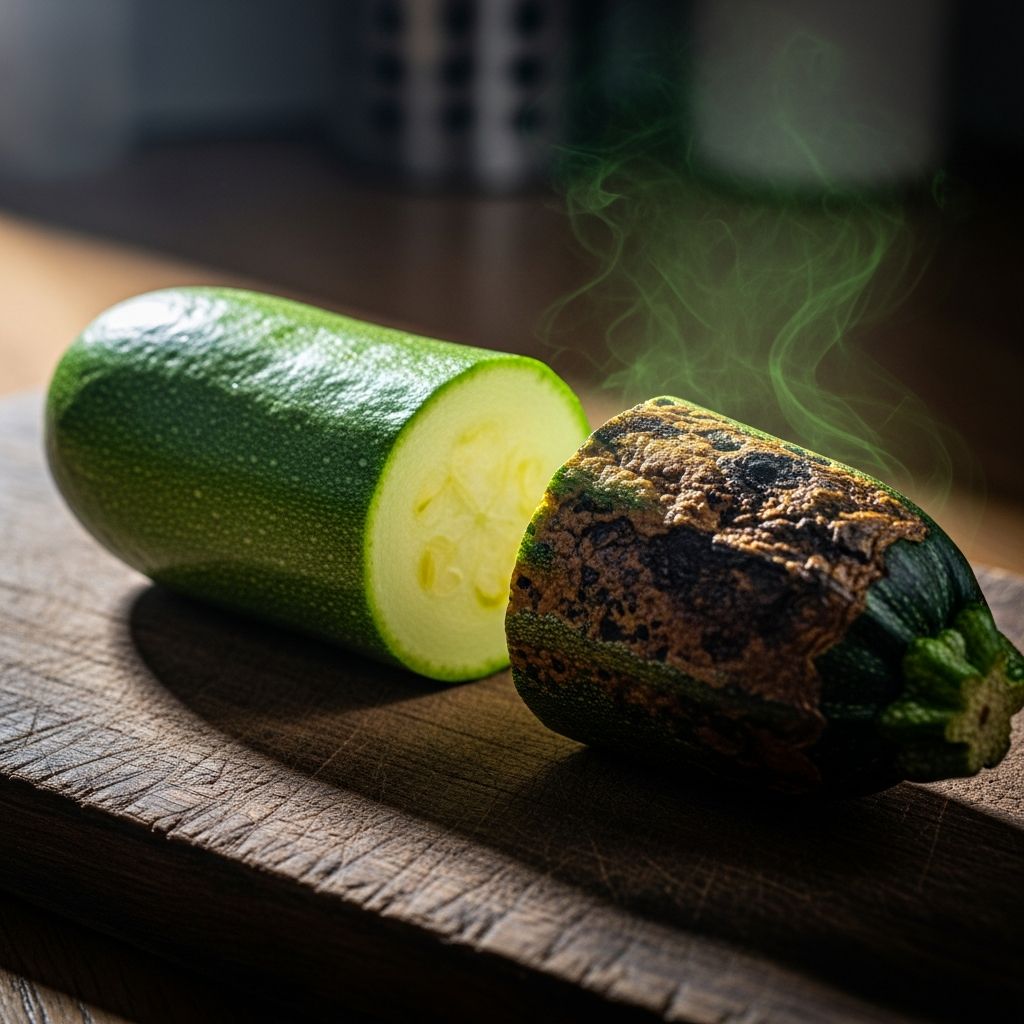
Bitter-tasting zucchini, gourds, and squashes can contain high levels of cucurbitacins, natural toxins that trigger
toxic squash syndrome
, leading to severe gastrointestinal distress, hypotension, and potentially life-threatening shock.What Is Toxic Squash Syndrome?
**Toxic squash syndrome**, also called cucurbitacin poisoning, occurs when people eat plants from the Cucurbitaceae family—like zucchini, bottle gourd (*Lagenaria siceraria*), or squash—that have elevated levels of
cucurbitacins
. These are bitter-tasting triterpenoid compounds the plants produce as a defense against pests and herbivores.Cucurbitacins are normally present in low, harmless amounts in cultivated varieties bred for low bitterness. However, cross-pollination with wild relatives, environmental stress (drought, poor soil), or hybrid seeds can cause “backcrossing,” boosting toxin levels even in seemingly normal-looking produce.
Symptoms strike rapidly—often within 30 minutes of ingestion—starting with intense nausea and vomiting, progressing to diarrhea, abdominal pain, and distributive shock from increased capillary permeability and gastric erosion.
How Does Cucurbitacin Poisoning Happen?
Cucurbitacins act as a natural pesticide, deterring insects and animals with their extreme bitterness. In humans, they irritate the gastrointestinal mucosa, causing erosions, hypermotility, and fluid loss.
- Gastric effects: Caustic damage leads to vomiting, bloody diarrhea (hematochezia or melena), and bleeding.
- Vascular effects: Increased capillary permeability causes hypotension, shock, and capillary leak syndrome.
- Systemic effects: Hypoperfusion can impair liver and kidney function; cytotoxic properties may cause further complications.
No antidote exists; severity depends on dose, with even small amounts (0.1 oz toxic zucchini) causing symptoms in sensitive individuals.
Symptoms of Zucchini and Gourd Poisoning
Symptoms onset is swift: 5–30 minutes post-ingestion, lasting 2–7 days without intervention.
| Symptom | Onset | Severity |
|---|---|---|
| Nausea, profuse vomiting | 5–30 min | Common (100% cases) |
| Severe abdominal pain/cramping | Immediate | Common |
| Watery/bloody diarrhea | 30 min–2 hrs | Common (incl. hematemesis) |
| Hypotension/shock | 1–2 hrs | 50–75% cases |
| Dehydration, syncope | Rapid | Frequent |
| Hypoalbuminemia, organ dysfunction | Hours | Severe cases |
Early signs include diaphoresis and syncope; untreated, it leads to multiorgan failure.
Real-Life Cases of Cucurbitacin Toxicity
Case 1: Elderly Woman with Bitter Bottle Gourd Juice
A 78-year-old woman drank 1/3 glass of raw, extremely bitter bottle gourd juice. Within minutes: colicky pain, vomiting, watery/blackish diarrhea, diaphoresis, syncope. Presented hypotensive (80/50 mmHg), tachycardic (140 bpm).
Treatment: 3L saline bolus, pantoprazole infusion, antibiotics. Stabilized in 3 hours; full recovery in ICU with supportive care.
Case 2: Man with Toxic Squash Smoothie
A man consumed a large amount of bitter *Lagenaria siceraria* squash smoothie post-run. Symptoms in 30 min: vomiting, diarrhea, hematochezia, hypotension despite fluids, hypoalbuminemia, elevated lactate/liver enzymes.
Diagnosis via history of bitterness; aggressive hydration key, highlighting distributive shock from capillary leak.
Case 3: Group of Five U.S. Patients
Five adults ate cooked bitter bottle gourd; symptoms in 5–25 min: nausea, vomiting, diarrhea. One hospitalized with hematemesis, hypotension. All recovered with IV fluids, PPIs.
First reported U.S. cluster; stresses inquiring about bitter taste.
Related Stories



Treatment for Toxic Squash Syndrome
No specific antidote; management is supportive and urgent.
- Fluid resuscitation: Aggressive IV saline boluses (e.g., 3L) to combat hypovolemia/shock.
- GI protection: Proton pump inhibitors (e.g., pantoprazole infusion) for mucosal injury/bleeding.
- Monitoring: Vasopressors if needed, dialysis for renal failure; watch vitals, urine output, labs.
- Supportive: Antiemetics, electrolytes; avoid unnecessary imaging.
Prognosis good with prompt care; delays risk fatality from shock.
How to Prevent Cucurbitacin Poisoning
- Taste test: Sample raw sliver; discard if bitter.
- Source safely: Buy commercial hybrids low in cucurbitacins; avoid wild/heirloom unless tested.
- Grow carefully: Isolate hybrids from wild cucurbits; ensure pollination control.
- Cook thoroughly: Heat doesn’t destroy toxins but may reduce intake if bitter detected early.
- Educate: Awareness in communities using gourds medicinally.
Physicians: Ask about recent bitter plant ingestion in acute GI/shock cases.
Frequently Asked Questions (FAQs)
What is toxic squash syndrome?
Toxic squash syndrome is cucurbitacin poisoning from bitter zucchini, gourds, or squash, causing rapid vomiting, diarrhea, and shock.
How quickly do symptoms start after eating toxic zucchini?
Symptoms begin in 5–30 minutes, with vomiting, pain, and diarrhea; shock in 1–2 hours.
Is there an antidote for cucurbitacin poisoning?
No antidote exists; treatment is supportive with aggressive fluids, PPIs, and monitoring.
Can cooking remove cucurbitacins from bitter gourds?
No, cooking does not neutralize the toxins; discard bitter produce immediately.
Who is at risk for zucchini poisoning?
Home gardeners, those eating heirloom/wild varieties, or using gourds in juices/smoothies.
What should I do if I eat bitter zucchini?
Stop eating, hydrate, seek ER if symptoms appear; report bitter taste history.
References
- Bitter Bottle Gourd Toxicity — A. Deshpande et al. Scientific Research Publishing. 2023. https://www.scirp.org/journal/paperinformation?paperid=129736
- Cucurbit Toxins Lead to Rapid and Severe Distributive Shock — ACP Journals. 2023. https://www.acpjournals.org/doi/10.7326/aimcc.2023.1037
- Bitter bottle gourd (Lagenaria siceraria) toxicity — PubMed/NCBI. 2013. https://pubmed.ncbi.nlm.nih.gov/24360122/
- Squash (Cucurbita spp.)-Toxic Squash (Toxic Zucchini) — PNW Handbooks. N/A. https://pnwhandbooks.org/plantdisease/host-disease/squash-cucurbita-spp-toxic-squash-toxic-zucchini
- Zucchini poisoning: Causes, symptoms, and prevention tips — Times of India. 2024. https://timesofindia.indiatimes.com/life-style/food-news/zucchini-poisoning-causes-symptoms-and-prevention-tips/articleshow/123363732.cms
Similar Articles








Read full bio of Sneha Tete