Cumin Benefits: 9 Research-Backed Health Uses
Discover the science-backed health benefits of cumin, from weight loss and digestion to blood sugar control and antioxidant power.
Cumin, a staple spice in cuisines worldwide, offers impressive health benefits supported by scientific research. From aiding weight loss to promoting digestion and supporting metabolic health, incorporating cumin into your diet may enhance overall well-being.
What Is Cumin?
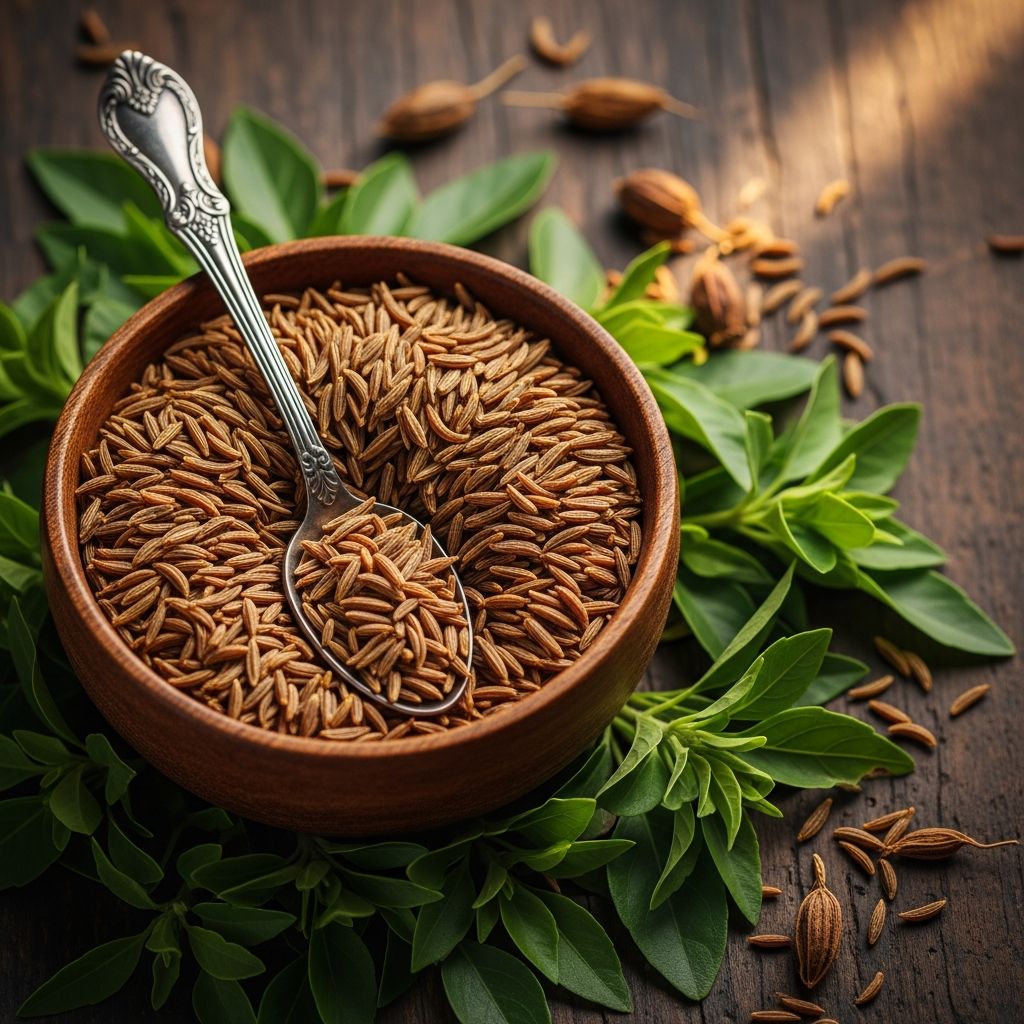
Cumin (Cuminum cyminum) is a flowering plant in the Apiaceae family, native to the Mediterranean and Iran, cultivated extensively in India, China, and other regions. Its small, aromatic seeds are harvested from dried fruits and used whole, ground, or as oil in cooking, traditional medicine, and supplements. Known for its warm, earthy, nutty flavor with citrus and licorice notes, cumin has been valued for over 4,000 years in Ayurvedic, Chinese, and Middle Eastern practices for treating digestive issues, infections, and inflammation.
Nutritionally, one tablespoon (about 6 grams) of cumin seeds provides approximately 22 calories, 1.3 grams of protein, 1.1 grams of fat, 2.7 grams of carbs, and 0.6 grams of fiber. It is rich in iron (providing up to 20% of the daily value), manganese, calcium, magnesium, vitamin A, and vitamin C, along with potent antioxidants like flavonoids, terpenes, and phenolic compounds.
9 Impressive Health Benefits of Cumin
Modern studies validate cumin’s traditional uses, revealing benefits for digestion, weight management, blood sugar, cholesterol, and more.
1. Contains Antioxidants
Cumin is loaded with antioxidants such as flavonoids, alkaloids, and terpenes that combat free radicals—unstable molecules causing oxidative stress linked to cancer, heart disease, and aging. Lab studies show cumin extracts neutralize free radicals more effectively than vitamin C or E in some cases, potentially reducing chronic disease risk.
These compounds also exhibit anti-inflammatory effects by inhibiting pathways like NF-κB, which drive inflammation in conditions like arthritis and metabolic disorders.
2. Promotes Digestion
Cumin’s most established benefit is digestive support. It stimulates digestive enzyme activity, enhances bile production from the liver (aiding fat digestion), and accelerates gut motility. Clinical trials, including one with 57 IBS patients, found concentrated cumin extract significantly reduced bloating, gas, and abdominal pain after two weeks.
Traditionally used for indigestion, diarrhea, and colic, cumin’s carminative properties help expel gas and soothe the gut.
3. May Aid Weight Loss
Multiple human studies link cumin to weight reduction. In a trial of 88 overweight women, 3 grams of cumin powder in yogurt daily led to greater waist circumference reduction and fat loss than placebo over eight weeks.
Another study showed 75 mg cumin supplements twice daily reduced BMI, weight, and fat mass comparably to weight-loss drugs, with lowered insulin levels. Cumin may boost metabolism, inhibit fat accumulation, and improve satiety via its phytosterols and essential oils.
4. Easy to Add to Your Diet
Incorporate cumin effortlessly: add ground seeds to curries, soups, stews, rice, or roasted vegetables; toast whole seeds for salads; blend into spice rubs for meats; or brew cumin tea by boiling seeds in water. Start with 1/4–1/2 teaspoon daily, safe up to 3 grams in studies.
5. May Improve Blood Sugar Control
Cumin shows promise for diabetes management. An eight-week study found cumin oil reduced blood sugar, insulin, HbA1c, and insulin resistance markers. Components counter advanced glycation end products (AGEs), which damage cells in diabetes.
Related Stories



Animal research confirms blood sugar-lowering effects, though more human trials are needed.
6. Fights Bacteria and Fungus
Cumin’s antimicrobial properties inhibit foodborne pathogens like Salmonella, E. coli, and fungi. Test-tube studies demonstrate it limits microbial growth and reduces antibiotic resistance. Megalomicin, released during digestion, provides antibiotic effects.
7. Improves Cholesterol Levels
Clinical evidence shows cumin lowers LDL cholesterol and triglycerides while raising HDL. One study reported 10% LDL reduction after 1.5 months of cumin extract; another found benefits from cumin-yogurt over eight weeks.
8. Supports Immunity and Reduces Stress
Rich in vitamins A and C, cumin bolsters immune function. Rat studies show cumin extract mitigates stress responses and outperforms vitamin C as an antioxidant. Its anti-inflammatory and antimicrobial actions further support immunity.
9. Other Potential Benefits
Emerging research suggests cumin may improve respiratory health by reducing airway inflammation, protect kidneys and liver, exhibit anti-cancer potential via apoptosis induction, and enhance skin health through antioxidants. Animal studies indicate benefits for reproductive and neurological health.
Cumin Nutrition Facts
| Nutrient | Amount per 1 Tbsp (6g) | % Daily Value |
|---|---|---|
| Calories | 22 | 1% |
| Iron | 4 mg | 22% |
| Manganese | 0.4 mg | 17% |
| Calcium | 93 mg | 7% |
| Magnesium | 24 mg | 6% |
| Vitamin C | 0.7 mg | 1% |
Source: Adapted from USDA data via studies.
How to Use Cumin
- Cooking: Ground in chili, tacos, soups; whole in pilafs.
- Tea: Boil 1 tsp seeds in 1 cup water for 5–10 min.
- Supplements: Capsules (300–600 mg/day); consult doctor.
- Oil: Topical for skin or diluted internally.
Side Effects and Precautions
Cumin is generally safe in culinary amounts. High doses may cause heartburn, nausea, or allergic reactions. Pregnant women should avoid supplements due to uterine stimulation risks. It may interact with diabetes or blood-thinning medications. Start low and consult a healthcare provider.
Frequently Asked Questions (FAQs)
Is cumin good for weight loss?
Yes, studies show cumin promotes weight loss, reduces BMI, and waist size, comparable to some medications.
Can cumin lower blood sugar?
Research indicates cumin improves glycemic control, insulin sensitivity, and HbA1c in diabetes patients.
Does cumin help digestion?
Absolutely; it enhances enzyme activity, bile flow, and relieves IBS symptoms.
Is cumin anti-inflammatory?
Yes, via NF-κB inhibition and antioxidant effects.
How much cumin per day?
1/4–1 tsp culinary use is safe; up to 3g studied for benefits.
References
- Health Benefits of Cumin — WebMD. 2023. https://www.webmd.com/diet/health-benefits-cumin
- Cumin: 6 health benefits — Medical News Today. 2023-06-15. https://www.medicalnewstoday.com/articles/319562
- 9 Powerful Health Benefits of Cumin — Healthline. 2023-11-10. https://www.healthline.com/nutrition/9-benefits-of-cumin
- Black Cumin (Nigella sativa L.): A Comprehensive Review — PMC (NIH). 2021-06-28. https://pmc.ncbi.nlm.nih.gov/articles/PMC8225153/
- A Comprehensive Review of Cumin is a Natural Remedy — IJMRHS. 2023. https://www.ijmrhs.com/medical-research/a-comprehensive-review-of-cumin-is-a-natural-remedy-for-health-and-wellness.pdf
Similar Articles








Read full bio of medha deb