Cupping Therapy Benefits: Ancient Healing for Modern Pain
Discover how cupping therapy alleviates pain, improves circulation, and promotes natural healing.
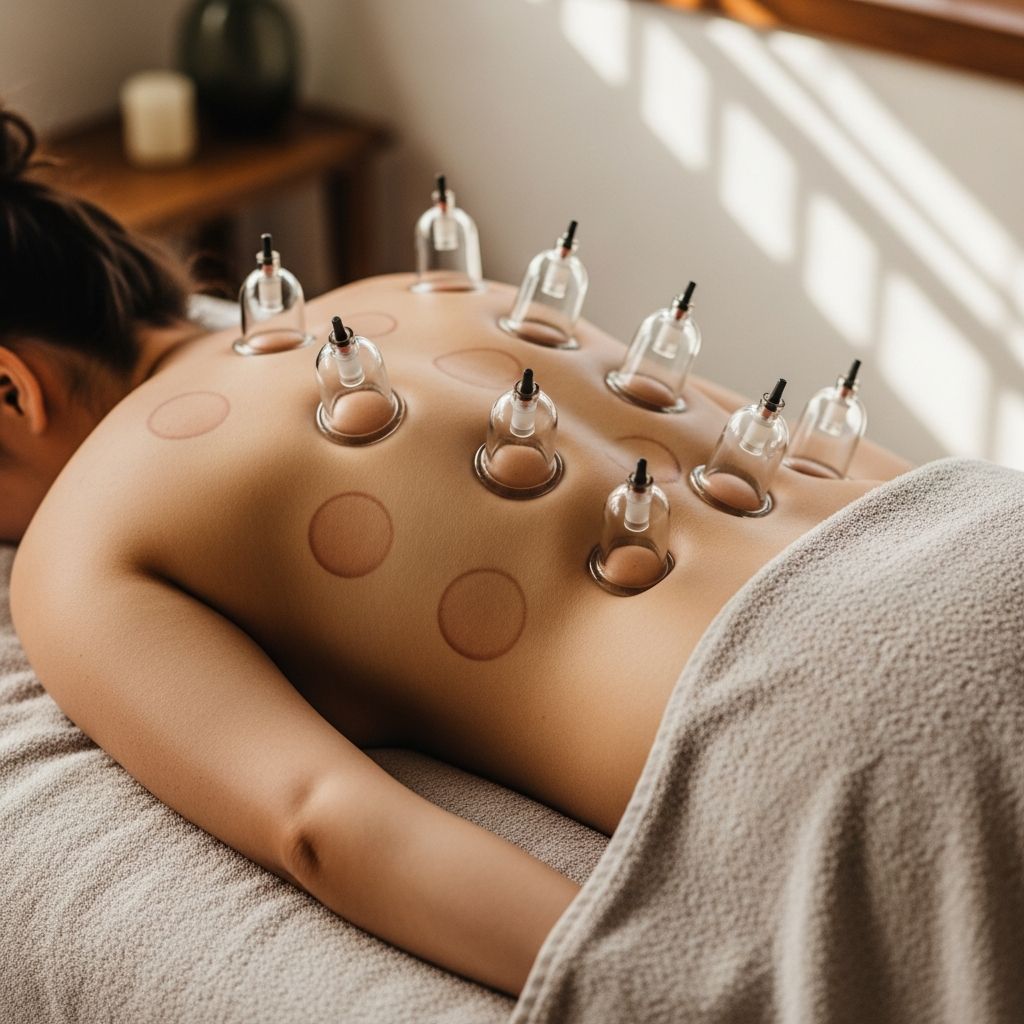
Cupping therapy is an ancient healing practice that has gained renewed popularity in modern wellness and sports medicine. This non-invasive treatment uses specially designed suction cups applied to the skin to create negative pressure, drawing blood flow to targeted areas and promoting natural healing processes. Whether you’re dealing with chronic back pain, muscle tension, or migraines, cupping therapy offers a drug-free alternative worth exploring.
What Is Cupping Therapy?
Cupping therapy involves the application of special suction cups to the skin, creating a vacuum-like pressure that draws tissues upward and outward. According to physical therapists, this process works by loosening the body’s connective tissue and lifting it, which relieves myofascial tissue restrictions and gently stretches muscles in directions that aren’t possible with traditional exercise. The suction force expands and breaks open tiny blood vessels (capillaries) under your skin, triggering your body to replenish the treated areas with healthier blood flow and stimulate proper healing at the cellular level.
The practice comes in two main forms: dry cupping, where cups remain stationary or are moved across the skin, and wet cupping, which involves making small scratches on the skin before applying the cups to allow for controlled drainage. During a typical first session, practitioners may use three to five cups, though it’s rare to use more than five to seven cups in a single treatment.
How Cupping Works: The Mechanisms Behind the Benefits
The therapeutic effects of cupping therapy operate through several interconnected biological mechanisms. The primary mechanism involves dramatically increasing blood flow in the treated area, which flushes stagnated tissues and releases powerful anti-inflammatory, antioxidant, and pain-relief effects. This improved circulation encourages healing by delivering oxygen and nutrients to damaged tissues.
The suction created by cupping increases oncotic pressure in the treated area, which is believed to stimulate lymphatic uptake and facilitate the removal of accumulated fluids and waste products. This process helps reduce inflammation and supports the body’s natural detoxification mechanisms.
Immune System Activation
Research suggests that cupping therapy significantly enhances the body’s biochemical and mechanical immune systems. Studies indicate that cupping therapy can increase the production of various autoimmune modulators while reducing inflammatory substances. These positive changes may have lasting effects beyond the duration of the cupping treatments themselves.
Cupping is believed to stimulate the activity of the thymus gland, support the function of the neuroendocrine system, and bolster the body’s antioxidant processes. In wet cupping specifically, the minor skin incisions made during the procedure trigger inflammatory cell migration and release endogenous opioids—natural substances that function as pain relievers and mood enhancers. This action increases both innate and acquired immunity, enhancing the body’s ability to fight infections and restore immune balance.
Neural and Pain Management Effects
Evidence shows that cupping therapy can induce comfort and relaxation on a systemic level. The resulting increase in endogenous opioid production in the brain leads to improved pain control. Cupping therapy has been found to increase immediate pressure pain thresholds in certain areas, meaning your body becomes less sensitive to pain signals after treatment.
Research demonstrates that wet cupping therapy can decrease pain through the upregulation of heat shock protein 70 (HSP70) and β-endorphin expression, both of which are crucial for pain relief and cellular repair.
Cupping Therapy Benefits for Specific Conditions
Back and Neck Pain
Related Stories



Back pain is one of the most popular reasons people seek cupping therapy. The mechanism is straightforward: cupping increases blood circulation to the affected area, reduces muscle tension, and promotes tissue repair. Clinical studies have confirmed that cupping is more effective in improving pain and functional disability in people with persistent non-specific low back pain when compared to sham therapy. Some research indicates that cupping can be similarly effective to taking 650 milligrams of acetaminophen three times daily for pain relief.
Cupping therapy has demonstrated effectiveness in relieving arthritic, neuritic, and musculoskeletal pain affecting the trunk, extremities, and neck. Proponents report that cupping can reduce pain and disability while increasing range of motion, particularly for chronic low back and neck pain conditions.
Migraines and Headaches
Cupping therapy has demonstrated notable advantages in addressing various forms of pain, particularly musculoskeletal pain, migraines, and tension headaches. Research indicates that wet cupping reduces average headache severity by 66% and decreases headache days by 12.6 per month. This significant reduction makes cupping a compelling option for those suffering from chronic migraine conditions.
Knee Osteoarthritis
Cupping may reduce knee inflammation by increasing blood flow and flexibility while encouraging tissue repair. One study found that cupping for knee osteoarthritis was as effective as taking 650 milligrams of acetaminophen three times a day. However, other studies have shown weaker evidence, indicating that more research is needed to fully establish cupping’s effectiveness for this condition.
Shoulder Pain
Cupping could be beneficial for shoulder pain, as it increases circulation in the affected area—which encourages healing—and reduces muscle tension. However, there aren’t definitive studies conclusively demonstrating that cupping reduces shoulder pain. It remains a promising option worth discussing with your healthcare provider.
Carpal Tunnel Syndrome
A German study showcased the benefits of traditional wet cupping in treating carpal tunnel syndrome, suggesting that cupping may be an effective complementary therapy for this condition that often limits hand and wrist function.
Respiratory and Skin Conditions
Beyond musculoskeletal pain, cupping therapy has been used to manage respiratory issues such as cough and dyspnea (difficulty breathing), as well as to address skin conditions such as acne. The therapy can also help break up and soften scar tissue by improving elasticity and blood circulation in damaged areas.
Systemic Conditions
Wet cupping, in particular, may provide patients with broader benefits for systemic disorders. Research indicates that wet cupping can be beneficial for conditions related to obesity, hypertension, autoimmune and inflammatory diseases, diabetes mellitus, psychiatric disorders, systemic infections, and skin conditions. Additionally, cupping has been used to treat blood disorders such as anemia and hemophilia, rheumatic diseases such as arthritis and fibromyalgia, fertility and gynecological disorders, high blood pressure, anxiety and depression, and varicose veins.
Dry Cupping vs. Wet Cupping: Key Differences
| Aspect | Dry Cupping | Wet Cupping |
|---|---|---|
| Procedure | Cups create suction on intact skin; may be moved or left stationary | Small skin scratches made before applying cups; allows controlled blood release |
| Best For | Generalized pain conditions and muscle tension | Inflammatory-related pain, systemic conditions, broader health benefits |
| Pain Reduction | Effective for musculoskeletal pain management | Significantly reduces headache severity (up to 66%) and inflammatory pain |
| Duration of Effects | Generally shorter-term relief | May provide broader, longer-lasting benefits |
| Risk Profile | Lower risk, minimal side effects | Slightly higher risk due to skin incisions, but evidence suggests substantial benefits justify consideration |
Physical therapists commonly use dry cupping therapy because for some patients, it may lessen pain, relieve spasms, and reduce tension. The increased circulation from dry cupping reduces tension and spasms while promoting cell repair through improved blood flow.
What to Expect During a Cupping Session
During your first cupping session, a trained practitioner will assess your condition and determine the appropriate treatment approach. You might receive three to five cups in your initial session, or you might try just one to gauge how your body responds. The cups remain in place for typically 10-15 minutes, allowing the suction to work its therapeutic effects.
It’s important to understand that cupping therapy is a gradual process. Most people require multiple sessions to experience significant benefits, and a treatment plan should be discussed with your practitioner beforehand.
Side Effects and Safety Considerations
One of the most notable side effects of cupping is the distinctive bruising that can occur. These bruises appear in the shape of the cup and are the result of the therapy’s mechanism—the suction drawing blood to the surface. The good news is that these bruises usually reduce significantly within 48 hours and are not typically painful.
Cupping therapy represents a safe and effective non-pharmacological therapy with low adverse effects compared to pharmaceutical interventions. However, it’s always wise to consult with a healthcare provider before beginning cupping therapy, particularly if you have certain medical conditions, take blood thinners, or have sensitive skin.
Current Research and Evidence Quality
The available evidence of very low-to-moderate quality suggests that cupping therapy is effective in managing chronic pain, knee osteoarthritis, low back pain, neck pain, chronic back pain, and herpes zoster infection. A comprehensive evidence-mapping study comprising 14 meta-analyses highlighted the effectiveness of cupping therapy for various pain-related conditions.
While not all claims about cupping are definitively proven by rigorous scientific studies, the research that does exist is encouraging. Experts acknowledge that there isn’t extensive research on the therapy compared to conventional treatments, but some people who’ve had cupping therapy done swear by its effectiveness for their specific conditions.
Frequently Asked Questions About Cupping Therapy
Q: Is cupping therapy painful?
A: Cupping therapy is generally not painful during the procedure. You may feel a gentle pulling sensation and mild discomfort, but the treatment is usually well-tolerated. Some people experience mild soreness afterward, similar to post-exercise muscle soreness.
Q: How long do the bruises from cupping last?
A: The distinctive bruises caused by cupping therapy usually reduce significantly within 48 hours. Complete fading may take 5-7 days depending on the intensity of treatment and your individual healing response.
Q: How many cupping sessions do I need?
A: The number of sessions needed varies depending on your condition and individual response. Most people benefit from multiple sessions over several weeks. Your practitioner will develop a personalized treatment plan based on your specific needs.
Q: Can cupping therapy replace my regular medical treatment?
A: Cupping therapy should be considered a complementary therapy rather than a replacement for conventional medical treatment. Always consult with your healthcare provider before starting cupping or stopping any prescribed medications.
Q: Who should not receive cupping therapy?
A: Individuals taking blood thinners, those with certain skin conditions, pregnant women (particularly on the abdomen and lower back), and people with specific medical conditions should consult a healthcare provider before cupping therapy.
Q: Is cupping therapy covered by insurance?
A: Coverage varies by insurance plan and location. Some insurance plans cover cupping when performed by licensed acupuncturists or physical therapists, while others don’t. Check with your insurance provider for specific coverage information.
Q: What makes wet cupping different from dry cupping?
A: Wet cupping involves making small skin scratches before applying the cups, which allows for controlled blood release. This technique may provide broader benefits for systemic conditions compared to dry cupping, though it carries slightly higher risk.
Conclusion: Is Cupping Therapy Right for You?
Cupping therapy represents a promising, safe, and effective non-pharmacological therapy that warrants consideration for various pain conditions and health concerns. With roots in ancient healing traditions, this practice has demonstrated effectiveness in managing chronic pain, migraines, neck and back pain, and numerous other conditions through improved circulation, immune system activation, and natural pain relief mechanisms.
The evidence suggests that cupping therapy can be particularly effective when integrated into a comprehensive treatment approach alongside conventional medical care. If you’re interested in exploring cupping therapy, consult with a licensed practitioner and discuss the option with your healthcare provider to determine if it’s appropriate for your specific condition.
References
- The Benefits Of Cupping Therapy — Premier Health. 2024. https://www.premierhealth.com/your-health/articles/health-topics/the-benefits-of-cupping-therapy
- Dry Cupping Therapy: Does It Really Help? — University Hospitals. 2021. https://www.uhhospitals.org/blog/articles/2021/02/dry-cupping-therapy-does-it-really-help
- Cupping Therapy — StatPearls, National Center for Biotechnology Information (NCBI). 2024. https://www.ncbi.nlm.nih.gov/books/NBK538253/
- What Is Cupping Therapy? Uses, Benefits, Side Effects, and More — WebMD. 2024. https://www.webmd.com/balance/cupping-therapy
- Efficacy of cupping therapy on pain outcomes: an evidence-mapping systematic review — Frontiers in Neurology. 2023. https://www.frontiersin.org/journals/neurology/articles/10.3389/fneur.2023.1266712/full
- Cupping Therapy: Definition, Types & Benefits — Cleveland Clinic. 2024. https://my.clevelandclinic.org/health/treatments/16554-cupping
- Cupping Therapy: Is It Right for You? — Orlando Health. 2024. https://www.orlandohealth.com/content-hub/cupping-therapy-is-it-right-for-you/
Similar Articles








Read full bio of medha deb