Cupping Therapy: Benefits, Types & Pain Relief
Discover cupping therapy: An ancient healing technique for pain relief and improved circulation.
Cupping Therapy: An Ancient Healing Method for Modern Relief
Cupping therapy is an ancient healing practice that has been used for centuries across various cultures to promote wellness and relieve pain. This non-invasive therapeutic technique involves applying special cups to your skin to create suction, which draws blood to the affected area and stimulates your body’s natural healing response. Today, cupping therapy remains a popular complementary treatment option for individuals seeking pain relief and improved circulation without pharmaceutical interventions.
What Is Cupping Therapy?
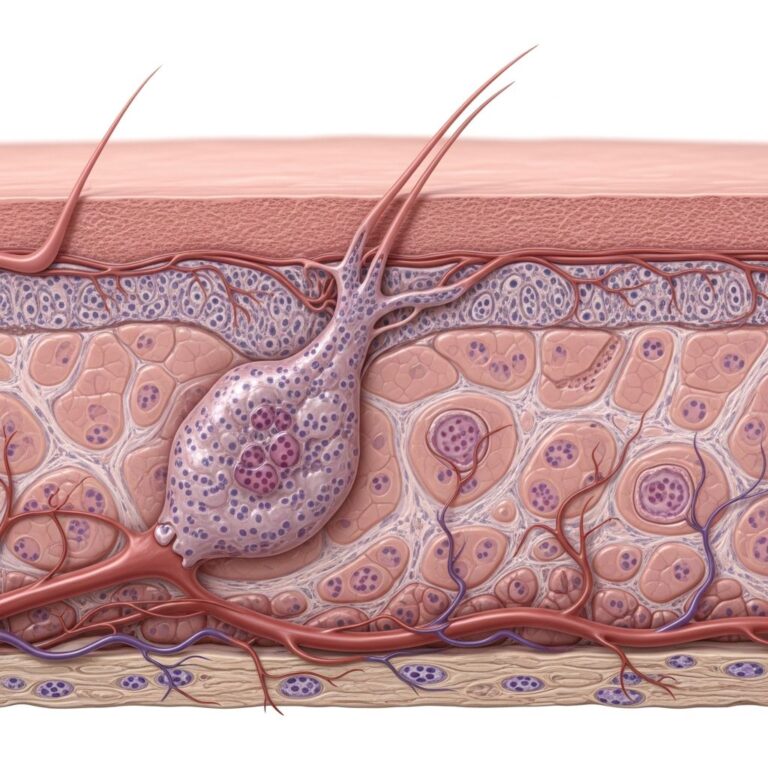
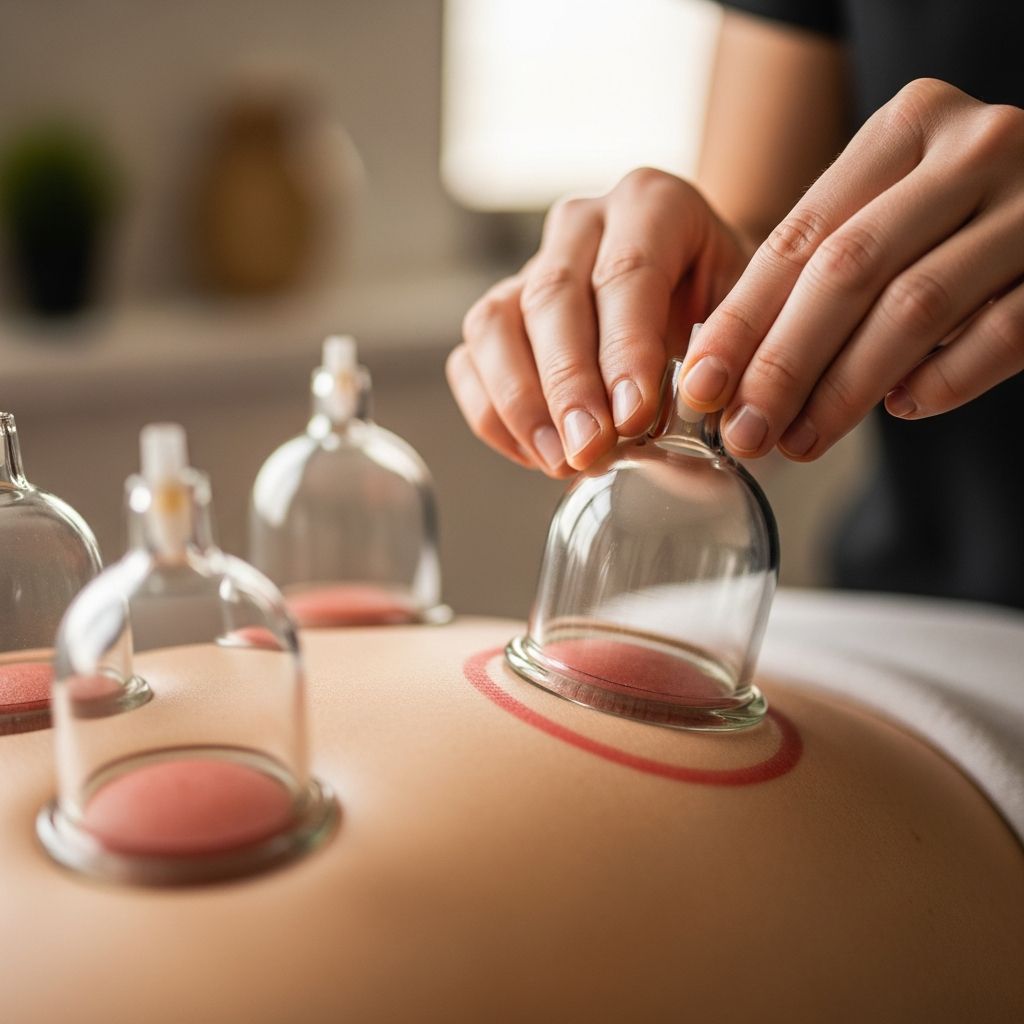
Cupping therapy is a skin-surface treatment that uses specially designed cups to create a vacuum effect on your skin. The therapy works by pulling fluid into the treated area through suction force, which expands and breaks open tiny blood vessels called capillaries beneath your skin. This controlled disruption triggers your body’s natural healing mechanisms, encouraging the replenishment of treated areas with healthier blood flow and stimulating cellular-level healing.
The cups used in cupping therapy can be made from various materials, including glass, ceramic, bamboo, or plastic. Practitioners select the appropriate cup size and material based on your specific condition and treatment area. Most commonly, cupping is applied to the back, though it can be used on other areas of the body depending on your therapeutic needs.
How Does Cupping Therapy Work?
The primary mechanism behind cupping therapy’s effectiveness involves creating negative pressure that draws the skin upward into the cup. This suction force increases blood circulation in target areas where the cups are placed, relieving muscle tension and promoting cell repair. The theory driving cupping’s therapeutic benefits centers on the idea that suction encourages improved circulation, promotes healing, and reduces pain through multiple physiological pathways.
When cupping creates suction on your skin, it stimulates the peripheral nervous system and enhances microcirculation. Your body responds by improving capillary endothelial cell repair, accelerating granulation and angiogenesis in regional tissues, which helps normalize your functional state and promotes progressive muscle relaxation. Additionally, cupping removes noxious materials from skin microcirculation and the interstitial compartment, further supporting the healing process.
Some practitioners believe that cupping releases toxins from your body, though the primary mechanism of benefit appears to be through enhanced blood flow and cellular regeneration. There is converging evidence that cupping induces comfort and relaxation on a systemic level, with the resulting increase in endogenous opioid production in the brain leading to improved pain control.
Types of Cupping Therapy Techniques
There are several different methods of cupping, each with slight variations in technique and application. Your healthcare provider will determine the most appropriate method based on your condition and treatment goals.
Dry Cupping
Dry cupping involves creating suction by vacuuming air out of a plastic or glass cup before placing it on your skin. In most cases, the cups can be used at rest or while moving across your skin. This is the most common form of cupping therapy and is effective for various conditions related to pain and muscle tension.
Wet Cupping (Hijama)
Wet cupping, also known as hijama or bleeding cupping, involves a slightly different process. The therapist creates mild suction by leaving a cup in place for approximately three minutes. After removing the cup, the practitioner uses a small scalpel to make light, tiny cuts on your skin. A second suction is then applied to draw out a small quantity of blood. This method is believed to remove excess fluids and toxins more effectively than dry cupping.
Related Stories



Moving Cupping
Some treatments involve briefly moving the cups to stretch and massage the area beneath them. This dynamic application can enhance the therapeutic benefits by combining cupping with massage-like effects, increasing circulation and muscle relaxation in a broader treatment zone.
The Cupping Therapy Treatment Process
Each cupping session typically takes about 20 minutes and generally follows a structured five-step process. Understanding what to expect during your appointment can help you prepare mentally and physically for the treatment.
The first step includes primary suction preparation. During this phase, your therapist allocates specific points or areas for cupping and disinfects the treatment area. Your provider then places a cup with an appropriate size on the selected site. The therapist removes air inside the cup using flame, electrical, or manual suction methods, and the cup is applied to your skin. Most commonly, your provider uses between three and five cups, though they might use up to seven in a single treatment. It is uncommon to receive more than seven cups during one session.
Your provider will leave the cups in place for a period of three to five minutes, depending on your skin sensitivity and treatment goals. During this time, the suction effect works to draw blood to the area and initiate the healing response. Some practitioners may use additional techniques like movement or heat during the treatment to enhance effectiveness.
Conditions Treated by Cupping Therapy
Cupping therapy addresses a wide range of health conditions, from acute pain to chronic systemic illnesses. Research has demonstrated its effectiveness across multiple therapeutic applications.
Musculoskeletal Pain and Injuries
Cupping is particularly effective for treating various types of muscle and joint pain. Low back pain, neck pain, and shoulder tension are among the most common conditions addressed with cupping therapy. There is growing evidence that cupping is effective in treating non-specific low back pain, neck pain, and fibromyalgia. The therapy has also shown promise in alleviating pain associated with carpal tunnel syndrome and other repetitive strain injuries.
Headaches and Migraines
Cupping therapy has proven effective in treating both tension headaches and migraines. Patients often report significant pain reduction following treatment, with pain levels sometimes decreasing from an 8 to a 3 on a pain scale of 10, demonstrating the immediate benefits many experience.
Cardiovascular and Blood Pressure Management
Cupping therapy is often used for lowering blood pressure and preventing the development of cardiovascular diseases in healthy people. Research has shown that cupping therapy can be effective for reducing systolic blood pressure in hypertensive patients for up to four weeks without any serious side effects.
Respiratory Conditions
Cupping helps open up the chest and benefits the lungs to treat respiratory problems such as chronic cough, bronchitis, and asthma. By improving circulation and reducing inflammation in respiratory tissues, cupping can enhance breathing and reduce symptoms associated with these conditions.
Digestive and Reproductive Health
Beyond musculoskeletal applications, cupping therapy can benefit menstrual problems and digestive issues including stomach aches, vomiting, and diarrhea. The therapy’s ability to improve overall circulation and reduce inflammation makes it valuable for addressing gastrointestinal disorders.
Other Conditions
Cupping therapy has shown benefits for treating skin diseases, rheumatoid arthritis, diabetes mellitus, mental disorders, and various infections. Recent research has also documented lasting effects of cupping therapy on nocturnal leg cramps, a disabling and painful condition, particularly when combined with hot water or moving cupping techniques.
Benefits of Cupping Therapy
The therapeutic benefits of cupping therapy extend across multiple physiological systems. The primary advantages include:
Improved Circulation: Cupping increases blood circulation in target areas, delivering fresh oxygen and nutrients to promote healing and tissue repair.
Pain Relief: By reducing muscle tension and promoting relaxation, cupping provides effective pain management for acute and chronic conditions.
Toxin Removal: The therapy is believed to release toxins and waste products from the body through enhanced circulation and lymphatic drainage.
Inflammation Reduction: Cupping decreases inflammation in treated areas, which is crucial for managing inflammatory conditions and accelerating recovery from injuries.
Muscle Relaxation: The suction effect creates a deep tissue massage effect, leading to progressive muscle relaxation and reduced stiffness.
Cellular Healing: Cupping stimulates proper and normal healing at a cellular level through increased blood flow and enhanced nutritional delivery to affected tissues.
Side Effects and Aftereffects
While cupping is generally a safe therapeutic technique, patients should be aware of potential aftereffects. Cupping commonly leaves noticeable marks on the skin that resemble bruises or hickeys, sometimes referred to as “cup kisses.” Although these marks can appear alarming, they are not painful and will disappear on their own within three to seven days. The marks indicate that the therapy has successfully drawn blood to the surface, which is part of the healing process.
Most patients experience no serious side effects from cupping therapy. The treatment is non-invasive and generally well-tolerated, making it suitable for individuals seeking natural pain relief alternatives.
Frequently Asked Questions About Cupping Therapy
Q: How often can I receive cupping therapy?
A: The frequency of cupping therapy depends on your specific condition and treatment goals. Your healthcare provider will recommend an appropriate treatment schedule based on your individual needs. Many patients benefit from weekly or bi-weekly sessions, though this varies depending on the condition being treated.
Q: Is cupping therapy painful?
A: Cupping therapy itself is not painful, though you may feel mild discomfort or pressure during the suction phase. Many patients find the experience relaxing. The marks that appear afterward may look concerning but are not painful.
Q: Who should not receive cupping therapy?
A: Individuals with certain skin conditions, those taking blood thinners, or those with active inflammation should consult their healthcare provider before receiving cupping. Pregnant women should also discuss cupping with their physician before treatment.
Q: Can cupping be combined with other treatments?
A: Yes, cupping therapy can be effectively combined with other treatments including acupuncture, massage therapy, and conventional medical treatments. Many practitioners recommend integrating cupping with a comprehensive wellness plan for optimal results.
Q: How long do the effects of cupping therapy last?
A: The duration of cupping therapy’s effects varies by individual and condition. Some patients experience immediate relief, while others require multiple sessions to achieve lasting benefits. For blood pressure management, effects have been documented for up to four weeks.
Is Cupping Therapy Right for You?
Cupping therapy represents a valuable addition to integrative medicine practices, offering a non-pharmaceutical approach to pain management and healing promotion. Whether you’re dealing with chronic pain, muscle tension, respiratory issues, or seeking preventive wellness care, cupping may provide therapeutic benefits. Consult with a qualified healthcare provider or licensed acupuncturist to determine if cupping therapy is appropriate for your specific health needs and goals.
References
- Cupping Therapy: Definition, Types & Benefits — Cleveland Clinic. 2024. https://my.clevelandclinic.org/health/treatments/16554-cupping
- The medical perspective of cupping therapy: Effects and mechanisms toward an evidence-based practice — Journal of Evidence-Based Complementary & Alternative Medicine, National Center for Biotechnology Information. 2019. https://pmc.ncbi.nlm.nih.gov/articles/PMC6435947/
- Cupping Therapy — Physiopedia. 2024. https://www.physio-pedia.com/Cupping_Therapy
- What Is Cupping Therapy? Benefits and Applications — University of St. Augustine for Health Sciences. 2023. https://www.usa.edu/blog/what-is-cupping-therapy/
- Cupping Therapy Research Starters — EBSCO. 2024. https://www.ebsco.com/research-starters/complementary-and-alternative-medicine/cupping-therapy
- What Is Traditional Chinese Medicine? — Cleveland Clinic Health. 2023. https://health.clevelandclinic.org/chinese-medicine
Similar Articles








Read full bio of Sneha Tete