Cutaneous Abscess: Comprehensive Guide To Causes And Treatment
Comprehensive guide to skin abscesses: causes, symptoms, diagnosis, treatment, and prevention strategies for optimal management.
A
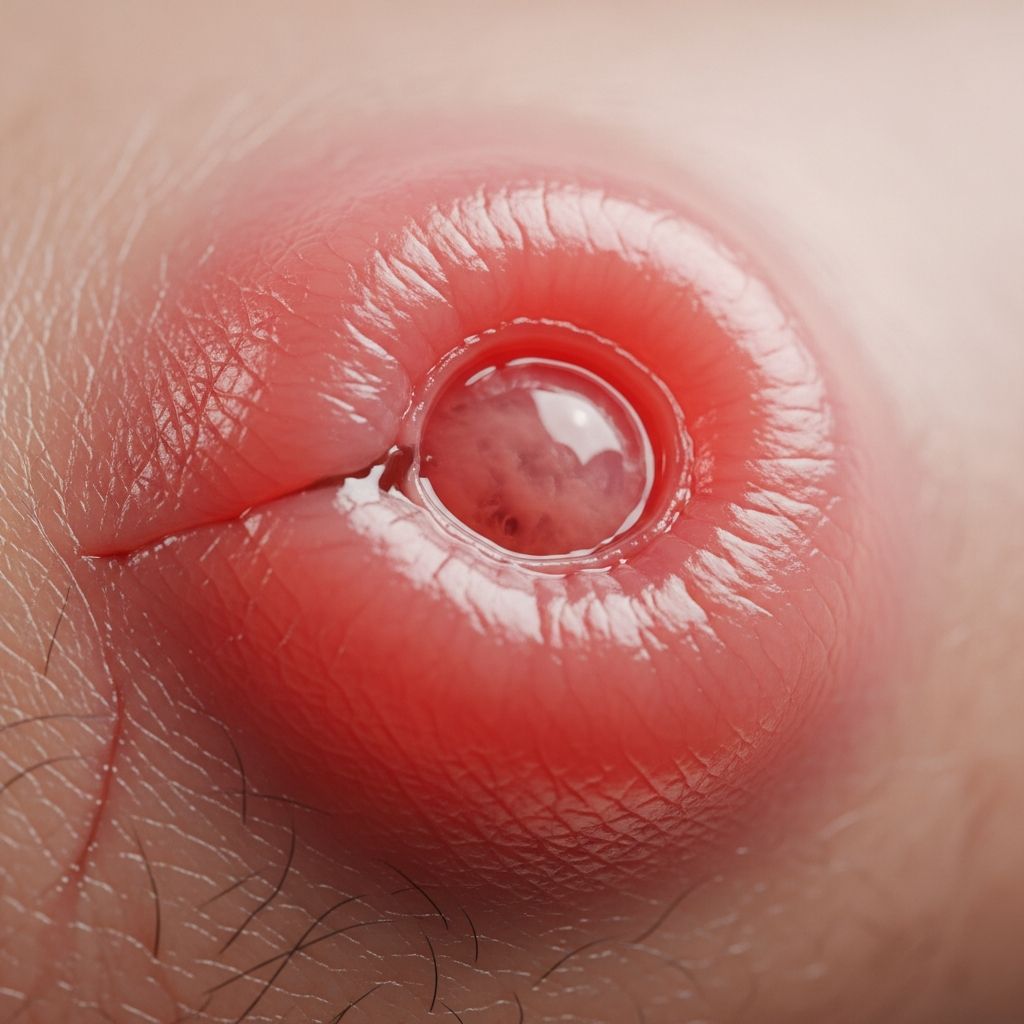
cutaneous abscess
is a localized collection of pus within the dermis and deeper skin tissues. It represents the body’s immune response to a bacterial infection, typically forming a painful, fluctuant lump under the skin. These abscesses commonly arise from Staphylococcus aureus bacteria entering through breaks in the skin, leading to inflammation, tissue necrosis, and pus accumulation.Abscesses can develop anywhere on the body but are most frequent in areas prone to friction, moisture, or minor trauma, such as the axillae, groin, buttocks, and perianal region. While small abscesses may resolve spontaneously, larger ones require medical intervention like incision and drainage (I&D) to prevent complications such as cellulitis or sepsis.
Who gets cutaneous abscesses?
Cutaneous abscesses affect individuals across all ages and demographics, but certain groups face higher risk due to predisposing factors.
- Immunocompromised patients: Those with diabetes mellitus, HIV/AIDS, chronic steroid use, chemotherapy, or organ transplants have weakened defenses against bacterial invasion.
- Skin breaches: Minor injuries, insect bites, folliculitis, or ingrown hairs provide entry points for pathogens.
- Hygiene and lifestyle factors: Poor hygiene, obesity, tight clothing, and close-contact sports (e.g., wrestling) increase susceptibility.
- High-risk populations: Intravenous drug users, prison inmates, and athletes in contact sports due to skin trauma and shared facilities.
- Children and elderly: Young children from diaper friction and elderly with fragile skin are vulnerable.
Staphylococcus aureus, including methicillin-resistant strains (MRSA), is the predominant causative organism, colonizing up to 30% of healthy individuals nasally.
What causes cutaneous abscesses?
The pathogenesis involves bacterial proliferation in a subcutaneous pocket, triggering an acute inflammatory response. Neutrophils migrate to the site, releasing enzymes that liquefy tissue and form pus—a mixture of dead cells, bacteria, and debris.
- Primary bacteria: Staphylococcus aureus (80-90% of cases), coagulase-negative staphylococci, Streptococcus pyogenes.
- Polymicrobial: In perianal or diabetic foot abscesses, involving anaerobes like Bacteroides.
- Rare causes: Gram-negative bacilli in immunocompromised hosts; fungi or mycobacteria uncommonly.
- Predisposing events: Folliculitis evolving to furuncles (single follicle abscess) or carbuncles (multi-follicular).
MRSA prevalence has risen, particularly community-associated strains, necessitating culture-guided therapy.
What are the clinical features of cutaneous abscess?
Abscesses evolve over days, presenting characteristic signs of acute inflammation.
| Stage | Features |
|---|---|
| Early (cellulitis) | Redness, warmth, tenderness, induration without fluctuance. |
| Mature abscess | Fluctuant dome-shaped lump, 0.5-5 cm, central softening, yellow-white head. |
| Advanced | Purulent discharge if ruptured, surrounding erythema, possible lymphangitis. |
Systemic symptoms: Fever, chills, malaise in 20-30% of cases, especially larger or multiple abscesses. Regional lymphadenopathy may occur.
- Site-specific: Axillary (hidradenitis-like), perianal (painful on defecation), scalp (from folliculitis).
- Complications indicators: Rapid growth, size >5 cm, facial location, or immunocompromise warrant urgent evaluation.
How is the diagnosis made?
Related Stories



Diagnosis is primarily clinical, based on history and examination revealing a tender, fluctuant mass.
- Physical exam: Assess fluctuance (wave-like sensation on palpation), skin temperature, overlying skin integrity.
- Microbiological confirmation: Pus swab or aspirate for Gram stain, culture, and sensitivity—essential for recurrent or MRSA-suspected cases.
- Imaging: Ultrasound for deep or unclear extent; MRI/CT for suspected neck/organ involvement.
- Differentials: Cellulitis (diffuse no fluctuance), infected cyst, hidradenitis suppurativa, cat scratch disease.
No routine bloods needed unless systemic sepsis suspected (e.g., CRP, WBC).
What is the treatment of a cutaneous abscess?
Incision and drainage (I&D) is the cornerstone for abscesses >0.5 cm, superior to antibiotics alone.
- Preparation: Local anesthesia (lidocaine 1%), sterile field.
- Incision: Linear over point of maximal fluctuance, cruciate for thick-walled.
- Drainage: Express pus, break loculations with finger or probe.
- Irrigation: Saline flush; packing optional for >2 cm cavities.
- Aftercare: Open healing, daily dressing changes, warm compresses.
Antibiotics: Not routine for uncomplicated I&D; indicated for: surrounding cellulitis, systemic symptoms, MRSA risk, immunocompromise.
| Agent | Indication | Dose (Adult) |
|---|---|---|
| Flucloxacillin | MSSA | 500 mg QID 7 days |
| Clindamycin | MRSA, allergy | 300-450 mg QID |
| Co-amoxiclav | Polymicrobial | 625 mg TDS |
| Trimethoprim-SMX | Community MRSA | 1 DS BID |
Home care for small (<1 cm): Warm compresses 4x/day to promote auto-drainage; avoid squeezing.
Complications
Untreated abscesses risk local and systemic spread.
- Local: Cellulitis (50% risk if undrained), necrotizing fasciitis, osteomyelitis (from adjacent bone).
- Systemic: Bacteremia, sepsis, distant metastases (e.g., endocarditis).
- Scarring: Hypertrophic or keloid post-healing, especially in predisposed skin types.
- Recurrence: 10-20% if underlying factors (e.g., hidradenitis) unaddressed.
Prevention of cutaneous abscesses
Target modifiable risks to reduce incidence.
- Hygiene: Regular handwashing, keep wounds clean/dry, avoid sharing razors/towels.
- Skin care: Moisturize dry skin, treat tinea pedis, proper nail trimming.
- Diabetes control: Glycemic management reduces susceptibility.
- Decolonization: Mupirocin nasal for recurrent MRSA carriers; chlorhexidine washes.
- Vaccination: Against influenza/pneumococcus in at-risk groups to prevent secondary bacteremia.
Further reading and references
Consult dermatology texts like Rook’s Textbook of Dermatology for in-depth management algorithms.
Frequently asked questions (FAQs)
Q: Can I pop a skin abscess at home?
No. Squeezing risks bacterial spread causing cellulitis or sepsis. Apply warm compresses and seek medical drainage.
Q: When should I see a doctor for an abscess?
Immediately if fever, rapid growth, facial/perianal location, diabetes, or >2 weeks duration. Routine for >1 cm fluctuant lumps.
Q: Do all abscesses need antibiotics?
No. I&D suffices for uncomplicated cases; add antibiotics for cellulitis, systemic signs, or high-risk patients.
Q: What is MRSA and how is it treated?
Methicillin-resistant S. aureus, treated with clindamycin, vancomycin (IV severe), or trimethoprim-SMX. Culture confirms.
Q: How long does healing take post-I&D?
Wound epithelializes in 7-14 days; full strength 4-6 weeks. Scar fades over months.
References
- Skin abscess — MedlinePlus Medical Encyclopedia. U.S. National Library of Medicine. 2023-10-15. https://medlineplus.gov/ency/article/000863.htm
- Skin Abscess: Causes, Diagnosis, and Treatment — Healthline. Healthline Media. 2024-05-22. https://www.healthline.com/health/skin-abscess
- Abscess: Types, Symptoms, Causes & Treatment — Cleveland Clinic. Cleveland Clinic. 2024-01-10. https://my.clevelandclinic.org/health/diseases/22876-abscess
- Skin Abscesses — Nemours KidsHealth. Nemours Foundation. 2023-11-01. https://kidshealth.org/en/parents/abscess.html
- Skin abscess — NHS. UK National Health Service. 2024-02-14. https://www.nhs.uk/conditions/skin-abscess/
- Abscess – Types, Symptoms, Causes & Treatment — MedPark Hospital. MedPark Hospital. 2023-09-20. https://www.medparkhospital.com/en-US/disease-and-treatment/abscess
Similar Articles








Read full bio of Sneha Tete