Alcohol And Skin: A Comprehensive Guide To Cutaneous Effects
Understanding how alcohol damages skin health through dehydration, inflammation, and systemic effects.
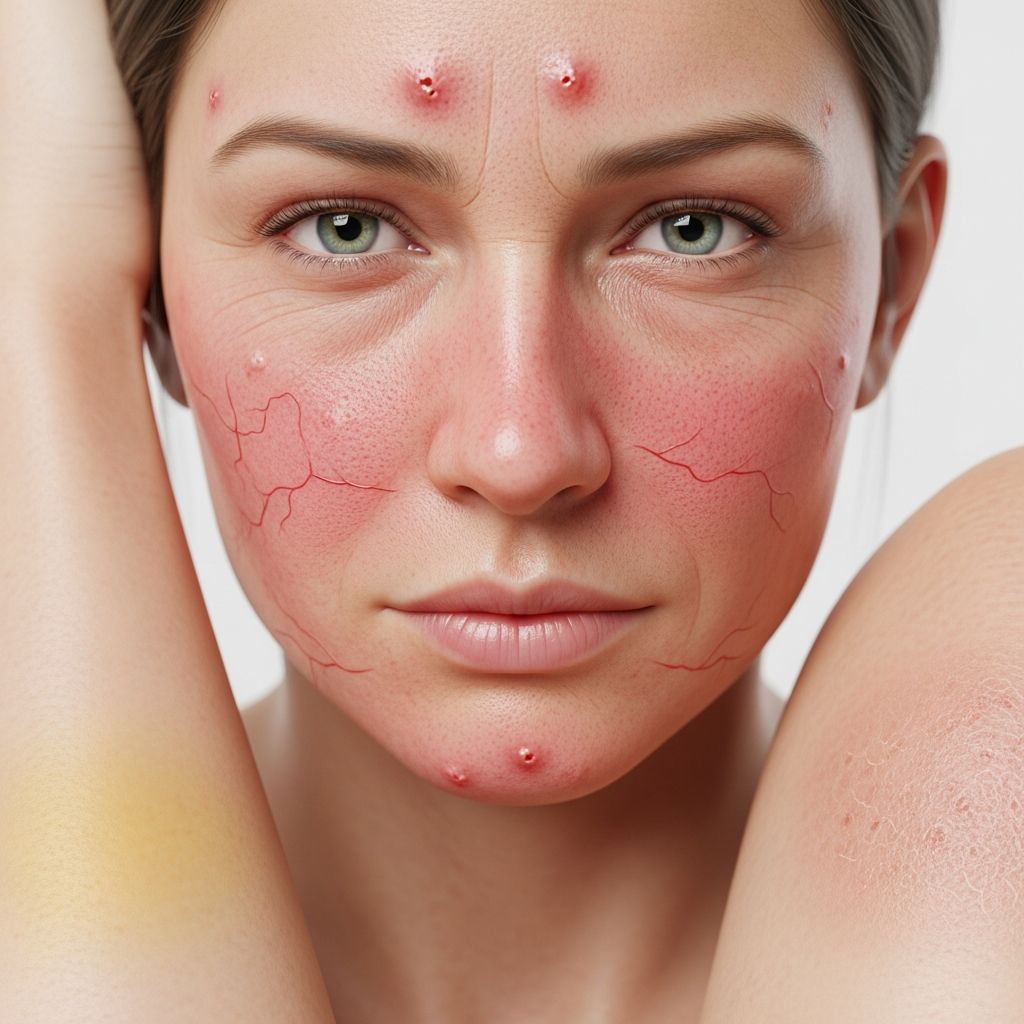
Cutaneous Adverse Effects of Alcohol
Alcohol consumption can have significant and varied effects on skin health, ranging from temporary cosmetic concerns to serious dermatological conditions. Research demonstrates that extensive alcohol use affects the skin through multiple mechanisms, including dehydration, inflammation, and systemic metabolic changes. Understanding these effects is important for individuals who consume alcohol regularly and for dermatologists managing alcohol-related skin conditions.
Mechanisms of Alcohol-Induced Skin Damage
Dehydration and Toxicity: Alcohol has two primary mechanisms through which it damages skin health. First, alcohol acts as a diuretic, meaning it strips moisture from the body by increasing urinary water loss. The body prioritizes maintaining hydration in vital organs, so it draws moisture from the outer protective layers of the skin first, leading to significant dryness and dehydration. Additionally, when the body metabolizes alcohol, it creates a toxic byproduct called acetaldehyde that is itself drying and harmful to skin cells.
Inflammation: The second major mechanism involves inflammation. Alcohol stimulates the production of inflammatory cytokines in skin cells and promotes the proliferation of immune cells that exacerbate inflammatory conditions. When skin feels warm and appears red during or after drinking, this is a direct result of alcohol-induced inflammation. This inflammatory response can trigger or worsen a variety of skin health concerns and chronic dermatological conditions.
Short-Term Cutaneous Effects
The immediate effects of alcohol consumption on the skin typically manifest within hours of drinking and may persist for several days, depending on the amount consumed and individual factors.
Facial Flushing: One of the most visible short-term effects is facial flushing or persistent facial redness. Alcohol causes small blood vessels to dilate, bringing more blood closer to the skin surface. Acetaldehyde, the toxic metabolite of alcohol, stimulates the release of histamines, which further promote blood vessel dilation. This response is particularly pronounced when consuming beer and wine, which contain higher levels of histamines. Over time, repeated vasodilation can cause capillaries to become permanently stretched, leading to persistent redness that may last for days even after alcohol consumption ceases.
Dark Circles and Periorbital Edema: Dark circles under the eyes are among the most common skin issues associated with alcohol consumption. These develop through a combination of mechanisms: dehydration reduces skin plumpness, inflammation causes discoloration, and alcohol impairs sleep quality, which itself contributes to dark circles. Additionally, alcohol-induced dehydration can lead to puffiness or bloating around the eyes as the body attempts to compensate by retaining fluid.
Dull and Dry Appearance: Immediately after alcohol consumption, the skin may appear sunken, dull, and dry due to dehydration. The loss of moisture compromises the skin’s natural radiance and can make fine lines and texture irregularities more apparent.
Vascular Manifestations of Chronic Alcohol Use
Extensive alcohol consumption can cause permanent vascular changes in the skin. Chronic alcohol abuse leads to vasodilatation of blood vessels, resulting in several characteristic skin findings.
Spider Telangiectasias: One of the hallmark vascular changes is the development of spider telangiectasias—visible dilated blood vessels that appear as small, branching red lines. These typically appear on the face, the V-shaped area of the neck, upper chest, and arms. Spider telangiectasias represent permanent structural changes to blood vessels and serve as visible indicators of chronic alcohol abuse.
Related Stories



Palmar Erythema: Another significant vascular finding is palmar erythema, commonly known as “liver palms,” in which the palms of the hands become persistently red and warm. This condition often indicates underlying liver damage from chronic alcohol consumption and reflects both vascular changes and hepatic dysfunction.
Long-Term Cutaneous Effects and Chronic Manifestations
Chronic alcohol consumption leads to persistent and often progressive skin changes through multiple pathways.
Accelerated Skin Aging: The combination of slower skin cell turnover, persistent dehydration, and chronic inflammation creates conditions ideal for accelerated skin aging. Regular alcohol users often experience premature fine lines, wrinkles, and loss of skin elasticity. The reduced rate of skin cell renewal means that damaged cells persist longer on the surface, contributing to a tired, aged appearance.
Immune Suppression and Infection Risk: Chronic alcohol consumption significantly weakens the immune system, reducing the body’s ability to fight bacterial and fungal infections. This immune suppression makes heavy drinkers more susceptible to various skin infections. Additionally, alcohol decreases the body’s ability to absorb essential nutrients, further compromising immune function and skin health.
Photosensitivity: Individuals with pre-existing skin sensitivity to sun exposure may experience increased photosensitivity with alcohol use. Alcohol can amplify the skin’s reaction to UV radiation, leading to increased burning, itching, redness, and potentially greater risk of sun damage.
Slower Cell Turnover: In addition to dehydration and inflammation, alcohol slows the body’s natural regenerative processes, including skin cell turnover. This reduced cellular renewal leaves skin looking dull and prevents the natural healing of damaged skin cells. The combination of slower turnover and impaired sleep quality, both alcohol-related effects, accelerates the visible signs of aging.
Exacerbation of Pre-Existing Skin Diseases
One of the most significant concerns with alcohol consumption is its ability to trigger flare-ups and worsen existing chronic skin conditions. Research indicates that 91% of individuals with alcohol use disorder exhibited cutaneous manifestations.
Psoriasis: Alcohol abuse is a recognized risk factor for increased severity of psoriasis in both men and women. While alcohol does not cause the onset of psoriasis in individuals without the condition, it directly correlates with the extent of skin involvement. Heavy drinkers with psoriasis are often more resistant to standard therapies and tend to develop treatment-resistant psoriasis. Additionally, plaques in alcohol-abusing patients often distribute more extensively on acral areas (hands and feet). The liver damage frequently associated with chronic alcohol use can further complicate treatment, as some psoriasis medications are contraindicated in patients with liver disease.
Rosacea: Rosacea is significantly exacerbated by alcohol consumption due to alcohol-induced vasodilatation and the resulting increase in skin temperature. The flushing and persistent redness characteristic of alcohol consumption can trigger and worsen rosacea symptoms, making management of this condition particularly challenging in regular drinkers.
Seborrheic Dermatitis: Research shows that seborrheic dermatitis is twice as common in individuals who abuse alcohol compared to the general population. The inflammation and sebum dysregulation induced by alcohol create an ideal environment for this condition to develop or worsen.
Acne, Eczema, and Dandruff: Alcohol-induced dehydration and inflammation can trigger flare-ups in acne, eczema, and dandruff. The inflammatory response caused by alcohol consumption directly exacerbates these conditions, making them more difficult to manage.
Alcohol-Related Systemic Conditions with Cutaneous Manifestations
Liver Disease and Hepatic Stigmata: Chronic alcohol consumption frequently leads to liver disease, including cirrhosis. Liver damage manifests in the skin through several distinctive signs: itching (pruritus), yellowing of the skin and sclera (jaundice), and formation of blood vessels including spider angiomas. Common rashes, dilated arterioles (spider veins), and angiomas on the skin may serve as visible indicators of moderate to advanced liver damage from alcohol consumption.
Porphyria Cutanea Tarda (PCT): Porphyria Cutanea Tarda is a rare genetic disorder strongly associated with alcohol consumption and is often the most common cause of PCT in clinical practice. PCT is frequently associated with chronic liver disease. When individuals with PCT are exposed to sunlight, they develop painful, recurrent blisters on exposed areas such as the face, hands, and arms. These blisters can lead to skin thickening, permanent scarring, and increased hair growth. This condition represents one of the most serious cutaneous consequences of chronic alcohol abuse.
Increased Skin Cancer Risk: Excessive alcohol consumption increases the risk of developing skin cancer through multiple mechanisms. First, alcohol suppresses immune function, reducing the body’s ability to defend against malignant transformation when exposed to UV radiation. Second, acetaldehyde, the metabolic byproduct of alcohol, is classified as a carcinogen and may directly increase cancer risk. When heavy drinkers are exposed to UV rays, the combination of immune suppression and carcinogenic metabolites results in greater DNA damage and higher malignant potential.
Dermatological Manifestations Frequency in Alcohol Use Disorder
A comprehensive study of individuals with alcohol use disorder revealed the prevalence of various cutaneous manifestations:
- Overall cutaneous, nail, hair, or oral changes: 91% of patients examined
- Oral cavity changes: 53.5% (most common manifestation)
- Nutritional deficiency-related changes: 10%
- Nail changes: 25.5%, with nail spooning (koilonychias) being most common at 16%
- Tinea versicolor: 14%
- Seborrheic dermatitis: 11.5%
Surgical and Wound Healing Complications
Beyond direct cutaneous effects, chronic alcohol abuse significantly impacts surgical outcomes and wound healing. Patients with alcohol use disorder demonstrate higher rates of wound infections, bleeding complications (bleeding diathesis), and hypertensive episodes during surgical procedures. These complications reflect the systemic effects of chronic alcohol consumption on immune function, coagulation, and vascular stability.
Frequently Asked Questions
Q: How quickly does alcohol affect skin appearance?
A: Alcohol can cause visible skin changes within hours of consumption. Flushing, puffiness, and dryness typically appear during or shortly after drinking, while dark circles and dull appearance may be most noticeable the morning after alcohol consumption due to dehydration and poor sleep quality.
Q: Can skin damage from alcohol be reversed?
A: Some short-term effects like puffiness and dryness can improve with hydration and time. However, permanent vascular changes like spider telangiectasias and advanced skin aging are difficult to reverse and require dermatological treatment. The best approach is preventing further damage through reduced alcohol consumption.
Q: Is moderate alcohol consumption safe for skin?
A: While occasional moderate consumption may not cause permanent damage, even moderate alcohol use can trigger temporary effects like dehydration and inflammation. Individuals with existing skin conditions like rosacea or psoriasis should be particularly cautious, as alcohol can exacerbate these conditions even at lower consumption levels.
Q: Why does alcohol cause facial redness?
A: Alcohol metabolite acetaldehyde stimulates the release of histamines, which cause blood vessels to dilate and bring more blood to the skin surface. This vasodilation creates the flushed, red appearance. Over time, repeated dilation can cause permanent capillary damage.
Q: How does alcohol worsen psoriasis and other skin conditions?
A: Alcohol triggers inflammatory responses in the skin by stimulating inflammatory cytokines and immune cell proliferation. This inflammation exacerbates existing conditions like psoriasis, rosacea, and eczema, and can make these conditions more resistant to standard treatment options.
Q: What is the connection between alcohol and Porphyria Cutanea Tarda?
A: Alcohol consumption is the most common cause of Porphyria Cutanea Tarda, often in association with chronic liver disease. This rare genetic condition causes painful blisters on sun-exposed skin in individuals who drink heavily. The blisters can lead to permanent scarring and thickened skin.
References
- Effects of Alcohol on Skin — US Dermatology Partners. 2024. https://www.usdermatologypartners.com/blog/effects-of-alcohol-on-skin/
- Alcohol Abuse and the Skin — International Association of Cosmetic Dermatology. 2024. https://iacdworld.org/alcohol-abuse-and-the-skin/
- Alcohol and Its Deleterious Effects on the Skin — Skin Wellness Florida. 2024. https://www.skinwellnessflorida.com/blog/alcohol-and-its-deleterious-effects-on-the-skin/
- Alcohol’s Side Effects on Skin Health — Forefront Dermatology. 2024. https://forefrontdermatology.com/alcohols-side-effects-skin-health/
- Advances in Relationship Between Alcohol Consumption and Skin Diseases — National Institutes of Health, PubMed Central. 2024. https://pmc.ncbi.nlm.nih.gov/articles/PMC10759914/
- How Alcohol Affects The Skin — Art of Dermatology. 2024. https://artofdermatology.com/how-alcohol-affects-the-skin/
- Dermatologic Conditions Associated With Drug Addiction — WoundSource. 2024. https://www.woundsource.com/blog/addiction-dermatology-common-drug-induced-skin-disorders-and-substances-cause-them
Similar Articles








Read full bio of Sneha Tete