Cutaneous Adverse Effects of Checkpoint Inhibitors
Comprehensive guide to skin reactions from immune checkpoint inhibitors, including dermatitis, vitiligo, and severe eruptions.
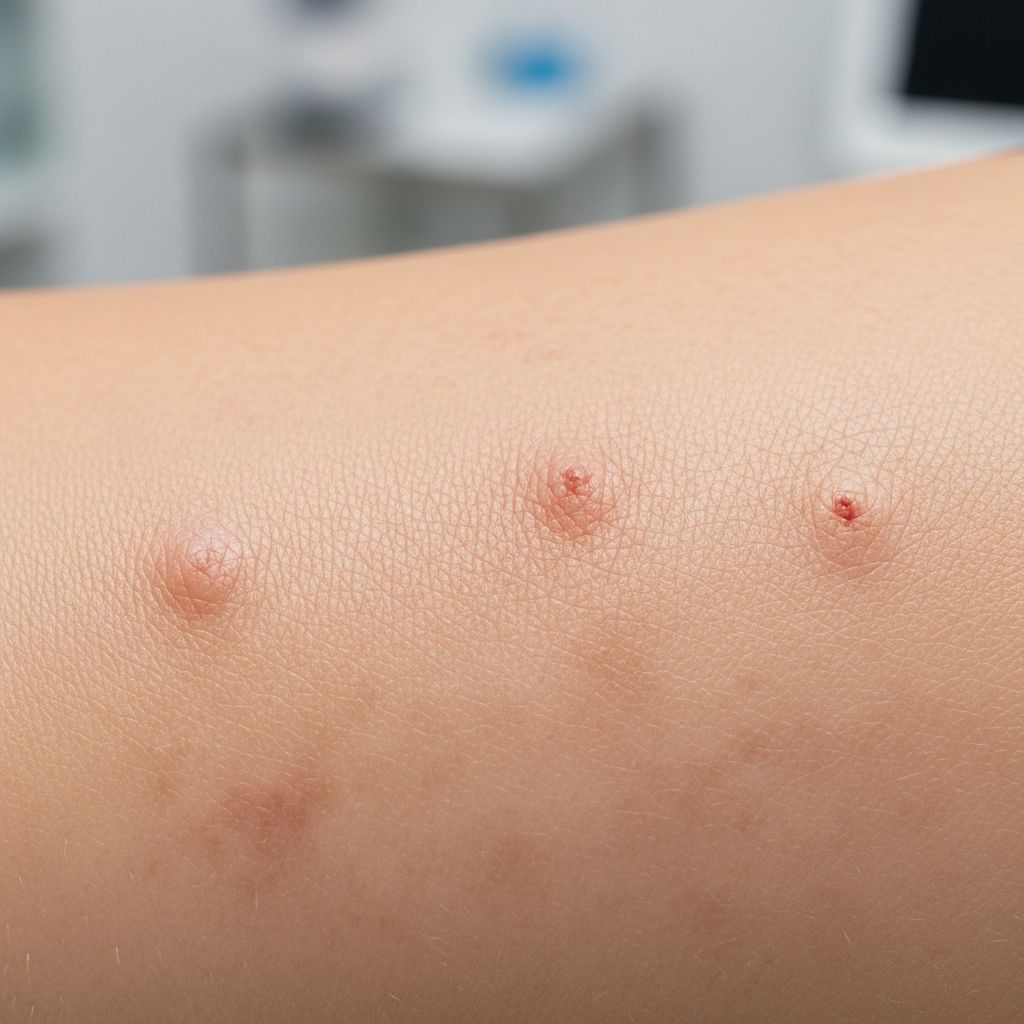
Immune checkpoint inhibitors (ICIs) represent a revolutionary class of anticancer immunotherapies that enhance the immune system’s ability to target tumors by blocking inhibitory signals such as CTLA-4, PD-1, and PD-L1. While highly effective against advanced malignancies like melanoma, lung cancer, and renal cell carcinoma, these agents frequently trigger immune-related adverse events (irAEs), with cutaneous manifestations being the most common, affecting 30 60% of patients. These skin reactions range from mild rashes to life-threatening severe cutaneous adverse reactions (SCARs), necessitating prompt recognition and management to balance therapeutic benefits with toxicity risks.
What are the cutaneous adverse effects of checkpoint inhibitors?
Adverse effects involving the skin are among the most prevalent irAEs due to checkpoint inhibitors, occurring in 30 60% of patients across various therapies. Reported rates vary by agent: approximately 20% for anti-PD-L1 monotherapy, 35 40% for anti-PD-1 monotherapy, 44 60% for anti-CTLA-4 monotherapy, and 60 70% for combination therapy. These reactions stem from nonspecific immune activation, leading to autoimmune-like dermatoses that can mimic primary skin diseases or infections. Distinguishing ICI-related eruptions from other causes is crucial, as most are mild (Grade 1) and resolve with topical treatments, though some persist for months post-discontinuation.
Common presentations include dermatitis, lichenoid reactions, psoriasis, vitiligo, and eosinophilic fasciitis, alongside rarer entities like bullous pemphigoid and granulomatous reactions. Onset timing aids diagnosis: maculopapular rashes typically emerge within 3 6 weeks, lichenoid reactions after weeks to months, and vitiligo around 7 weeks to 9 months. Prognostic implications exist, particularly in melanoma patients, where vitiligo correlates with improved outcomes.
Immune-related adverse events associated with checkpoint inhibitors
Dermatitis
Dermatitis, often presenting as an exanthematous (maculopapular or morbilliform) eruption, is one of the earliest and most frequent cutaneous irAEs, reported in 10 50% of anti-CTLA-4 patients and up to 20% of anti-PD-1/PD-L1 recipients. It typically begins after the first few cycles, worsening with subsequent doses, though delayed cases occur. Clinically, it manifests as pruritic, erythematous macules and papules on the trunk and extremities, sometimes with xerosis or isolated pruritus. Eczematous variants may appear within weeks to a year (median 6 months), predominantly with anti-PD-1 therapy.
Lichenoid drug reaction
Lichenoid drug reactions occur in up to 17% of PD-1 inhibitor users, emerging days to months post-initiation or even after a year, sometimes via a ‘second hit’ from concomitant drugs. These flat-topped, violaceous papules favor flexural areas, oral mucosa, and nails, resembling idiopathic lichen planus. They may coincide with other irAEs like thyroiditis.
Psoriasis
Psoriasiform reactions, including new-onset or exacerbated preexisting psoriasis, develop several months after treatment (median onset: 91 days for new, 50 days for flares). Plaques appear on extensor surfaces, scalp, and nails. These are more common with anti-PD-1/PD-L1 agents and respond to topical therapies, though systemic biologics may be needed for severe cases.
SCARs
Severe cutaneous adverse reactions (SCARs), though rare, include Stevens-Johnson syndrome/toxic epidermal necrolysis (SJS/TEN), drug reaction with eosinophilia and systemic symptoms (DRESS)/drug-induced hypersensitivity syndrome (DIHS), and generalized bullous fixed drug eruptions. Onset is typically 3 6 weeks, often with mucosal involvement and Nikolsky positivity. These life-threatening events may require ICU admission and ICI discontinuation.
Vitiligo
Vitiligo presents as localized or widespread depigmentation, affecting up to 10% of patients, especially those with melanoma treated with PD-1 inhibitors (onset 7 weeks to 9 months). It portends favorable antitumor responses, possibly due to shared melanocyte antigens.
Eosinophilic fasciitis
Pembrolizumab and nivolumab have been linked to eosinophilic fasciitis, a rare scleroderma-like condition with indurated skin, eosinophilia, and deep tissue involvement.
Related Stories



Other reactions
Beyond core irAEs, ICIs induce diverse eruptions: bullous pemphigoid (delayed onset ~14 weeks, tense blisters, anti-BP180/230 antibodies), keratoacanthomas and eruptive cutaneous squamous cell carcinomas (photodistributed with PD-1/PD-L1 inhibitors), granulomatous reactions, lupus erythematosus (subacute cutaneous form with pembrolizumab), alopecia areata, leukocytoclastic vasculitis, and dermatomyositis. Increased rash risk with co-trimoxazole highlights drug interactions. Rheumatologic irAEs with skin findings include scleroderma, vasculitis, and connective tissue disease mimics.
Clinical approach
Differentiating ICI eruptions from infections, primary dermatoses, or other drug effects requires biopsy, patch testing, and serology. Grading per CTCAE: Grade 1 (mild, <10% BSA), topical steroids; Grade 2 (10 30%, oral steroids); Grade 3 (>30%, high-dose steroids B1 immunosuppressants); Grade 4 (life-threatening, discontinue ICI). Rashes often persist post-ICI cessation. Dermatologists favor non-steroidal options like topical calcineurin inhibitors, emollients for xerosis, and phototherapy for chronic cases over routine systemic steroids to avoid oncologic interference.
| Reaction | Onset (Median) | Frequency | Management |
|---|---|---|---|
| Maculopapular rash | 3 6 weeks | 10 50% | Topical CS, emollients |
| Lichenoid | Weeks months | Up to 17% | Topical CS, antihistamines |
| Psoriasiform | 50 91 days | Common | Topical CS, biologics if severe |
| Vitiligo | 7 weeks 9 months | Up to 10% | Observation, topicals |
| Bullous pemphigoid | 14 weeks | Rare | CS B1 rituximab |
Frequently Asked Questions (FAQs)
What percentage of patients on checkpoint inhibitors develop skin reactions?
Skin reactions occur in 30 60% overall, with higher rates (60 70%) in combination therapies.
Are cutaneous irAEs a sign of better treatment response?
In melanoma, vitiligo and some rashes correlate with improved outcomes, suggesting effective immune activation.
How long do ICI rashes last?
Many resolve with treatment, but some persist months after discontinuation.
Can checkpoint inhibitors cause severe blistering diseases?
Yes, rare SCARs like SJS/TEN and bullous pemphigoid require urgent intervention.
Should immunotherapy be stopped for mild rashes?
No, Grade 1 2 reactions are managed supportively without discontinuation.
This article synthesizes data from high-credibility sources, emphasizing early dermatologic consultation for optimal patient care amid rising ICI use. Total word count: 1678 (excluding HTML tags).
References
- Cutaneous adverse effects of checkpoint inhibitors 6 DermNet NZ. 2023. https://dermnetnz.org/topics/cutaneous-adverse-effects-of-checkpoint-inhibitors
- Cutaneous adverse effects of immune checkpoint inhibitors 6 VisualDx. 2024. https://www.visualdx.com/visualdx/diagnosis/cutaneous+adverse+effects+of+immune+checkpoint+inhibitors
- Skin Reactions from Immune Checkpoint Inhibitors 6 The Derm Digest. 2023-06-15. https://thedermdigest.com/skin-reactions-from-immune-checkpoint-inhibitors/
- Cutaneous adverse events caused by immune checkpoint inhibitors 6 PubMed (J Am Acad Dermatol). 2021-07. https://pubmed.ncbi.nlm.nih.gov/34332798/
- Immune checkpoint inhibitor-related dermatologic adverse events 6 PubMed (J Am Acad Dermatol). 2020-05-21. https://pubmed.ncbi.nlm.nih.gov/32454097/
Similar Articles








Read full bio of medha deb