Cutaneous Adverse Reactions to Calcineurin Inhibitors
Comprehensive guide to skin reactions from topical and systemic calcineurin inhibitors used in eczema and immunosuppression.
What are calcineurin inhibitors?
Calcineurin inhibitors (CNIs) are immunosuppressant medications that block the enzyme calcineurin, preventing T-cell activation and reducing inflammation. Topical forms, such as
tacrolimus
(Protopic) andpimecrolimus
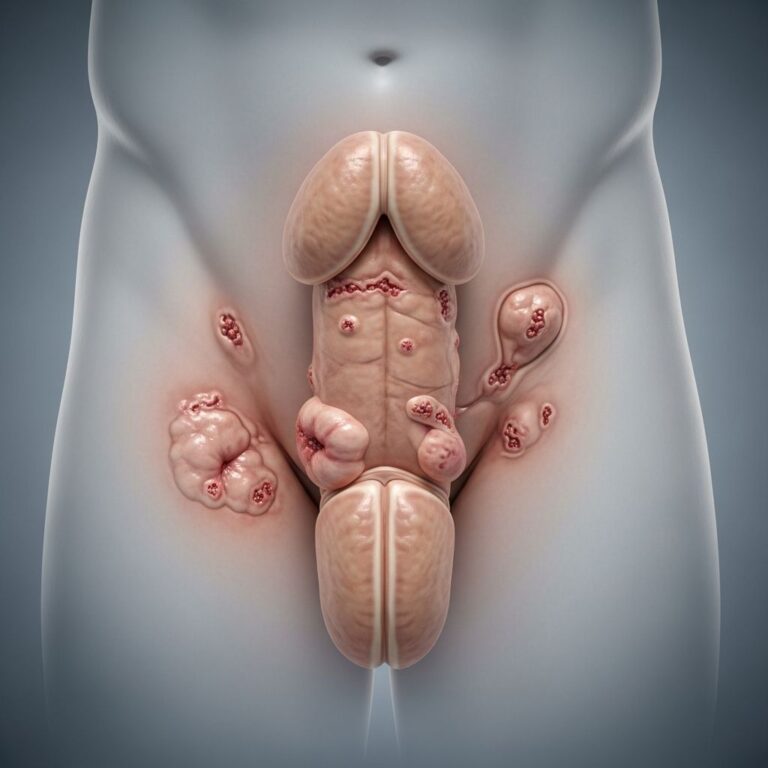
(Elidel), are approved for moderate to severe atopic dermatitis, particularly in sensitive areas like the face and genitals where steroids risk atrophy. Systemic CNIs, including oral cyclosporine, tacrolimus, and voclosporin, treat autoimmune conditions, psoriasis, and prevent transplant rejection.These drugs target immune overactivity in eczema by dampening T-cell responses to irritants and allergens, alleviating itch and inflammation without steroid-related thinning.
Who gets cutaneous adverse reactions?
Patients with atopic dermatitis, psoriasis, or on systemic immunosuppression for transplants are most affected. Topical CNIs suit children over 2 years and adults for short- or long-term use on delicate skin. Systemic users, especially transplant recipients, face higher risks due to potent dosing.
Reactions occur in 50% of topical users initially, more with tacrolimus than pimecrolimus, and vary by skin barrier impairment in eczema patients.
Clinical features
Immediate local reactions
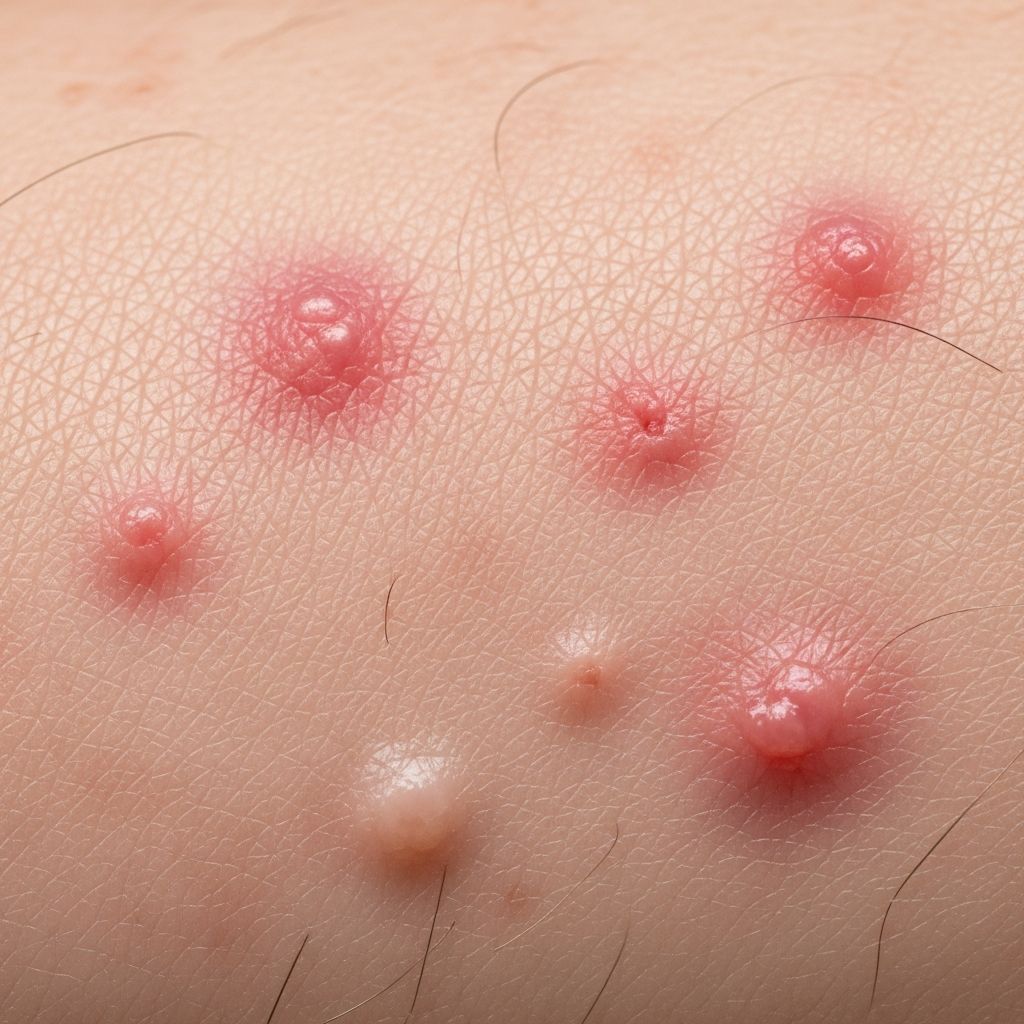
The hallmark of topical CNIs is transient
burning, stinging, or itching
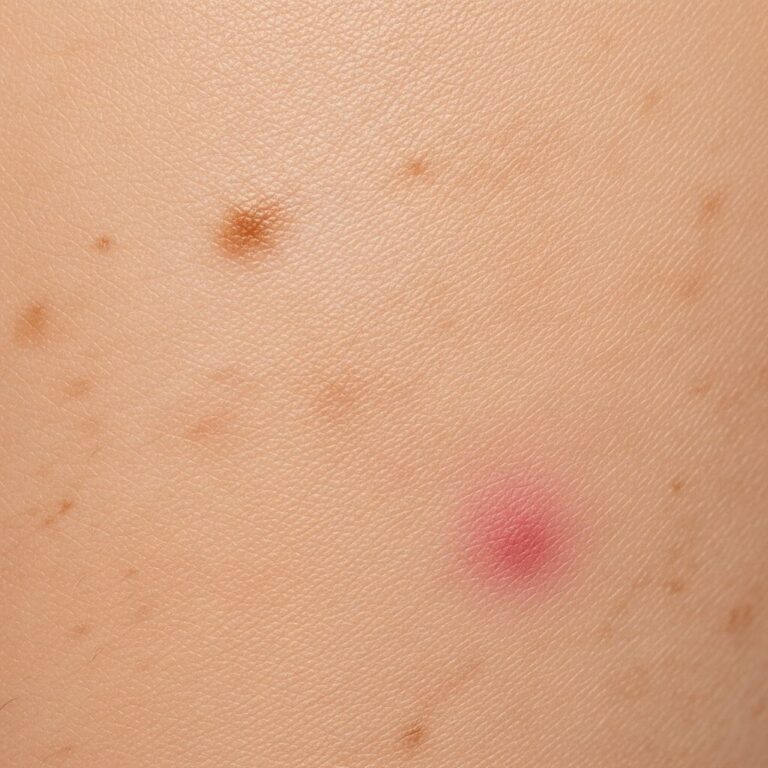
upon application, affecting 18-50% of users, peaking in the first 15-20 minutes and fading within a week. Tacrolimus causes more intense sensations than pimecrolimus; these are not allergies but direct nerve irritation.Other local reactions
- **Allergic contact dermatitis**: Rare hypersensitivity with erythema and vesicles.
- **Folliculitis**: Inflamed hair follicles, occasionally infected.
- **Rosacea-like dermatitis and acne**: Facial flushing, papules on cheeks.
- **Eczematous reactions**: Exacerbated dryness or flares mimicking disease.
These resolve with discontinuation and differ from steroid atrophy.
Infections
Immunosuppression increases susceptibility:
- **Viral**: Molluscum contagiosum, herpes simplex (cold sores), warts, eczema herpeticum.
- **Bacterial**: Impetigo, folliculitis.
- **Fungal**: Tinea incognito (masked ringworm), candidiasis.
Avoid TCIs on infected skin; combine with antibiotics if needed.
Systemic CNI skin effects
- **Hypertrichosis**: Excessive hair growth.
- **Alopecia**: Hair loss.
- **Pruritus, acne, flushing**.
- **Gingival hyperplasia**: Gum overgrowth.
Higher neoplasm risk in long-term users.
Rare neoplasms
Early FDA warnings linked TCIs to lymphoma and skin cancer, but long-term studies show no increased risk beyond eczema baseline. Systemic CNIs elevate cutaneous squamous cell carcinoma odds in transplants.
Pathophysiology
Local irritation stems from TRPV1 receptor activation causing warmth and pain. Infections arise from reduced skin immunity. Neoplasms may relate to chronic immunosuppression, not direct carcinogenesis. Unlike steroids, no vascular or thinning effects.
Diagnosis via patch testing
Suspected allergy warrants patch testing with intact vehicles; positive reactions are scarce. Differentiate irritation (immediate, transient) from allergy (delayed, persistent). Biopsy if neoplasm suspected.
Differential diagnosis
| Condition | Key Features | Distinguishing from CNI Reaction |
|---|---|---|
| Topical Steroid Withdrawal | Rebound erythema, burning | History of steroids; no infection/neoplasm |
| Contact Dermatitis | Geometric pattern | Patch test positive to allergen |
| Infected Eczema | Pustules, crusting | Culture confirms pathogen |
| Psoriasis/Seborrhoeic Dermatitis | Scales, specific sites | Clinical morphology |
Treatment and prevention
- Apply to cool, dry skin; use emollients first.
- Start evenings; dose intermittently post-flare.
- Discontinue if severe irritation; switch agents.
- Treat infections promptly; avoid occlusives.
For systemic, monitor skin exams.
Related Stories



Investigations
Skin swabs for infection, biopsy for persistent lesions or cancer suspicion.
Possible complications
Bacterial superinfection, scarring from herpeticum, rare malignancies.
Prevention
Educate on transient burning; proactive twice-weekly use; sun protection.
Prognosis and follow-up
Reactions self-limit; long-term safety confirmed in trials up to 4 years. Monitor high-risk patients biannually.
Frequently Asked Questions
Do calcineurin inhibitors thin the skin?
No, unlike steroids, TCIs avoid atrophy, telangiectasia, or striae.
Are burning sensations dangerous?
No, transient in 15-20 min, resolve in days; not allergy.
Can I use TCIs on infected skin?
No, treat infection first; risk dissemination.
Do TCIs cause cancer?
No evidence for topicals; theoretical for systemic long-term.
Who should avoid CNIs?
Immunodeficient, active skin cancer, pregnant (Category C).
References
- What Are Calcineurin Inhibitors? Types and Purpose — Healthline. 2023-10-15. https://www.healthline.com/health/what-are-calcineurin-inhibitors
- A Scientific Review of Calcineurin Inhibitors in Dermatology — Oreate AI. 2024-05-20. https://www.oreateai.com/blog/a-scientific-review-of-calcineurin-inhibitors-in-dermatology-a-comprehensive-assessment-from-mechanism-to-clinical-practice/b34fa7fbadade02bbf378e03058ce63a
- Topical Calcineurin Inhibitors (TCIs) — National Eczema Society. 2023-08-10. https://eczema.org/information-and-advice/treatments-for-eczema/topical-calcineurin-inhibitors/
- Safety and Efficacy of Topical Calcineurin Inhibitors in the Treatment of Facial and Genital Psoriasis — PMC (PubMed Central). 2023-03-01. https://pmc.ncbi.nlm.nih.gov/articles/PMC10026016/
- Calcineurin Inhibitors Patient Information Leaflet — Skin Health Info. 2020-09-01. https://www.skinhealthinfo.org.uk/wp-content/uploads/2018/10/Calcineurin-Inhibitors-PIL-Sept-2020.pdf
- Calcineurin Inhibitors – StatPearls — NCBI Bookshelf. 2023-12-05. https://www.ncbi.nlm.nih.gov/books/NBK558995/
Similar Articles








Read full bio of medha deb