Cutaneous Endometriosis: Symptoms, Diagnosis, and Treatment
Comprehensive guide to cutaneous endometriosis: understanding skin lesions, diagnosis methods, and effective treatment options.
Cutaneous Endometriosis
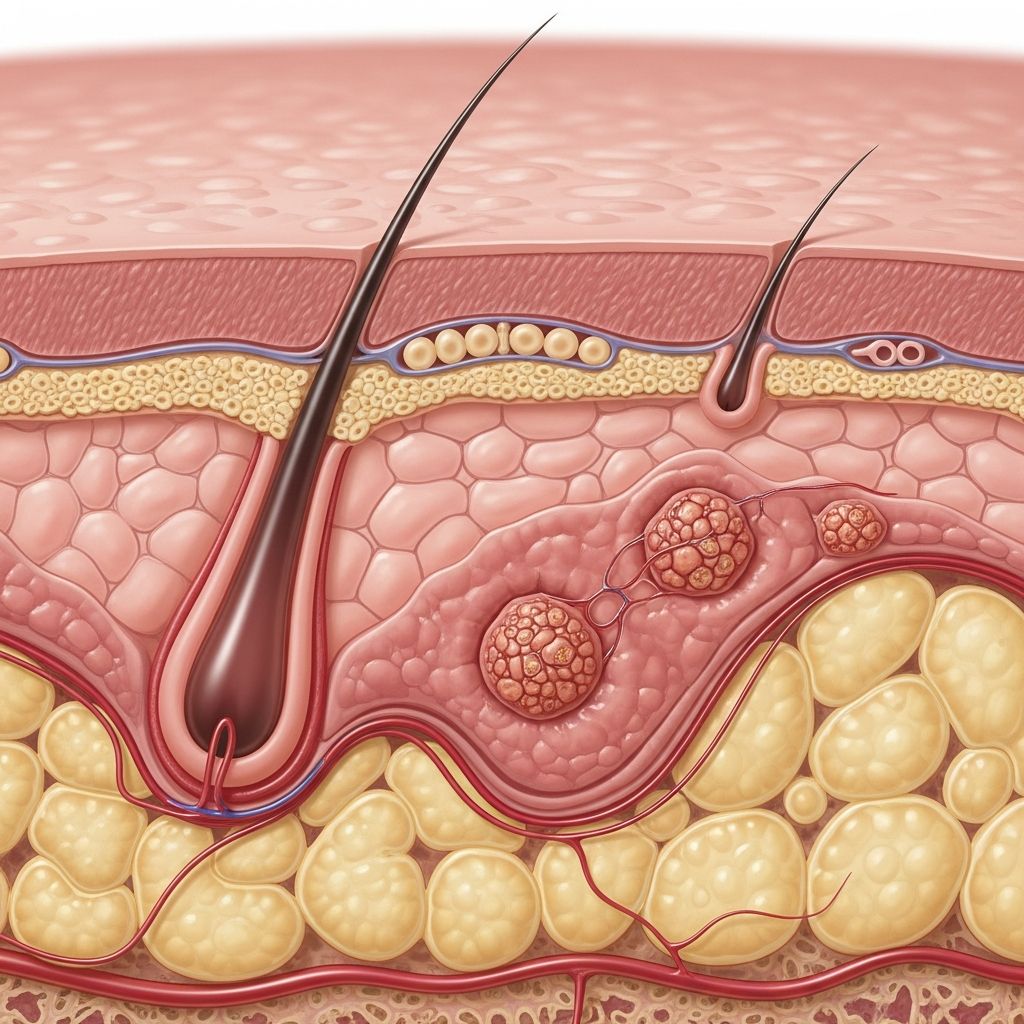
Cutaneous endometriosis is a rare form of endometriosis where endometrial tissue—tissue similar to that which lines the uterus—develops and manifests on the skin. This condition represents less than 1% of all endometriosis cases and can occur on or beneath the skin surface. The presence of endometrial tissue on the skin can lead to the formation of lesions, nodules, and various dermatological symptoms that often fluctuate with the menstrual cycle. Understanding this condition is essential for both patients and healthcare providers, as its rarity often leads to delayed or misdiagnosis.
Definition and Classification
Cutaneous endometriosis is categorized into two distinct types based on its etiology and presentation. Primary cutaneous endometriosis refers to endometrial tissue that develops spontaneously on the skin without any preceding history of abdominal or pelvic surgery. In contrast, secondary cutaneous endometriosis, also known as scar endometriosis, occurs following abdominal or pelvic surgical procedures and is the more common presentation. Secondary endometriosis typically develops when endometrial cells are inadvertently transplanted to the skin during surgical manipulation, where they subsequently establish themselves and grow in response to hormonal fluctuations.
Common Sites and Locations
Cutaneous endometriosis exhibits distinct anatomical predilections. The most frequently affected sites include:
- Abdominal wall
- Umbilicus (belly button)
- Vulva
- Extremities (arms and legs)
The abdominal wall remains the most common location for cutaneous endometriosis, particularly in patients with a history of cesarean section or other abdominal surgical procedures. Umbilical endometriosis, sometimes referred to as umbilical endometrioma, represents a distinct clinical presentation that may warrant specific diagnostic and treatment considerations.
Etiology and Pathogenesis
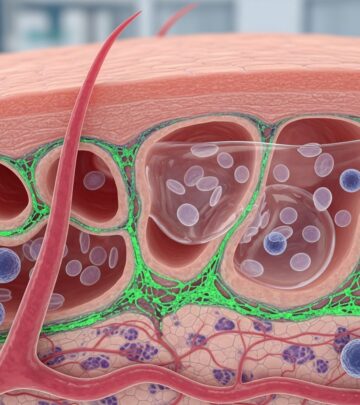
Two primary theories explain the development of cutaneous endometriosis. The first theory proposes that endometrial cells are directly transplanted to the skin during surgical procedures, particularly during cesarean sections or gynecological operations. These cells, once in contact with the dermis or subcutaneous tissue, can proliferate and establish themselves in response to hormonal influences, particularly estrogen.
The second theory suggests that cutaneous lesions may result from metaplasia or tissue transformation, where multipotent cells within the skin differentiate into endometrial-like tissue. This process may be triggered by inflammation, trauma, or other environmental factors that promote cellular differentiation. Both mechanisms underscore the importance of recognizing cutaneous endometriosis as a distinct clinical entity with identifiable causal factors.
Clinical Presentation and Symptoms
Patients with cutaneous endometriosis present with a characteristic constellation of symptoms that typically demonstrate a cyclical pattern synchronized with the menstrual cycle. The most distinctive feature of this condition is its cyclic nature, whereby symptoms and lesion size fluctuate in relation to hormonal changes throughout the menstrual month.
Common signs and symptoms include:
- Cyclical pain that intensifies during menstruation
- Nodules or lumps typically measuring 0.5 to 6 millimeters in diameter, though some lesions may reach approximately 2 centimeters
- Bleeding or hemorrhage from affected skin areas
- Swelling and edema that worsens during menstrual periods
- Discoloration presenting as black, blue, red, or brown lesions
- Itching and tenderness at the site of involvement
- Discharge from lesions, particularly in umbilical endometriosis
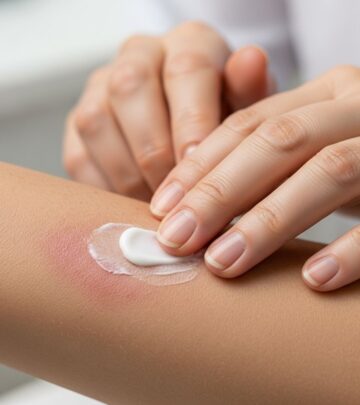
The lesions typically present as firm nodules, often with inflammatory manifestations including redness and surrounding tissue inflammation. In umbilical endometriosis specifically, patients may report pain, itching, bleeding, or discharge from the umbilical region.
Diagnosis of Cutaneous Endometriosis
Accurate diagnosis of cutaneous endometriosis requires a combination of clinical assessment and confirmatory testing. Diagnosis is often delayed due to the similarity of cutaneous endometriosis to other benign and malignant skin conditions. Clinicians must differentiate this condition from common mimics including hematomas, hernias, neuromas, keloids, and neoplastic lesions.
Diagnostic Approach
The diagnostic process should begin with a comprehensive clinical history, including:
- Detailed gynecological history
- Complete surgical history, especially abdominal and pelvic procedures
- Temporal relationship between symptom onset and surgical intervention
- Menstrual history and cyclic symptom patterns
Physical examination should carefully evaluate the lesion characteristics, including size, consistency, color, and relationship to surrounding tissue. Healthcare providers should specifically assess for cyclic changes in lesion size and associated inflammatory signs.
Imaging and Laboratory Studies
Several imaging modalities may support the diagnostic workup:
- Ultrasound examination of the affected area
- Doppler ultrasound of the abdominal wall soft tissues to assess vascularity
- CT scanning to evaluate for metastatic disease and rule out other pathology
- MRI imaging for detailed soft tissue characterization
These imaging studies prove particularly valuable when distinguishing cutaneous endometriosis from Sister Mary Joseph’s nodule—a metastatic lesion at the umbilicus originating from internal malignancy—or other systemic conditions.
Histopathological Diagnosis
Definitive diagnosis relies upon histopathological examination. Fine-needle aspiration cytology or skin biopsy represents the key diagnostic method and accurately identifies endometrial glands, stroma, and hemosiderin deposits within the specimen. The presence of hemosiderin, an iron-storage compound resulting from previous bleeding episodes, is particularly characteristic and supports the diagnosis.
Although fine-needle aspiration is less invasive, some clinicians favor surgical excision over biopsy because fine-needle aspiration may theoretically disseminate endometrial cells to new sites. Surgical excision accomplishes two objectives simultaneously: it provides definitive diagnosis through histological confirmation while also treating the lesion by complete removal. When surgical excision is performed, margins should extend at least 1 centimeter beyond the visible lesion to prevent recurrence.
Associated Pelvic Endometriosis
Healthcare providers should recognize that approximately 14% of patients with cutaneous scar endometriosis also have concurrent pelvic endometriosis. Therefore, a gynecological examination may be warranted in women diagnosed with cutaneous endometriosis to assess for internal disease.
Complications and Malignancy Considerations
While cutaneous endometriosis itself is a benign condition, malignant transformation remains a theoretical concern. Malignancy should be suspected if the lesion demonstrates abnormal enlargement, rapid growth rate, or recurrence following previous surgical excisions. The presence of such features warrants additional investigation and possible re-biopsy to exclude malignant change or alternative diagnoses such as metastatic disease.
Treatment Options for Cutaneous Endometriosis
Management of cutaneous endometriosis involves both medical and surgical approaches, tailored to individual patient preferences and clinical circumstances. Treatment decisions should be made collaboratively between the patient and healthcare team, considering symptom severity, lesion characteristics, and patient goals.
Surgical Treatment
Surgical excision remains the gold standard treatment for cutaneous endometriosis. Wide-margin excision, in which the lesion is removed with at least 1 centimeter of surrounding normal tissue, provides the most definitive therapeutic outcome. This approach simultaneously achieves histological diagnosis and complete lesion removal, reducing recurrence risk.
When umbilical endometriosis is present, surgical technique should carefully preserve umbilical anatomy when feasible to maintain aesthetic and functional outcomes. The low recurrence rate following surgical excision—approximately 9% in one series—demonstrates the effectiveness of this approach.
Medical/Hormonal Therapy
Hormonal medications may be employed either as primary therapy in patients who decline surgery or as adjunctive treatment with surgery. Available hormonal options include:
- Danazol, an androgen derivative that suppresses estrogen production
- Progestins and progesterone, which oppose estrogen-driven growth
- Gonadotropin-releasing hormone (GnRH) agonists, which suppress ovarian hormone production
- Combined oral contraceptives, which regulate menstrual cycling and reduce endometrial proliferation
Hormonal therapy may help shrink endometrial lesions and alleviate pain symptoms. However, patients should be fully informed of potential adverse effects before initiating treatment. Danazol and leuprolide may cause amenorrhea (absence of menstruation), while danazol specifically may cause acne, weight gain, hirsutism (abnormal hair growth), and voice deepening. Additionally, symptoms and lesions frequently recur once hormonal therapy is discontinued.
Pain Management
Nonsteroidal anti-inflammatory drugs (NSAIDs) provide symptomatic pain relief and may be used adjunctively with other treatment modalities. These agents address cyclic pain associated with menstruation and can improve quality of life during conservative management.
Treatment Selection
While hormonal therapy may be considered an alternative for patients with pelvic endometriosis or those preferring to avoid surgery, surgical excision typically offers superior outcomes with lower recurrence rates and permanent resolution of lesions.
Prognosis and Long-Term Outcomes
The prognosis for patients with cutaneous endometriosis is generally favorable. Following surgical excision, recurrence rates are remarkably low, with only 3 out of 33 women (9%) experiencing lesion recurrence in one well-documented series. This excellent prognosis reflects the effectiveness of complete surgical removal with adequate margins.
Patients who undergo successful surgical treatment typically experience complete resolution of cyclic symptoms, bleeding episodes, and lesion-associated discomfort. The rarity of recurrence supports surgical excision as the definitive treatment approach for this condition.
Frequently Asked Questions
Q: How common is cutaneous endometriosis?
A: Cutaneous endometriosis is quite rare, representing less than 1% of all endometriosis cases. It is considerably less common than pelvic endometriosis but should be considered in the differential diagnosis of skin lesions with cyclic symptoms.
Q: Can cutaneous endometriosis develop without prior surgery?
A: Yes. Primary cutaneous endometriosis can develop spontaneously without any history of abdominal or pelvic surgery, though the mechanism remains incompletely understood. However, secondary cutaneous endometriosis following surgical procedures is more commonly encountered in clinical practice.
Q: What is the best treatment for cutaneous endometriosis?
A: Surgical excision with wide margins (at least 1 cm beyond the lesion) is considered the gold standard treatment and offers the lowest recurrence rates. While hormonal therapy may be used in selected patients, surgery provides definitive diagnosis and treatment simultaneously.
Q: Is cutaneous endometriosis painful?
A: Cutaneous endometriosis frequently causes cyclic pain that corresponds with the menstrual cycle. The pain, along with swelling and bleeding, typically intensifies during menstruation and may resolve between cycles, creating a characteristic pattern that aids in diagnosis.
Q: Can cutaneous endometriosis become cancerous?
A: Cutaneous endometriosis itself is benign tissue, though malignant transformation is theoretically possible. Healthcare providers should be alert for warning signs including rapid growth, abnormal enlargement, or recurrence after excision, which may warrant investigation for malignancy.
Q: Will cutaneous endometriosis come back after surgery?
A: Recurrence rates are low following proper surgical excision with adequate margins. In documented series, only approximately 9% of patients experienced recurrence, making surgery a highly effective treatment.
References
- Cutaneous Endometriosis — MD Searchlight. 2024. https://mdsearchlight.com/womens-health/cutaneous-endometriosis/
- Cutaneous Endometriosis: Symptoms, Causes, Treatment — Healthline. 2024. https://www.healthline.com/health/cutaneous-endometriosis
Similar Articles




Read full bio of medha deb